Protocol Archives • Browse all History titles in HD

Four best friends search for a legendary jazz musician on Central Avenue, Los Angeles in 1959.
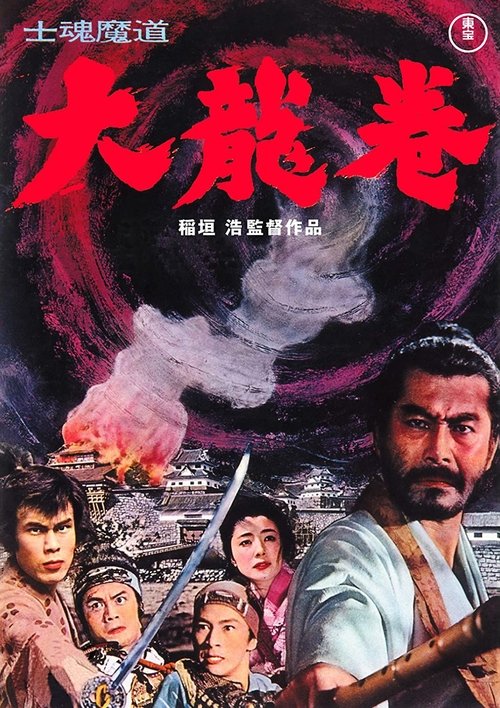
Set at the end of the Siege of Osaka this film follows the exploits of several members of the defeated Toyotomi clan as they cope with the post battle chaos and the persecution of the Shogun's army. Five samurai decide on different fates when it becomes clear that their side is being destroyed. One wants to attack the enemy head on in a final honorable death. Another decides to commit hari-kiri but wants to find a glorious view to do it. His close friend, the "coward", just wants to run and give up the life of a samurai. The final two set their own castle on fire to garner favors from the enemy and therefore avert their own death during the massacre of all defeated soldiers as
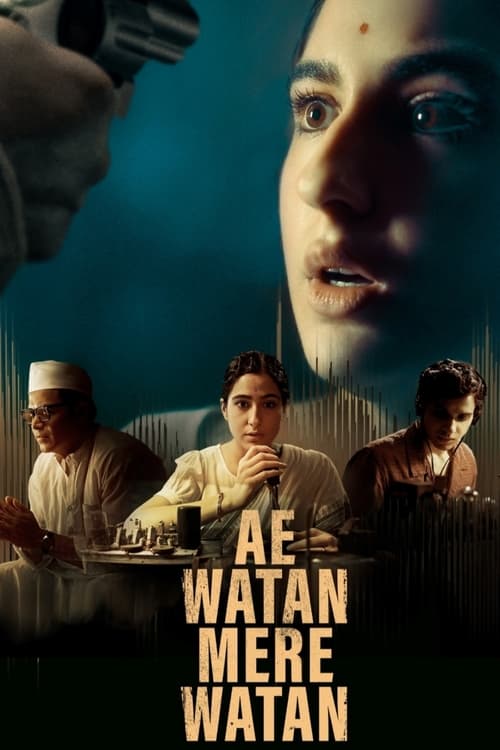
In the midst of India's struggle for freedom in 1942, a brave young girl starts an underground radio station to spread the message of unity, setting off a thrilling chase with the British authorities during the Quit India movement.

A documentary chronicling the adolescent years of Elie Wiesel and the history of his sufferings. Eliezer was fifteen when Fascism brutally altered his life forever. Fifty years later, he returns to Sighetu Marmatiei, the town where he was born, to walk the painful road of remembrance - but is it possible to speak of the unspeakable? Or does Auschwitz lie beyond the capacity of any human language - the place where words and stories run out?
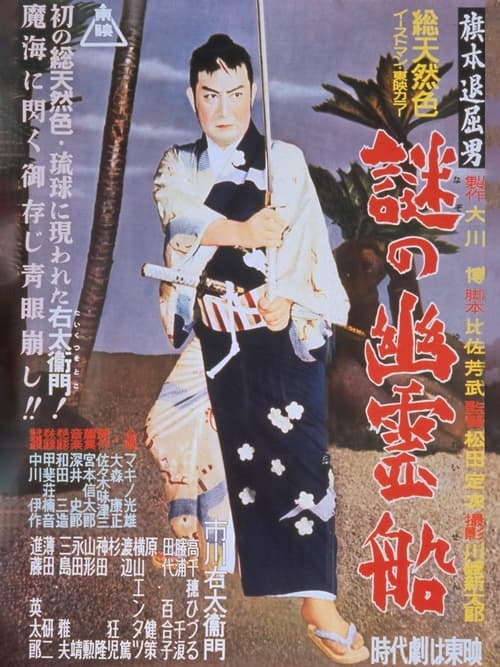
Bored Hatamoto film #20
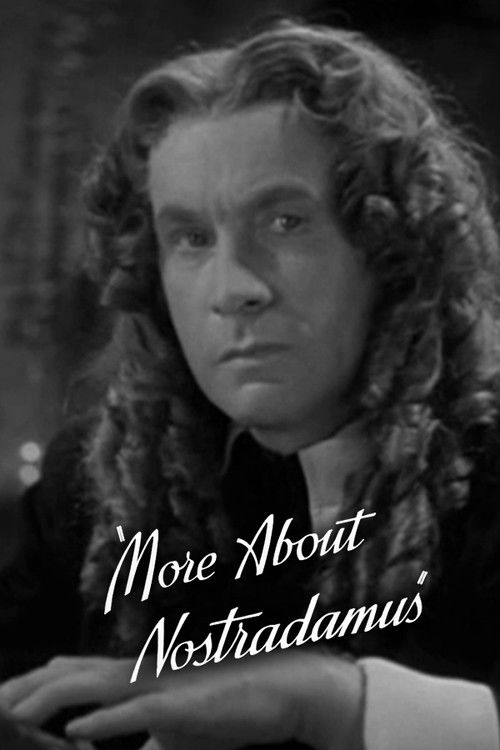
This short film portrays Nostradamus as having predicted the horrors of WWI and Hitler's rise to power, as well as the eventual triumph of "the daughter of the English Isles" against these forces. The film was nominated for an Oscar for Best Short Subject, One-Reel.

Berlin in the 1930s - Adolf Hitler comes to power, communists and social democrats are persecuted, books are burned and Jewish citizens are ostracized. The outwardly shiny façade of Berlin, the capital of the Reich, reveals nothing of the unequal struggle of young people against the increasing oppression...
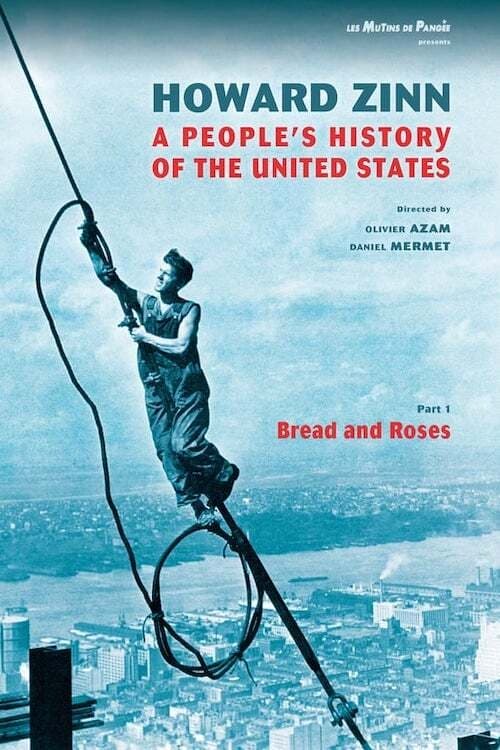
Between 1900 and 1920 more than 14 million immigrants arrived in the US, like Howard Zinn's parents. They came fleeing poverty or war, or racism, or religious persecution. They dreamed of a promised land, of wealth, or simply of a better life.
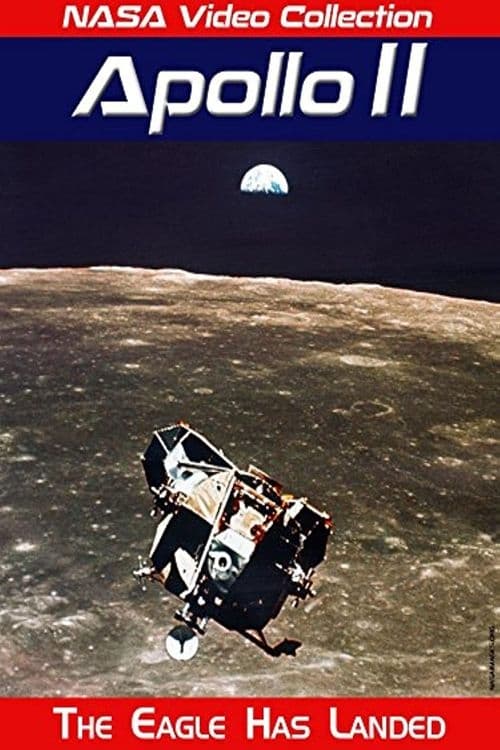
A 1969 documentary on the Apollo 11 mission to the Moon made by NASA, telling the story of the historic first landing of men on the Moon in July, 1969. It depicts the principal highlight events of the mission from launching through post-recovery activities of Astronauts Neil Armstrong, Edwin "Buzz" Aldrin, and Michael Collins. Through television, motion picture and still photography, the film provides an "eye-witness" perspective of the Apollo 11 mission.

In 1908, Sultan Abdul Hamid rules the Turkish Empire, but he is faced with the threat of revolt by the Young Turk party. He allows Hilmi Pasha, the leader of the Young Turks, to return from exile and form the country's first constitutional government. With tensions still growing, chief of police Kadar Pasha assassinates Hassan Bey, the leader of the Old Turk party, and makes it look as if a Young Turk committed the crime, in order to give Abdul an excuse for arresting the Young Turk leaders. Meanwhile, Abdul becomes infatuated with a visiting Austrian singer. When she rejects his advances, she endangers both herself and her fiancé, a Turkish officer who also knows who really shot Hassan Bey.


Richard Doty is a former Air Force Intelligence operative whose job at Kirtland AFB in New Mexico involved creating and disseminating disinformation about the existence of extraterrestrial spacecraft to UFO researchers. In the late 1970s and early 1980s, Kirtland AFB was home to a wide range of highly classified technology experiments involving lasers, stealth aircraft, and nuclear weapons. Strange phenomena in the skies above the base piqued the interest of amateur and professional UFO investigators. Doty’s job was to recruit UFO researchers to be informants to the Air Force about goings-on in the UFO community and to spread military disinformation about UFOs among their peers. To accomplish this, Doty supplied fake documents to UFO investigators purporting to tell the “truth” about government involvement with extraterrestrials.

Determined to discover her roots, a young woman travels to Indonesia and pieces together her parents' unconventional love story.
The remarkable story of a pioneering aviator from Ulster during World War I.
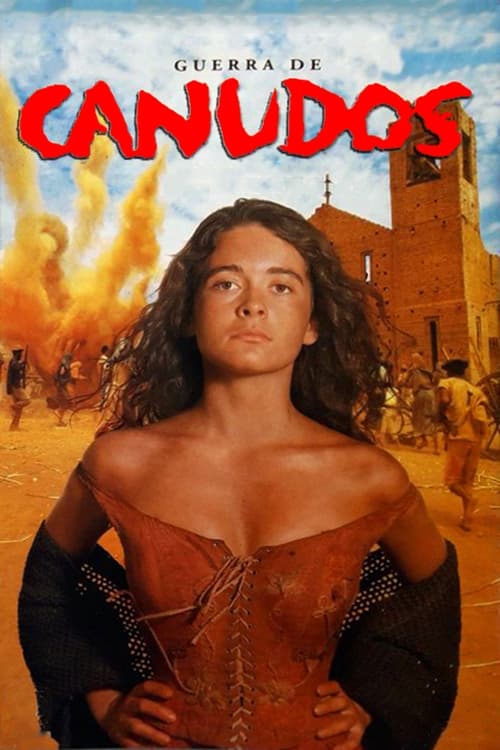
At the end of the 19th century, a poor family comes to the rural Canudos, a community led by Antônio Conselheiro, seen by many as a holy prophet. Their ways bother the powerful people of the region, and the newly founded Republic sends their army to destroy the settlement, which culminates in one of the bloodiest wars in the history of Brazil.
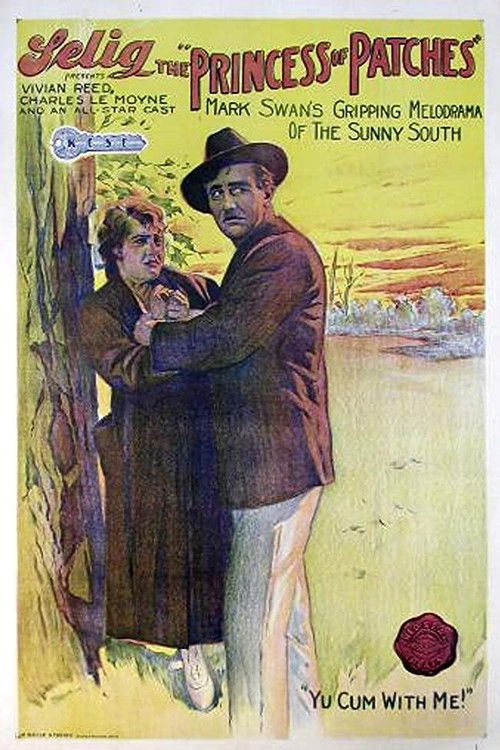
Patches, a beautiful girl, lives with her foster-mother Liza Biggs, who dresses her in rags. She is surprised to see Judas, the overseer, give Liza a locket. Jack Merry arrives to purchase cotton from Colonel Silverthorne, a Southern gentleman of the old school, who looks after his dead brother's estate for his niece and nephew, Juliet and Lee.
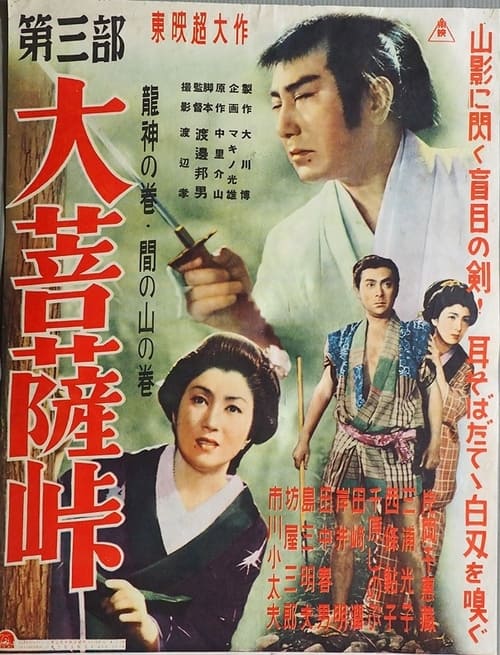
The final film in the 1953 trilogy based on the long novel series The Great Bodhisattva Pass.
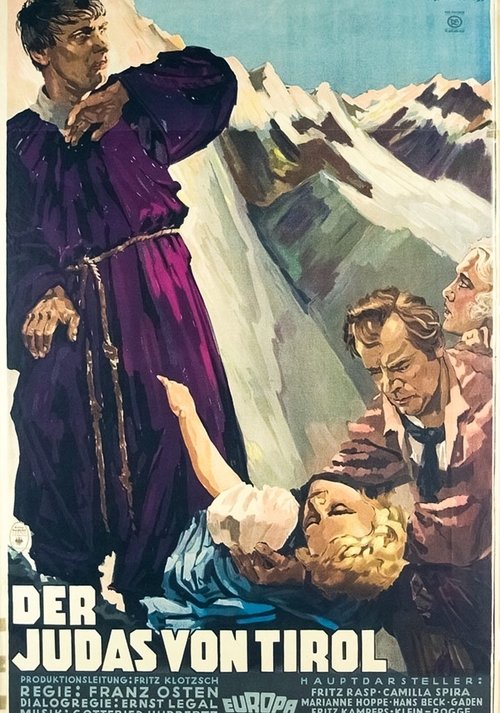
In the year 1810, the Tyrol is suffering under French occupation. A servant, who believes himself oppressed and disenfranchised by the peasants, dreams of being allowed to play Christ in the yearly Passion Play. Instead, he is forced to play Judas and soon the lines of reality blur: he betrays the location of Andreas Hofer, hidden by the farmers, breaks under the weight of his guilt and suffers Judas' fate.
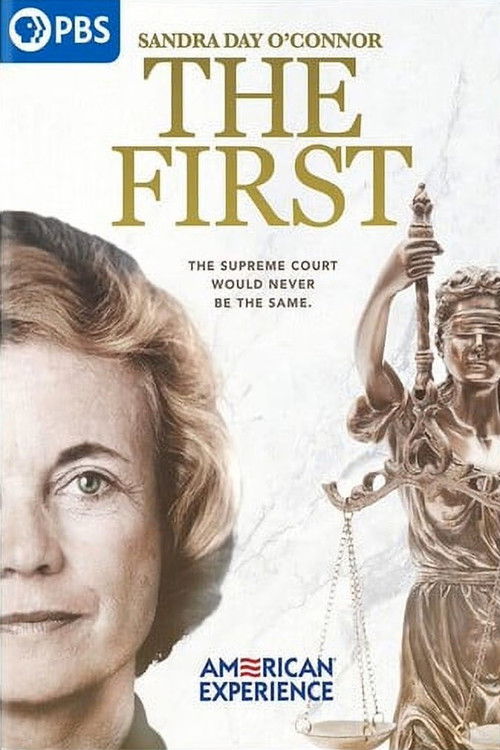
When Ronald Reagan nominated Sandra Day O’Connor as the Supreme Court’s first female justice in 1981, the announcement dominated the news. Time Magazine’s cover proclaimed “Justice At Last,” and she received unanimous Senate approval. Born in 1930 in El Paso, Texas, O’Connor grew up on a cattle ranch in Arizona in an era when women were expected to become homemakers. After graduating near the top of her class at Stanford Law School, she could not convince a single law firm to interview her, so she turned to volunteer work and public service. A Republican, she served two terms in the Arizona state senate, then became a judge on the state court of appeals. During her 25 years on the Supreme Court, O’Connor was the critical swing vote on cases involving some of the 20th century’s most controversial issues. Forty years after her confirmation, this biography recounts the life of a pioneering woman who both reflected and shaped an era.