Protocol Archives • Browse all History titles in HD
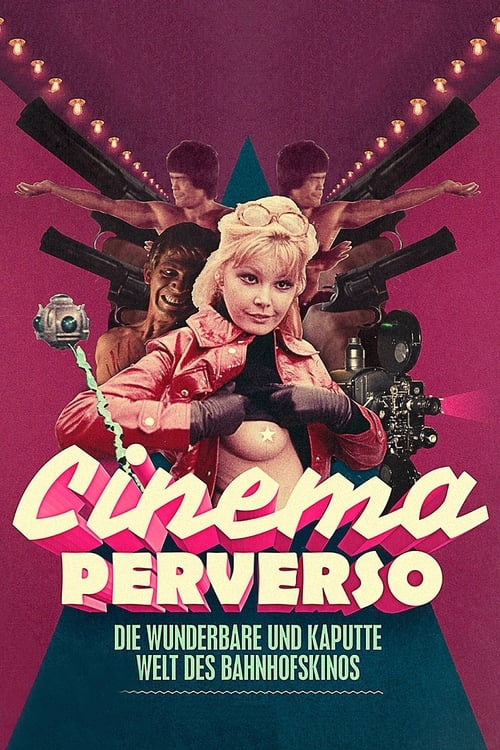
Before there were home video formats and the internet, the “Bahnhofskinos” (“Train station cinemas”) in West Germany regularly showed trash and erotica movies. Various filmmakers and especially contemporary witnesses recount in the documentary “Cinema Perverso – the wonderful and broken world of Bahnhofskino” their experiences and impressions.
An actress preparing to play in a historical epic is terrorized by someone faxing her pages from her stolen diary; has colorful flashbacks of her affair with a now-deceased man; and imagines black-and-white film-within-a-film scenes of the movie she is about to appear in.

Short drama film set in 1922 during the Irish Civil War. A boy follows his executed father's final wish...
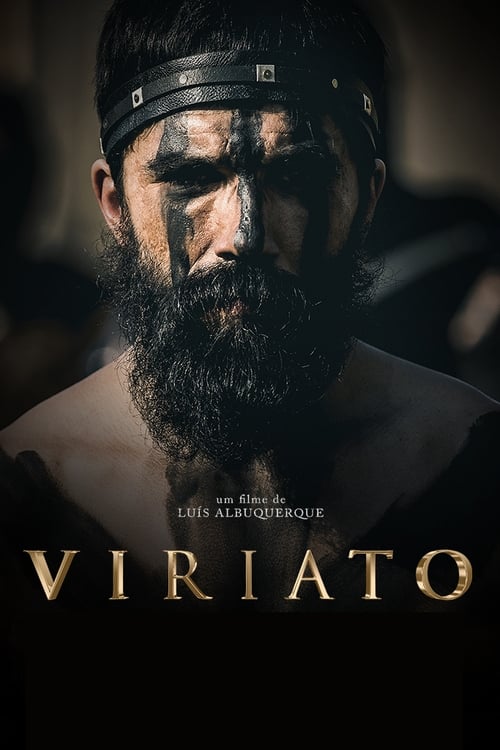
Thousands of years ago there was a warrior who fought and gave his life for a territory that later became Lusitania. Against the advancements of the Roman Empire, which possessed an immense armada, it chose to dedicate its life to the protection of its people and their lands. His name was ... Viriato.

A young samurai stuck at the bottom of the hierarchical order attempts to rescue his childhood sweetheart from an evil clan lord after learning of a plot to kill her and her infant child. Bunshiro Maki is a skilled swordfighter who's lethal with a blade, yet still can't rise through the ranks of the system. After his father is accused of plotting against his clan and forced to commit ritual suicide, his longtime love Fuku is sent to Edo to become the clan lord's concubine. A few years later, Fuku has bore the clan lord a son. When Maki learns that the clan has hatched a plan to kill Fuku and her son to secure succession to the throne, he recruits two childhood friends to help thwart the diabolical plot.
Greece, 1977. A proposed law brings gay men and “transvestites” together in a historic event and sparks the creation of the first Greek LGBT movement. For the next 13 years, AKOE and its magazine Amfi, would define the way LGBT Greeks think about themselves. This film celebrates their story and legacy.
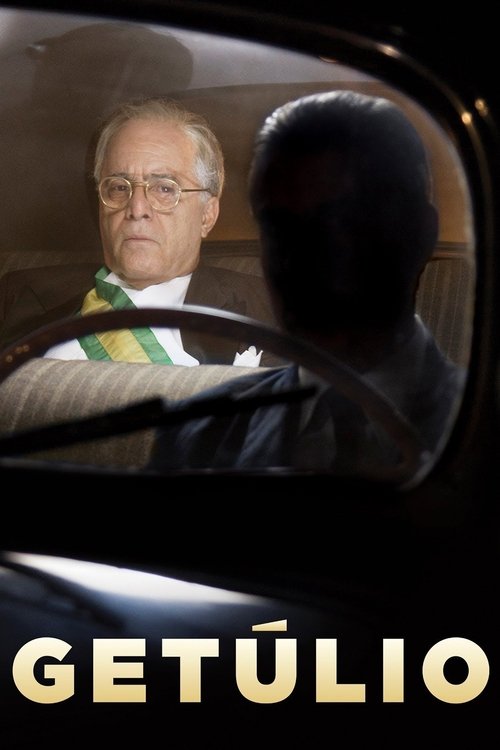
The movie depicts the political crisis that led to the suicide of president Getúlio Vargas, in the 19 days that preceded August 24, 1954. The crisis began with the attempted assassination of journalist and politician Carlos Lacerda in August 5, 1954, at rua Toneleros, Rio de Janeiro, in which Major Vaz was assassinated instead. Investigations pointed to Gregório Fortunato, chief of Vargas' personal guard, as the orderer of the frustrated assassination. This incident was one of the most importants in the history of Brazil.
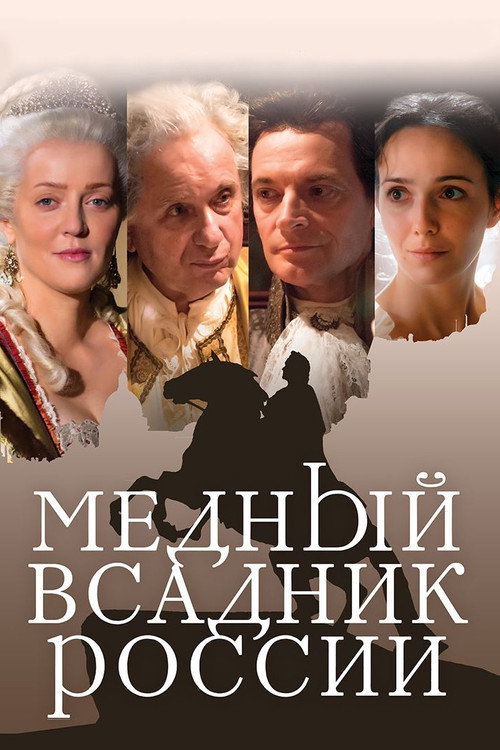
Vasily Livanov’s historical movie carries the viewer back into the 18th century and tells the story of the monument to Peter the Great through Alexandr Sergeevich Pushkin’s poem «The Bronze Horseman». The sculptor Étienne Maurice Falconet comes from France at the invitation of the Empress Ekaterina the 2nd to erect the monument. Thanks to the master’s meticulous work and painstaking creative search the monument has become not only a masterpiece of art but one of the symbols of Russia.
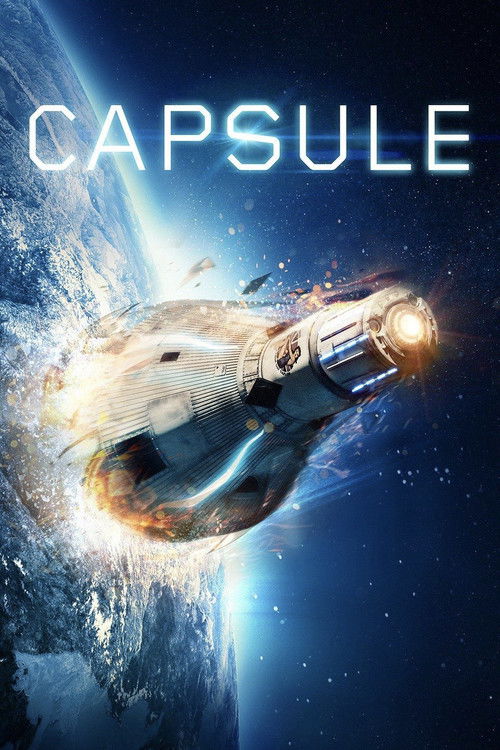
1959: Guy is an experienced British fighter pilot who is in command of Britain's first manned mission to space. He has trained for this for three years at the height of the Cold War and now he is alone in space, suffering Hypoxia, with a malfunctioning capsule. He has limited contact with the UK, some unusual communication with the US and some unorthodox communication with Tyuratam deep in Soviet Russia. Can he get home? Who will help him? Will he make the right choice?

At the time the play opens the .Southern army is harassing the Unionists. The Northern spy force is augmented and Grace, whose brother, Harry, is already in the secret service, joins it. She meets Harry and together they take a coach to the Southern town they have selected to spy upon. A prominent colonel in the Southern army deals with dispatches, and it is this man that Grace investigates while Harry awaits events. The colonel has a sweetheart, May, and Grace manages to got an introduction to her at a ball by purposely tearing her dress and appealing to May for help. This leads to an acquaintance with the Colonel, and she practices all her woman's wiles and fascinations upon him and he is impressed with her.
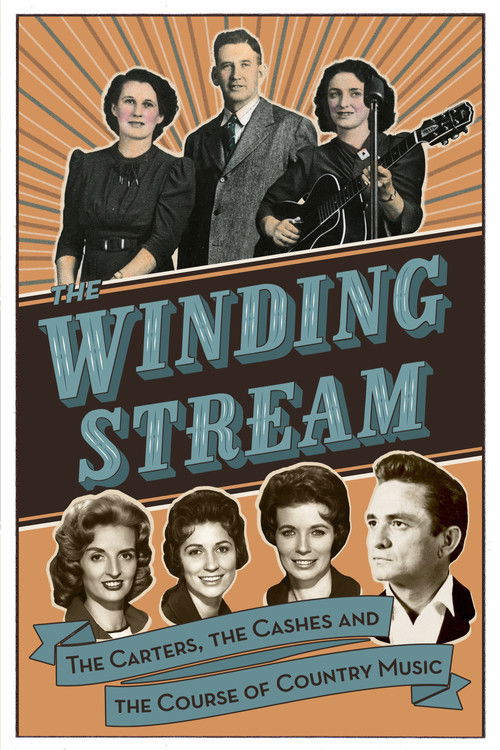
The story of the American music dynasty, the Carters and Cashes, and their decades-long influence on popular music.

A biopic of Iranian-born tennis player and showman Mansour Bahrami.
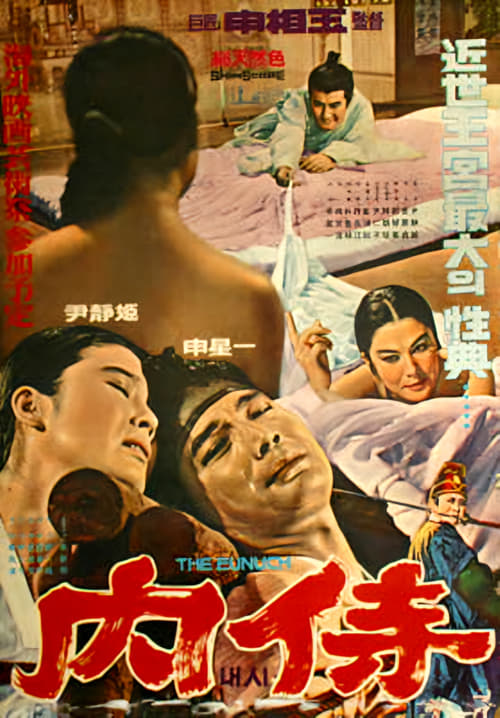
A nobleman sends his daughter to the king as a concubine in order to gain personal power and favors from the monarch. Her lover follows her into the palace disguised as a eunuch. They continue to meet in secret until discovered and sentenced to death.
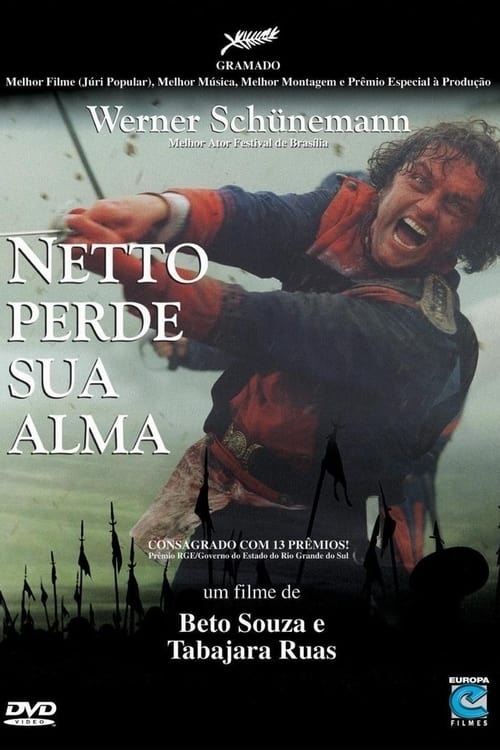
The story of a man who invented a country.
Tour of the White House with Mrs. John F. Kennedy was a television special featuring the First Lady of the United States, Jacqueline Kennedy on a tour of the recently renovated White House. It was broadcast on Valentine's Day, February 14, 1962, on both CBS and NBC, and broadcast four days later on ABC. The program was the first ever First Lady televised tour of the White House, and has since been considered the first prime-time documentary specifically designed to appeal to a female audience.
In the 1950s, young revolutionary Ernesto Guevara meets Peruvian economist, intellectual and activist Hilda Gadea, whose sharp political vision and energy left a lasting mark on his path. At its core, the story delves into their romantic bond, Hilda’s journey through motherhood and the agonizing choice that ultimately shaped her life: remain by her daughter’s side or follow the call of the revolution.
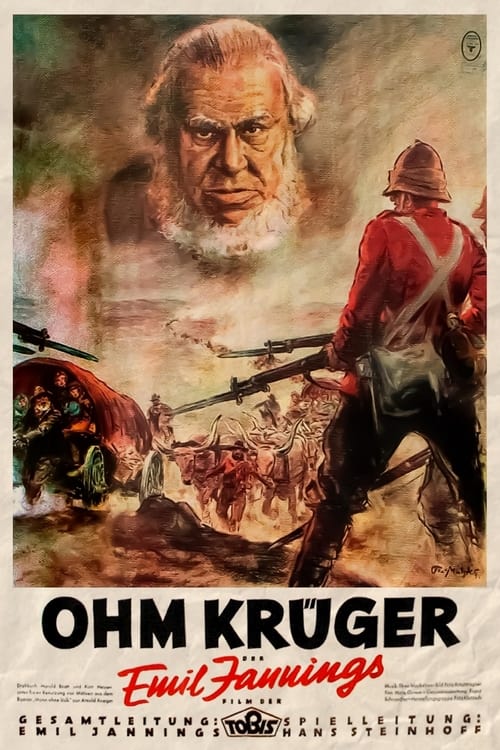
An anti-British propaganda film from Nazi Germany which depicts the life of the South African politician Paul Kruger and his eventual defeat by the British during the Boer War.
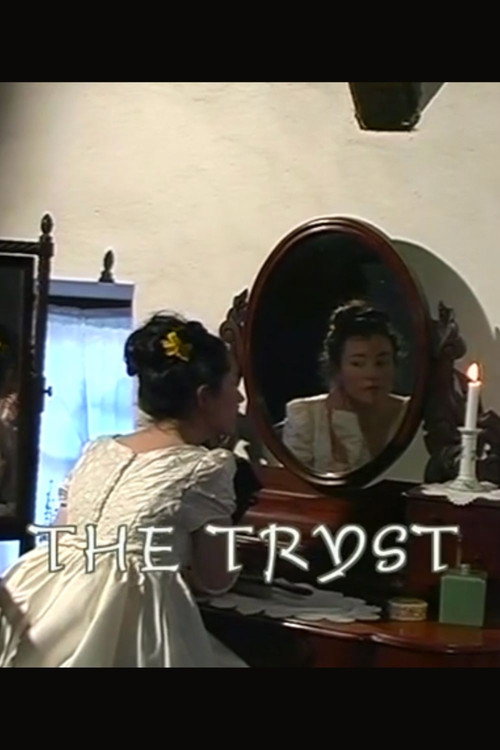
Short historical film with a surprise twist filmed at the Ulster Folk & Transport Museum.
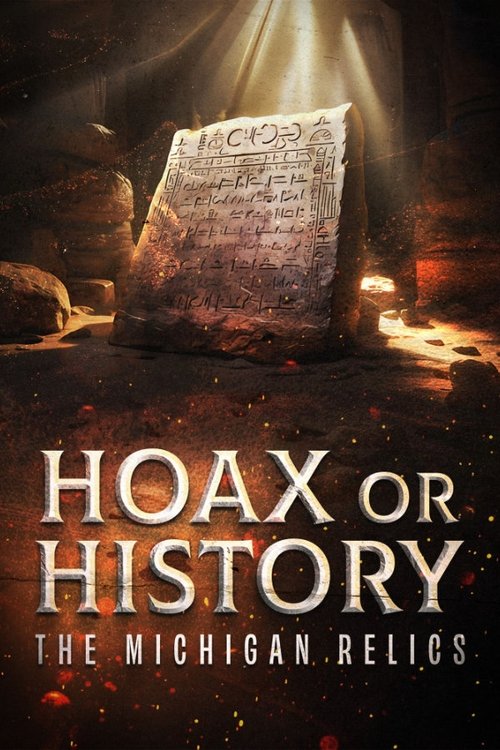
A national controversy in the early 1900s, The Michigan Relics became the focus of intense investigation by church leaders concerned that these artifacts could be proof of the lost tribes of Israel inhabiting North America during the third and fourth centuries. Early scientists and academics dismissed the artifacts as frauds and yet more were discovered for 30 years in burial mounds throughout the state of Michigan. The artifacts passed into storage and were mostly forgotten until the last decade of the 20th century when new research brought the controversy back to life.