Protocol Archives • Browse all History titles in HD
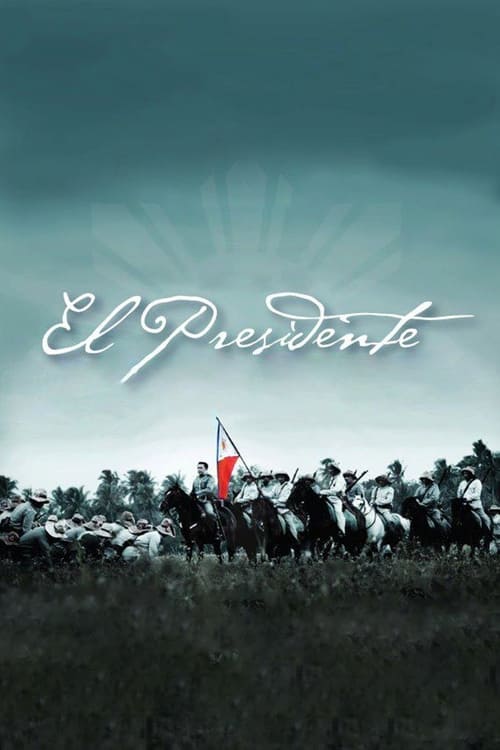
The film begins with his capture by Philippine and US forces under Frederick Funston's command in 1901, then flashes back to 1886, when an old woman gives Aguinaldo and his childhood friend Candido Tirona cryptic prophecies. Ten years later, Aguinaldo is inducted into the Katipunan and later assumes leadership of its Cavite chapter while becoming mayor of Cavite El Viejo. When the trouble breaks out in Manila in late August 1896, Aguinaldo tries to assure the Spanish provincial government of non-interference and covertly marshals his forces despite a lack of weapons. Learning that the Spanish mostly put their forces in Manila, Aguinaldo finally mobilizes his troops and take the command of the Katipunan forces in Cavite
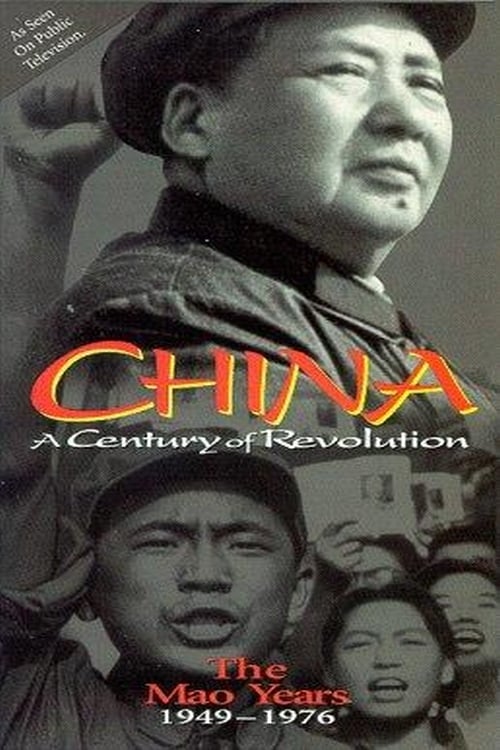
The trilogy continues with The Mao Years, a look at the next period of modern China’s history: Mao Zedong’s rule, from 1949 to his death in 1976. The film begins with the celebrations marking the establishment of the People’s Republic of China, a moment of great hope for millions of Chinese. But the quarter-century of Mao’s rule was as turbulent as the decades which preceded it. Interludes of relative calm and increased prosperity were interrupted repeatedly by violent campaigns, purges, and a famine in which killed more than 30 million people. It culminated in Mao’s colossal and tragic experiment, the Great Proletarian Cultural Revolution. When Mao died in 1976, people were exhausted by the turmoil and longed for stability.

Interpreted by Col. Tim McCoy. Talks about Indian Sign Language. A chief signs a story and a white soldier interprets.
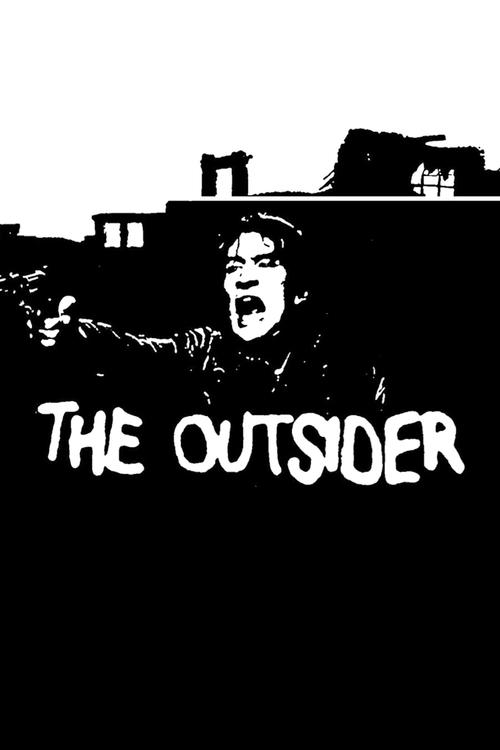
Michael Flaherty (Craig Wasson), an American Vietnam veteran of Irish descent, returns to Belfast to join the cause of his grandfather, Seamus (Sterling Hayden). Soon he finds that he is not as welcomed in his home country as he imagined he would be. Even worse, he's the target of an IRA assassination plot designed to make the British forces look bad in order to elicit financial support from wealthy Americans.
In 1930s Hungary, budding aristocrat Lőrinc Parcen Nagy undergoes a moral awakening. He abandons his privileged life to join the socialist underground, facing the harsh realities of class struggle and the approach of WWII.

A diminutive twentysomething 'Soso' (a nickname given to him by his mother) leads a group of revolutionaries in a massive bank heist to rob the Imperial Bank in 1907 Tbilisi. In the process, Soso becomes the man known as Joseph Stalin.
Andrzej, who lives in the lowlands, comes to Zakopane. He rents a carriage and orders himself to be taken to the Strążyska Valley.
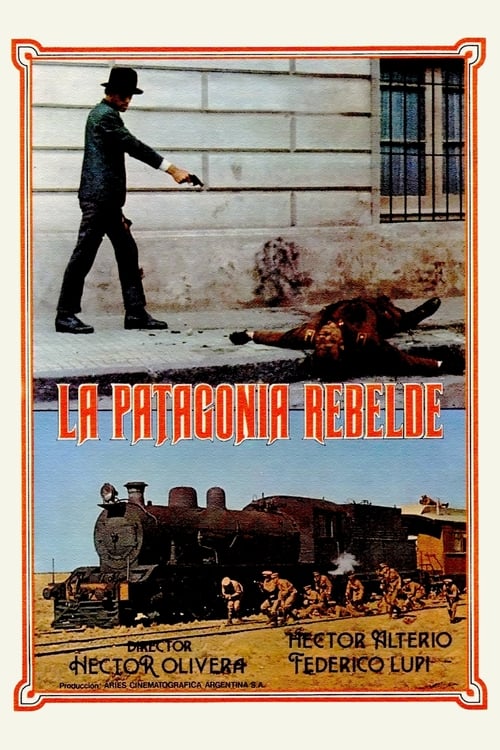
In 1920, workers from Patagonia, in Southern Argentina, gather around an anarcho-syndicalist society and go on strike, demanding better working conditions. When the situation turns unsustainable, President Yrigoyen sends Lieutenant Colonel Zavala to impose order.
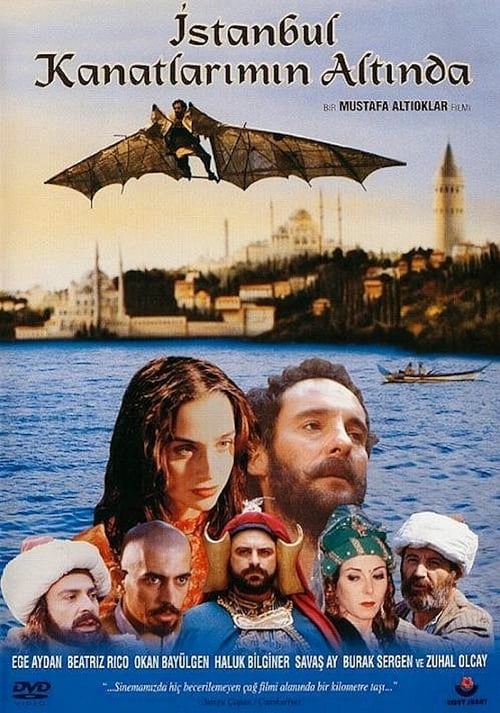
During the sea battle which took place between the Ottoman Empire and the Italians, a ship which had been seized in the Mediterranean Sea is brought to Istanbul, and a young wounded lady named Francesca, the daughter of the killed Captain, becomes a slave for Hezarfen Ahmet Celebi.
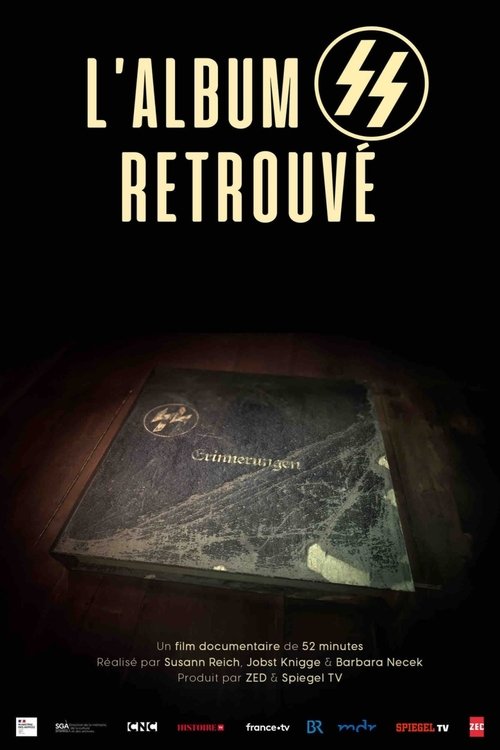
In 2016, an album containing 250 previously unseen photos of Nazi officials was discovered in the USA by Stephan Hördler, a prominent Holocaust historian, who immediately understood the album's inestimable value. The album brings together photographs of a "group of friends," all from the same region of Germany, all of whom became SS men. From 1928 to 1943, the photo album allows us to follow their journey. Hördler conducted the investigation, comparing the photos in the album with other, better-known ones, the faces of these men with those of concentration camp officials, and ultimately revealed that it was at Lichtencburg that these young men were trained, a "school" for future camp executioners, and the bonds of camaraderie and informal network that would allow them to help each other, even after the war.
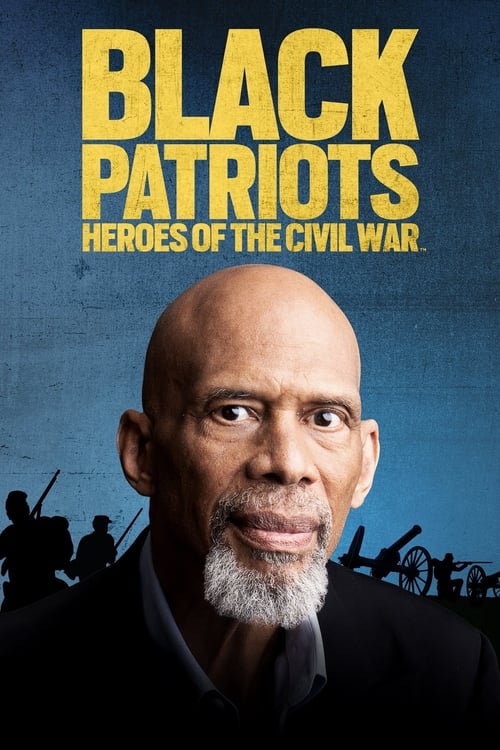
This one-hour documentary takes viewers through an evolution of African American involvement over the course of the Civil War through the stories of some of the most crucial and significant figures of the day including Harriet Tubman, Robert Smalls, Frederick Douglass, the 1st Kansas Colored Volunteer Infantry Regiment, and the most celebrated regiment of black soldiers during the Civil War, the famed 54th Massachusetts Infantry Regiment.

Above the fireplace, the morning light dances every day, but in this timelapse, the lives of many generations also unfold there.
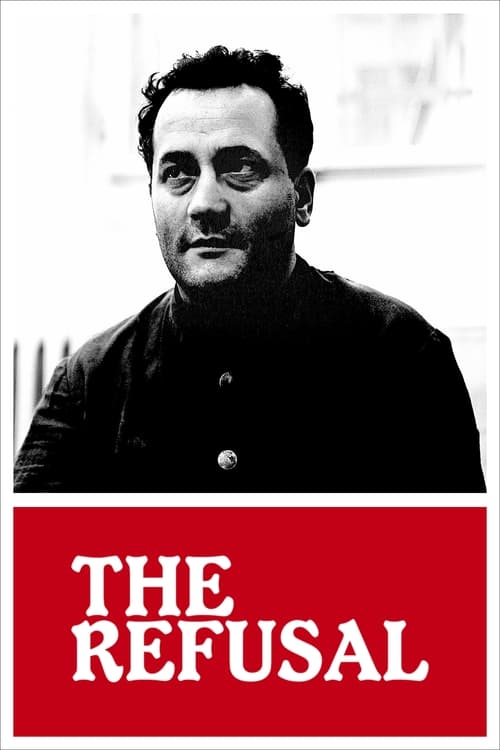
The story of the last days of Austrian farmer Franz Jägerstätter (1907-43), who was executed by the Nazi regime because of his refusal to compromise with a perverse system.
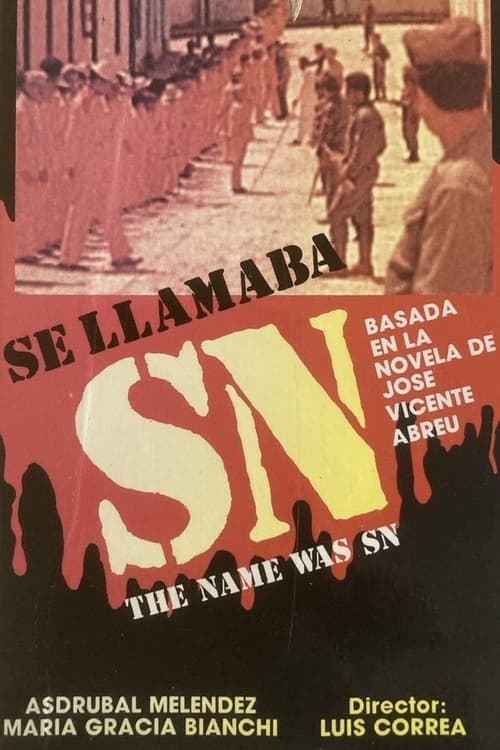
As José Abreu “Guanipa” is transferred with a group of prisoners to the Guasina camp in the Orinoco Delta, he recalls the torture he was subjected to by SN (National Security) henchmen in order to obtain information about the resistance. In Guasina, the prisoners are subjected to forced labor while they plan their escape. Guanipa is released after signing the bond and the rest of his companions remain in the camp.
Voyage photo-électrique entre l'île d'Ouessant, Montparnasse et Jean Epstein. -- Photo-electric voyage between Ushant, Montparnasse and Jean Epstein.

Casanova meets a new servant who will witness his last moments in life, from a castle with its libertine 18th century atmosphere to the poor, shadowy Northern lands. There, his rationalist way of thinking and mundane world will succumb to a violent and romantic force, represented by Count Dracula.
Chaudhry – The Martyr is an upcoming biopic action film. The film features Tariq Islam, Shamoon Abbasi, Arbaaz Khan, and Zara Abid in lead roles. Chaudhry - The Martyr is directed by Azeem Sajjad.
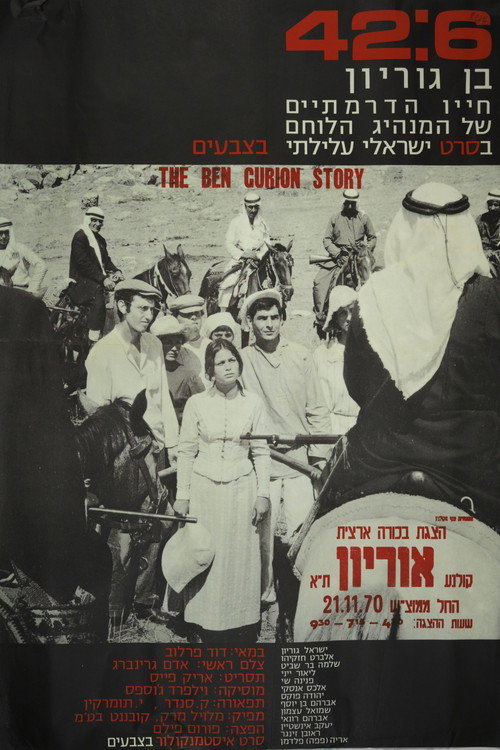
The title is a reference to the Book of Isaiah 42:6, “I, the LORD, have called thee in righteousness, and will hold thine hand, and will keep thee free, and give thee for a covenant of the people, for a light of the Gentiles.” The film is an episodic, cinematic biography of David Ben-Gurion, from his days as a youth in Poland when he met Herzl in the town of Plonsk, through his move to Palestine/Israel, becoming leader, the days of the Independence War and the establishing of the State of Israel, signing the reparations agreement with Germany, and all the way to the making of this film – in the aftermath of the Six-Day War. Perlov’s film highlights all the key milestones in the leader’s life which it goes about doing in the tradition of the reflexive documentary, through the creator’s subjective and artistic pov. The film goes back and forth between documentary and scripted scenes, black and white and technicolour, and even archival footage colourised in bold, artificial colours.
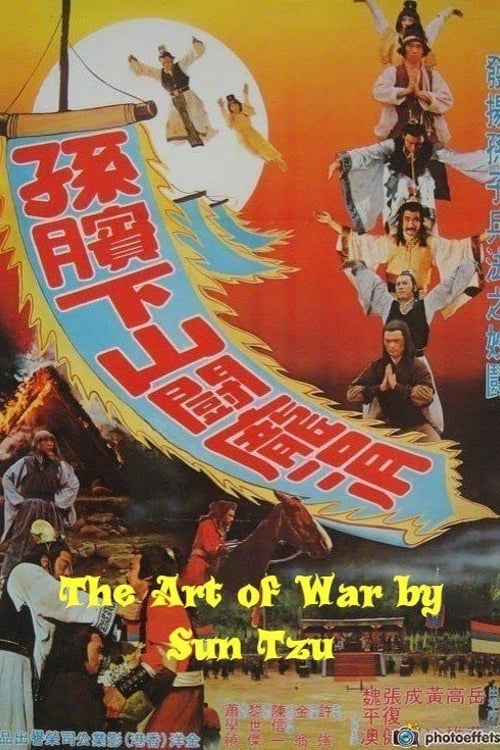
Excellent martial arts film depicts the exploits of the legendary Chinese scholar, Sun Tzu, the author of the world renowned book, "The Art of War by Sun Tzu" This film adaptation is filled with great fight scenes and battle stratagems.