Protocol Archives • Browse all History titles in HD
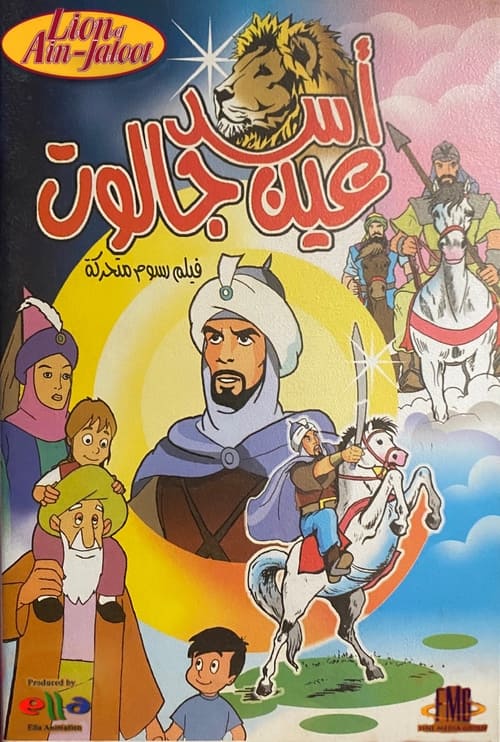
The story of the hero Seifuddin Qutoz, defender of Jerusalem and conqueror of the Mongols. The events take place in Khwarizm, India, Syria and Egypt between the years 617-658 of the 7th Hijra century (1220-1260 A.D.).
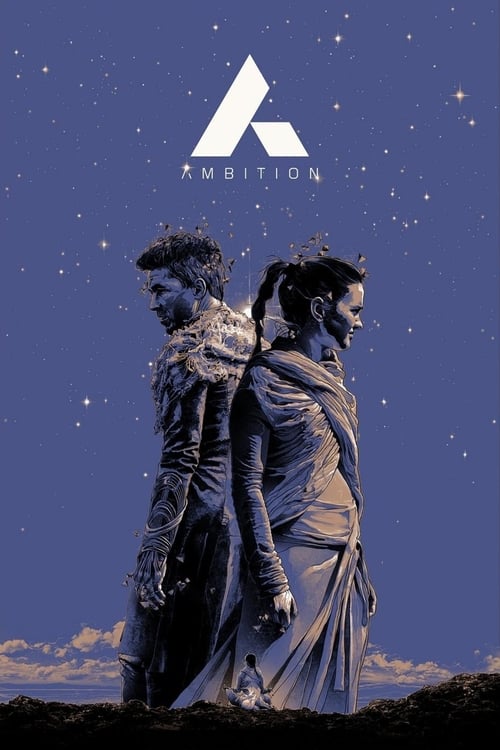
A young apprentice struggles to master nanotechnology on an alien world and prove herself to her enigmatic master. Will her herculean goals remain tantalizingly out of reach, or will she fulfill them and in the process, change life as we know it?
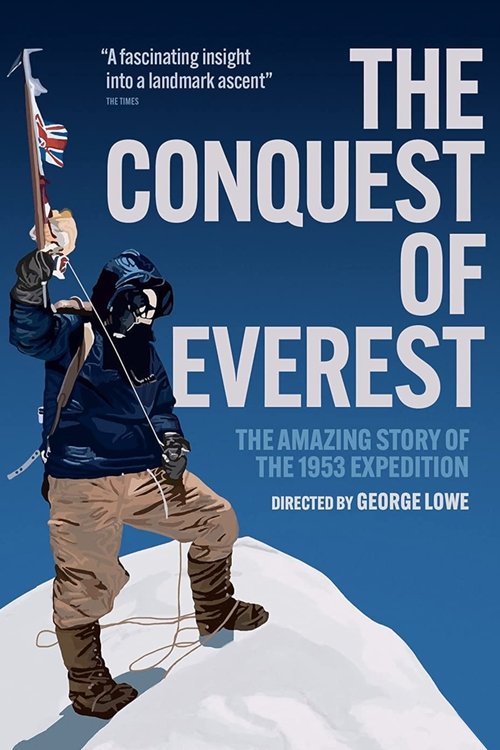
A documentary of the first successful expedition to the summit of Mount Everest. New Zealand's Edmund Hillary and Sherpa Tenzing Norgay climb Mount Everest in 1953.

In the panorama of Kurdish music, Koma Berxwedan (Group Resistance) is one of the most interesting, innovative, experimental groups. To a deep love for music research the group has always associated a strong political commitment. Some of its members have joined the PKK guerrillas in the mountains of Kurdistan. Three of them died in combat. Some have been forced to live in exile and others continued to challenge the Turkish authorities by carrying out their work in Kurdistan.
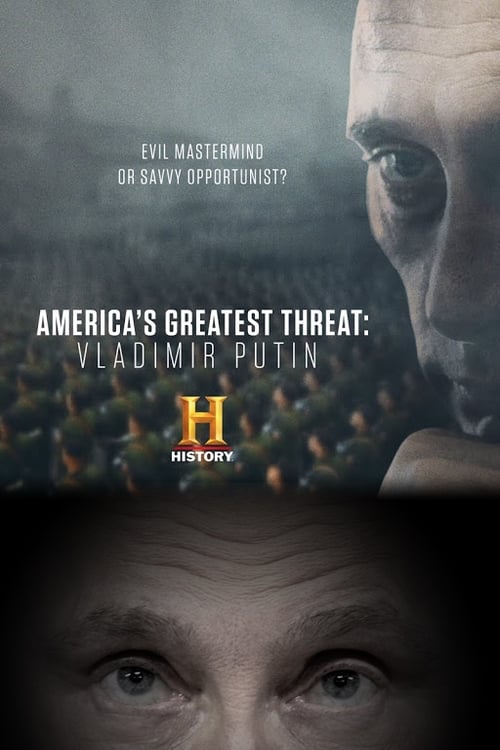
A gripping look at Putin's rise from humble beginnings to brutal dictatorship, and his emergence as one of the gravest threats to America's security.
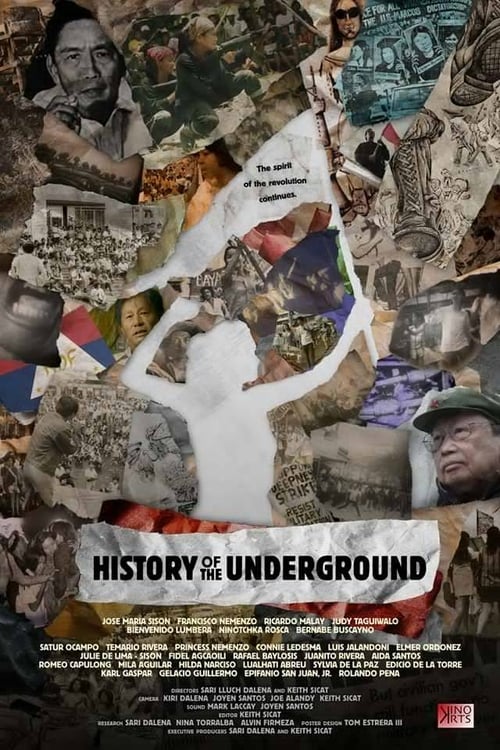
An examination of the tumultuous times of Filipino activists and revolutionaries from the end of World War II through Martial Law.
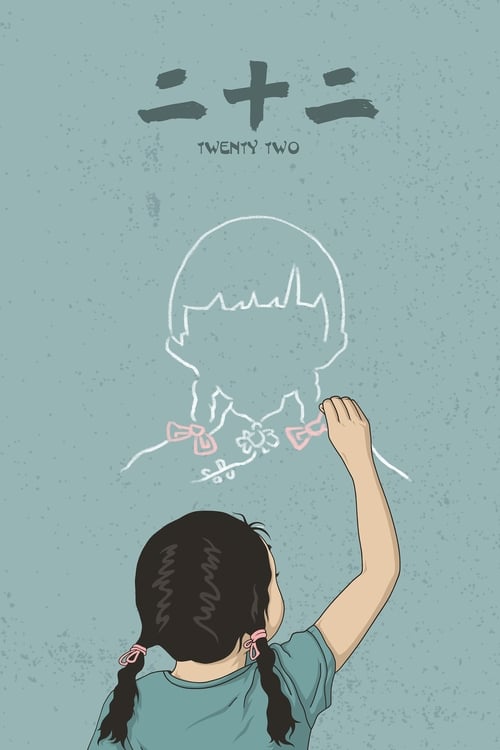
Follow the lives of the elderly survivors who were forced into sex slavery as “Comfort Women” by the Japanese during World War II. At the time of filming, only 22 of these women were still alive to tell their story. Through their own personal histories and perspectives, they tell a tale that should never be forgotten to generations unaware of the brutalization that occurred.
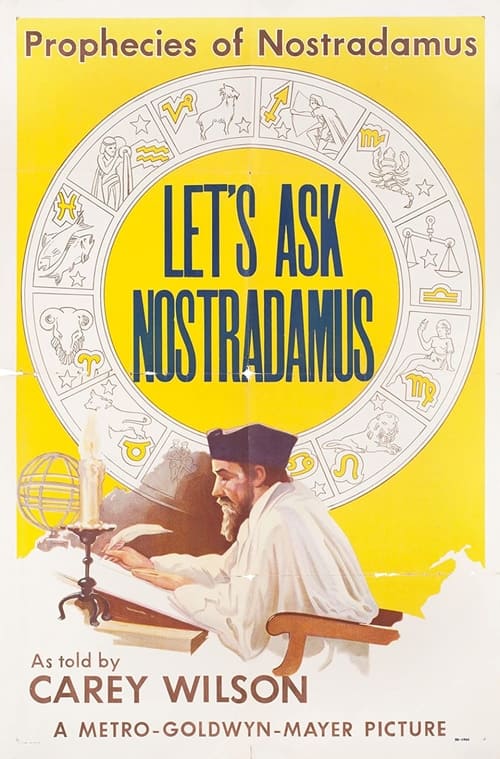
Nostradamus writes a letter to his young son, and his prophecies are compared to events of the French Revolution.

Italy, 1970. An increasing legion of harmless warriors begins a peaceful struggle for sexual freedom through pornography, shaking and shocking religious authorities and conservative political institutions. They are ironic, happy, crazy. They are dreamers, defenders of definitive communion between body and soul. But they were censored and humiliated. They were mistreated and arrested for demanding loud a new cultural renaissance.
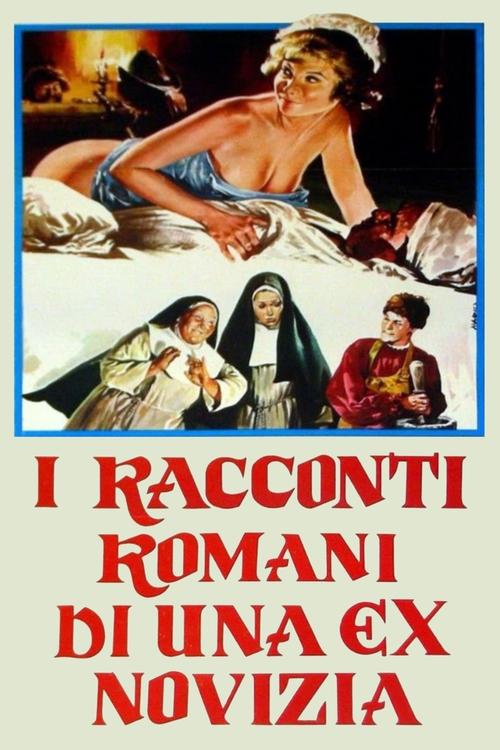
A girl who entered the convent pushed by devotion is depraved, marries, betrays her husband and becomes a courtesan.
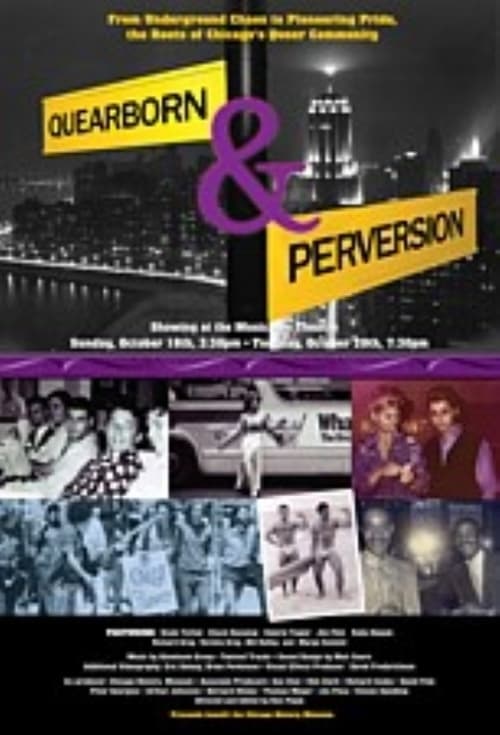
Quearborn & Perversion: An Early History of Lesbian & Gay Chicago (2009, 109 min) is a documentary on LGBTQ life in Chicago from 1934 to 1974. Moving from the speakeasys and Henry Gerber’s founding of the Society for Human Rights in the 1930s, to the underground social structure of the 1940s and 1950s, to the dawn of consciousness-raising entities such as the Daughters of Bilitis and Mattachine Midwest in the 1960’s, and concluding with the emergence of the gay liberation movement with the first Pride March and opening of the first community center in the early 1970s.
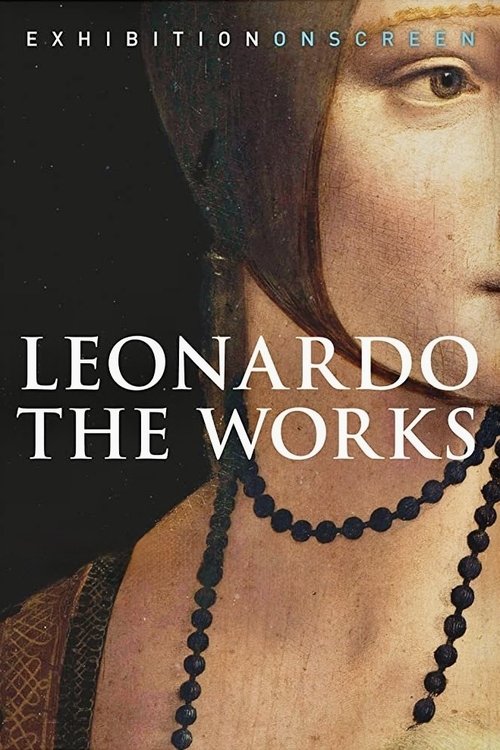
Leonardo da Vinci is acclaimed as the world’s favourite artist. Many TV shows and feature films have showcased this extraordinary genius but often not examined closely enough is the most crucial element of all: his art. Leonardo’s peerless paintings and drawings will be the focus of Leonardo: The Works, as EXHIBITION ON SCREEN presents every single attributed painting, in Ultra HD quality, never seen before on the big screen. Key works include The Mona Lisa, The Last Supper, Lady with an Ermine, Ginevra de’ Benci, Madonna Litta, Virgin of the Rocks, and more than a dozen others.

After shooting a gangster in self-defense, Kim Hui Ro takes refuge at a hotel and takes the guest hostages. Realising his position, he invites the press inside and explains why he was driven to his crime.
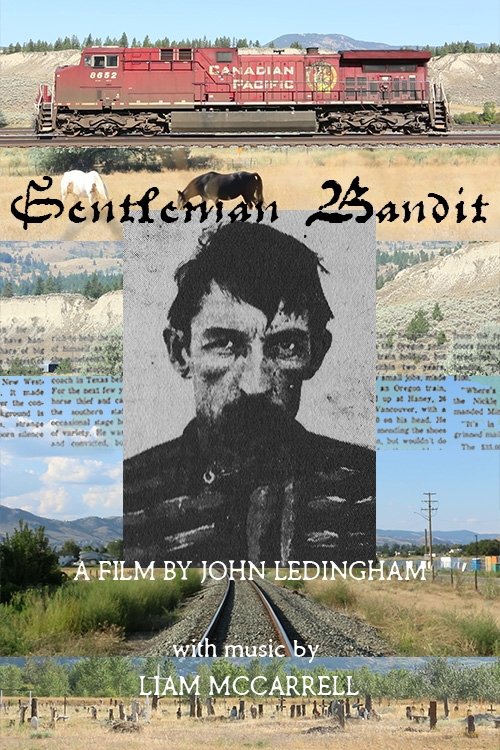
Documentary on the Canadian career of train robber Billy Miner, who became a folk hero in British Columbia. Locations near Kamloops and Mission are explored in present day.
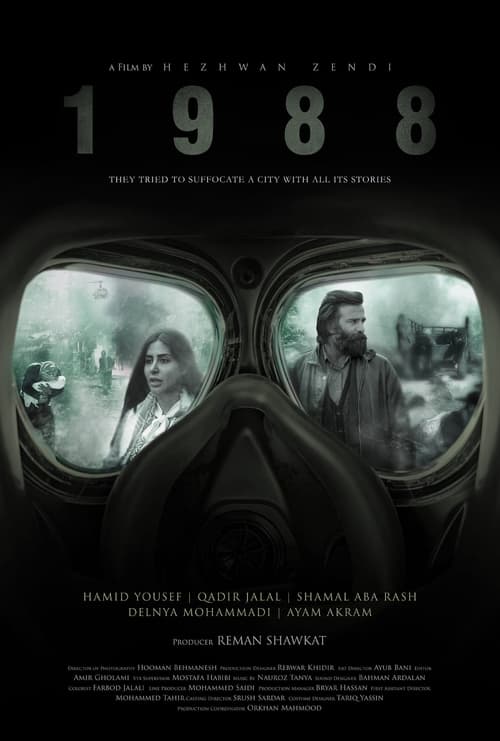
In the winter of 1988, in the depths of the Iraq/Iran war, the border town of Halabja was attacked by chemical weapons with all its people and their different stories.
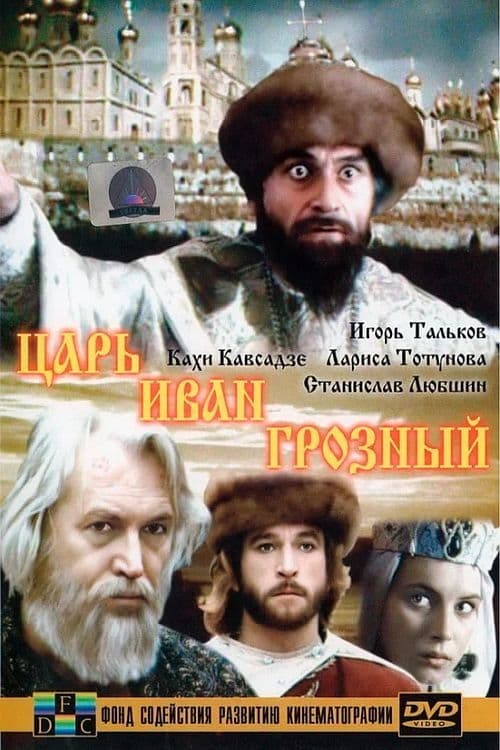
Adaptation of 'Prince Serebrenni' by A. K. Tolstoy.
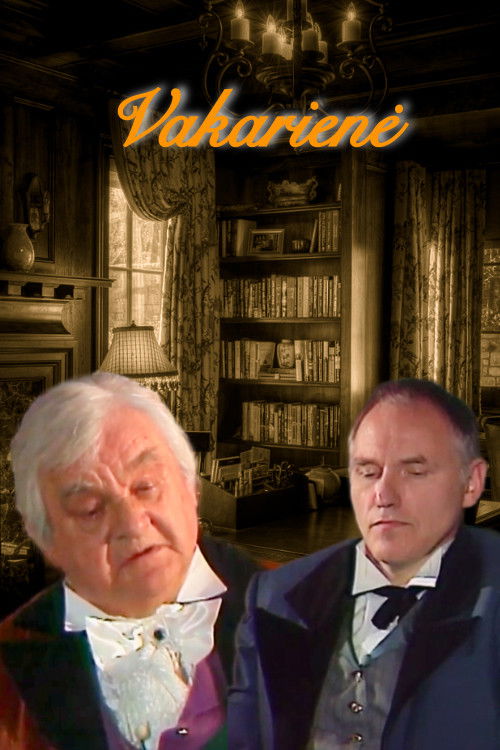
A dialogue between two historical personalities, during which a political transaction takes place and the moral face of both personalities is revealed.
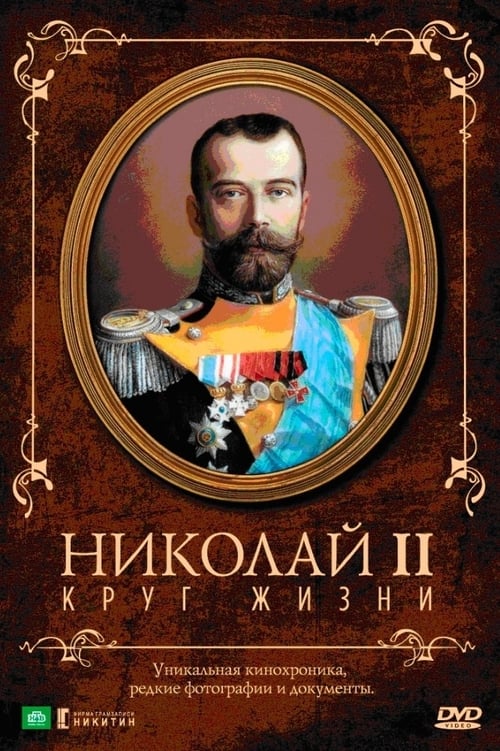
This documentary was created for the 130th anniversary of the birth of Nicholas II and the 80th anniversary of the execution of the royal family.
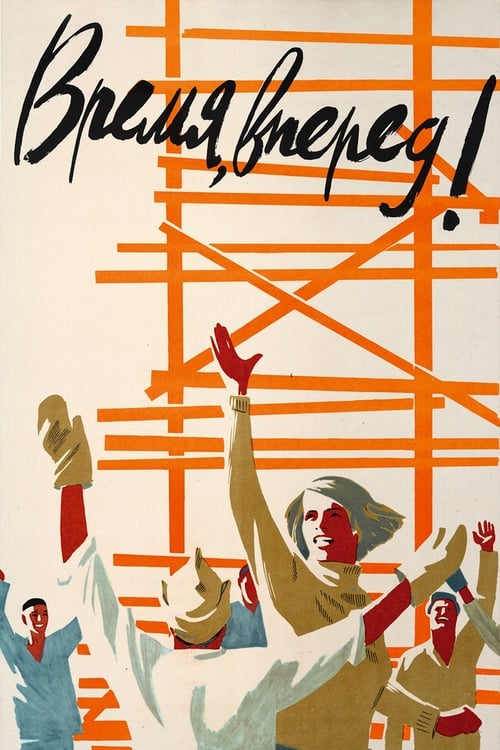
The film is set in the 1930s in the USSR. The film tells about one day of the construction of the Magnitogorsk Iron and Steel Works. The heroes of the film are simple construction workers who are burning at work. Upon learning that their colleagues in Kharkov have set a record, they mobilize to break it. The entire construction site was engulfed in immense socialist competition. The teams are ready to complete the work on time at any cost. A Moscow journalist who has come to cover the scale of the great construction project is looking for the hero of his report...