Protocol Archives • Browse all History titles in HD
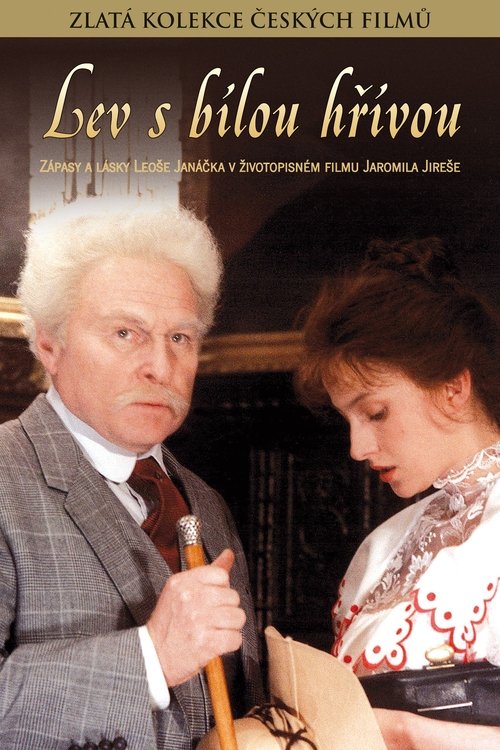
The film tells the exciting life of the great Czech composer Leos Janácek (1854-1928), also known by the thick silver hair that crowned his head and his strong character, which could overcome the adversities of fate.

Iliya the Knight of Murom, son of a peasant, was born disabled and was unable to walk until he turned 33. He then was miraculously healed and became a great warrior during his faithful service to Kniaz Vladimir Monomakh by fighting against invaders and helping Kniaz consolide Russianlands.
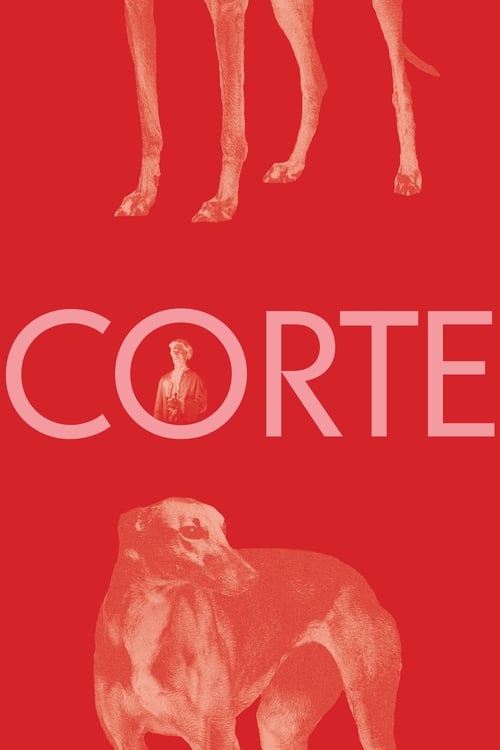
At the core of a royal court unbalanced by the long absence of its King, where women seem to have disappeared along with reason, the Crown Prince is murdered. Wrapped in the plot of the promoters of a decaying libertine spirit, the heir’s brothers, a pair of twins united by the music they play together and their Valet, witness a hunt for the prepetator launched by the palace doctor's deduction. In the background of all the chatter rises the individual desire of the twins for the dynasty.
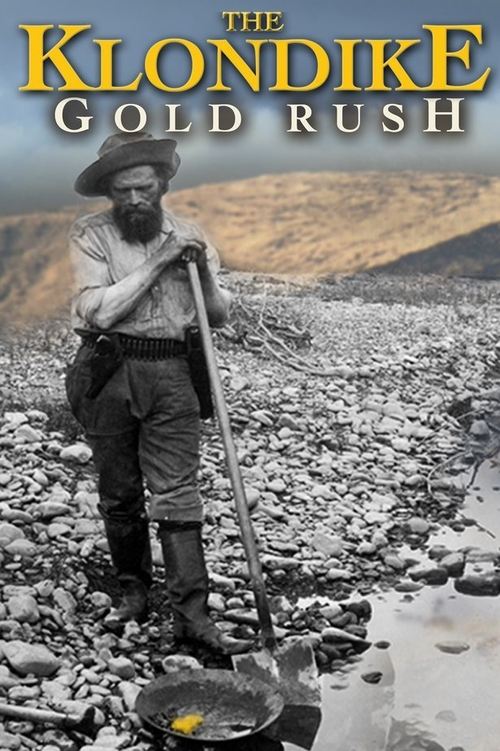
Renowned as the richest gold strike in North American mining history, the Klondike Gold Rush (1896-1899) set off a stampede of over 100,000 people on a colossal journey from Alaska to the gold fields of Canada's Yukon Territory. Filled with the frontier spirit, prospectors came and gave rise to what was one of the largest cities in Canada at that time - Dawson City. The boomtown, which became known as "the Paris of the North", earned the reputation as a place where lives could be revolutionized. Brought to life with excerpts from the celebrated book The Klondike Stampede - published in 1900 by Harper's Weekly correspondent Tappan Adney - and featuring interviews with award-winning author Charlotte Gray, and historians Terrence Cole and Michael Gates, The Klondike Gold Rush is an incredible story of determination, luck, fortune, and loss. In the end, it isn't all about the gold, but rather the journey to the Klondike itself.
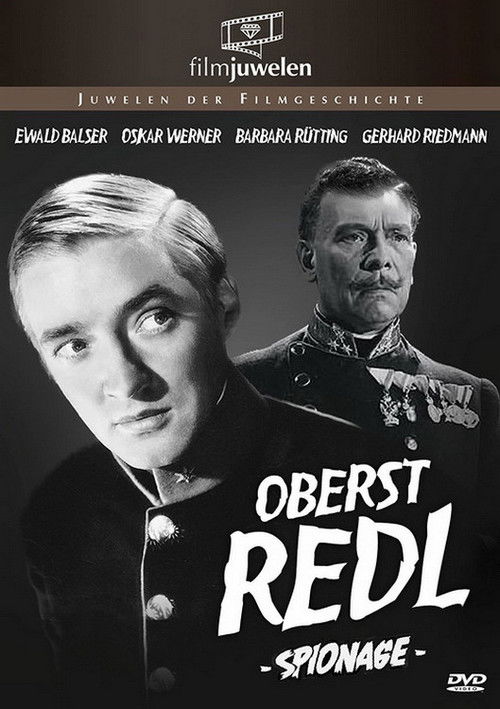
Oberst Alfred Redl heads the military intelligence department of the Austro-Hungarian monarchy. Frequent letters from the Russian Empire, however, make him suspect of sharing his knowledge with unauthorized authorities.
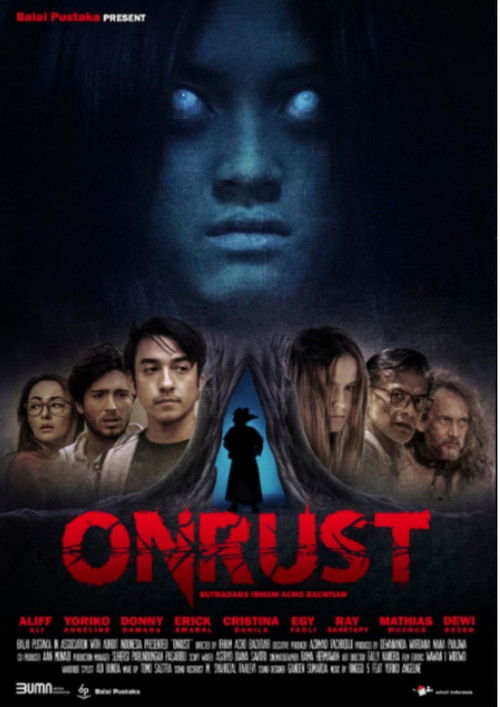
On a trip to the island of Onrust, Bramanto Putra discovered an ancient diary while idly looking for historical objects. It belonged to the lover of Maria Van De Velde, who disappeared under mysterious circumstances. Bram and another archeology student named Susan decide to do some research on the owner of the diary, leading to fatal consequences as they accidentally unleash a dark spell upon the island.
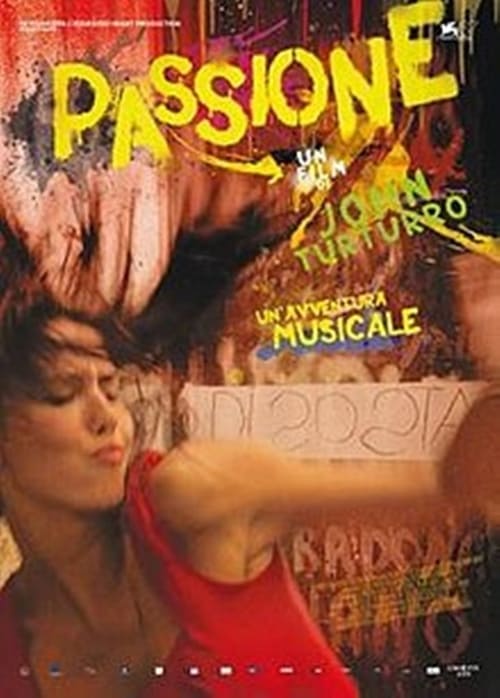
Songs and singers from Naples, musicians and poets, real and legendary characters are the protagonists of a film that crosses one of the most beautiful, famous and controversial metropolises in the world. An exceptional orchestra for a repertoire that speaks of love, sex, jealousy, immigration, protest.
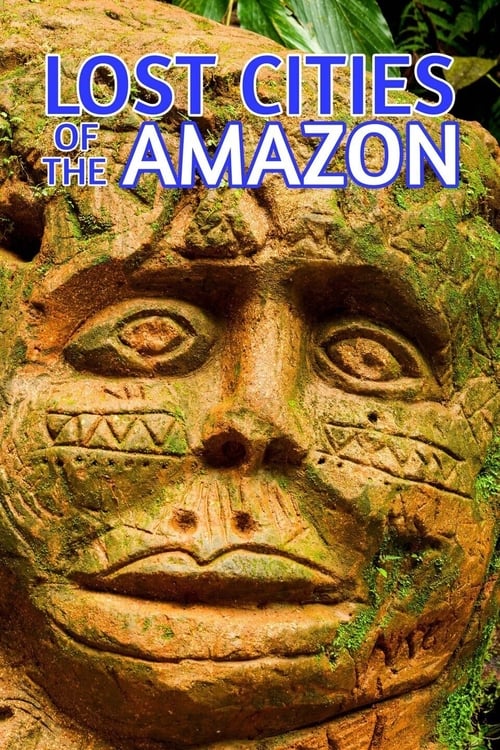
Over the centuries, explorers traded tales of a lost civilization amid the dense Amazonian rainforest. Scientists dismissed the legends as exaggerations, believing that the rainforest could not sustain such a huge population—until now. A new generation of explorers armed with 21st-century technology has uncovered remarkable evidence that could reinvent our understanding of the Amazon and the indigenous peoples who lived there. Using CGI and dramatic re-creations, National Geographic re-imagines the banks of the Amazon 500 years ago, teeming with inhabitants living in the Lost Cities of the Amazon.
Richard Parker is the lone remaining member of a Royal Observer Corps team, stationed deep underground, during an unidentified cataclysm. He spends his days battling with isolation, loneliness, fear of what waits above and his own memories.
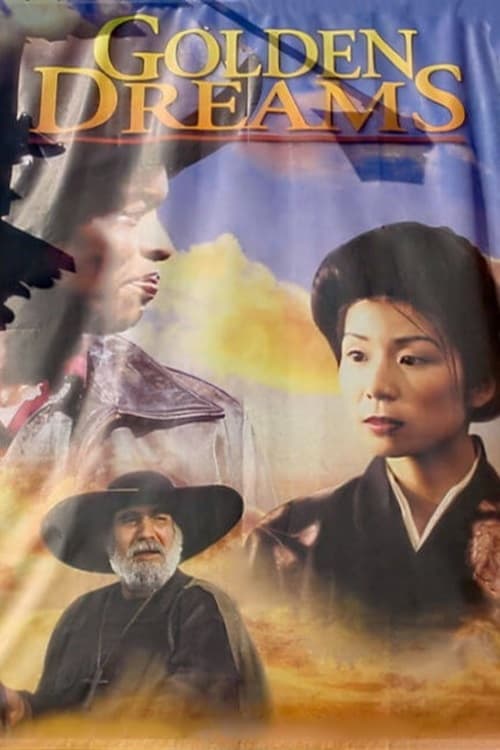
Califia, the Queen and spirit of California, gives the audience a quick and somewhat romanticized look at history of California, as well as trials and tribulations, but also hopes and dreams of its various ethnicites and cultures.
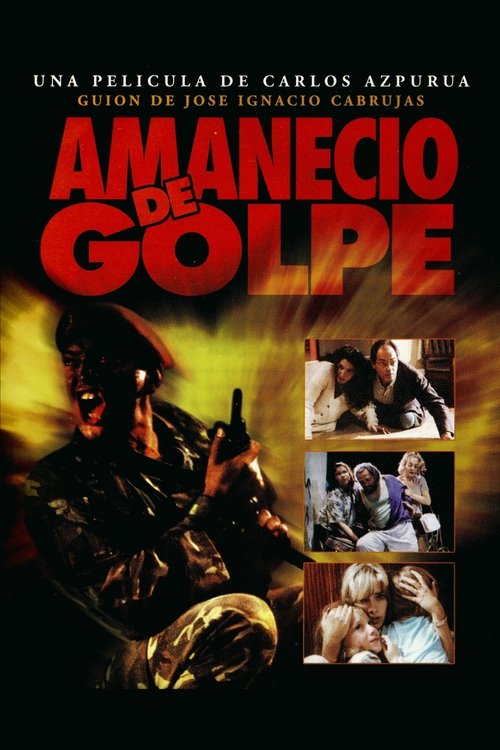
The film follows the events of the night of February 4, 1992 in Caracas, Venezuela. That night a group of military rebels staged a coup d'etat. Venezuelans found themselves as virtual prisoners. As the coup starts and fighting takes place from a military base which is in the center of the city's most affluent areas, with both luxury high rises and palatial mansions. The area of La Carlota provides a wealth of very interesting, often flamboyant and typical characters of the Latin America upper middle and upper classes. They are among the most affected. Various vignettes in these different characters' homes are developed. These people's reactions, lifestyles, vices, and humanity come out in a very honest fashion under duress.
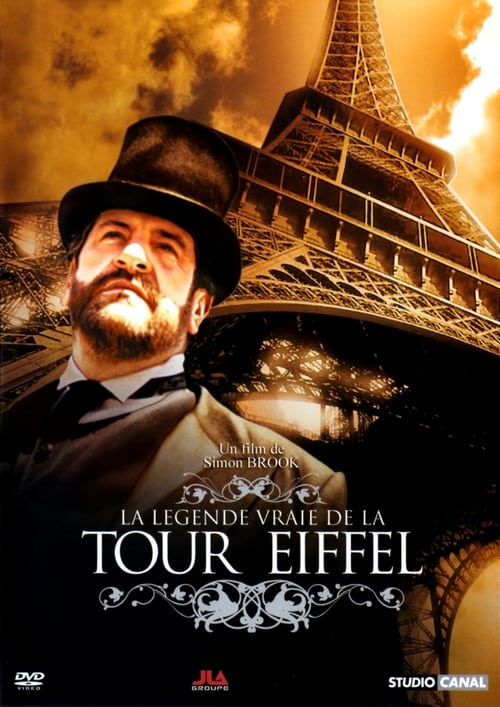
This movie is a docudrama relating the early history of the Eiffel Tower: From the planning to its first military use.

It is a biographical feature film on India's Highest Wartime Gallantry Award - Param Vir Chakra winner Subedar Joginder Singh. He fought three wars (as per records) for India before achieving martyrdom in the Sino-Indian War of 1962 while commanding a platoon in North Eastern Frontier Agency (NEFA) (Now Arunachal Pradesh). The story portrays his character and motivation in the scene of battle.
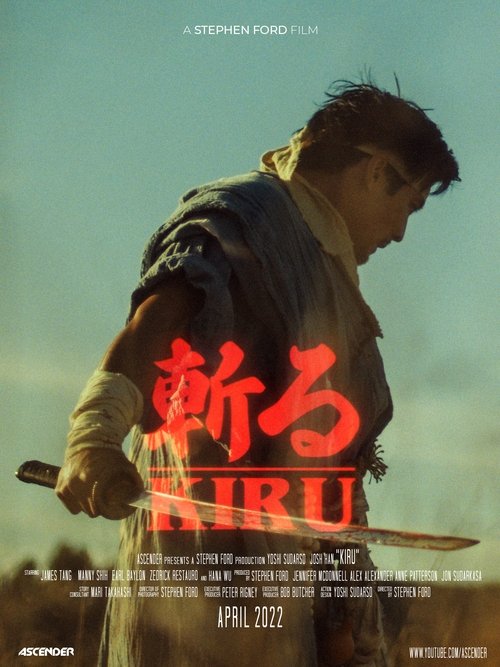
A Ghost Of Tsushima Short film

The story of those Italian women who, for eighty years, have fought against power in all its forms.
According to historian Fernando Martín Peña, this film was produced by Julio Tello's Argentine Cinematographic Union distributor and premiered at the San Martín Theater as if it were French "presumably for reasons of respectability." After the campaign against him by the Catholic newspaper El Pueblo, San Martín took it down from the billboard. On November 4 it was announced that the film would be shown again in a downtown theater and finally on November 7 the interim mayor Adrián Fernández Castro resolved the ban for "amoral".
Made famous by the 1957 Hollywood movie, the bridges of the River Kwai emblematize one of the most misunderstood events in history. Contrary to the romanticized film version, the structures represent a period of terror, desperation, and death for over 16,000 POWs and 100,00 local slaves. The Thailand - Burma Railway was the vision of the Japanese Imperial Army: a 250-mile track cut through dense jungle that would connect Bangkok and Rangoon. To accomplish this nearly impossible feat, the fanatical and ruthless Japanese engineers used POWs and local slaves as manpower. Candid interviews with men who lived through the atrocity - including Dutch, Australian, British, and American POWs - illuminate the violence and horror of their three-and-a-half-year internment. From Britain's surrender of Singapore the enduring force of friendship, The True Story Of The Bridge On The River Kwai narrates a moving and unforgettable account of a period in history that must be remembered.
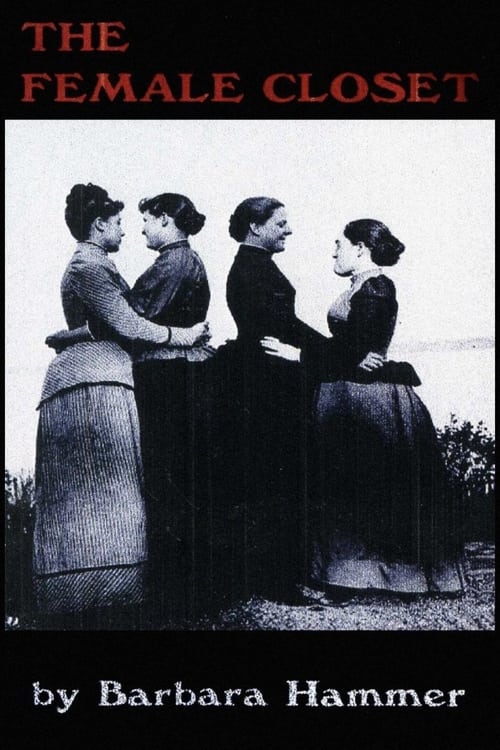
The Female Closet uses archival photographs, home movies, interviews, and other visual materials to explore the closeted lesbian stories of artists Alice Austen, Hannah Höch and Nicole Eisenman. Utilizing groundbreaking research, newly discovered home movies, and archival photographs, and other visual sources, The Female Closet is a cultural interrogation of the closeted and not-so-closeted lives of three women artists.
A priest and a scientist investigate 2,000 years of history, myths and metals to find out which of the three Holy Spears revered in the world today pierced the side of Christ on the cross.