Protocol Archives • Browse all History titles in HD

The trajectory of Antônio Carlos Bernardes Gomes, known as Mussum, from Trapalhões. His poor childhood, his military career, his relationship with Mangueira and his success with the group Originais do Samba, as well as behind the scenes as a member of Trapalhões.

The film is inspired by the record-breaking solo trip around the globe in a hot-air balloon made by the world-famous Russian explorer Fedor Konyukhov in July of 2016. Throughout his remarkable life, Konyukhov has proven time and time again that willpower, perseverance and faith can help overcome fear and doubt, and lead a person to triumph.

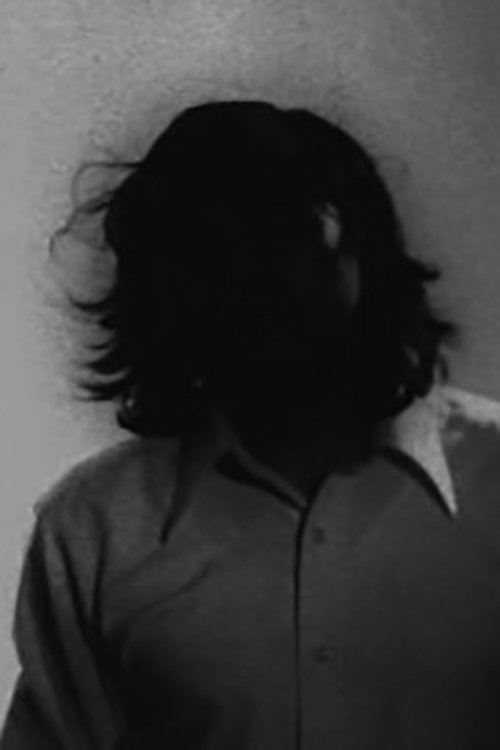
The Shinjuku district was the epicentre of Tokyo's art scene and the political fever pitch where protests took place on a regular basis during the 1960s. Jonouchi's compilation footage of the area defies documentary imagery and transforms itself into something altogether more poetically subjective, attempting to capture the chaos of the location through his camerawork and editing. In 1974, Jonouchi projected images of the past onto himself whilst reciting Dada-influenced and virtually inaudible poetry generating a cacophony of images and sounds, drawing from and participating in the maelstrom of political and artistic expression during the era.
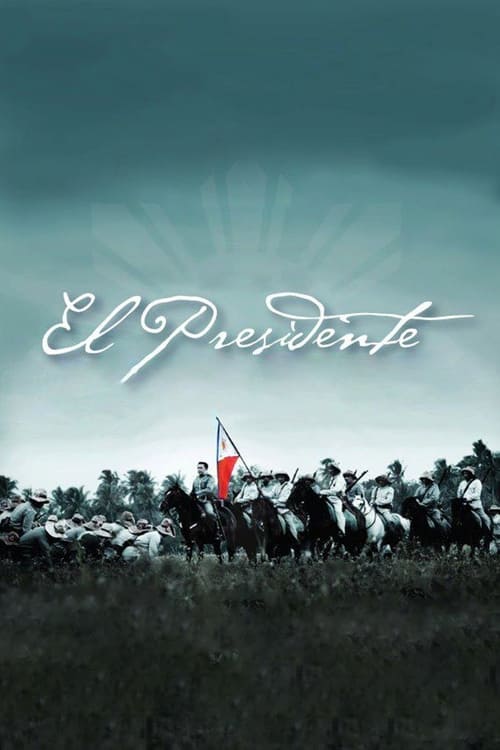
The film begins with his capture by Philippine and US forces under Frederick Funston's command in 1901, then flashes back to 1886, when an old woman gives Aguinaldo and his childhood friend Candido Tirona cryptic prophecies. Ten years later, Aguinaldo is inducted into the Katipunan and later assumes leadership of its Cavite chapter while becoming mayor of Cavite El Viejo. When the trouble breaks out in Manila in late August 1896, Aguinaldo tries to assure the Spanish provincial government of non-interference and covertly marshals his forces despite a lack of weapons. Learning that the Spanish mostly put their forces in Manila, Aguinaldo finally mobilizes his troops and take the command of the Katipunan forces in Cavite

A kaleidoscopic portrait of the English actress and singer Jane Birkin, heroine of pop culture.

This docudrama follows an imaginary news reporter who travels back in time to cover the days leading up to the Treaty of Waitangi's signing on 6 February 1840. Dropping the usual solemnity surrounding Aotearoa's founding document, it uses humour and asides to camera to evoke the chaos and motives behind the treaty. This clip features a confrontation between Hone Heke and representatives of the Crown.
A dramatized account of Denmark's first women's rights activist, Mathilde Fibiger. Based on letters and diaries, it depicts her life and views from the 1850s, when she published the controversial epistolary novel Clara Raphael, until 1872, when she died at the age of only 41.
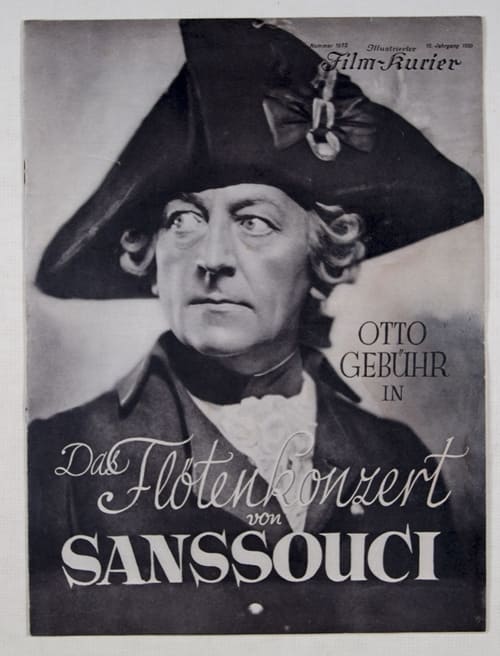
In 1756, a masked ball was officially celebrated in the Dresden Palais of the Saxon Minister Heinrich von Brühl. Unofficially, however, talks are taking place with the envoys of Austria, Russia and France with the aim of conspiring against the Prussian King Frederick II. The Prussian envoy, Major von Lindeneck, succeeded in bringing a copy of the concluded secret treaty to the Prussian king. Friedrich consults with his generals, who urge caution. Friedrich is stunned by the reaction and now develops a counter-plan. To do this, he sends von Lindeneck back to Dresden. However, the latter is not very enthusiastic about this, as he thinks he has reason to doubt his wife Blanche's marital fidelity, and he now has to leave her alone.
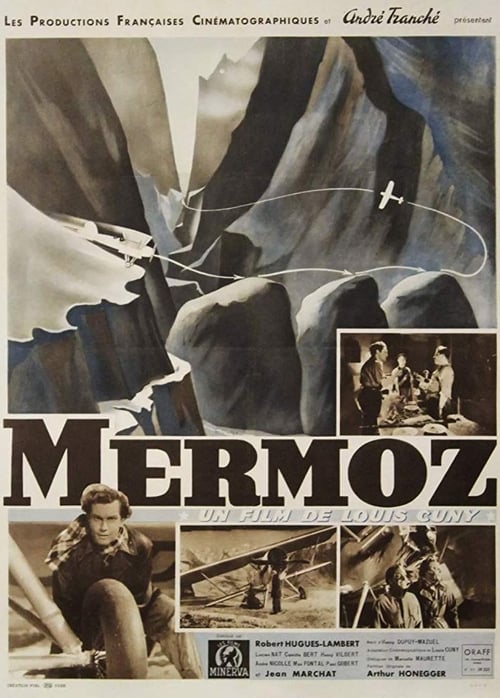
Biography and apology of the famous pilot, nicknamed by some the Archangel, who organized the airmail network of South America, flew the first over the Andes Cordillera, maintained the mystique of the South Atlantic, militated in the Crosses of Fire and perished at the controls of "La Croix du Sud" during its twenty-fourth crossing.
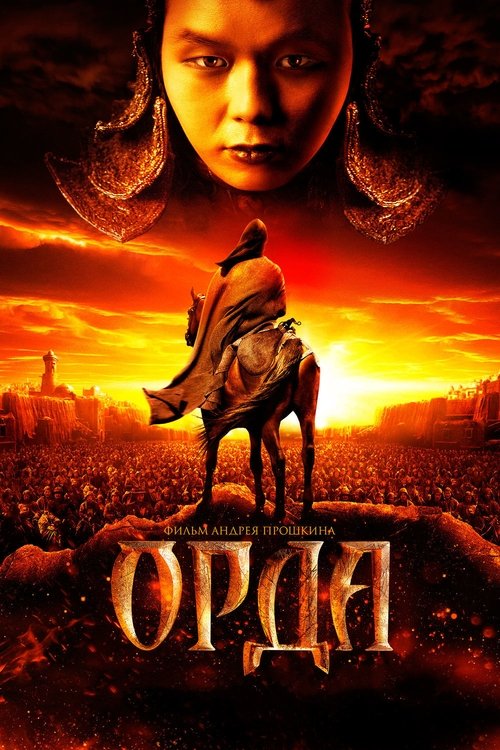
It is the word "horde" that had meant, for many countries and nations, bloody raids and being under humilating contribution for centuries - a strange and scary world with its own rules and customs. To be or not to be for Rus (Ruthenia), that is the price of the one-man mission as he is departing to this world to accomplish a feat. The film tells the story of how Saint Alexius, the Metropolitan of Moscow and Wonderworker of All Russia, healed the Tatar Queen Taidula, Jani-Beg's mother, from blindness, in 1357.

Victim of a terrible plot, Captain Dreyfus was sentenced in December 1894 to deportation for high treason. His wife Lucie made a pact with him: to live, whatever the cost, while awaiting rehabilitation. During five years, the Dreyfus spouses exchanged hundreds of letters. They became a weapon of survival for Alfred. This film is the story of the correspondence of a man and a woman who unwittingly became the unsung heroes of the case that bears their name.
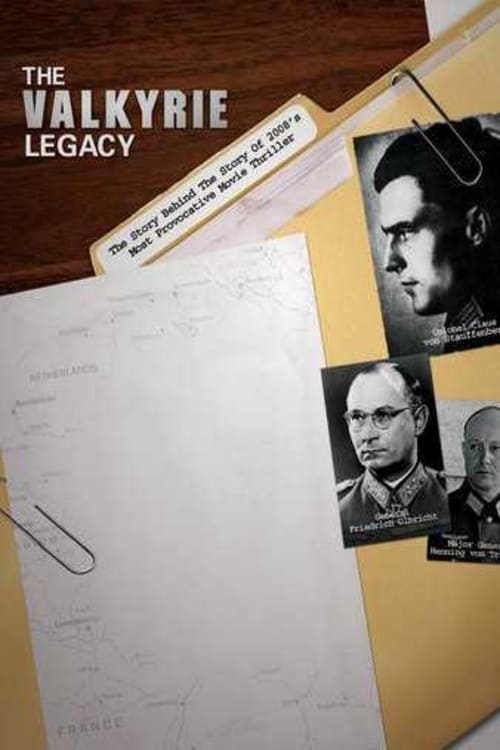
Created as a companion documentary to the film "Valkyrie," this documentary details the true story behind the plot to assassinate Adolph Hitler.
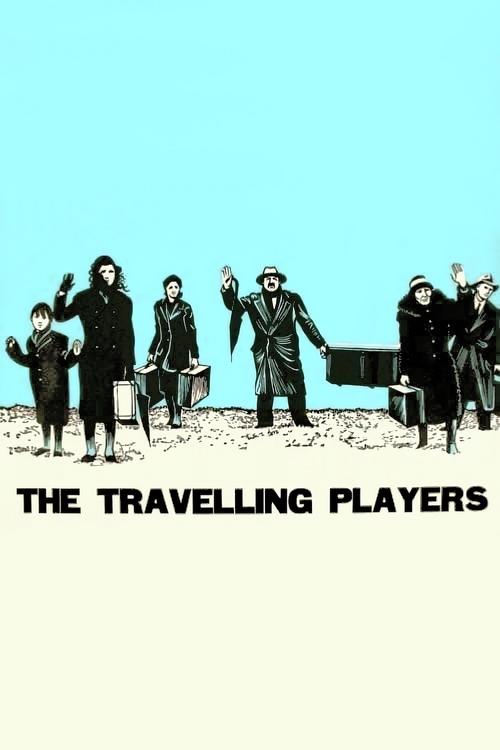
A traveling theatre troupe tours the Greek countryside from 1939 to the early 1950s, staging “Golfo the Shepherdess”. As the years pass, its members endure persecution, betrayal, executions, and exile. Their personal stories become entangled with the country’s major historical events, in a seemingly endless cycle of violence and loss.
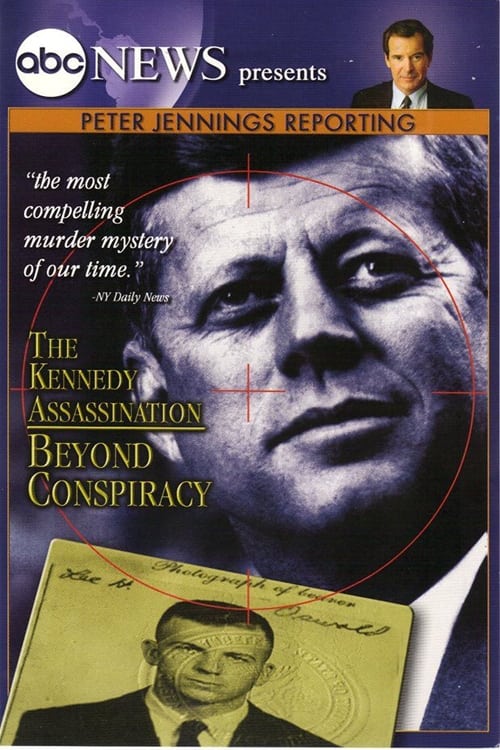
Forty years after the assassination of John F. Kennedy, more than 80% of Americans still believe that Lee Harvey Oswald did not act alone. This documentary attempts to separate fact from conspiracy theories to get to the truth, employing stunning forensic technology that makes it possible for the first time to be an eyewitness to this crime of the century – to see precisely what happened that November day in Dallas.
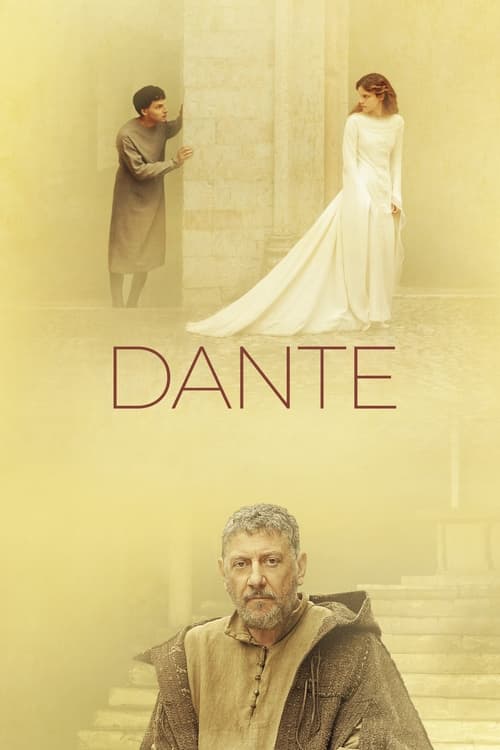
The tormented life of Dante Alighieri, from solitary childhood to death in exile, seen through Giovanni Boccaccio’s journey to rehabilitate his memory.