Protocol Archives • Browse all History titles in HD
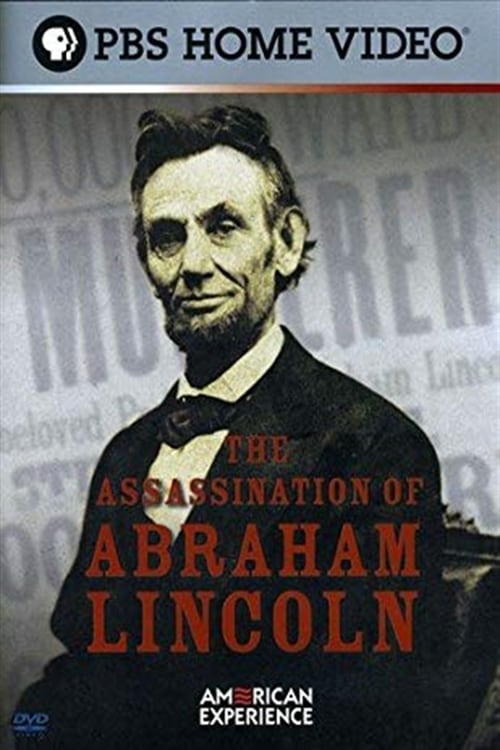
Just days after the Civil War ended, President Abraham Lincoln was assassinated at Ford's Theatre. As a fractured nation mourned, a manhunt closed in on his assassin, the twenty-six-year-old actor, John Wilkes Booth. The Assassination of Abraham Lincoln tracks the converging paths of the president and his killer, then tracks and draws connections between their last journeys, in the forms of Lincoln's funeral train route and Booth's desperate efforts to escape.
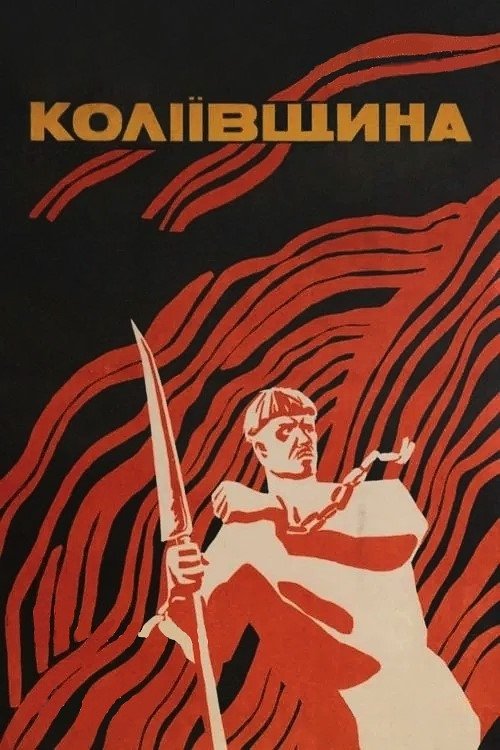
An episode of the liberation movement in Ukraine - the uprising of Kolievs (serfs, artisans and fishermen) against the tyranny of the feudal lords and the Polish nobility, which ended with a brutal massacre performed by a Russian punitive expedition in 1768.
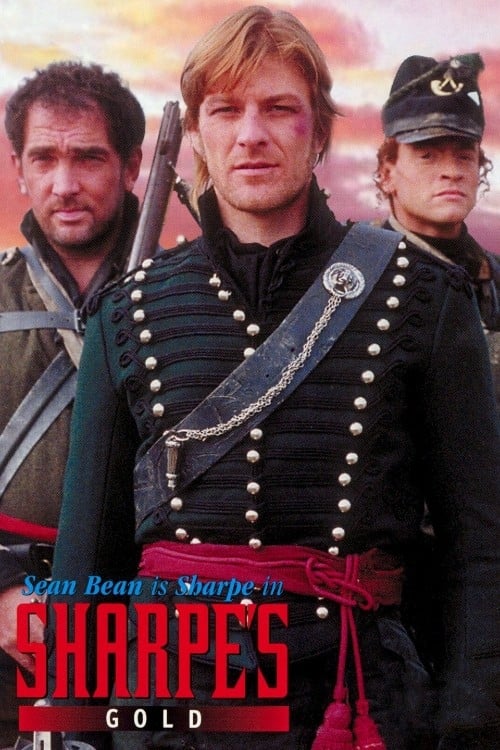
Spain, 1813. The dashing and heroic Major Richard Sharpe pits his wits against El Casco, a terrifying partisan leader who has a chilling way of dealing with his enemies. Sharpe's mission, to trade guns for deserters, is imperilled by the beautiful and desirable Ellie, who follows him into the hills where there is rumoured to be hidden Aztec gold.
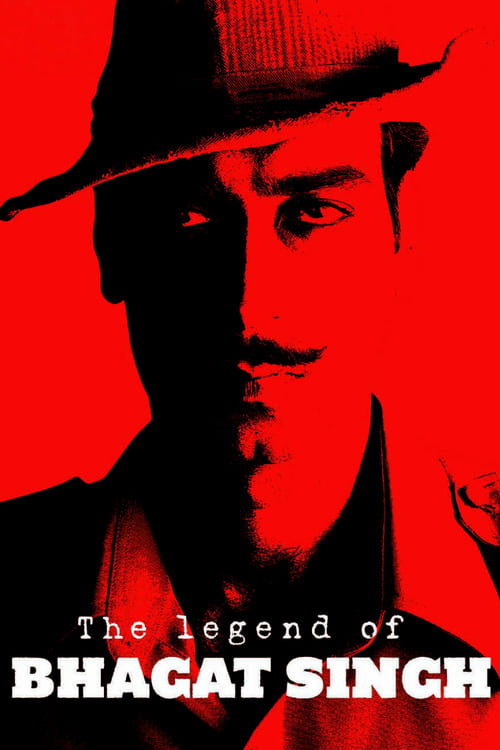
Born in British India, Bhagat Singh witnesses numerous atrocities during his childhood and grows up to become one of the most fearless freedom fighters in the country.
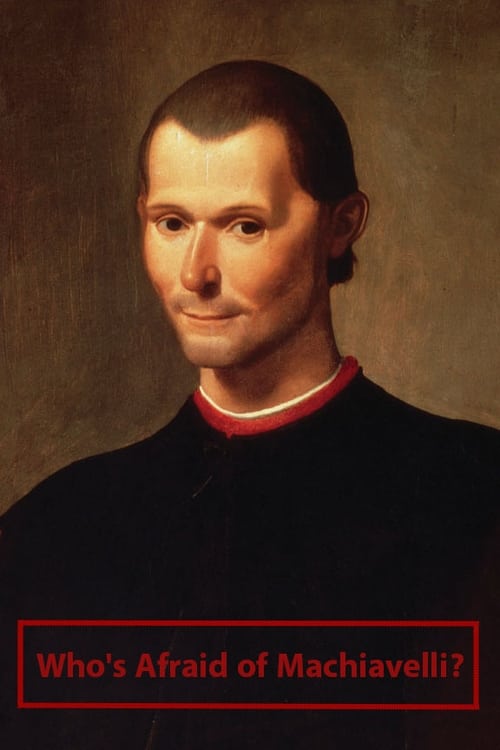
Famous for lines like 'It is better to be feared than loved', Machiavelli's notorious book, The Prince, has been a manual for tyrants from Napoleon to Stalin. But how relevant is The Prince today, and who are the 21st century Machiavellians?
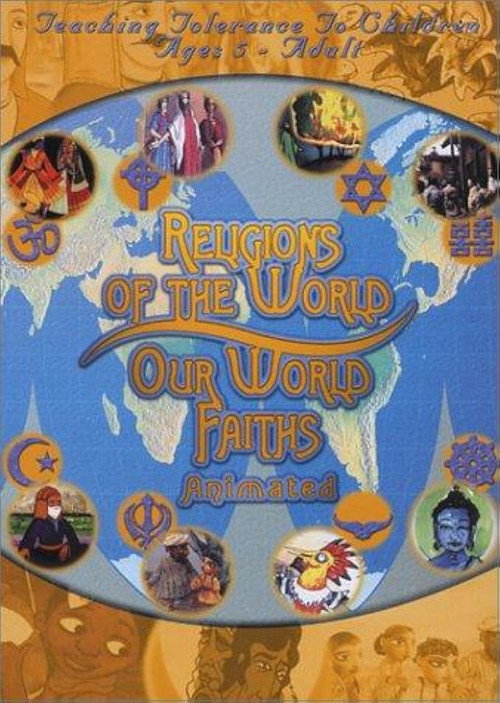
The life story of Prince Siddhartha Gautama, who later became known as Shakyamuni Buddha (the Buddha), from the time of his birth until he entered Nirvana.

Filmed in 1999, Universal Groove explores 90s rave culture through eight diverse characters seeking escape and self-discovery amidst drugs and dance, offering a nostalgic journey into the underground party scene of the era.

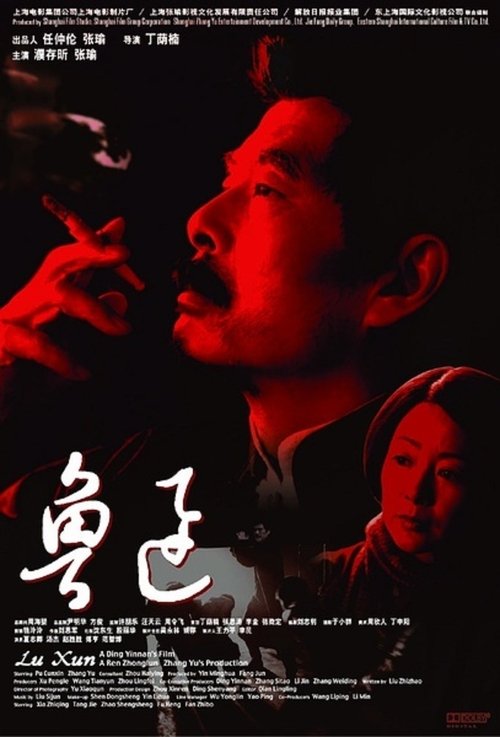
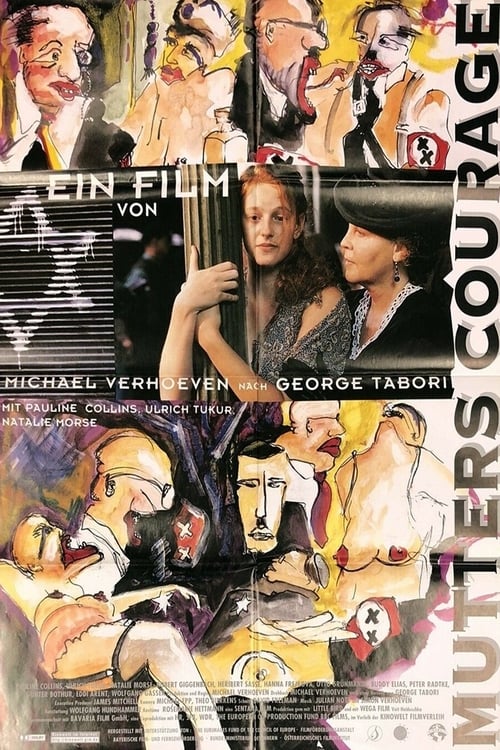
The deportation of 4000 Jews from Budapest to Auschwitz in July 1944, as told by George Tabori, and how the narrator’s mother escaped it, owing to coincidence, courage and some help from where you’d least expect it.
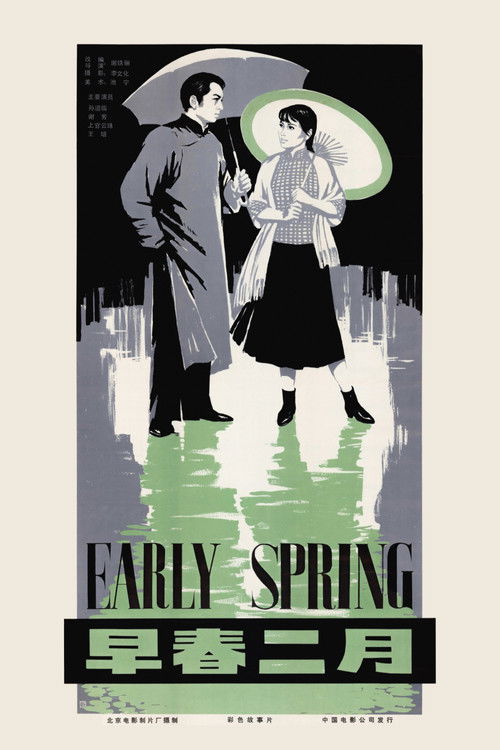
An idealistic youth moves to the countryside in search of a purer, more honest society, but finds injustice even in his remote village.
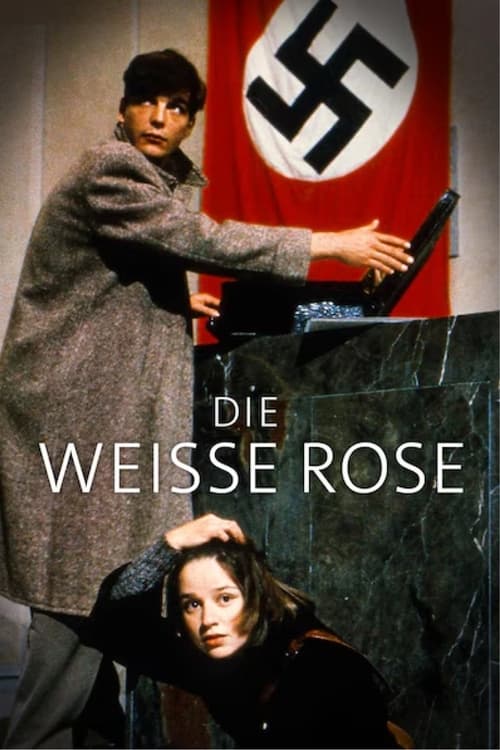
During the Second World War, a small group of students at Munich University begin to question the decisions and sanity of Germany's Nazi government. The students form a resistance cell which they name the "White Rose" after a newsletter that is secretly distributed to the student body. At first small in numbers and fearful of discovery, the White Rose begins to gain massive support after a Nazi Gauleiter nearly incites a student riot after a provokative speech. At this point, the matter is taken over by the German Gestapo, who pledge to hunt down and destroy the members of the White Rose.
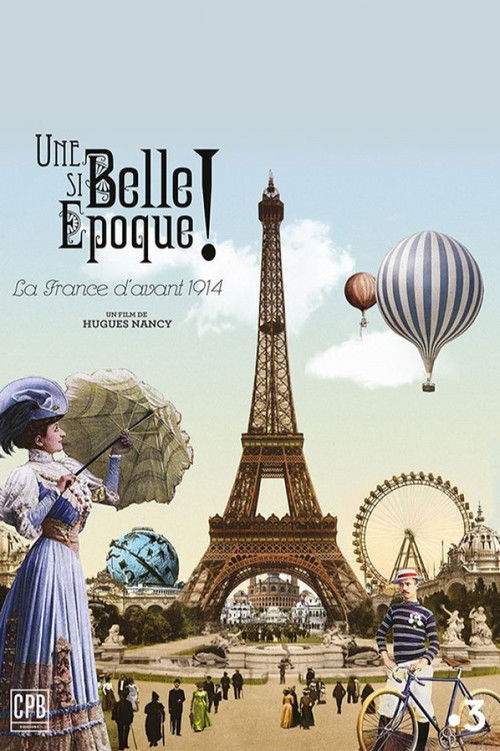
In 1900, the eyes of the whole world are on Paris. The World's Fair welcomed 50 million amazed visitors, and the city celebrated itself in a glamorous era. This period went down in history as the "Belle Époque." Elaborately restored and colorized historical photographs bring to life the exciting life in Paris between the end of the 19th century and the beginning of World War I in 1914. Bicycles, cars, airplanes, moving pictures, newly founded film studios, revolutionary composers and painters, avant-garde ballet performances, fashion houses, summer resorts on the Atlantic coast – life was intoxicating. People celebrate in the variety shows, cabarets, and revue theaters of Paris. Moulin Rouge, Folies Bergères, Bal Tabarin—in Paris, the nights are long and life is too short to sleep through. It is a dance on the volcano, given the political developments in the world.
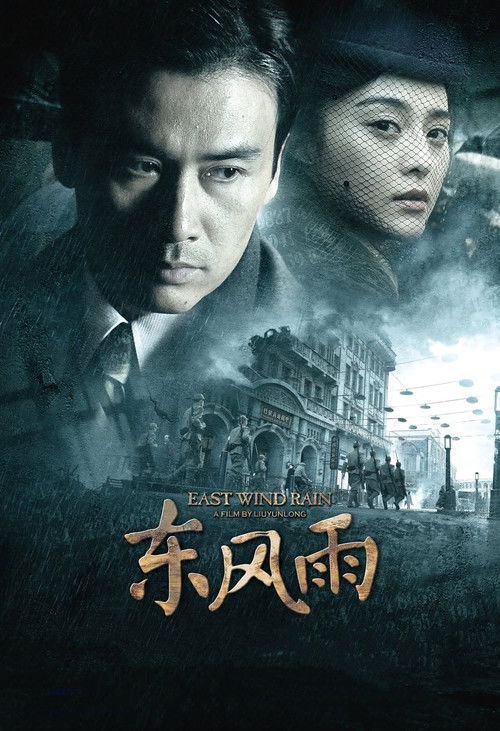
Year 1941, a roll of film is delivered to Shanghai and a Chinese spy named Gong An Ming (Liu Yun Long) must decide what he should do with the film, which turns out containing a great secret that could shock the whole world. He discovers the plan code named 'East Wind Rain' and passes the information to the American that their territory will soon be invaded by the Japanese. The code is aired during the weather report from Radio Tokyo on Dec 4, 1941. While in Shanghai An Ming meets with a singer cum pianist, Huan Yan (Fan Bing Bing) and falls in love with her, not realizing that she is also one of the spies. Soon An Ming realizes that his effort found no success and have been ignored due to some reason. And now by risking his own life he must also decide whether to make Huan Yan his lover or his enemy? Will the Japanese attack Pearl Harbor in the end? Which country is Huan Yan working as a spy for? Will An Ming get caught by his enemy?
A retrospective analysis of the causes and consequences of the catastrophic accident at the Chernobyl nuclear power plant in Ukraine on April 26, 1986.
Dominican friar Etienne de Bourbon visits a 13th-century French village in search of heretics for the Inquisition. Despite the opposition of the local priest and the indifference of the villagers, he finds a seemingly perfect suspect: a young woman who lives in a forest outside the village and cures people with herbs and folk remedies. In the process, he discovers the cult of the greyhound "Saint" Guinefort, and confronts his own troubled past.
Based on the life of the notorious thief Nageswara Rao, who was the most wanted thief of south India& managed to evade the authorities on several occasions in the 1970s, earning him the moniker of 'Tiger.'
Japan blossomed into its Renaissance at approximately the same time as Europe. Unlike the West, it flourished not through conquest and exploration, but by fierce and defiant isolation. And the man at the heart of this empire was Tokugawa Ieyasu, a warlord who ruled with absolute control. This period is explored through myriad voices-- the Shogun, the Samurai, the Geisha, the poet, the peasant and the Westerner who glimpsed into this secret world.
Richard Parker is the lone remaining member of a Royal Observer Corps team, stationed deep underground, during an unidentified cataclysm. He spends his days battling with isolation, loneliness, fear of what waits above and his own memories.

The incredible story of Bruno Lüdke (1908-44), the alleged worst mass murderer in German criminal history; or actually, a story of forged files and fake news that takes place during the darkest years of the Third Reich, when the principles of criminal justice, subjected to the yoke of a totalitarian system that is beginning to collapse, mean absolutely nothing.