Protocol Archives • Browse all History titles in HD
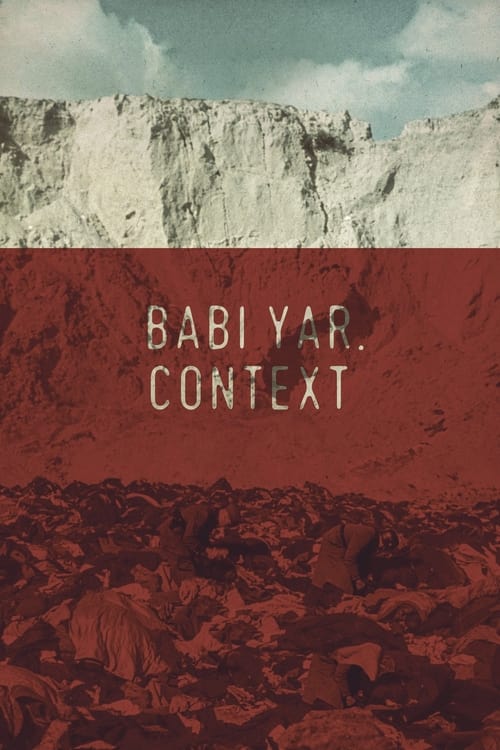
Nazi troops massacre 30,000 Jews over a three-day period in September 1941. Babyn Yar ravine in Kyiv, Ukraine.


Meet Patrice Jetter, a beloved school crossing guard in her New Jersey town. She carries herself with uncommon optimism and vigour despite, as a disabled person, constantly having to navigate a world that was not built with her in mind. She has a passion for figure skating, model trains, and making art of all kinds.
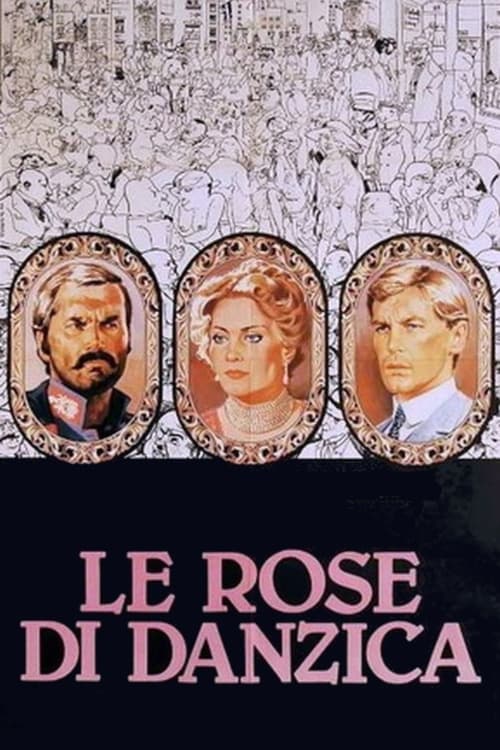
The plagued climate of the era is realized in the encounter and later in the friendship between the general Konrad Von Der Berg, who refused to command a ruthless suppression of opponents and from whose diary the story is drawn, and Eric Von Lehner Baron, who has orders to escort Von Der Berg to a prison camp.
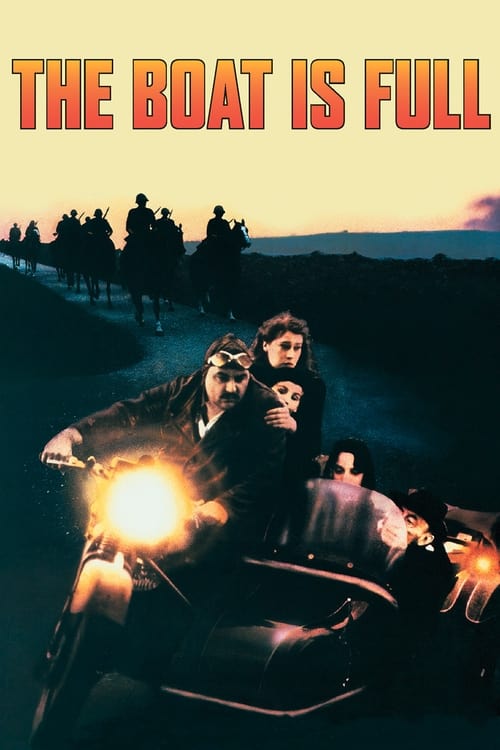
During World War II, Switzerland severely limited refugees: "Our boat is full." A train from Germany halts briefly in an isolated corner of Switzerland. Six people jump off seeking asylum: four Jews, a French child, and a German soldier. They seek temporary refuge with a couple who run a village inn. They pose as a family: the deserter as husband, Judith as his wife, an old man from Vienna as her father, his granddaughter and the French lad, whom they beg to keep silent, as their children. Judith's teenage brother poses as a soldier. The fabrication unravels through chance and the local constable's exact investigation. Whom will the Swiss allow to stay? Who gets deported?
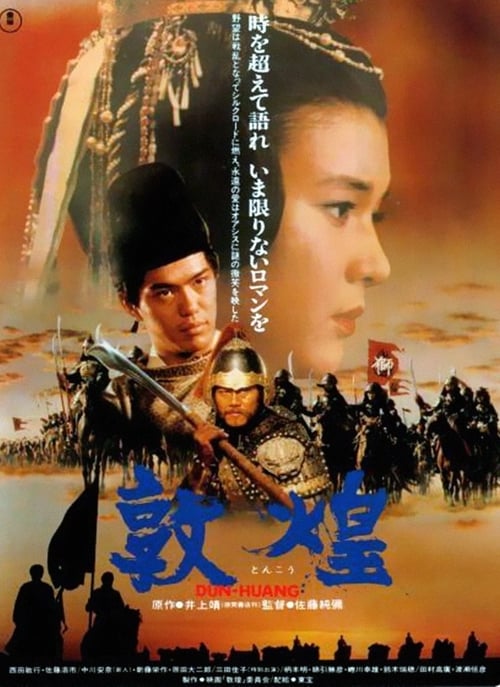
In 1026, students in western China are shanghaied into the forces of crown prince Li Yuanhao of Xi Xia, who wants to control the length of the Silk Road. One student is Zhao Xingde, who becomes the favorite of his commander, Zhu Wangli. While sacking a fortress, Xingde discovers Tsurpia, princess of the Uighur. He hides her; they fall in love. When he's sent away to study Xixian, he leaves Tsurpia in Zhu's care, but returns to find her engaged to Li. Tragedy follows, and he and Zhu enter a pact to take revenge when Li arrives at Dun-Huang, the region's seat of learning and culture. Against overwhelming odds, they find a surprising way to leave a monument to their life and love.
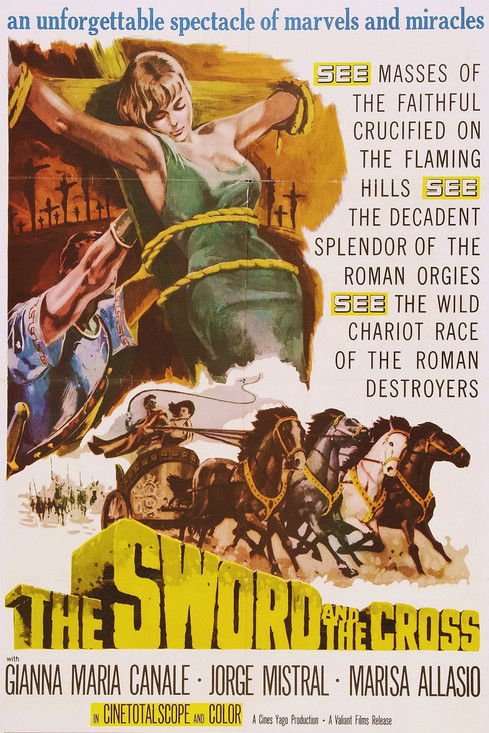
Sold as slaves to a wealthy Roman, Lea and Esther, two Carthaginian sisters, are offered as gifts to the ambitious daughter of a proconsul and end up involved in spite of themselves in a dangerous game of power.
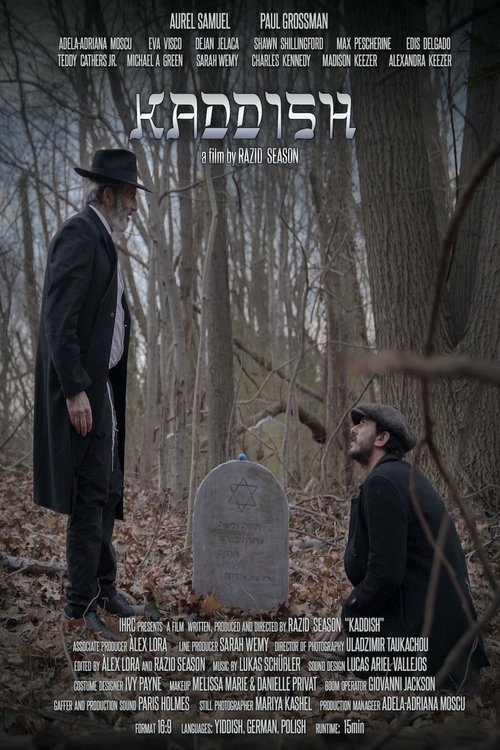
The emotional journey of a young Ashkenazi who attempts to visit his mother's grave on Yahrzeit during the Holocaust.

Stall-Erik och snapphanarna is a Swedish film project that began filming in 1996 with a preliminary premiere in 2025. Director, producer and lead actor is Anders Olofsson. Olofsson is entirely responsible for the financing of the project and the casting.

An extensive interview with Palmer house owner and one-time Twin Peaks performer Mary Reber, with newly unearthed history and information about the home, and the behind the scenes surrounding the iconic location.

Cicely Tyson was Emmy-nominated as Outstanding Actress for her portrait of a Chicago schoolteacher whose remarkable achievements with black children labelled "unteachable" were spotlighted in a 1979 "60 Minutes" segment about how she became disillusioned with the traditional school system and decided to work outside of it, transforming her students into young scholars through her unique teaching style.
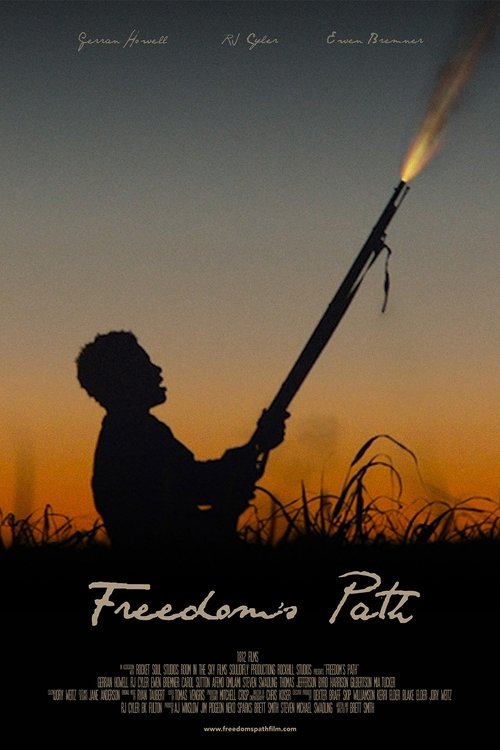
A Union soldier flees from battle and is rescued unexpectedly by free Black man Kitch and his friends. Risking everything, Kitch takes William deep into the woods to the safety of his adopted home. It's here that William discovers Kitch is a part of secret community of freed slaves, who run a portion of the Underground Railroad. When a ruthless and desperate slave catcher discovers the underground network, he conspires to bring it burning down to the ground.

Before his legendary proto-cinematic studies in motion, photographer Eadweard Muybridge was commissioned to document the United States Army’s war against the Modoc tribe in Northern California in a series of stereographs, many of them staged. Alternately unnerving, meditative, and explosive, Adam Piron’s Black Glass examines the entangled histories of visual technology and the genocide and expropriation of Indigenous populations by white settlers through a violent collision of image and sound.
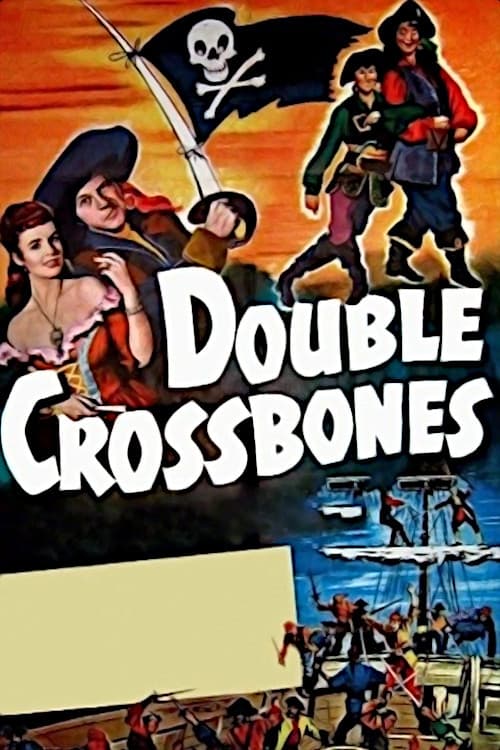
Falsely accused by the corrupt Governor Elden of Charleston of fencing stolen pirate booty, young Davey Crandall and friend Tom Botts buy passage on the ship of local buccaneer Bloodthirsty Ben. They avoid being killed by faking a case of the pox, which causes the panicked captain and crew to desert the ship. The two find themselves alone, and when a lucky cannon shot hits a mast on a British ship, they find themselves mistaken for pirates. They sail to Tortuga, where they recruit such notorious corsairs as Henry Morgan, Captain Kidd, Anne Bonney, and Blackbeard to lay siege to Chaleston and expose the villain Elden.
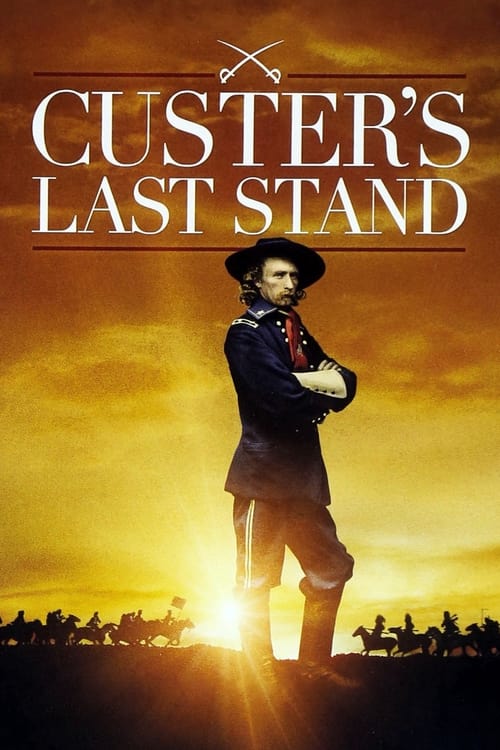
Follow General George Armstrong Custer from his memorable, wild charge at Gettysburg to his lonely, untimely death on the windswept Plains of the West. On June 26, 1876, Custer, a reputation for fearless and often reckless courage ordered his soldiers to drive back a large army of Lakota and Cheyenne warriors. By day's end, Custer and nearly a third of his army were dead.

Based on a true story, renowned Korean poet, Yun Dong-ju, is detained and abused by the Japanese for participating in the Korean Independence Movement.

Doomed attempt to get to California in 1846. More than just a riveting tale of death, endurance and survival. The Donner Party's nightmarish journey penetrated to the very heart of the American Dream at a crucial phase of the nation's "manifest destiny." Touching some of the most powerful social, economic and political currents of the time, this extraordinary narrative remains one of the most compelling and enduring episodes to come out of the West.

The true story of Polish fortunes and the story of the heroes from the first part has its colorful continuation. Can business friends continue to trust each other when even more money is at stake? How were state-owned companies privatized, garnering millions into private pockets? Who was pulling the strings in free Poland? Even more mysteries. Human weaknesses.
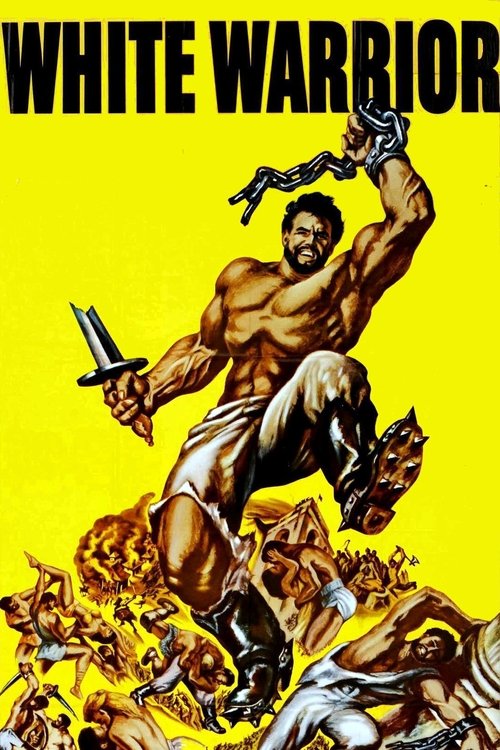
The story of Hadji Murad, a 19th-century Chechen chieftain who led his warriors in a fight against the invading forces of the Russian Czar.