Protocol Archives • Browse all History titles in HD
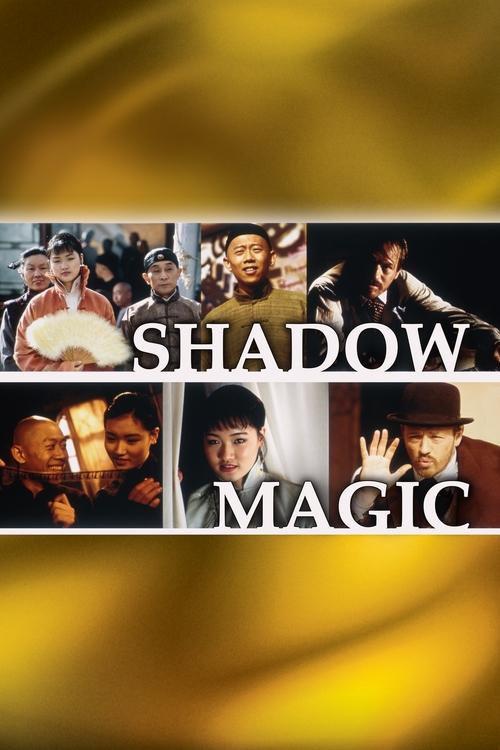
Beijing, 1902: an enterprising young portrait photographer named Liu Jinglun, keen on new technology, befriends a newly-arrived Englishman who's brought projector, camera, and Lumière-brothers' shorts to open the Shadow Magic theater. Liu's work with Wallace brings him conflict with tradition and his father's authority, complicated by his falling in love with Ling, daughter of Lord Tan, star of Beijing's traditional opera. Liu sees movies as his chance to become wealthy and worthy of Ling. When the Shadow Magic pair are invited to show the films to the Empress Dowager, things look good. But, is disaster in the script? And, can movies preserve tradition even as they bring change?

An account of the last two centuries of the Anthropocene, the Age of Man. How human beings have progressed so much in such a short time through war and the selfish interests of a few, belligerent politicians and captains of industry, damaging the welfare of the majority of mankind, impoverishing the weakest, greedily devouring the limited resources of the Earth.
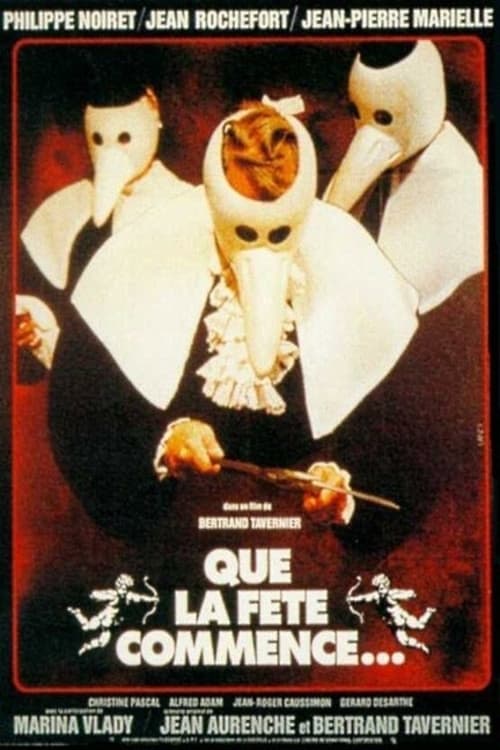
A look at 18th-century France, when the depravity of the authorities contributed to social oppression, and the uprisings flared up one after another.
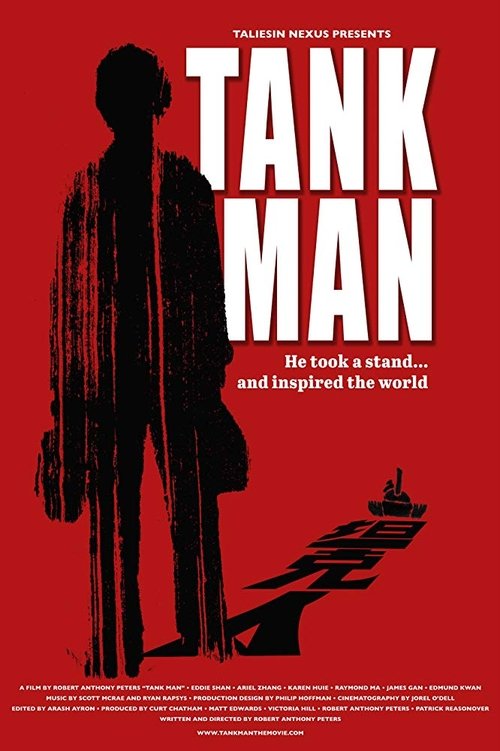
The story of the unknown man who 30 years ago stood up to brutality of his government in a way that continues to inspire and defined resistance to tyranny for a generation.
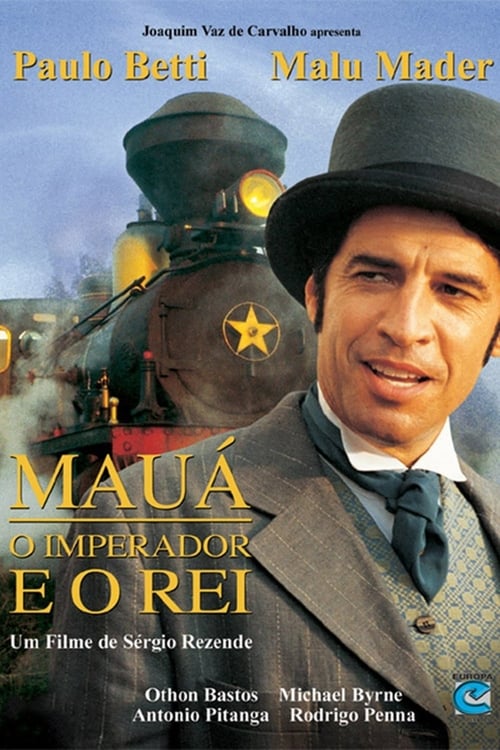
A movie about a Brazilian entrepreneur who rivalled American's richest man at his time, well-known Rockfeller. Irineu Evangelista de Souza in 1867 had $155.000 contos de reis, meanwhile the Brazilian Governement annual budget was 97.000 contos de reis. The movie shows his life from poverty to riches and back to poverty again, as is common in Brazil, rich people die poor.
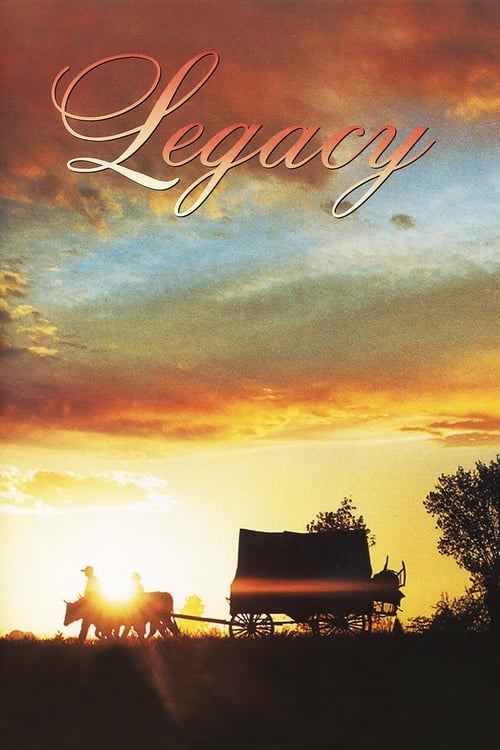
A portrayal of the early Latter-day Saints' joys, sacrifices, hopes, and trials; their epic journey to the Salt Lake Valley; and their legacy of faith in Jesus Christ.
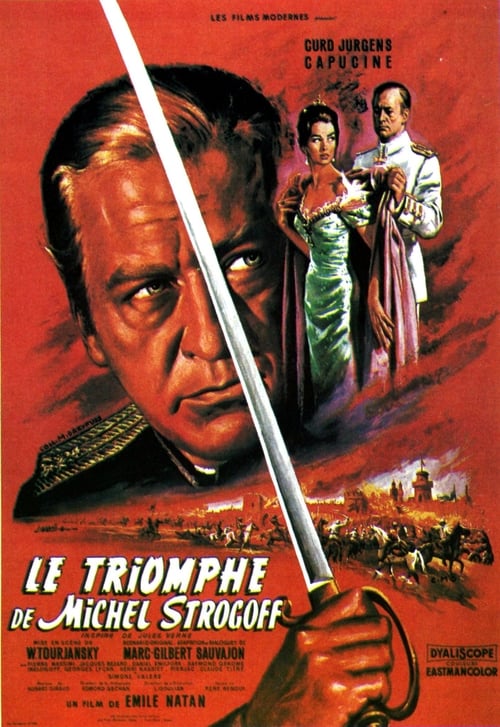
In this adaptation of the Jules Verne novel, the Czarina asks an intrepid colonel to protect her nephew as he fights an invasion in 19th century Russia.
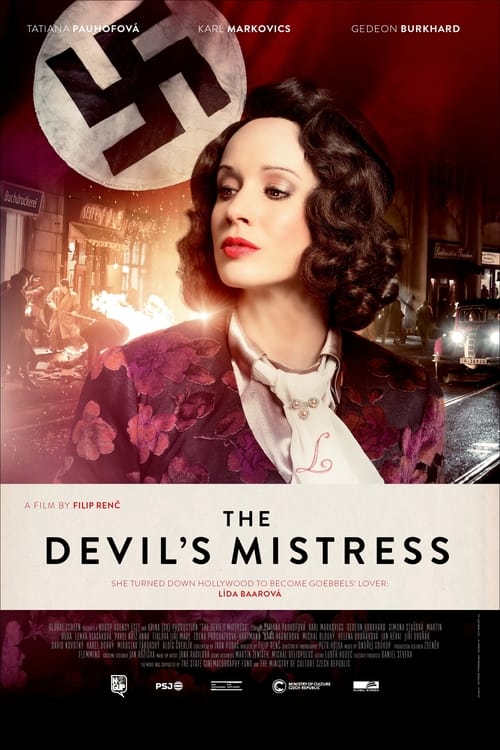
Salzburg, Germany, 2000. The elderly Czech actress Lída Baarová tells a journalist the tumultuous story of her rise to fame in 1930s Berlin and her passionate relationship with the sinister Joseph Goebbels, Minister of Propaganda of the Third Reich.
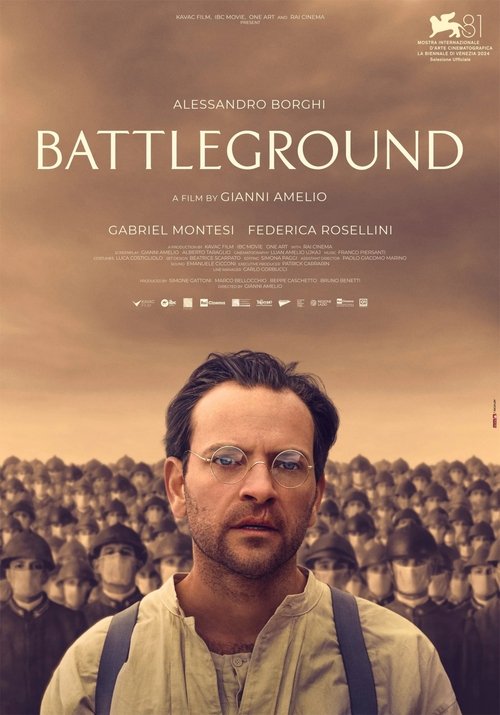
These are the years of the First World War and Dr. Stefano Zorzi spends his days in the Exemption Clinic in a large city of Northern Italy, where he not only takes care of soldiers who arrive from the massacre of the front, but also he fights simulation and self-harm of those who hope to be dispensed, by sending them before the Military Court. If Stefano, in fact, does his utmost to heal soldiers and send them back to fight, Dr. Giulio Farradio makes them ill, or helps them to self-injure seriously enough to be exonerated. The two doctors, who went to university together and were great friends, they not only (secretly) challenge each other on a professional level, but also on the sentimental one: they are both linked to Anna, a courageous nurse with a strong character. But when the great ‘Spanish’ fever epidemic arrived in 1918, the time for love, politics and science ends up getting confused dangerously...

In 1968 Dennis Wilson of The Beach Boys met a dynamic and passionate singer/songwriter and introduced him to Hollywood. The two set out to record that artist's first professional album. The album became known as LIE. In 1969 this artist achieved incredible fame, but not for his music. The artist's name was Charles Manson.

The documentary summons remembrances and memories of the fateful days in September 1974 when about 1,500 men from Malisbong and neighboring villages in Palimbang, Sultan Kudarat, were killed while 3,000 women and children were forcibly taken to naval boats stationed nearby, where they encountered unspeakable horror. For 40 years, the survivors lived in relative silence, and now, they tell their stories.

The story centers around the life and friendship of the 689 Trio (songwriter Nakamura Hachidai, lyricist Ei Rokusuke and singer Sakamoto Kyu).
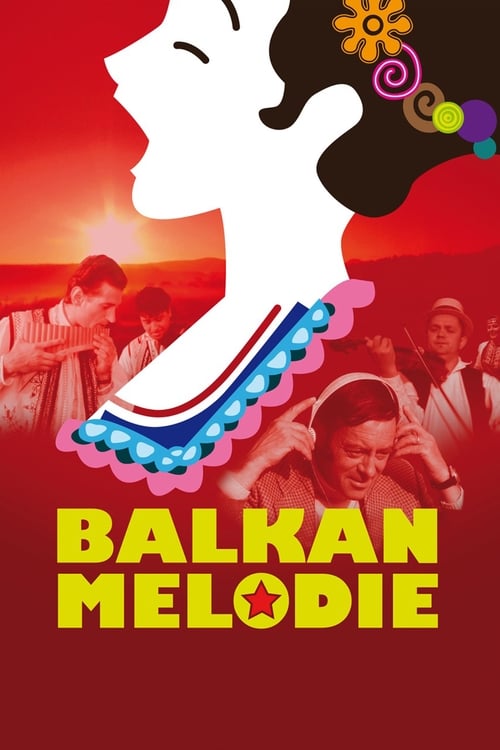
What Swiss director Stefan Schweitert did for accordion music and for yodeling (Accordion Tribe, Cinequest, 2005; Echoes of Home, Cinequest 2008) he now does for traditional Balkan music. This wonderful film is also a love story – and a door into a world of musical wonders.

Pickpocket Kitty's life changes when painter Thomas Gainsborough makes her portrait. The artwork gains the attention of Sir Hugh Marcy, who later decides to use her for his benefit.
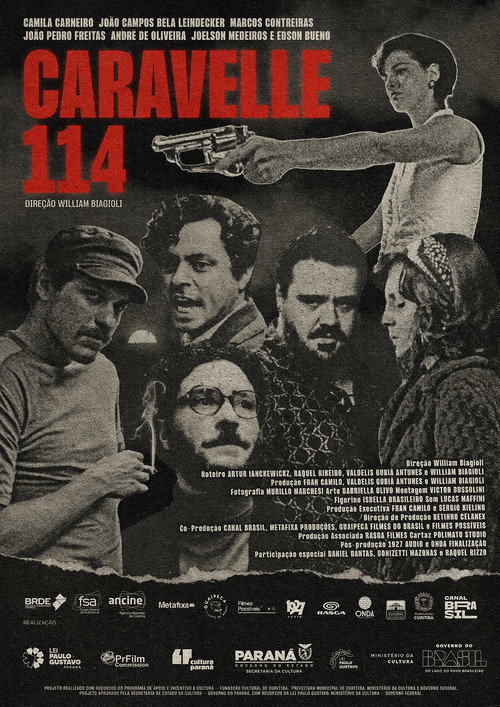
At the height of Brazil’s military dictatorship, a flight would change the fate of everyone on board. Among the passengers were a mother, her two young children, and militants from VAR-Palmares with a daring plan: to divert Flight 114 to Cuba. Caravelle 114 reconstructs, in fiction, the events behind the hijacking that defied the Brazilian dictatorship.

She is a teacher. She is a mother to young artists, a mother to activists of social and cultural movements. Indonesia has a long and unresolved historical wound, starting from the events of 1965, the silence of democracy and human rights activists, and the spread of identity politics. In the midst of it all, DOLO, a female sculptor opens the wounds of history through her sculptures.
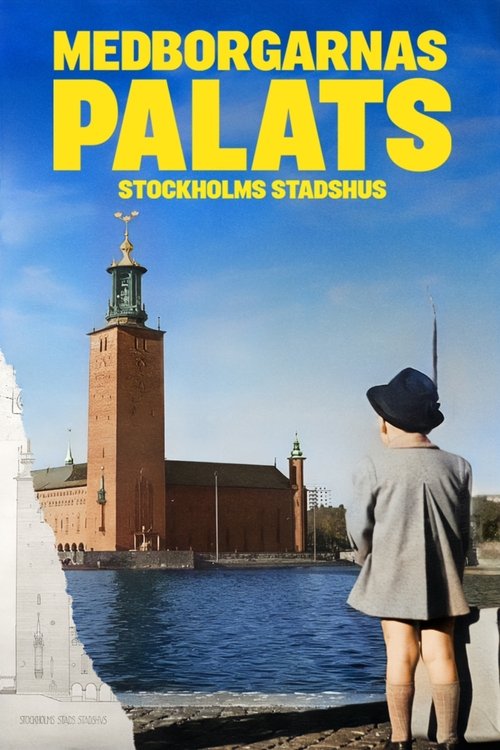
Roughly a hundred years ago Stockholm City Hall was Inagurated and since then It has become one of the cities most famous silhouettes. This documentary depicts the how architect Ragnar Östberg fights through global crises and workers strikes together with the various artisans to finish Swedens monument to Its newfound democracy
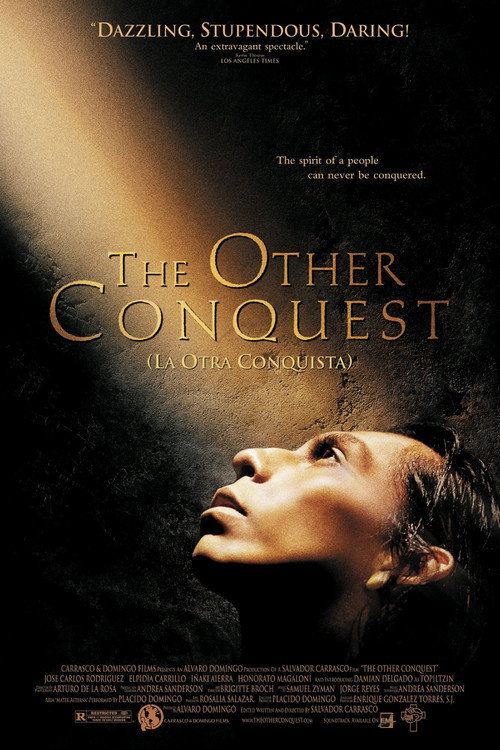
The film is a drama about the aftermath of the 1520s Spanish Conquest of Mexico told from the perspective of the indigenous Aztec people. It explores the social, religious, and psychological changes brought about by a historical process of colonization that both defined the American continent and is also highly reminiscent of today’s neocolonialism.
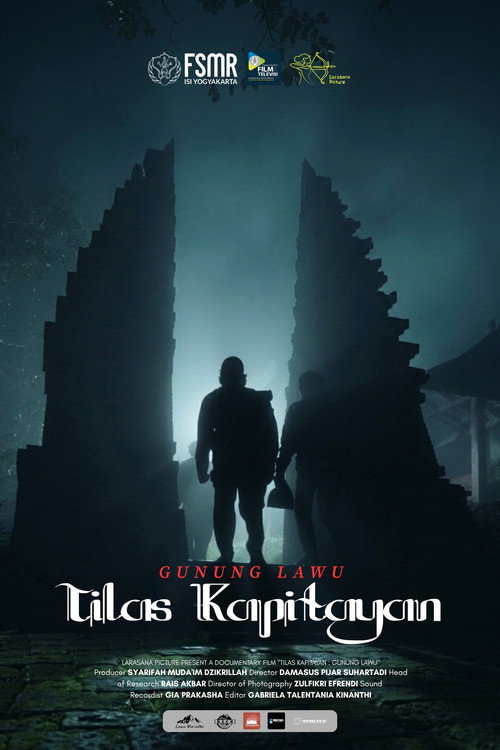
Seven people climbed Mount Lawu on Friday night to explore the various myths that circulate among climbers. Setting out via the Candi Cetho trail, their journey began, but it did not go as they had expected. Through this journey, Tilas Kapitayan seeks to examine how myths, suggestions, and beliefs take root in people’s experiences while on Mount Lawu.