Protocol Archives • Browse all History titles in HD
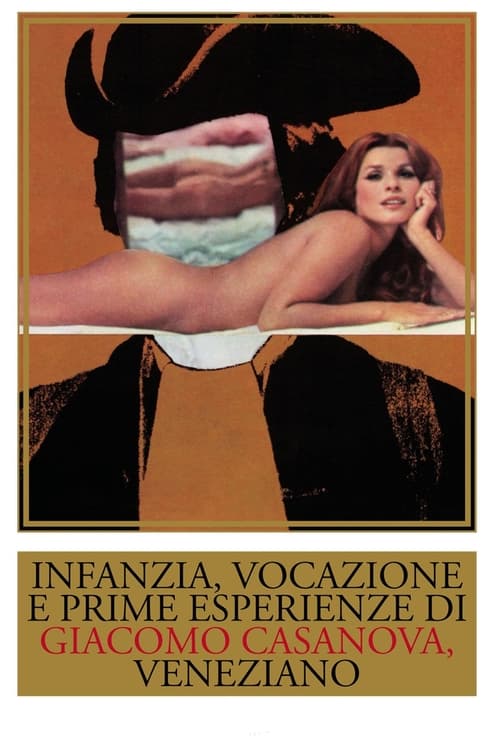
Through the childhood and adolescence of Signor Giacomo Casanova (from his memoirs), this is a description of how people lived in 18th-century Venice: their customs, habits, medicine, religion, and--most of all--the omnipresence of hypocrisy.

A biopic about the famous rock band. The still-untitled film is expected to chronicle the band’s formation in the Bay Area as the ’60s psychedelic counterculture movement started to take off.
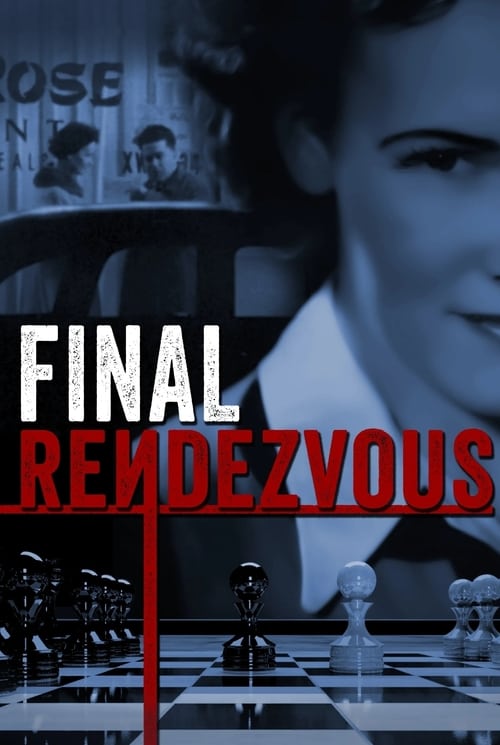
During the nuclear-charged 1960s, the KGB was active in sleepy Australian suburbia. For two years, the country’s security service, ASIO, secretly filmed meetings between a senior KGB officer, Ivan Skripov, and his British-born agent. Unknown to Skripov, she was a double agent - code name "Sylvia". Sylvia’s final rendezvous with an unknown "KGB illegal" operative held the promise of exposing a network of Soviet spies that had infiltrated the British atomic and rocketry facilities in South Australia.

Follows Iwao Ichikawa, a second-generation Japanese Mexican, navigating racial segregation in Mexicali, Baja California during WWII, offering a poignant exploration of identity and belonging amidst adversity.

A stud in a village living in a rice paddy is like a fellow who lives next door. So, the first night of two people starts, and the clinging rope does not exceed one minute and it is shut up as it is. The story of such a steal spreads in the neighborhood in a moment, and the knot that got to know it decides to leave the neighborhood in shock. The knot that has fallen in disrepair has helped an elderly person who is tired of hunger. In fact, the old man was a legendary old man. Kang will receive special expense training for the elderly. After that, he finds confidence and goes back to town …
As lawyer and power broker Roy Cohn lies dying of AIDS in a private hospital room, ghosts from his past visit him as he reflects on his life and loves.
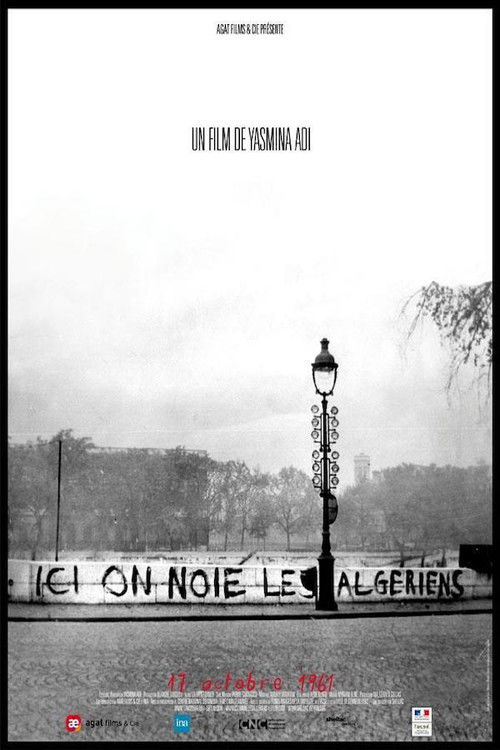
In response to the call of the Front de libération nationale (F.L.N., the National Liberation Front), thousands of Algerians from Paris and its surroundings march on October 17, 1961, to protest against the curfew imposed on them. This peaceful demonstration will be violently put down by the police. 50 years on, the filmmaker sheds light on this still taboo subject. Blending testimony and unseen archive footage, history and memory, past and present, the film relates the different stages in these events and reveals the strategy and methods applied at the highest level of the French state: manipulation of public opinion, the systematic challenge of every accusation, the censoring of information in order to prevent investigation.
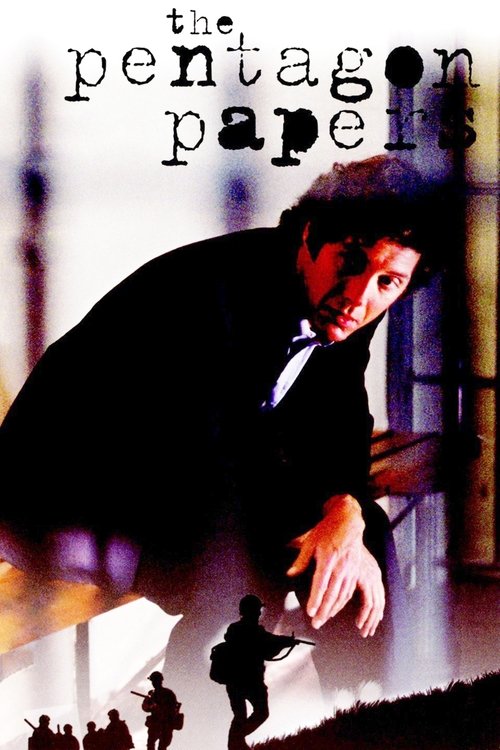
This compelling political drama is based on the true story of high-ranking Pentagon official Daniel Ellsberg, who, during the Nixon era, strove to preserve American democracy by leaking top-secret documents to the New York Times and Washington Post. The documents in question would eventually become famous as the Pentagon Papers, which revealed the true reasons for U.S. involvement in Vietnam.
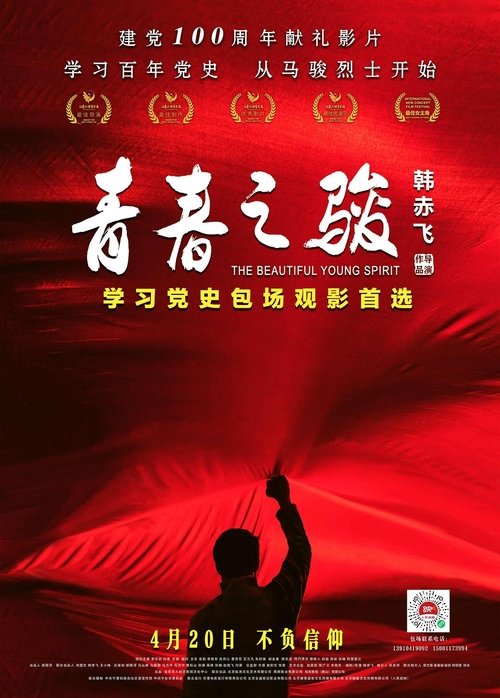
This film tells the story of Ma Jun, an early revolutionary martyr of the Chinese Communist Party. After joining the Party in 1920, he organized the May Fourth Movement, helped establish underground Party branches in Northeast China, and studied in the Soviet Union. Upon returning, he was appointed Secretary and Organization Minister of the Beijing Municipal Committee. Ultimately, he was betrayed and died heroically for the revolutionary cause.
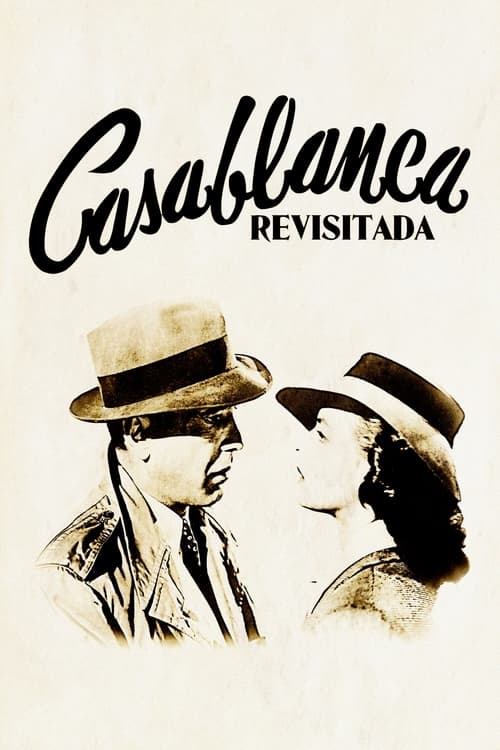
A lyrical and nostalgic analysis of how Casablanca, the mythical film directed by Michael Curtiz in 1942, has influenced both film history and pop culture.
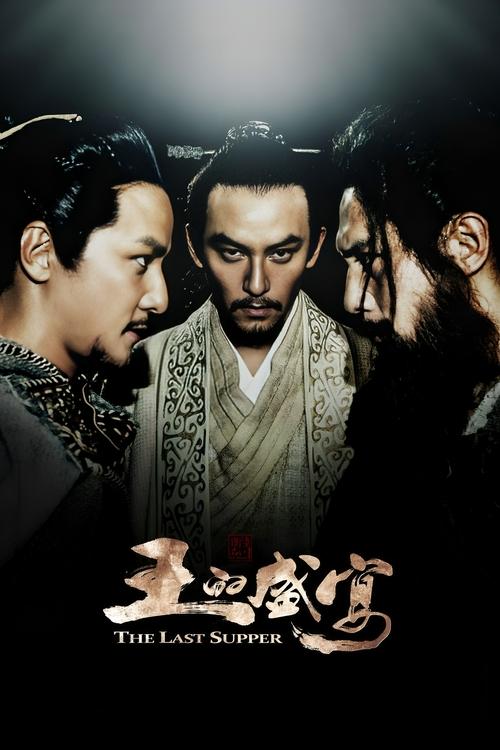
The story of two warring generals fighting for control of China at the end of the Qin Dynasty.
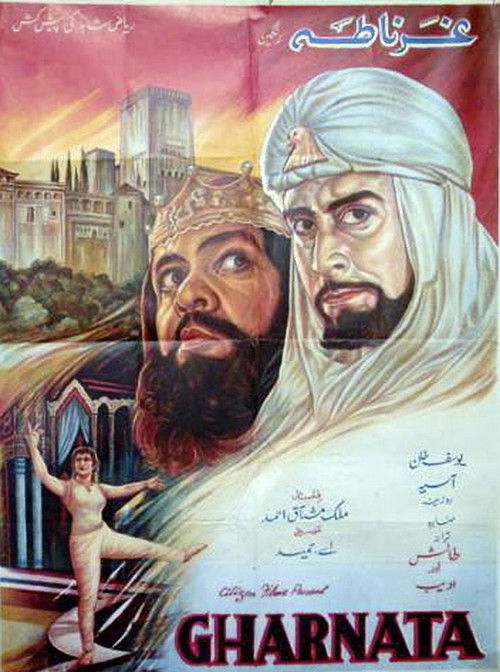
Gharnata (Granada) was the last Muslim region in Spain, which was fall on January 2, 1492. The last Muslim ruler Emir Muhammad XII surrendered complete control to Fernando V and Isabella I, after the last battle of the Granada War.

When 22-year-old Rainer Werner Fassbinder storms the stage of a small, progressive theatre in Munich 1967, and seizes the production without further ado, nobody suspects this brazen young rebel to become one of the most important post-war German filmmakers. Despite early setbacks, many of his films breakout at the most renowned films festivals and polarise audience, critics and filmmakers alike. His radical views and self-exploitation, as well as his longing for love, have made him one of the most fascinating film directors of this time.
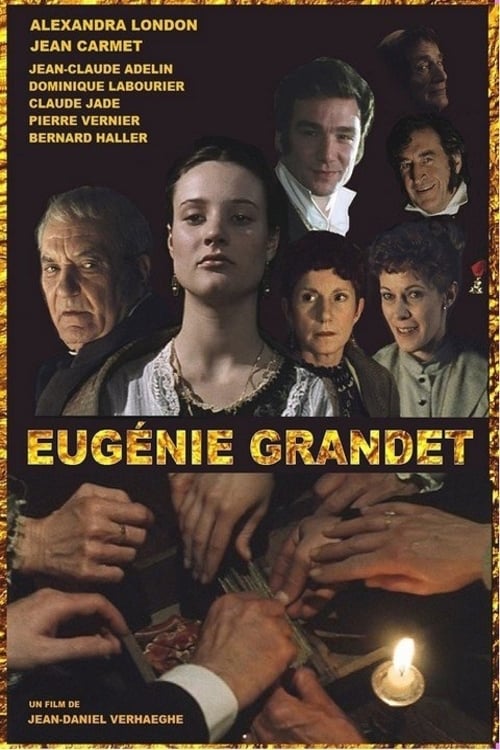
When the daughter of the miserly cooper Grandet is up for marriage, both families Des Grassins and Cruchot want to marry their sons to her and her substantial dowry. But the girl shows more interest in the impoverished cousin, whom she entrusts her entire fortune to.
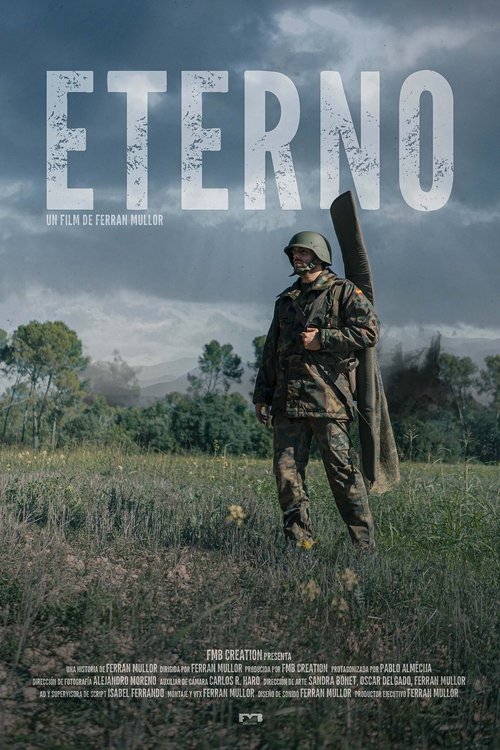
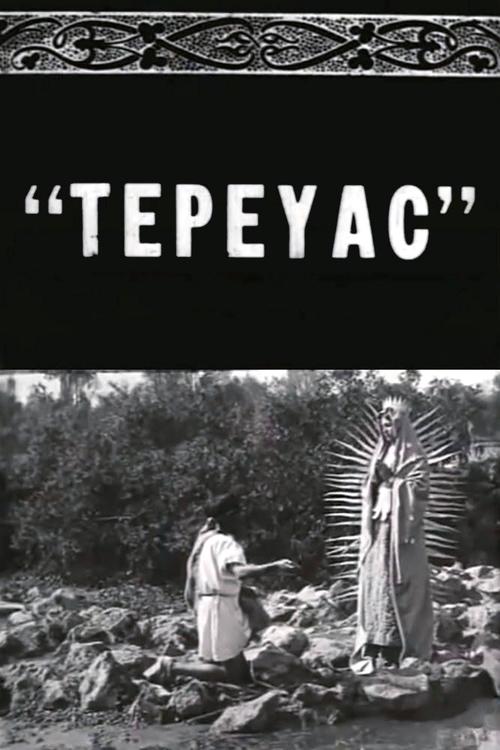
A man (Arroyo Carrillo) is sent to Europe on a diplomatic mission. The ship in which he travels is sunk by a German submarine. In Mexico, his girlfriend Lupita (Cota) receives a telegram with the news and looks for relief in La Virgen de Guadalupe, saint patron of catholic mexicans. After reading a book about the Virgin legend, Lupita falls asleep. Next morning, she receives good news, her boyfriend is alive. Together they go to La Villa del Tepeyac (a church devoted to La Virgen de Guadalupe) and thank for the miracle.

In 1985 a summer vacation in Ocean City, Md., changes the life of a shy white teen who's obsessed with table tennis and hip-hop music.