Fresh arrivals, theater releases, and newly added cinema

When you think all is lost, how do you get back at the world and make sure your family goes down with it?

A writer is forced to confront her estranged family and past memories of a missing best friend during a visit to her aunt's house.
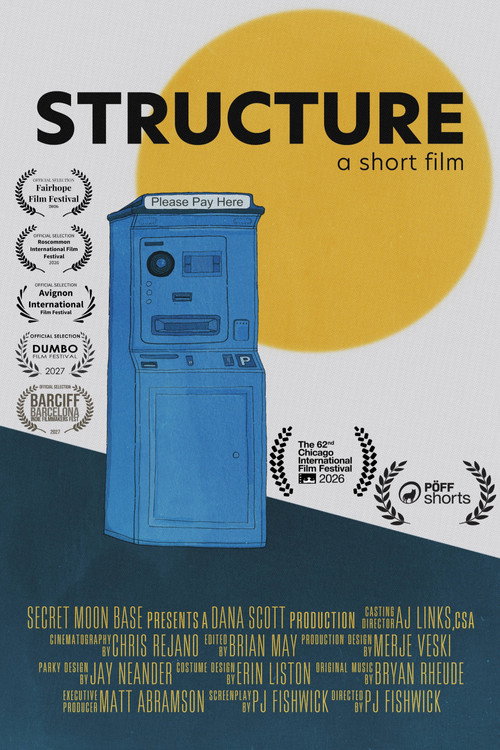
Through the eyes of a parking ticket machine, we experience the everyday realities of a city lobby: angry passersby, playful children, graffiti taggers, bickering couples, and drunken antics. Dissatisfied with its disrespectful patrons and constant view of the mundane, an act of rebellion sends the machine to uncharted territory.
After noticing a stranger has dropped his wallet, a man follows him through the city to return it, but the seemingly ordinary encounter gradually becomes unsettling.

Olha Drahomanova Kosach (a.k.a. Olena Pchilka) is best remembered today as the mother of Lesya Ukrainka, one of Ukrainian literature's most celebrated authors. But, despite being overshadowed in every way by her daughter, during her lifetime, her actions have secretly shaped the quest for Ukrainian cultural and linguistic autonomy in more ways. Her life story isn't just a story of a single individual, nor even her her family. It's a story about a nation's continous search for identity in the face of all odds.
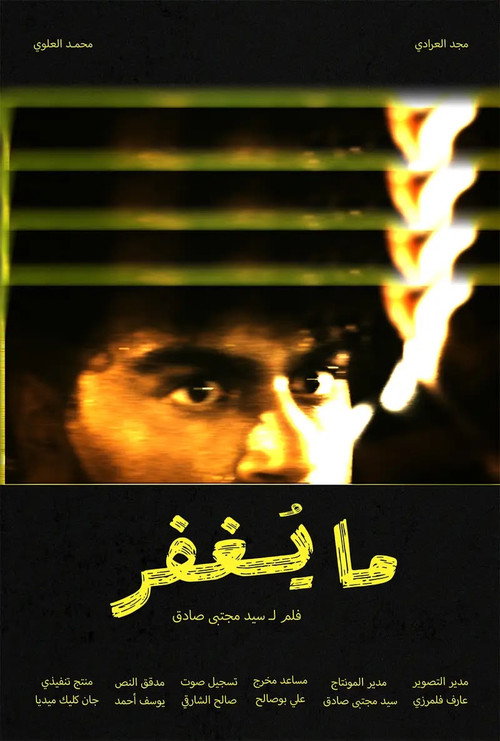
A picture arrives on Jasim’s doorstep with a message threatening his family. Left with no choice, Jasim sets off into the night to carry out their demands.
Łukasz dreams of becoming a professional boxer. His mother, Monika, supports him as best she can. But she can't understand why he has to move to a sports boarding school more than 500 kilometers away to do so.
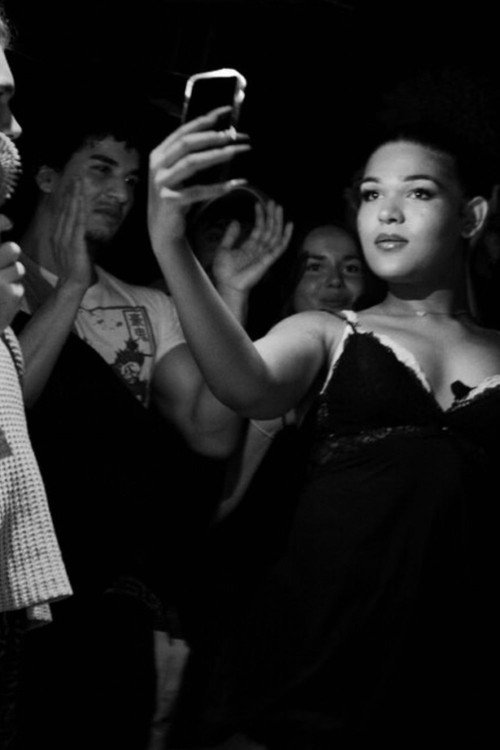
"In this society, you’ve already lost anyway—I’m just not white, I’m not cis, I’m not hetero," says Gem. Together with Naomi, Gem is part of Munich’s vibrant Ballroom scene—a queer subculture historically pioneered by Black and Latinx trans women. Here, in a world flipped on its head, being outside the white, cis-heteronormative box isn't the exception; it's the norm. It is a vital sanctuary of celebration, free from stares, slurs, or the constant need to justify one's existence. But as the night unfolds, the boundaries between escapism and harsh reality blur. In the category of Realness, trans individuals compete to see who blends best into a cis-normative world—a survival skill judged as an art form. Why do these safe spaces actively replicate the very judgments of the outside world, and how did they become a chosen home? Through raw, intimate access to Naomi and Gem, this documentary explores the heart, joy, and deep-rooted complexities of Munich’s Ballroom community.
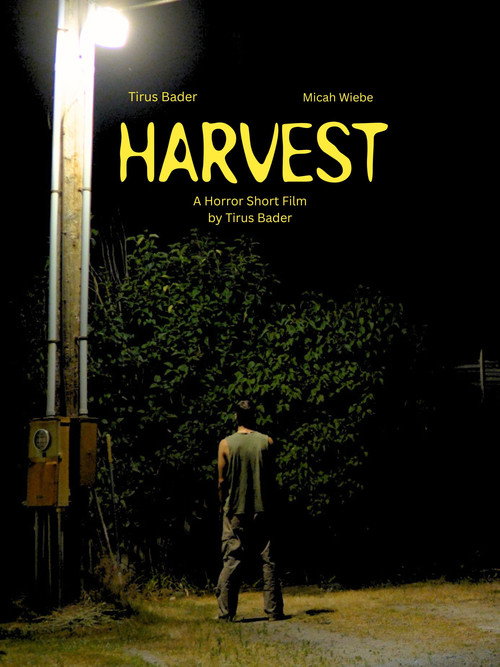
A man gets abducted and must fight to escape.
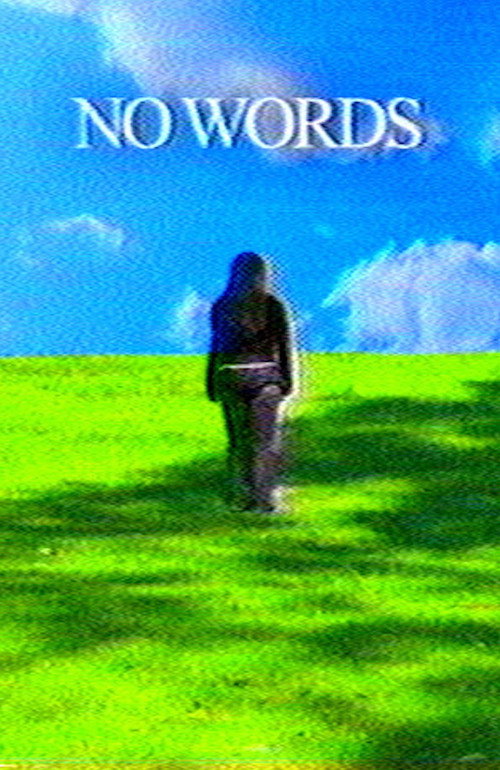
A girl is stalked by a mysterious entity within her dream
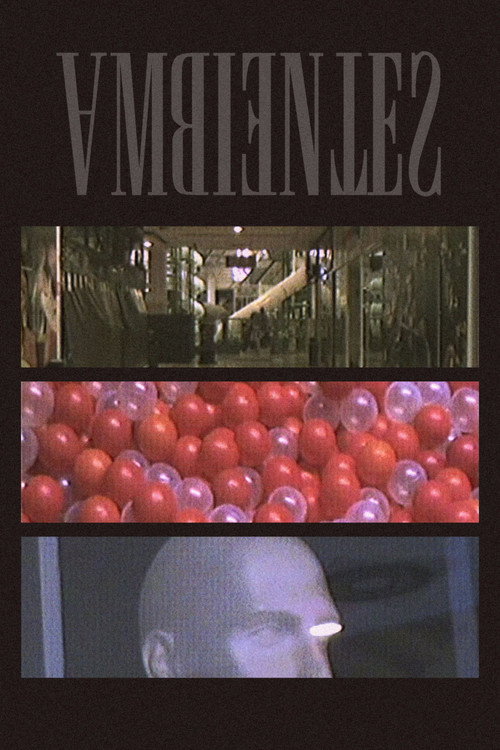
EMPTY SPACES EVOKE SENSATIONS.
An anthology of five films: “20260111”, “Hikari Wo Oyogu”, “ひびの欠片”, “Silent Baby”, and “Signal”. This first collection of works weaves together landscapes and scenes from everyday life recorded in 2026, including the Sumida and Arakawa rivers and the empty rooms of an abandoned building.
Broken glass, plastic prisms and warped reflections are accented by a guitar and banjo soundtrack in Seeing Thru Imperfect Glass. The rigid control of cinematic sight is released with this in-camera edited double exposed film.
15-year-old Lisa finds an old video camera and begins filming an ordinary, sobering winter morning in the apartment of her friend Maxim, who is clearly in love with her.

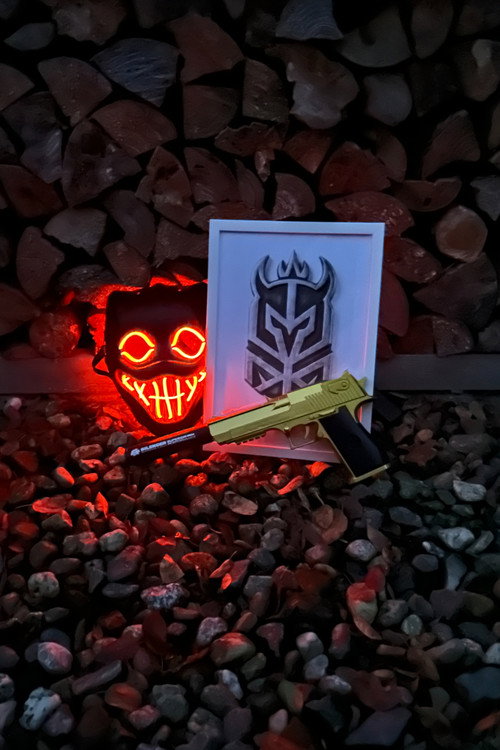
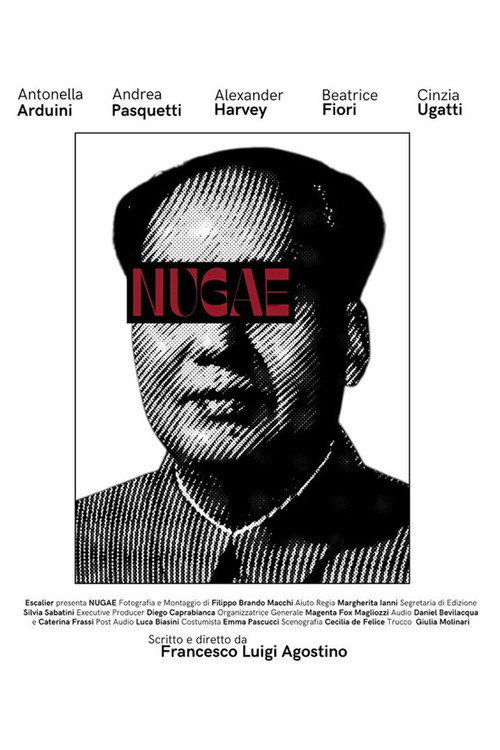

Dave, a down-on-his-luck salesman is about to lose his job when he unearths a box containing a watch and a gun. Discovering that the watch gives him the ability to travel back in time, it dramatically reshapes his life, and the lives of the people around him.
Arshia, a quiet student at a Tehran all-boys school, discovers that bully Ali sells explicit films. When Arshia asks for a gay film, it sparks events that change them both forever.