Fresh arrivals, theater releases, and newly added cinema
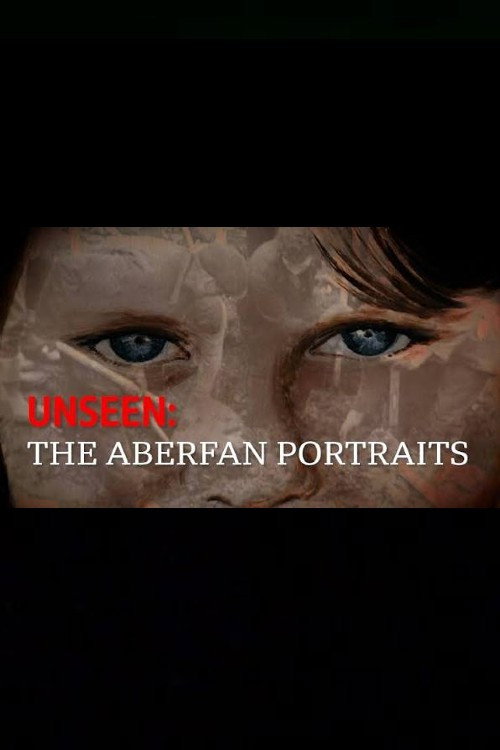
Following the Aberfan disaster in 1966, an artist from Llandudno embarked on an extraordinary mission to paint portraits of most of the 116 children who lost their lives, using photographs and locks of hair provided by their grieving families. For the first time, relatives share what these remarkable paintings have meant to them over the past six decades. Presented by the BBC’s Huw Thomas, he discovers how the portraits became enduring symbols of remembrance in a village touched by tragedy.
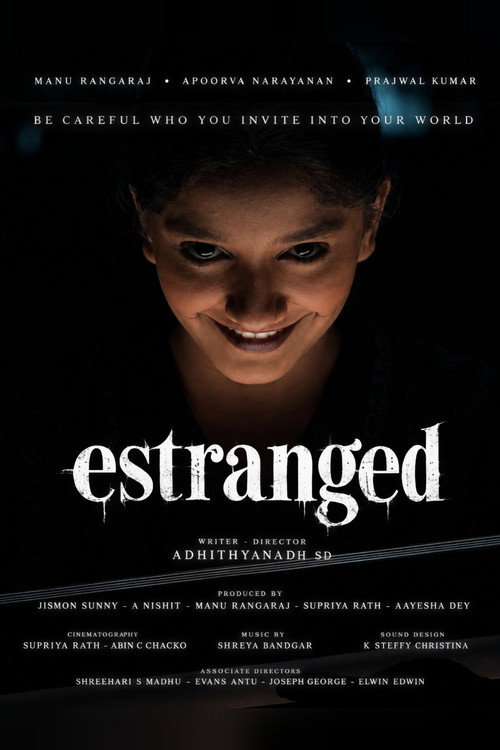
A young couple have a peaceful evening at a park when they meet a strange young girl carrying a black balloon. Later that night, strange things begin to happen, turning their ordinary evening into a disturbing experience where nothing is quite what it seems.
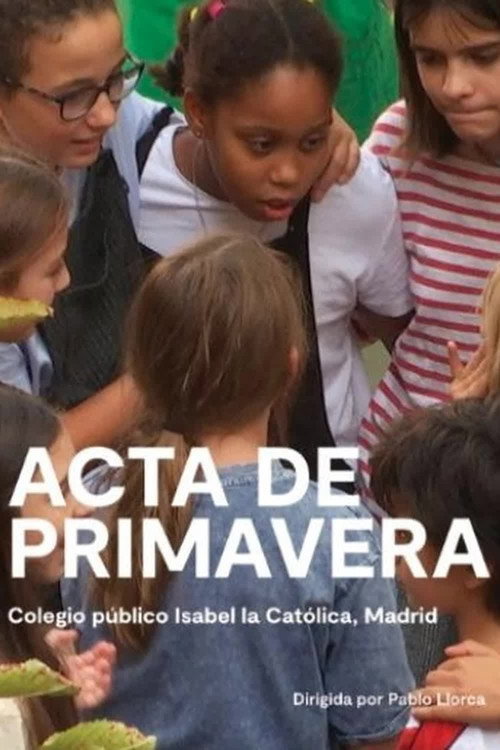
Acta de primavera enters a public school in Madrid through the people who make it their daily world: students, teachers, and staff. Their perspectives form a collective portrait of school life, inviting us to listen closely to the experience of belonging to—and shaping—a shared institution.

Four queer friends meet at Marcelle's house to get ready for Carnival, but Marcelle no longer wants to see them and leaves them standing on her doorstep without explanation. Shocked and confused, the four friends try to save their friendship from silence.
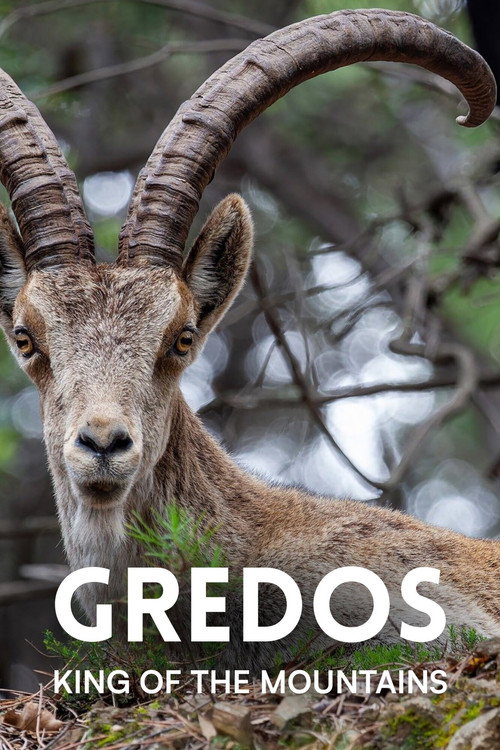
Through the cycle of the seasons, Spain's Sierra de Gredos National Park, one of Europe's most remarkable natural landscapes, is revealed. From ancient glacial cirques and deep mountain ravines to the summit of Almanzor, the highest peak in central Spain, discover a unique and fragile ecosystem. Here, the Spanish ibex, an iconic species that defines the spirit of these mountains, reigns. Alongside it, golden eagles, alpine birds and otters inhabit a territory shaped by isolation and resilience. This is a portrait of wilderness and balance, a window into one of Europe's last great wild spaces.
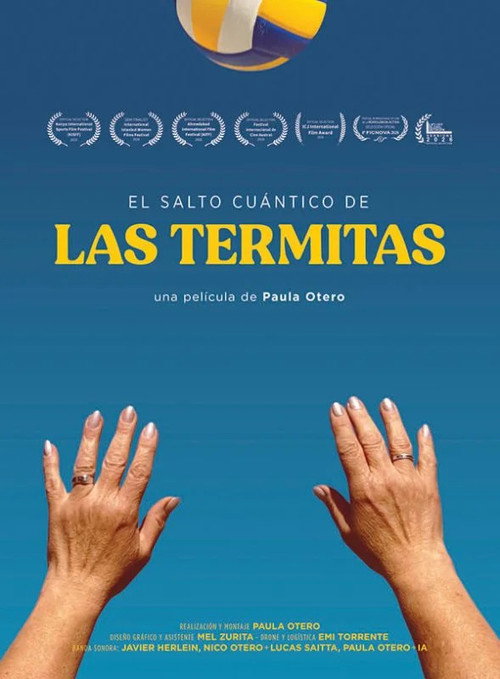
An amateur "newcom" team that mistakenly registers for a national tournament. With no competitive experience and only four training sessions under their belts, twenty women from Maipú—aged 50 to 70—decide to travel to Santa Clara to compete against professional teams. What begins as a fun sporting adventure soon forces them to confront their own limitations and age-related prejudices.
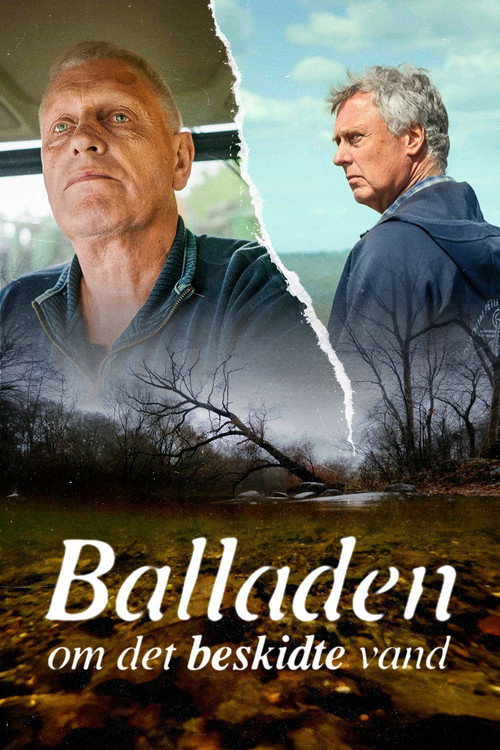
For years, agriculture has been blamed for the bad Danish aquatic environment. But farmers believe they don't bear the responsibility alone. For each year, large amounts of untreated wastewater are discharged into the same aquatic environment. But who's right? On opposite sides of a highly topical conflict, the farmers and scientists stand: Is agriculture the biggest culprit - or does the wastewater play a bigger role than previously thought?
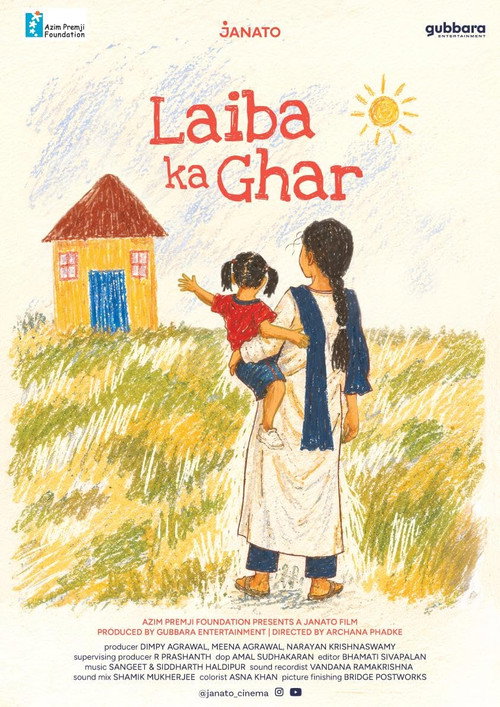
Laiba ka Ghar explores resistance, love, and hope. Jasmin, a young mother in her twenties, valued education but married at 16, had her first child before 18, and moved to Bengaluru with her husband after being ostracised by her family.
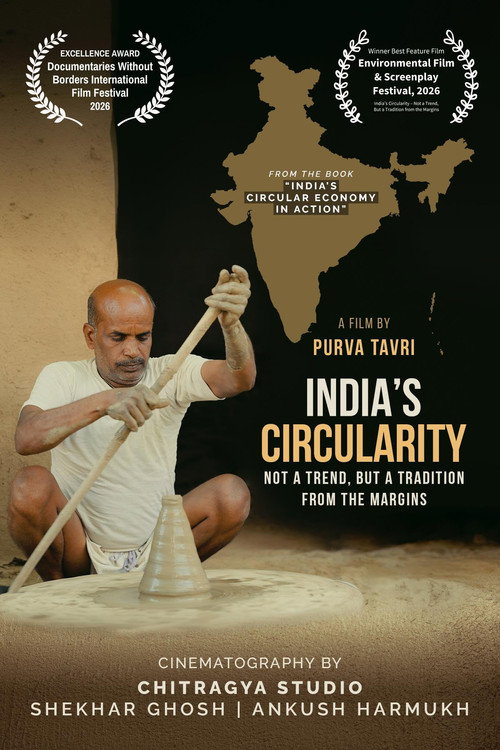
A documentary exploring traditional circular practices across India, revealing how communities have long lived through reuse, repair, and regeneration.
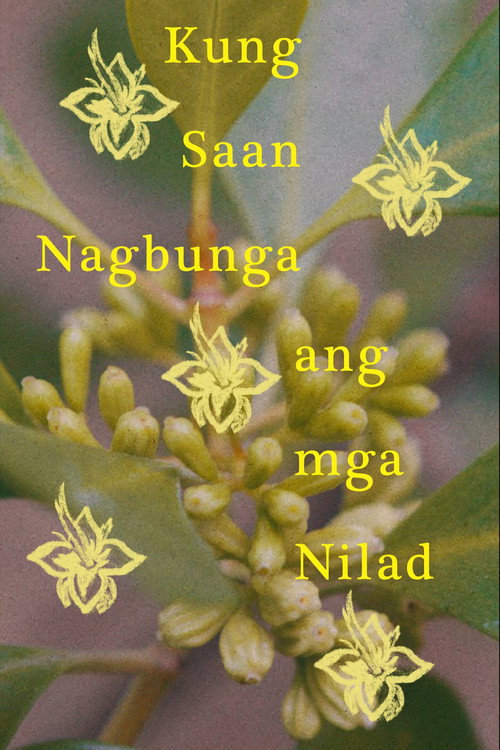
While walking the streets of Manila, a student filmmaker reflects on the phenomenon of change and time as they document the city's various heritage sites.
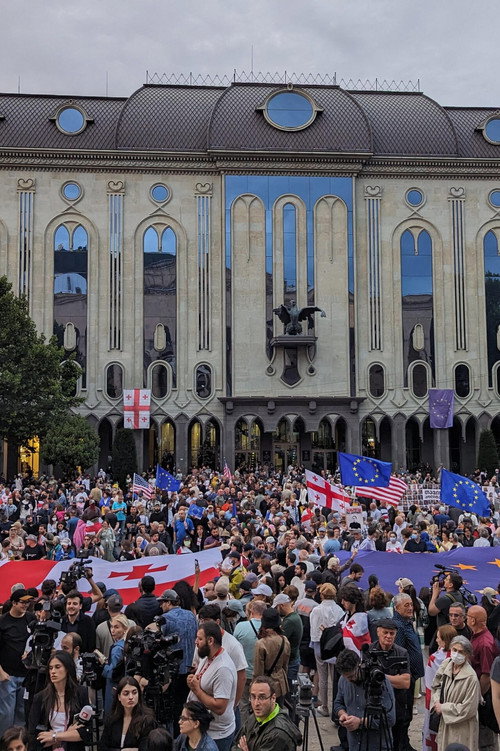
The traditional opening of Zedashe wine brings old friends together.

A collection of footage from Erim's parents' 1998 vacation in Paris.
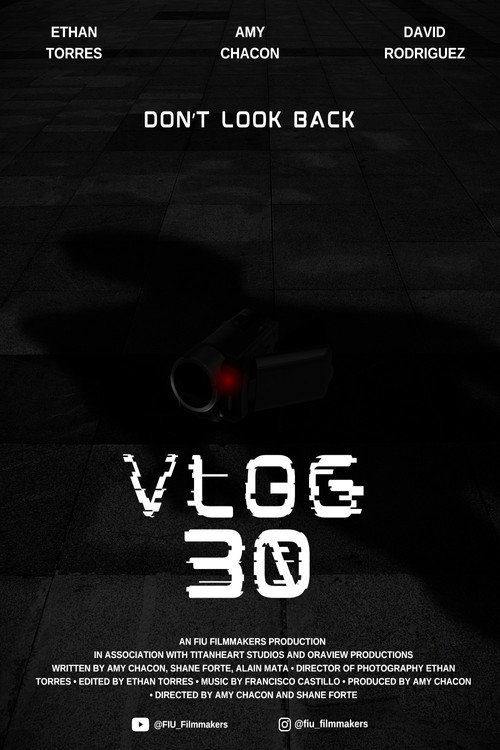
When three friends visit their beloved mall one last time, staying after hours becomes a fatal mistake as something begins to hunt them.
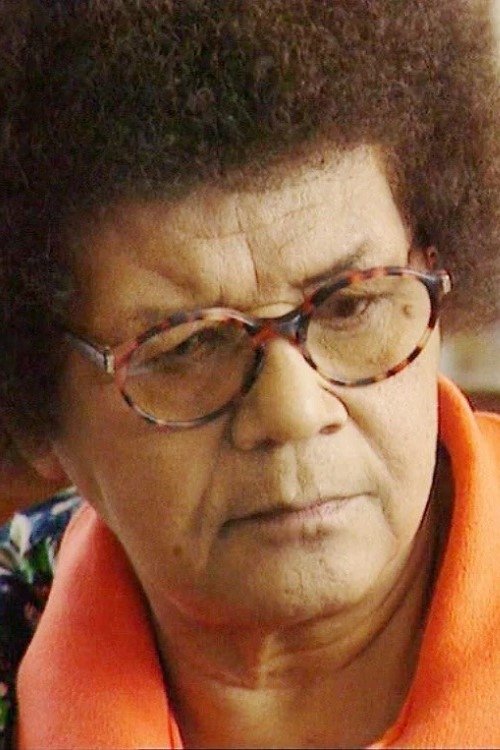
Sarah Maldoror ou la nostalgie de l'utopie is a Togolese short documentary film directed by Anne-Laure Folly. It was released in 1999. The film is a tribute to Sarah Maldoror of Guadeloupe, who made the classic film Sambizanga (1972). The film documents the constant political struggle in all her work for liberty, her affirmation of her négritude to the world, and her campaign for recognition of black poets.

Obscure, aging, and living on the outskirts of London, writer of supernatural fiction Quentin Crisp asks himself a fundamental existential question: ‘Who am I?' This feature-length film-essay is structured around readings of Crisp’s own zuihitsu of the same name, which, in essence, is the story of his life. As we follow Crisp on a walk deeper into the ‘‘little wood’’ of his private landscape, the binaries of success and failure begin to fade away.
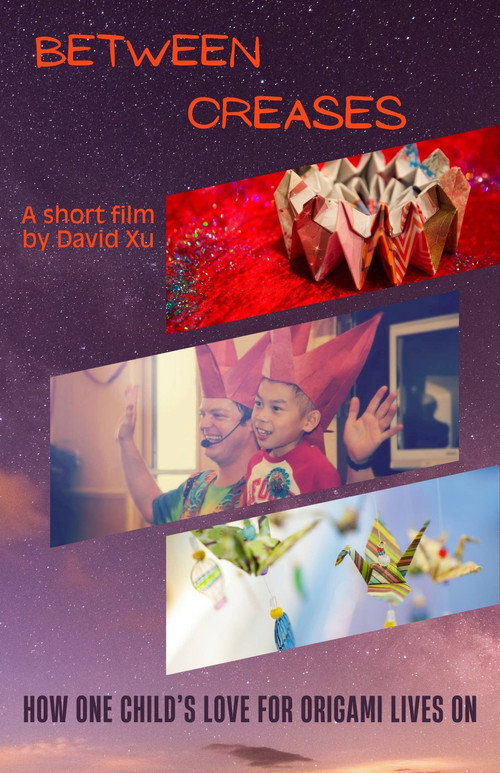
Through his late brother’s love of origami, a teenager discovers how a simple fold can connect memory, science, medicine, and hope.
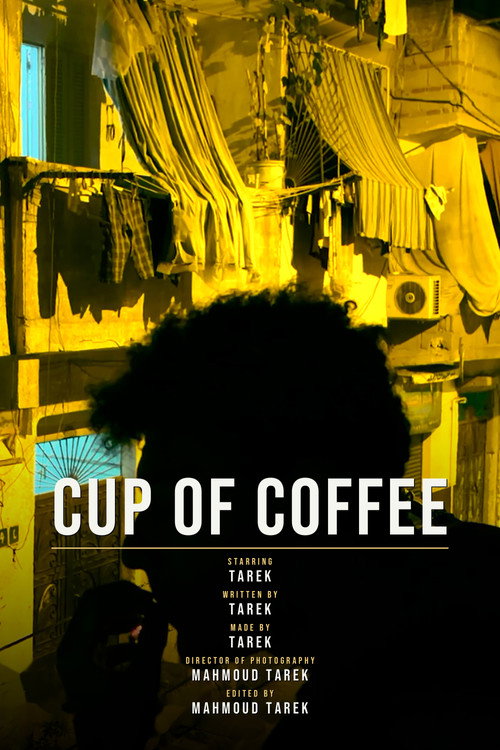
cup of coffee