Protocol Archives • Browse all Documentary titles in HD

An in-depth look at news stories. Documentaries that take you behind the scenes giving an insight into people's lives or institutions.
Complément d'enquête is an investigative newsmagazine presented by Benoît Duquesne and shown in Metropolitan France on France 2 weekdays late in the evening, and, in Canada, bi-monthly on TV5. A similar investigative programme, Panorama, is shown in the UK on BBC television.
A magazine show with each segment telling the story of a country, a civilization, a period or emblematic characters, rich in iconography and archival images.

Now the longest-running music series in American television history, ACL showcases popular music legends and innovators from every genre.

Your user-friendly guide to the latest technology news, issues, gadgets and apps.
Heritage Minutes, also known officially as Historica Minutes: History by the Minute, are a series of sixty-second short films, each illustrating an important moment in Canadian history. They appear frequently on Canadian television and in cinemas before movies and are now also sold on DVD. The Minutes were first introduced on March 31, 1991 as part of a one-off heavily-promoted history quiz show hosted by Rex Murphy. The thirteen original short films were broken up and run between shows on CBC Television and CTV Network. The continued broadcast of the Minutes and the production of new ones was pioneered by Charles Bronfman's CRB Foundation, Canada Post Power Broadcasting, and the National Film Board. They were devised, developed and largely narrated by noted Canadian broadcaster Patrick Watson, while the producer of the series was Robert Guy Scully. In 2009 Historica merged with The Dominion Institute to become The Historica-Dominion Institute. While the foundations have not paid networks to air Minutes, they have made them freely available, and in the early years paid to have them run in cinemas across the country. The Canadian Radio-television and Telecommunications Commission has ruled that Heritage Minutes are an "on-going dramatic series" thus each minute counts as ninety-seconds of a station's Canadian content requirements.


Swedish investigative journalism series known for the use of concealed cameras and microphones.

The South Bank Show is a television arts magazine show produced by ITV between 1978 and 2010. A new series began on Sky Arts from 27 May 2012. Presented by Melvyn Bragg, the show aims to bring both high art and popular culture to a mass audience.
Four Corners is Australia's longest-running investigative journalism/current affairs television program. Broadcast on ABC1 in Australia, it premiered on 19 August 1961 and celebrated its 60th anniversary in 2021. Founding producer Robert Raymond and his successor Allan Ashbolt did much to set the ongoing tone of the program. Based on the Panorama concept, the program addresses a single issue in depth each week, showing either a locally produced program or a relevant documentary from overseas. The program has won many awards for investigative journalism, and broken many high-profile stories. A notable early example of this was the show's epoch-making 1962 exposé on the appalling living conditions endured by many Aboriginal Australians living in rural New South Wales.
Everyman is a British television documentary series that aired on BBC One in a late-night slot on Sunday evenings between 1977 and 2005. Its subject matter tended to be focused on moral and religious issues, often in the form of a film in which individuals would discuss their thoughts. One edition from 1990, A Game of Soldiers concerned a group of soldiers exploring their feelings about being trained to kill. Throughout much of its time on air, series of Everyman aired alternately with Heart of the Matter, a debate series which featured somewhat similar topics. Both series were cancelled in the 2000s after the BBC revamped the output of its religious programming.
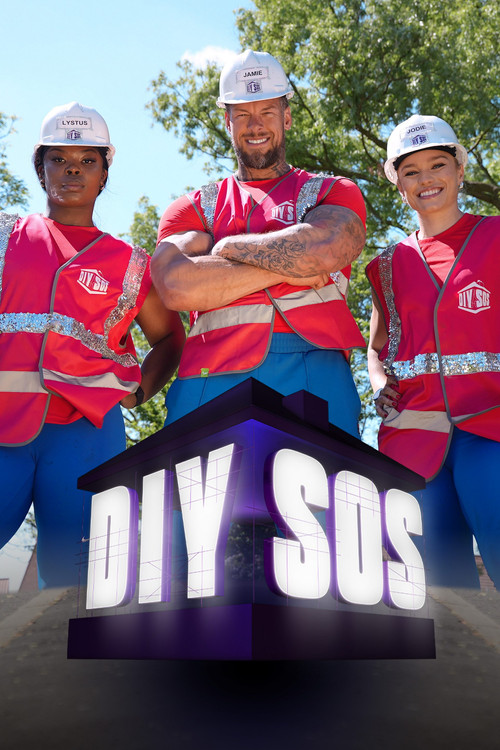
DIY SOS is a British DIY television series made for the BBC, presented by Nick Knowles. The first episode was broadcast on 7 October 1999 and the show is still airing today. As well as being a DIY programme it also features comic relief from the cast.
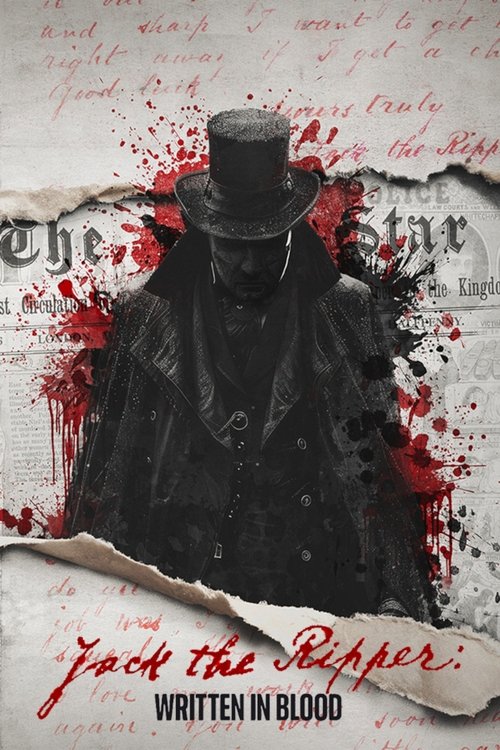
The notorious killer became headline news in 1888 and continues to capture the world, for better or worse.

The crew at This Old House take on some pretty big projects, which means they can only work on one or two houses a year. But homeowners have a virtual truckload of questions on smaller projects, and the This Old House crew is ready to answer. Ask This Old House solves the steady stream of home improvement problems faced by viewers - and the crew even makes house calls!
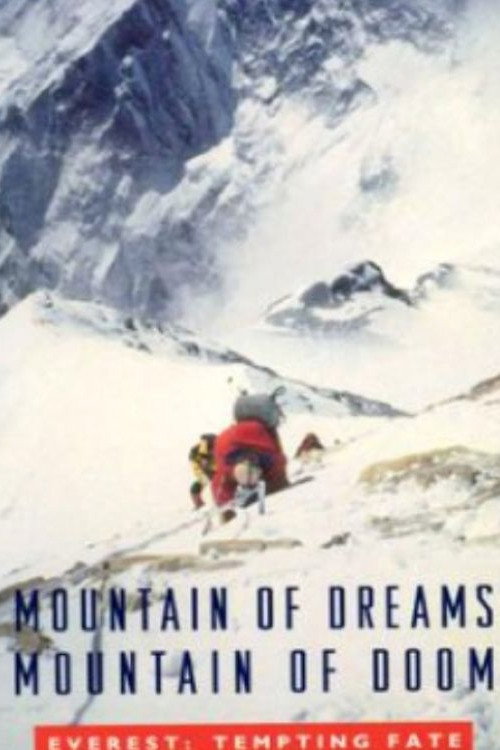
The second episode of the 2 part series 'Everest: Mountain of Dreams, Mountain of Doom', explores the triumphant (and tragic) expeditions of the modern era and takes an in-depth view of the terrible events of 1996, the deadliest year in the history of Mount Everest. From George Mallory to the 1996 tragedy, the series explores the major personalities and expeditions covering an 80-year span. The first episode, titled 'The Quest', includes the incredible stories of the early climbers, including George Leigh Mallory and Sir Edmund Hillary's legendary summit climb, and much more.
For three days we follow the lives of several characters, each of them on a journey: from the everyday humdrum of their ordinary lives (the exhausting work shifts, being misunderstood by society, the homeless, the lonely, the yearning and the lack of any meaning for existence) to the place where they meet to recover something that the rationality of modern life cannot offer them: faith.
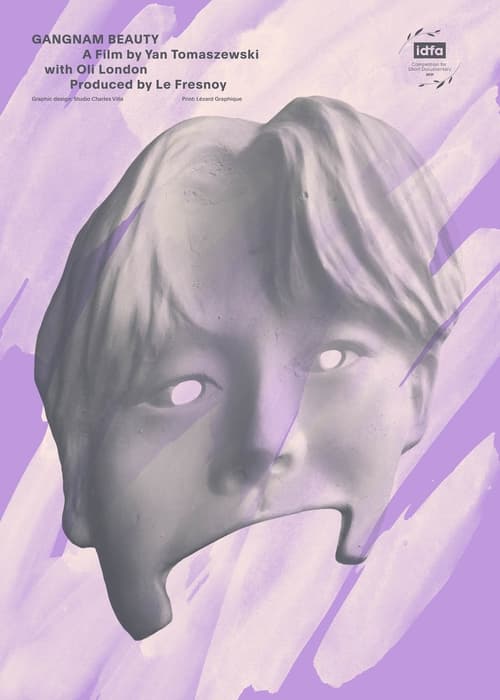
Oli London, English, in his thirties, is fascinated by South Korea and especially by Jimin, a world star of K-pop. For years, he has spent a fortune on plastic surgery to look like him. His personal journey is staged via a Korean tale, which is the founding myth of a shamanic mask dance.

Documentary about the Alcântara Family, descendants of Mestre Afonso who keep their roots alive in the streets and on stage.
The silence of the rainforest in the Colombian Pacific coast area is broken. A tree over 20 meters tall rips out and tumbles down. It is the first of the more than 100 trees that Robinson and his family, with nothing but axes, are about to chop down, chop up and drag over an improvised path to a nearby stream, and from there to the large Anchicayá River. There, in the river waters, they tie up all the pieces for form a huge raft, on which they embark on a titanic journey that lasts over forty hours, overcoming the river torrents and the choppy waters of the Pacific Ocean. They finally arrive at the Port of Buenaventura, where after several months of tireless work, they sell the wood and complete a feat that demonstrates the never-ending search of humanity: survival.
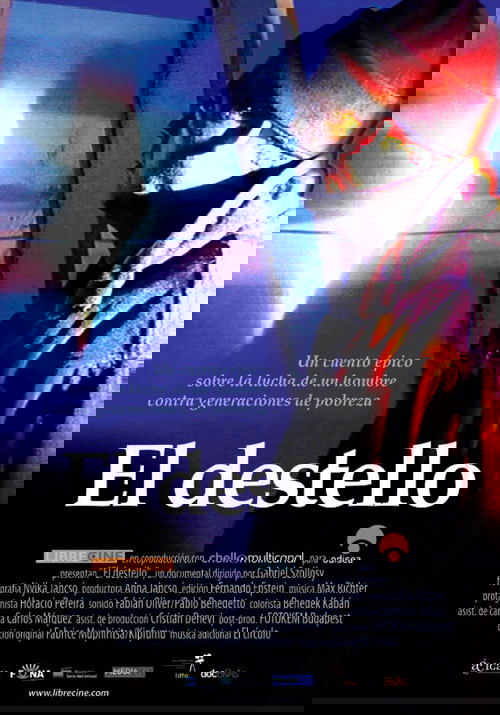
Horacio is a 45 year-old Uruguayan soldier. For his good service at the Naval Forces, he received the duty of lighthouse keeper at the Island of Sea Lions in the Atlantic Ocean. Horacio is poor and will soon retire. Meanwhile he sits amongst the 250 thousand sea lions who keep him company, he dreams of building a sewing machine repair shop in his backyard and giving a future to his daughter. But Horacio has to go to war to save up sufficient money. He will soon part to Congo as member of Uruguay's peace keeping force.
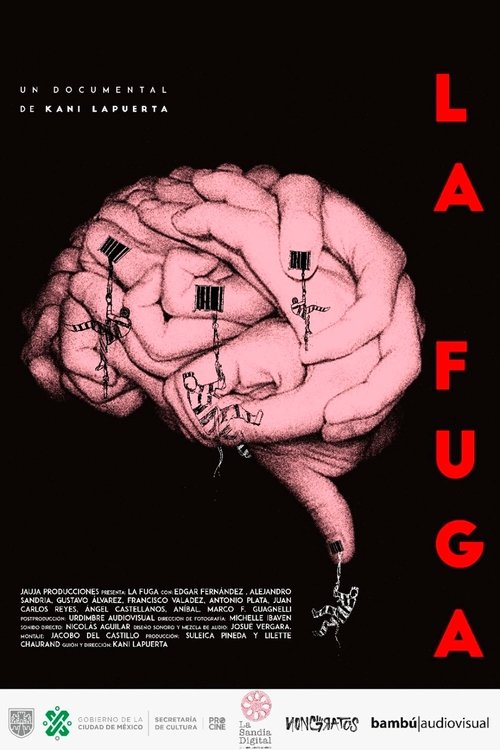
The internal journey of eight men, who, through a theater workshop, go through the different prisons they inhabit. Practicing the art of seeing themselves, in Boal's words, this group of men reflects on their masculinity as a representation to hide their true strength: their vulnerability.
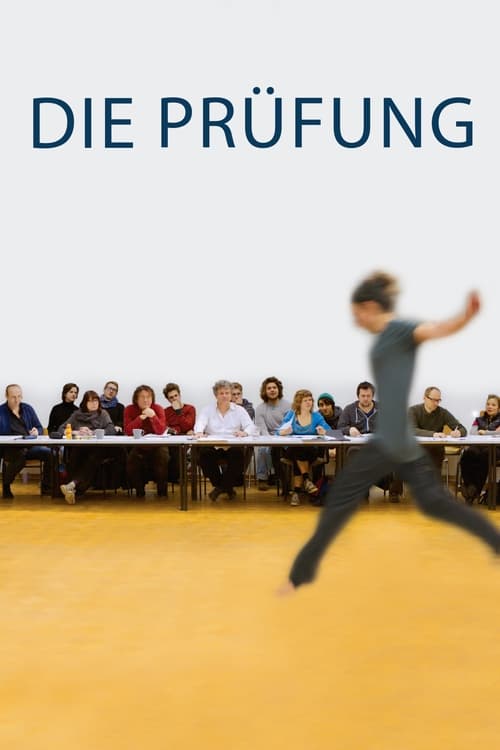
Documentary about the audition process at an acting school in Hannover, Germany.
Shomõtsi is a witty and engaging Ashaninka Indian, a father who has raised his children alone. A neighbor and friend of the filmmaker, he discusses the Ashaninka uses of anatto dye, cassava and of Coca. Unlike whites, he says, Indians respect coca's medicinal power. Shomõtsi and two other elders go to a neighboring city to collect their pensions. They have to set up camp overnight waiting for their money and grumble about the materialism of the Brazilian shopkeepers. After making a few modest purchases, Shomõtsi gladly heads back to the village.
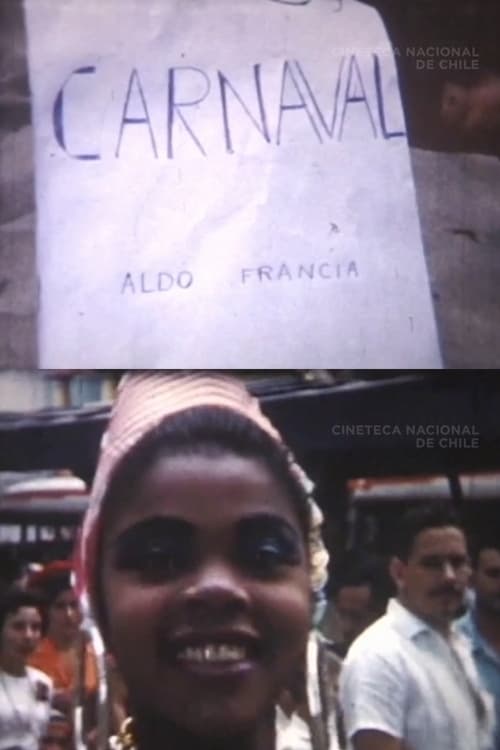
Anthropological record with aspects of this festival, when it did not yet have the subsequent production levels.
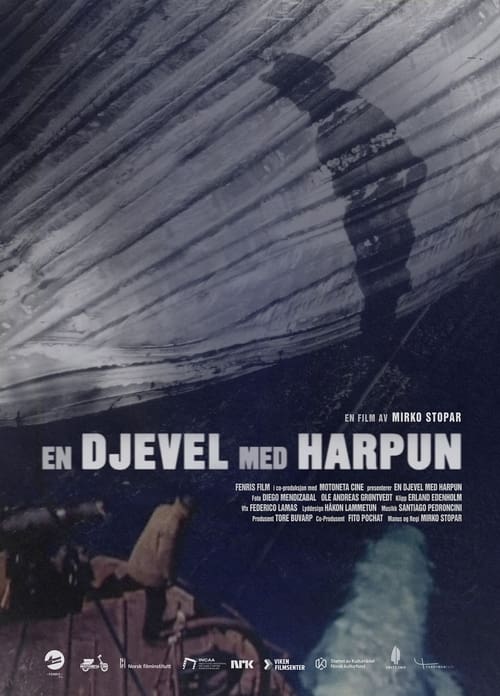
The story of Lars "Faen" Andersen, the man who killed the most number of whales in history
On the corner of Main Street in Stephenville, Texas, sits ‘Slim Pickins Outfitters', the first Black-owned outdoor outfitter shop in the Country. Owned by Jahmicah Dawes and his wife, Heather, the shop has become a staple in the community that represents fellowship, allyship, and outfitting friends for their next adventure. Like most small businesses, Covid-19 put more stress on their business and mental health than anticipated. But through it all, they continue to tell a story of hope and reconciliation, of community, and of friendship in an America that desperately needs to hear it.

After the 2008 financial crisis thwarted their hearing care business ambitions, a couple transformed adversity into triumph by creating a nonprofit. Their story takes a remarkable turn as they collaborate with larger organizations to bring hearing care to thousands of people in need worldwide.
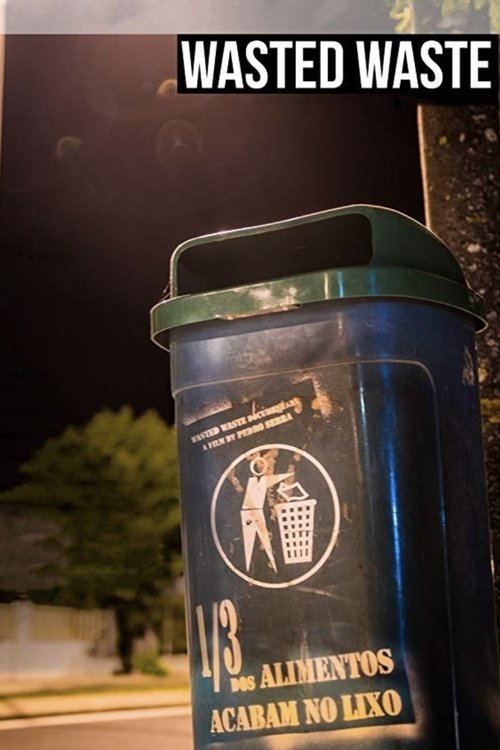
This documentary is about individual lifestyles with conscious repercussions in the collective. Because from the Nature’s point of view there is no such thing as waste. It’s the symbiotic aspect of life. The whole Nature is a unified system of interdependent variables. Each one with a cause and reaction. Freeganism is an alternative lifestyle based on the boycott to capitalism, aiming to reduce the impact in our ecosystem, rejecting any form of human or animal exploitation. This is achieved through the limited and resource-conscious consumption, as well as the rescue of waste, in a society that produces above its needs.
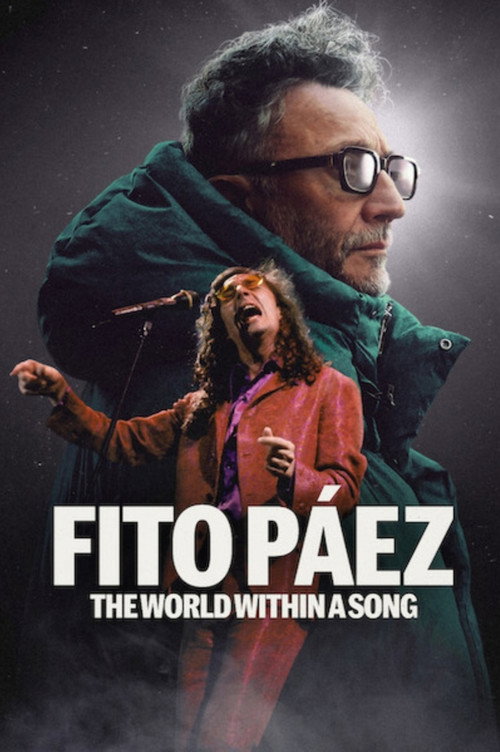
A documentary film that observes, listens to, and interacts with Fito Páez from a place of profound intimacy. The camera, almost invisible, witnesses his every move, accompanying him for over a year during recordings, rehearsals, tours, and performances in major cities across Latin America, Europe, and the United States. It is also a journey through the life of one of the greatest Spanish-language artists: his loves and heartbreaks, children and friendships, excesses, tragedies, failures, and successes.

María, an activist and drag queen, stands strong against a society that invalidates her. Through her discourse and performance, she confronts the insecurities that once brought her down, transforming her identity into a tool for resistance.

One year after the tragedy that took the lives of fourteen female students, Montreal’s École Polytechnique has returned to something resembling normalcy. Nathalie Provost is a survivor of the shooting at the engineering school. Today, with friends, she opens up. About the tragedy, about feminism. About racism and sexism. About the fact that society has difficulty accepting difference. And, above all, about life, which must go on beyond December 6.
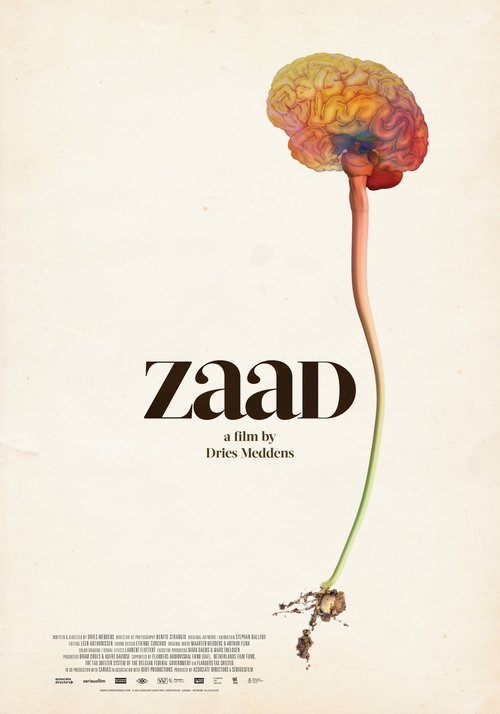
ZAAD tells the autobiographical story of Dries Meddens. After the death of his mother, the care for Dries' bipolar father falls on his plate. He discovers how crudely and ruthlessly society and psychiatry treat patients. His father eventually dies in solitary confinement. While emptying his parent’s home, Dries discovers an old letter from his grandfather. The man appears to have led a busy, productive life. He is the founder of an internationally renowned seed breeding company and still has time to paint, write diaries and conduct intensive correspondence. Dries finds similarities between his grandfather, his father and himself. Slowly the fear grows that his father's psychiatric illness might be hereditary. Strolling through the family’s film and photo archives, with dramatic and sometimes hilarious finds, Dries tries to find answers. He also consults a psychiatrist. Together the consultations and reviewing of his archival material help Dries look at bipolarity with new eyes.
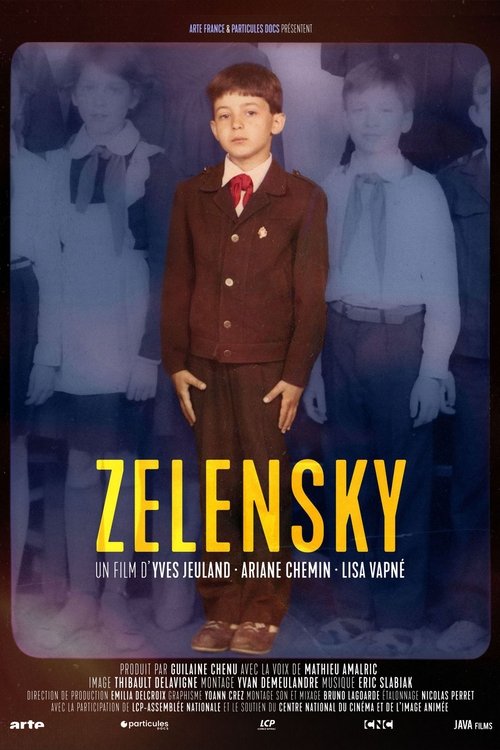
Ten years ago, Volodymyr Zelensky was just one of the many faces on Ukrainian television screens. He became a star thanks to the 2015 satirical series Servant of the People, in which he played a history teacher who becomes president. Four years later, what began as fiction became a reality. Follow the transformation of a popular TV comedian into a statesman on the frontlines of the Russian invasion. Archival footage, family photos, television appearances, and interviews with Zelensky and those closest to him create a multi-layered portrait of a man who always longed for a large audience. At the same time, the film places his personal development in the broader context of post-Soviet Ukraine, which is also searching for its own identity.