Protocol Archives • Browse all Documentary titles in HD
If Harvard offered a PhD in deceit, this would be it. Award-winning magician Brian Brushwood takes viewers on an inside tour of bar tricks, street cons, and scams. If you watch carefully, you'll never have to pay for a drink again!
A series of standalone documentaries powered by the unparalleled journalism and insight of The New York Times, bringing viewers close to the essential stories of our time.
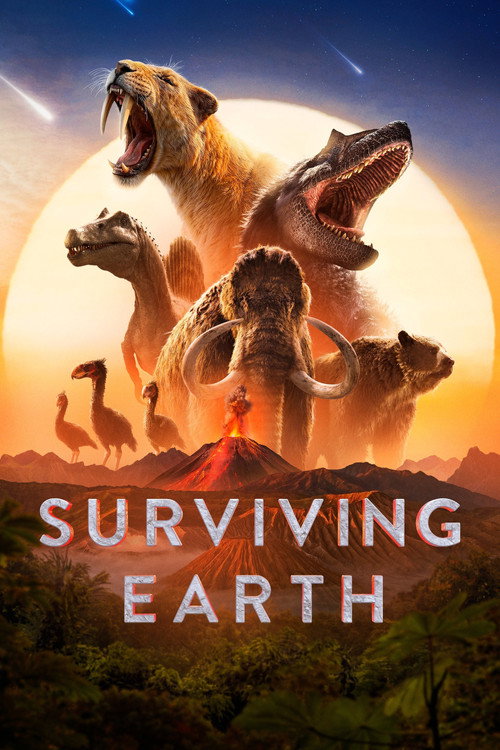
Meet the bizarre, amazing and breathtaking creatures and landscapes of a vibrant lost world; and discover how life not only survived during the cataclysmic events of this prehistoric era, but thrived.
A look back at television appearances by legends of the silver screen, using archive footage to tell the story of their lives and careers.
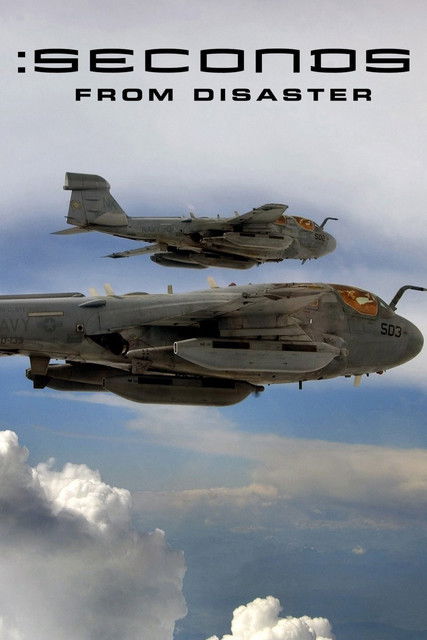
Seconds from Disaster is a US/UK-produced documentary television programme that investigates historically relevant man-made and natural disasters of the 20th century. Each episode aims to explain a single incidental by analyzing the causes and circumstances that ultimately effected the disaster. The program uses re-enactments, interviews, testimonies, and CGI to analyze the sequence of events second-by-second for the audience. Narrators for the show are Ashton Smith, Richard Vaughan and Peter Guinness.

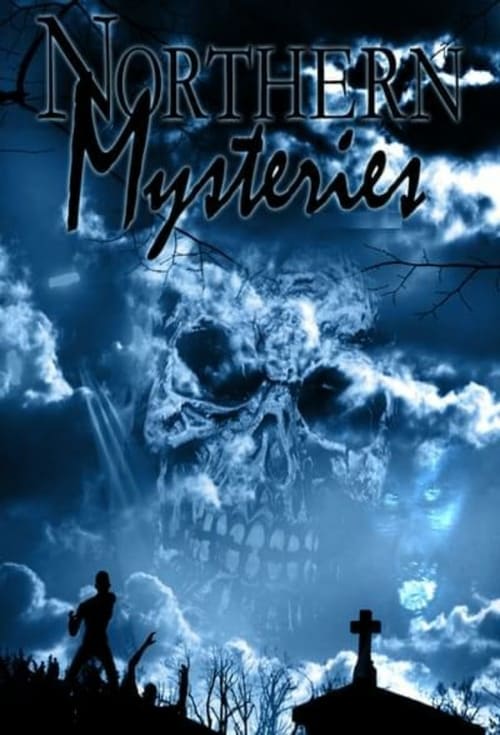
Northern Mysteries is a docudrama-style television program that retells some of the stranger events in Canadian history, dealing with ghosts, paranormal events, lost treasures and bizarre murders. Hosted by Kenneth Welsh each episode usually tackles two events or subjects, by discussing with Journalists, the police and eye witnesses a complete account of what happened, as well as re-enacting the events for entertainment purposes. Original versions of each episode were released in both English and French.
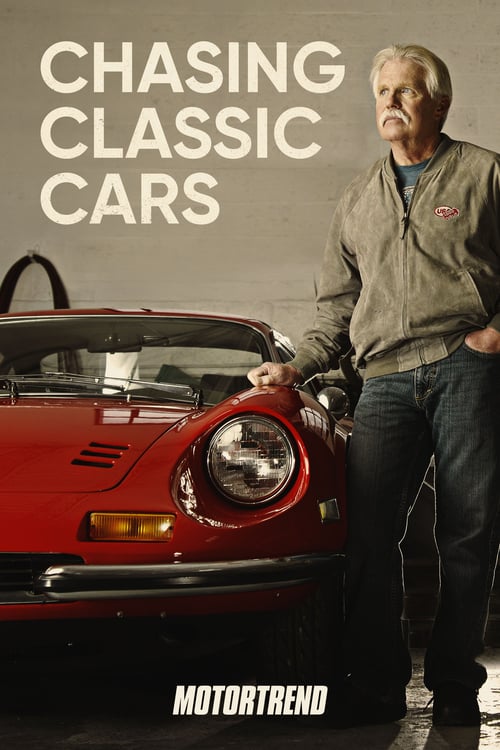
Chasing Classic Cars follows master car restorer Wayne Carini as he embarks on a mission to uncover the world's most rare and exotic cars. Get an insider's look at the elite club of car collectors as Wayne buys, restores, and sells vintage rides.


KinK was a Canadian documentary television series, which first aired in 2001 on Showcase. The series profiled some of the more unusual edges of human sexuality, primarily the kink and fetish scenes. It was filmed in Montreal, Toronto, Vancouver and Winnipeg; the fifth season, set in Halifax, Nova Scotia, first aired in September 2006. KinK was produced by Vancouver's Paperny Films.
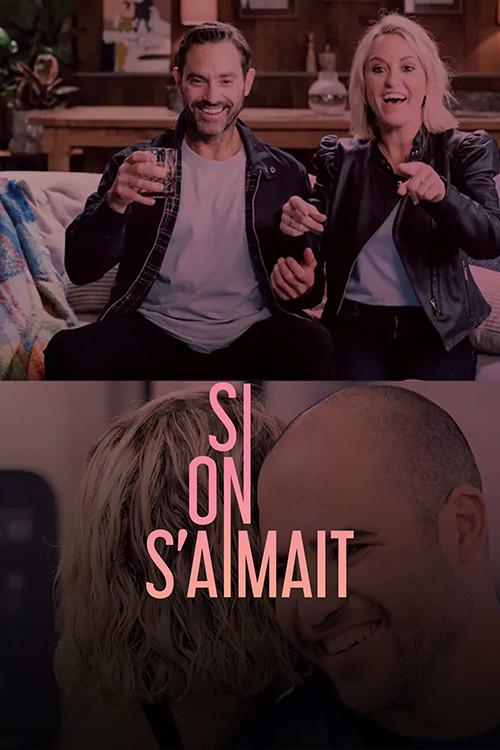
Follow single men and women in a unique experiment to try to break their bad relationship habits and understand why their past experiences have been so unsatisfying. Viewers and contestants alike benefit from the useful advice dispensed by sex therapist Louise Sigouin.

Behind the scenes with the West Midlands Police Drone Unit who hunt criminals from the sky. Drone tech is a specialist ultra-modern tool that has the capacity to help officers as they conduct investigatations and attempt to track criminals. The Unit pursues suspected wrongdoers as they try to hide up in the trees, discard drugs, or run away from the scene of a crime. The Sky Coppers make it a point to watch from above because, as they know from experience, criminals always forget to look up.
A reality show that follows singles yearning for a life-long partnership as they agree to a provocative proposal: getting legally married to a stranger the moment they first meet.

Join adventurer Miquel Silvestre as he travels across continents on his motorcycle, retracing the paths of historical explorers. From remote landscapes to vibrant cultures, this series offers a unique blend of thrilling travel, rich history, and unforgettable encounters with the people and places that shaped the world.
Willi is traveling all over Germany to explore different professions, places, processes, and connections. Can he do the same when it comes to difficult and uncomfortable topics?

Dom Littlewood looks at clever new ways that the police and the public are catching crooks red handed.
These are the adventures of Coestar in the world of Minecraft!
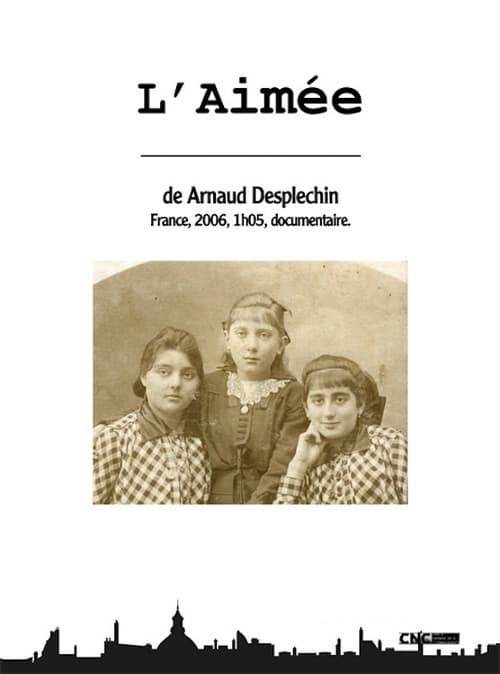
Arnaud Desplechin documents the selling of his family home.
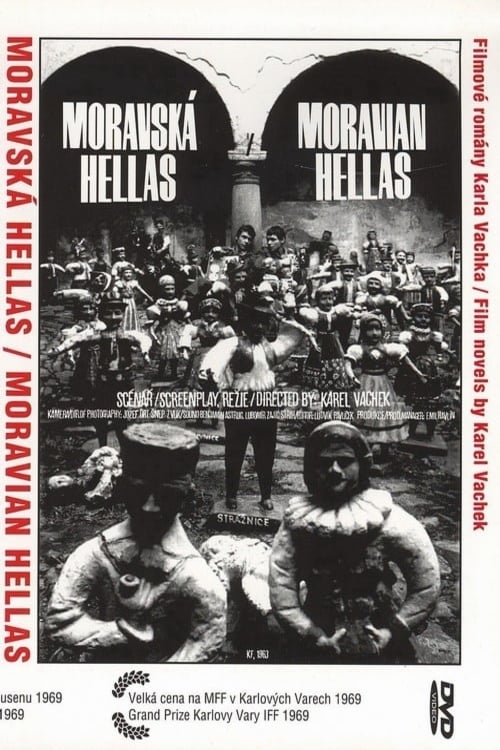
Karel Vachek’s graduate film offers us a documentary essay which is both a light-hearted and aggressive little piece and also a parody of investigative film journalism. The Strážnice folk festival, backed by the cultural Party apparatus of the time, for years had little to commend itself to authentic folklore. In the film the event assumes the form of a bizarre stage spectacle with almost surrealistic elements that Vachek reinforces with unconventional approaches (commentary appearing as titles on screen, singing, declamations into the camera, feature etudes, the fusion of news coverage and fiction). The result is a stirring film collage depicting various characters, from crowd-pleasers, Easter egg decorators, kitsch artists and peddlers, to museologists and local residents, all of whom come up against the eccentric "identical” twin reporters Karel and Jan Saudek and a bored actress who appears as an extra. Using their special blend of irony and wit, they present us with the sad truth.

The first account on film of the growth of multinational corporations, their impact on people at home and abroad, and their influence on U.S. foreign policy. This is the film that helped kick-off the anti-globalization movement. Upon release, it quickly became a standard "audio-visual text" for those concerned about the growing impact of multinational corporations on global affairs. The film examines how the ever-increasing concentration and velocity of capital affect employment in the U.S., shape patterns of development in the Third World, and influence our nation's foreign policy.

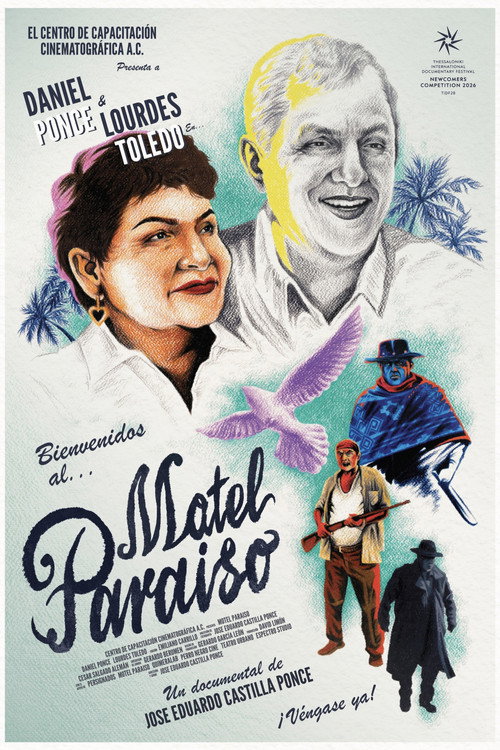
In a coastal town on the Gulf of Mexico lives the insubordinate Daniel, the owner of a small motel. We get to know him through his grandson’s eyes, who decides to use the very same VHS camera that Daniel once used to record him as a child. Through this role reversal, the camera documents Daniel’s daily life as a motel owner in a candid, effortless, yet humorous manner, gradually unveiling his larger-than-life personality and his somewhat tumultuous relationship with his wife, Lourdes.
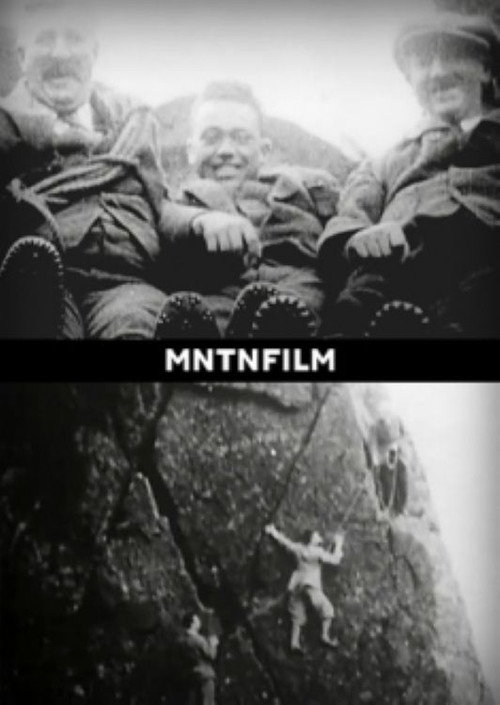
Extract from a Pathe Review showing a team of men, including the Abraham Brothers, George and Ashley, climbing lower slopes before ascending Napes Needle, Great Gable. Climbers pose with their boots for the camera then tackle the rock face, including a view of the Wasdale valley below. George Abraham leads the Arête Route. Finally the mountaineers are seen reaching the top of the Needle. George and Ashley Abraham, the brother climbers and photographers from Keswick, recorded in pictures the evolution of early rock-climbing in the English Lake District.
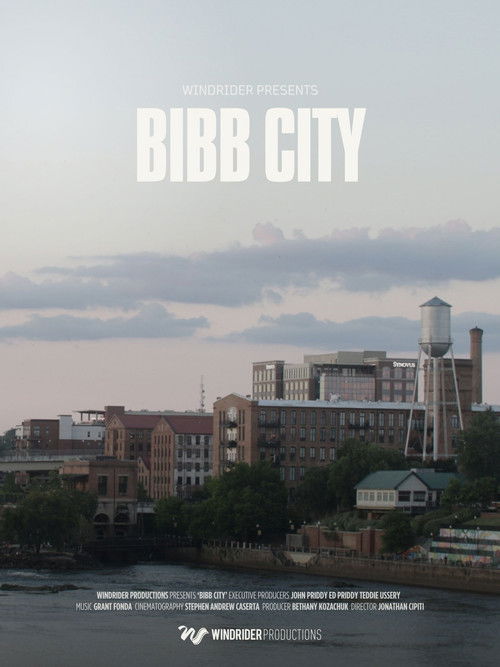
Three organizations link arms in an old manufacturing town to show what it truly means to love your neighbor and bring hope to a city and its people.
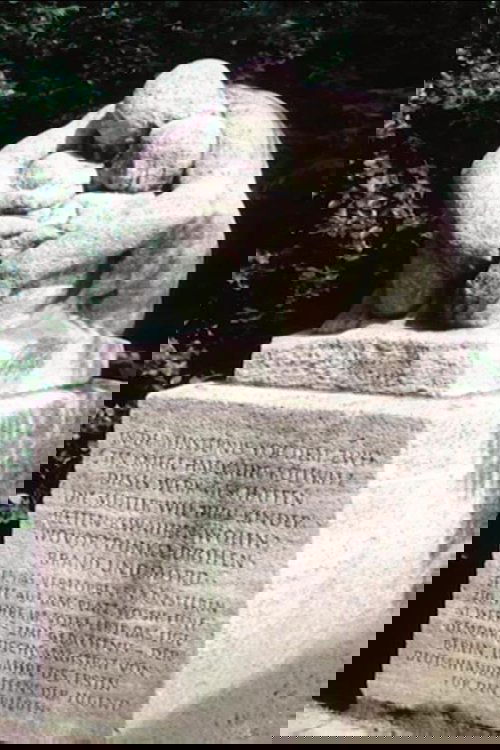
Based on the life experiences of photographer Horst Sturm, the story of Kollwitzplatz in Berlin is retold.
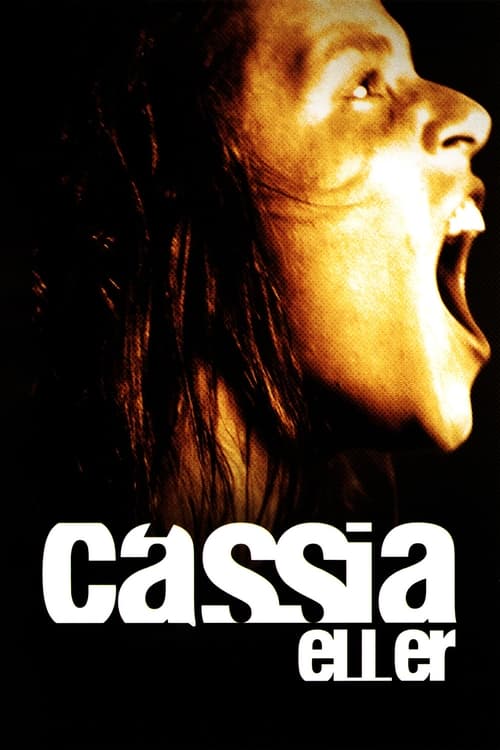
Cássia Eller Rejane. Cássia Eller. Cássia. A powerful restless force on stage, shined herself out of it. One of the greats of Brazilian music, Cássia Eller marked the 1990s and shocked the country with her early death in 2001. A film about the singer, the mother, the woman who exposed her personal life and broke barriers, leaving a beautiful social and artistic legacy.
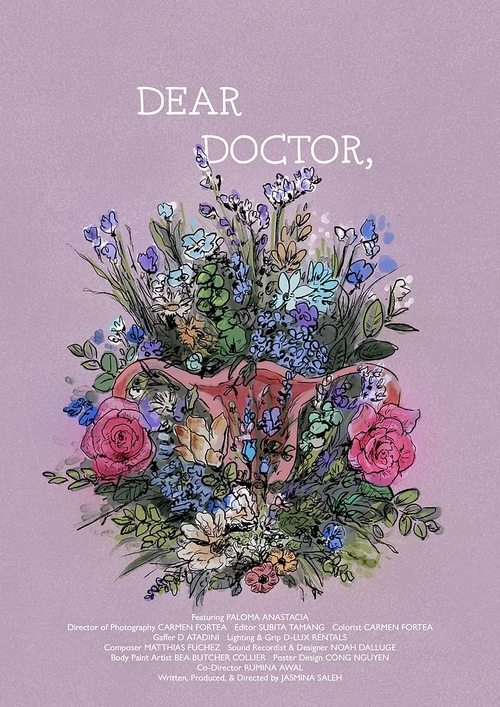
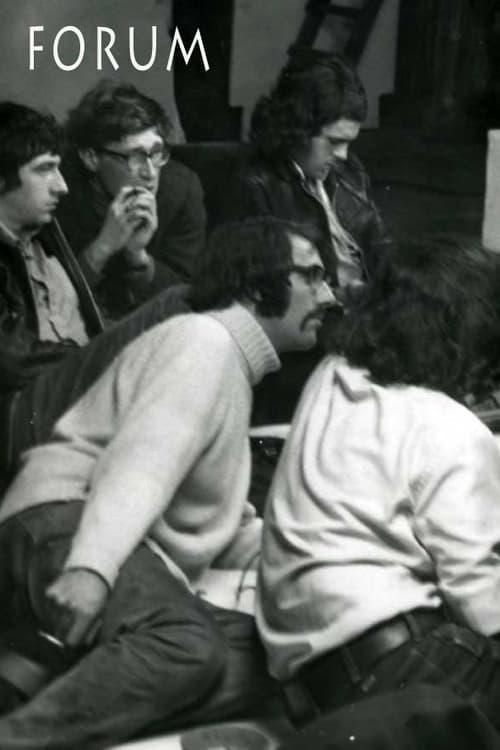
Recording of a tense discussion between three people around the question of "revolution". Steve Ben Israel (member of the Living Theatre), James Cellan (BBC director) and David Autie (sculptor) confront each other in a debate that provoked a strong political and radical awareness among the students of the Royal College of Art in London. The screening of the document led to the return to school of five students who had been unjustly expelled by the school administration.

Director's statement: "Back home in Hawaii this past summer, the thing that mesmerized me most was the massive amounts of development in the city. This shifting skyline — 22 condos going up in Kakaako alone, I’m told. I’m neither for nor against all this change but I’m not ambivalent either, transitions are always powerful."
A group of girls from Buenos Aires meets with the opportunity to make films for the first time and discover a world they thought was foreign to them. Through a film workshop, Ari, Ruth, Azu, and Nayla embrace filmmaking as a form of expression. Their personal experiences connect with the images they see in films, and their context is redefined when it is intertwined with cinema.
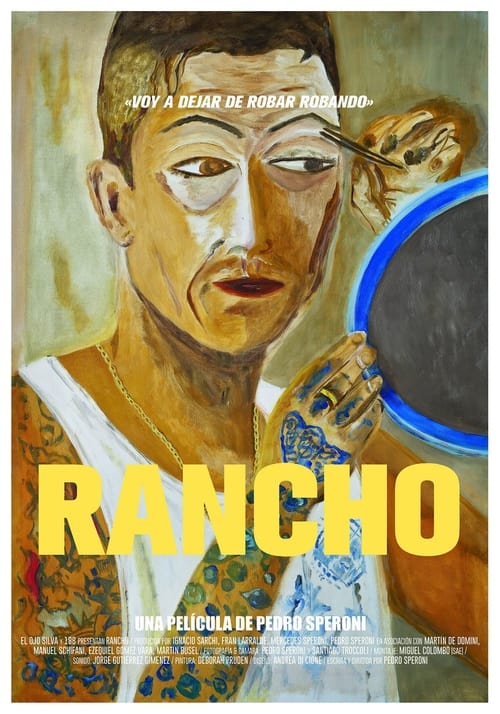
At a maximum security prison, a boxer searches for his freedom and receives advice from the leader of the cell block , along with a group of young men who want to be millionaires and another one who has just been imprisoned for murder. The director of the films coexists with them and obtains a portrait from the edge.
A short view of the life of Miguel de Los Santos Moreno, a security guard of Instituto Tecnológico de Santo Domingo (INTEC).
Documentary about Brazilian actress Sandra Bréa.

An introduction to the employment picture in Canada in the late 1950s, designed to inform potential immigrants of job opportunities existing for women. The film reviews many fields of work in which women are engaged, ranging from the highly specialized to the unskilled, and shows much of it being performed by women who have come to Canada from many different lands. Placement services and information services established to help newly arrived immigrants are shown in operation. Viewed from a modern perspective, the greater part of the film accepts as normal the waste of women's talents in repetitive or service jobs while elevating this work to the status of a career. Currently distributed only in 13-minute abridged form.

Wandering Heart intimately follows Caetano from São Paulo to New York and Japan, during the release of his first album recorded solely in English. It takes considerably more than a week-long series of shows at Carnegie Hall, accolades in the New York Times, or the admiration of friends like Pedro Almodóvar, David Byrne and Michelangelo Antonioni to make Caetano feel comfortable outside of Brazil.
Documentary film.