Protocol Archives • Browse all Documentary titles in HD
The spectrum of topics ranges from political history with a focus on contemporary history (especially National Socialism and post-war history) to cultural history and social history. In addition, ZDF-History also regularly deals with pre-modern history, art and cultural history.

Host Guy Fieri takes a cross-country road trip to visit some of America's classic "greasy spoon" restaurants — diners, drive-ins and dives — that have been doing it right for decades.

Follow the deadliest conflict in human history in real time, week by week, blow by blow.

Exclusiv: das Starmagazin reports on the latest news and topics from the world of celebrities on a regular weekly basis. It covers the latest headlines relating to the stars as well as rumors and insights into the everyday lives of famous personalities around the globe. In addition to the 15-minute weekday magazine, there is a particularly detailed one-hour weekend edition on Sundays with additional reports and background reports on the celebrities.


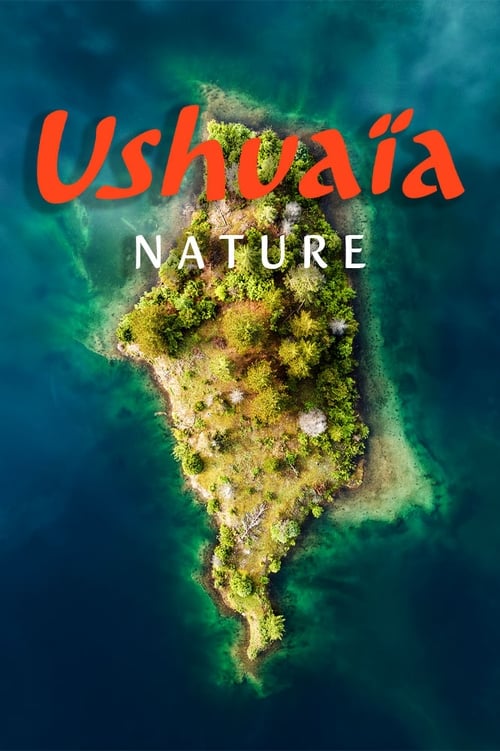
In each episode, an exotic part of the world, of various extent, either on land and/or in the sea, defined by natural geography or human population, is presented. Native wildlife, natural conditions and their interaction with local people are examined.
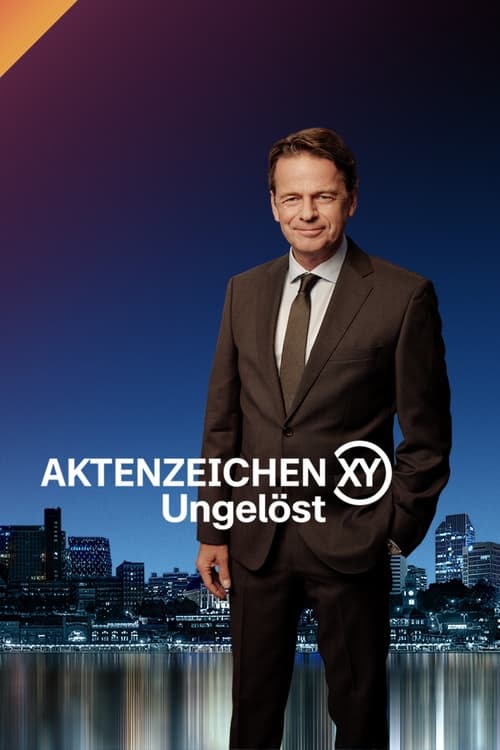
Aktenzeichen XY … ungelöst is a German television programme broadcast since October 1967 on ZDF that aims to combat and solve crimes. Until 2003 it was produced in co-operation with the Austrian public service broadcaster ORF and Schweizer Fernsehen, a division of the Swiss public broadcaster SRG SSR idée suisse. It was the basis for the BBC show Crimewatch, the Dutch show Opsporing Verzocht and its US equivalent America's Most Wanted.
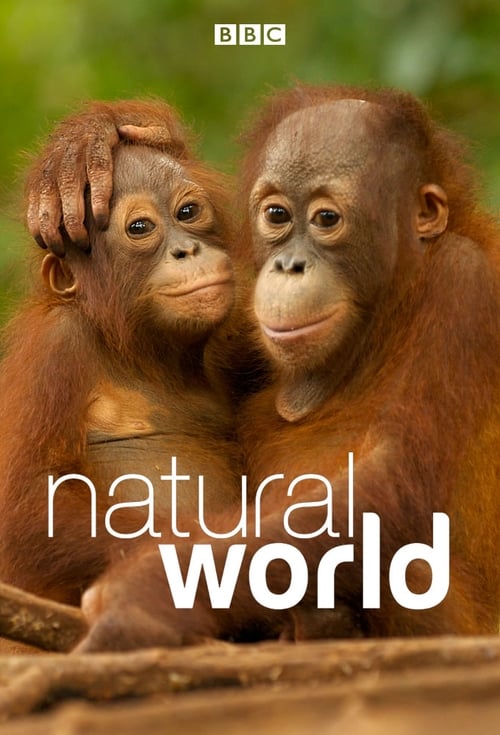
Natural World is a nature documentary television series broadcast annually on BBC Two and regarded by the BBC as its flagship natural history brand. It is currently the longest-running series in its genre on British television, with more than 400 episodes broadcast since its inception in 1983. Natural World is produced by the BBC Natural History Unit in Bristol, but individual programmes can be in-house productions, collaborative productions with other broadcasters or films made and distributed by independent production companies and purchased by the BBC. Natural World programmes are often broadcast as PBS Nature episodes in the USA. Since 2008, most Natural World programmes have been shot and broadcast in high definition.

Weekly investigative magazine presented by Bernard de la Villardière offering reports on international news.

Extra 3 is a political satirical magazine from Norddeutscher Rundfunk (NDR).


An 8-part essay film chronicling the history of cinema, examining the history of the concept of cinema and how both relates to the 20th century.
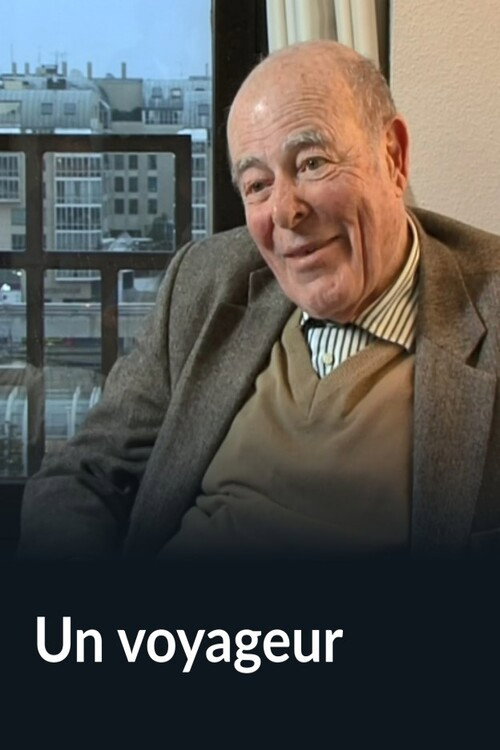
18 years after his last film, (The Troubles We've Seen), Marcel Ophuls emerges from retirement as one of our last masters, the most corrosive, the funniest as well. And the most forceful. The director of The Sorrow and the Pity shares with us stories of his exceptionally rich life in this light-hearted yet bitter escapade though the century and the movies. Son of the great Max Ophuls, he is generous in his admiration. We also meet Jeanne Moreau, Bertolt Brecht, Ernst Lubitsch, Otto Preminger, Woody Allen, Stanley Kubrick and of course François Truffaut. There are no great filmmakers without a memory, so here is the memory shop of Marcel Ophuls.
'Coffea arábiga' was sponsored as a propaganda documentary to show how to sow coffee around Havana. In fact, Guillén Landrián made a film critical of Castro, exhibited but banned as soon as the coffee plan collapsed.
All floors of the exhibition house are filled with full-length video projections and a continuous sound track. Surrealistic representations of nature on the ground floor lead to a synchronized 3-channel installation on the upper floor, in which the world increasingly becomes a representation of inner states. The perception of a woman, who is not visible but whose thoughts are audible, is sharpened in solitude and she herself becomes more and more the subject of her own investigation. The exhibition ends in a protected, binaural listening experience in the attic.
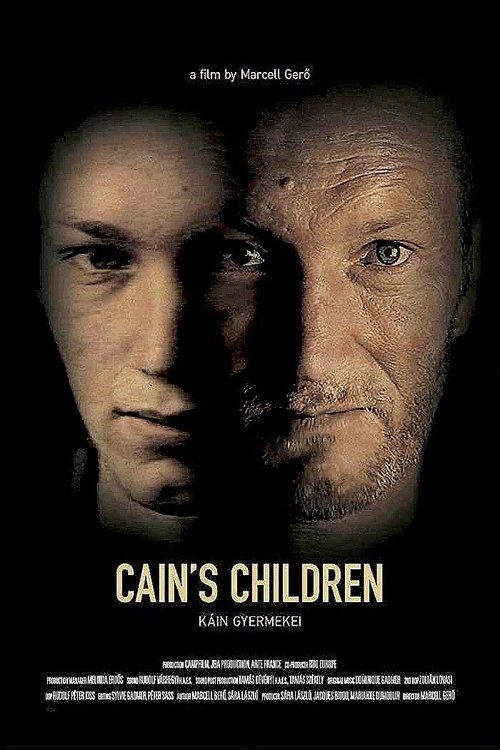
Three boys, they all committed murder. After discovering their haunting faces and disturbing stories in a banned prison documentary from 1984, the filmmaker goes out to find them and discovers untold secrets and a Hungary he has never known.
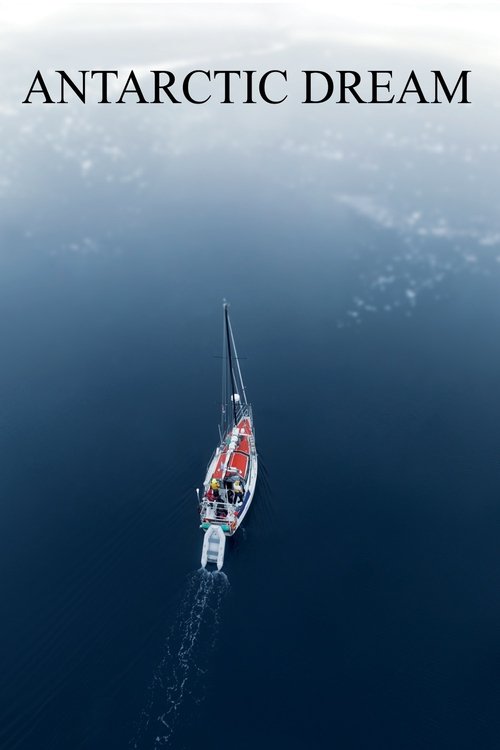
In this spectacular real-life adventure, a small team of Argentinean mariners sets sail for Antarctica in a custom-built sailboat. But to get there they and their vessel will have to brave the treacherous Drake Passage, one of the most dangerous bodies of water on Earth.
This short impressionist documentary looks at the creation of a Button Blanket by integrating the performance of a traditional dance with the art of the West Coast Heiltsuk Nation.
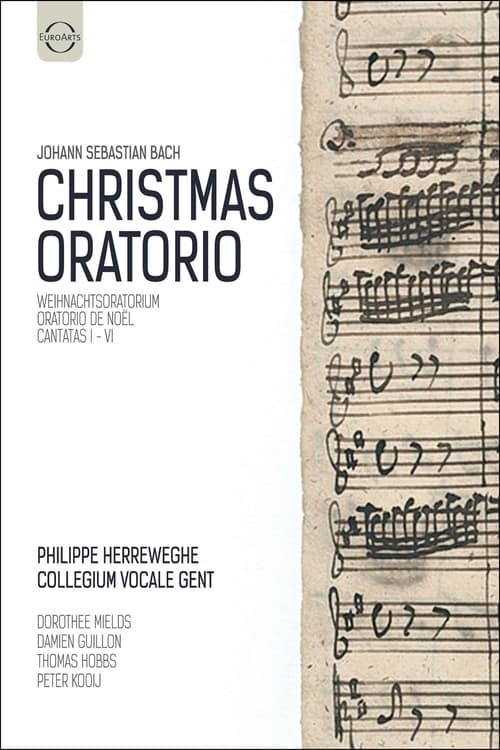
This recording of all six cantatas from the Salle Henry Le Bœuf in the Palais des Beaux-Arts in Brussels, Belgium, in December 2012 features internationally renowned Bach expert Philippe Herreweghe and the Collegium Vocale Gent.
A revealing journey into the 'legal' cockfighting culture in Puerto Rico seen through the lives of a trainer, teacher, and veteran involved in this controversial global sport.
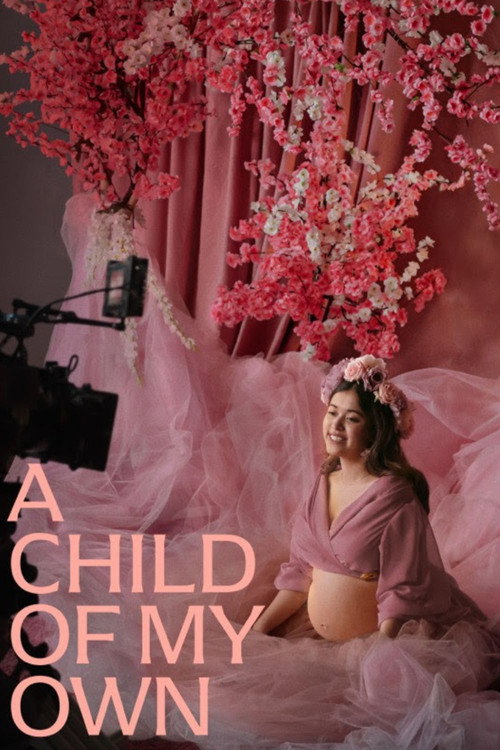
Desperate for a baby and burdened by family and societal expectations, a woman fakes a pregnancy and gets tangled in a crime.
SELECTION documents a KISZ (Hungarian Young Communist League) chapter at an oil refinery that is interested in hiring a musical act as entertainment for young workers. The documentary shows the group discussing their criteria for the band, as well as their interviews with the individual bands. It is quickly apparent that the group isn’t interested in any sort of musical talent or the potential audiences’ interest. Rather, they are focused on ideological or moral issues that may be perceived as negative, such as groupies or outfits that are seen as too trendy. They settle on the musical group that is potentially the easiest to control, the youngest band. SELECTION works as a larger metaphor for what censorship was like in Socialist Hungary and was banned from being publicly screened until 1982.
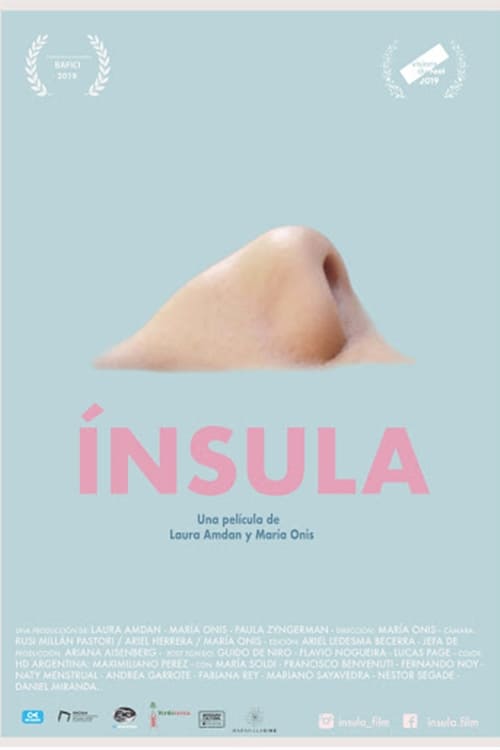
An anthropology student and her companion, a film student, want to direct a documentary about a community of hunter-gatherers in Argentina. The difference between the well-off young urbanites and the filmed subjects appears in the first shooting moments already: the sound recorder obsessed with the loss of his Swiss Army knife, incongruous yoga sessions in the middle of a miserable village, tedious explanations causing perplexity and quiet irony on the part of the Wichi, whose full collaboration is still required for this project that intends to ‘increase the visibility’ of a traditional way of life threatened by land disputes...
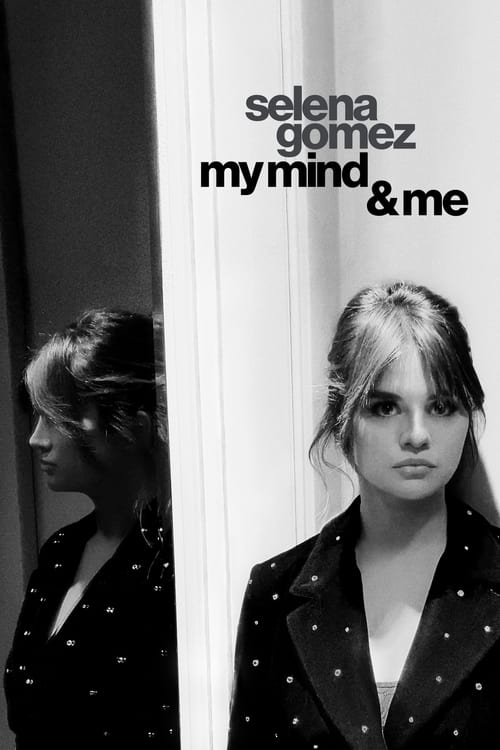
After years in the limelight, Selena Gomez achieves unimaginable stardom. But just as she reaches a new peak, an unexpected turn pulls her into darkness. This uniquely raw and intimate documentary spans her six-year journey into a new light.
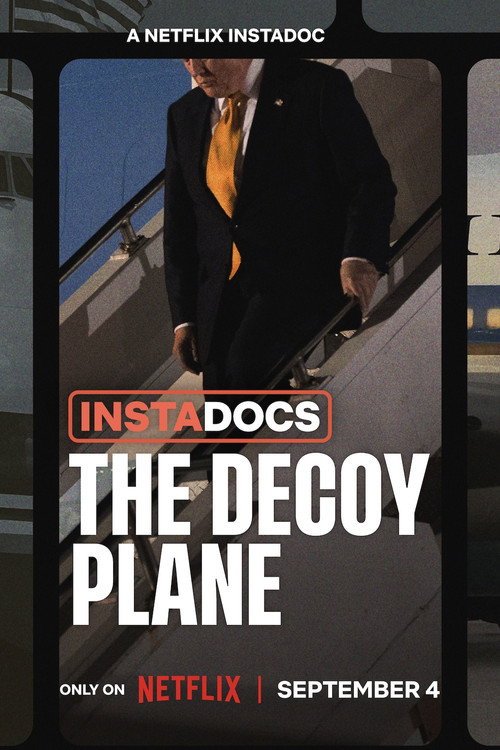
A critical threat. A clandestine escape. And a Turkish catering truck? With firsthand accounts, "Instadocs" digs into what happened aboard Air Force One.
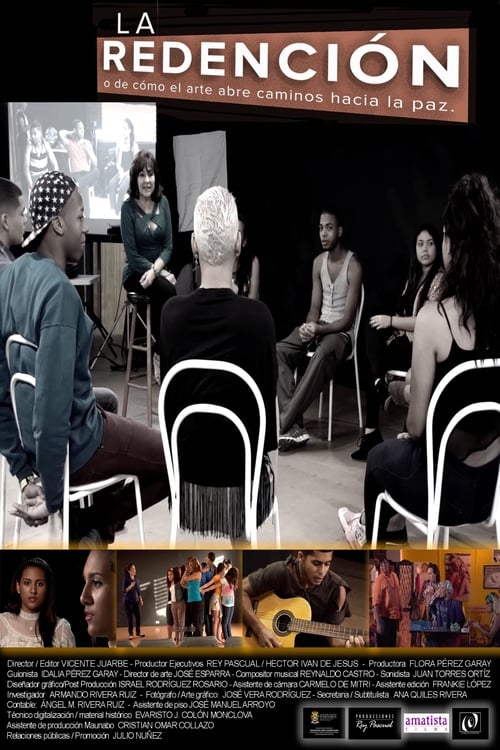
Portrays the importance of the use of art in the formation of adolescents; the use of art, in all its manifestations, as a tool to help them meet themselves, to resurface their emotional, spiritual, and psychological life.
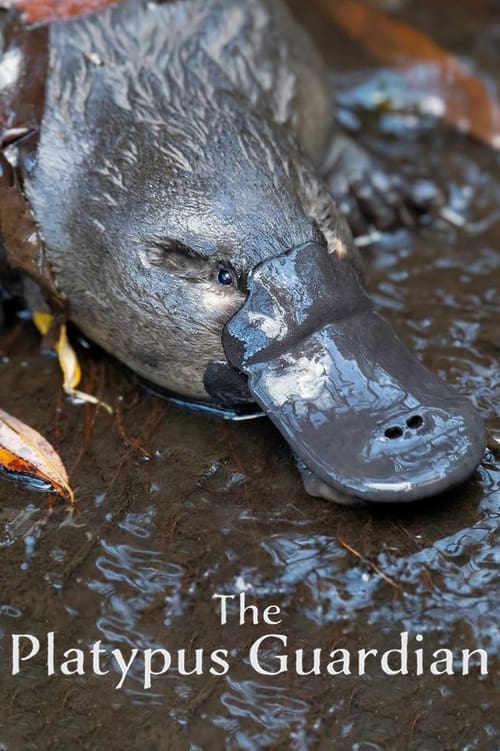
Pete Walsh is a Tasmanian obsessed with one of nature’s least understood creatures, the platypus: an egg-laying, duck-billed, venom-spined, furry-coated underwater mammal. The natural environment of the platypus is in danger from urban development in the capital city of Hobart. With the help of experts, Pete embarks on a mission to rally his community and save the species before it is too late.

How the American coffee chain, now global, has conquered the urban middle class. This investigation on three continents reveals the carefully hidden face of the brand.
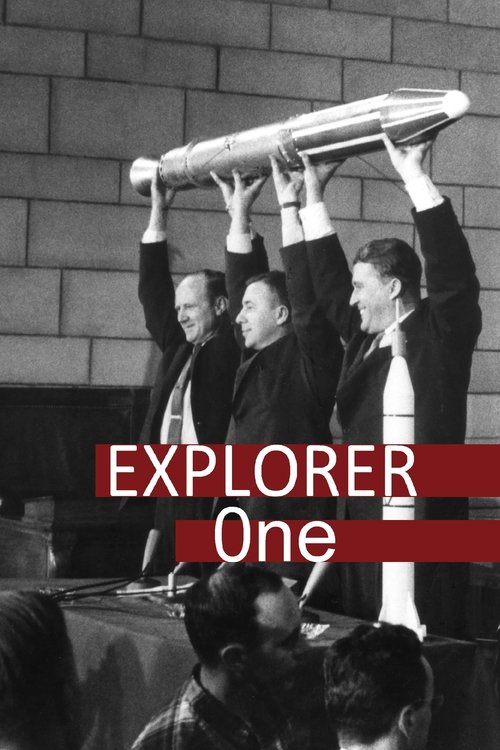
"Explorer 1" is the second episode of "Beginnings Of The Space Age". The 60-minute documentary reveals how JPL and the U.S. Army could have been the first to place a satellite into Earth orbit, had they only been given the chance. That opportunity was lost when the Eisenhower administration, unsure of what the Soviet reaction would be to a satellite launched (in part) by the U.S. Army military, hesitated and assigned the project to a civilian-led program called Vanguard. The Soviet Union launched Sputnik in October 1957, shocking the world and creating the "Race for Space" in the midst of the Cold War. Only after the Vanguard rocket exploded on the launch pad were JPL and the U.S. Army given its chance. The result was Explorer 1, the first successful U.S. satellite, which also achieved the first space science results.

This film is a poetic composition of recorded history and non-recorded memory. Filmmaker Rea Tajiri’s family was among the 120,000 Japanese and Japanese Americans who were imprisoned in internment camps after the attack on Pearl Harbor. And like so many who were in the camps, Tajiri’s family wrapped their memories of that experience in a shroud of silence and forgetting. This film raises questions about collective history – questions that prompt Tajiri to daringly re-imagine and re-create what has been stolen and what has been lost.