Protocol Archives • Browse all Documentary titles in HD
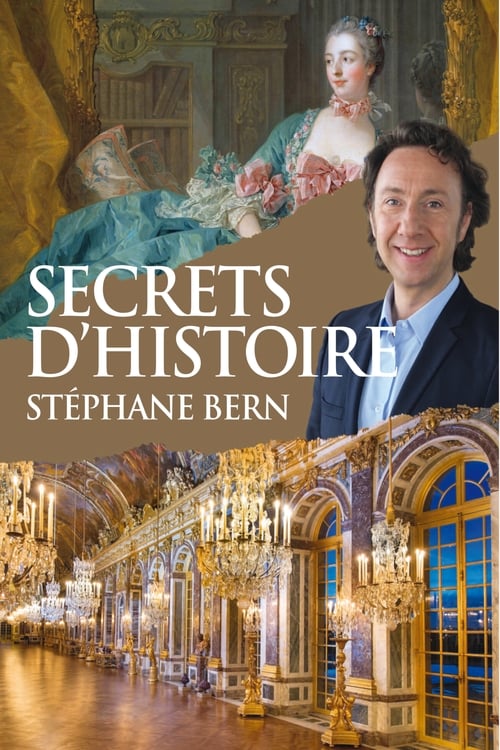
Series of feature-length documentaries about persons of interest throughout history, including many royals, both French and from other European countries.

The '90s was the decade when high fashion walked off the runway and into mainstream culture. Featuring an A-list cast from the worlds of fashion, film and music, alongside Vogue's Anna Wintour and Edward Enninful, this landmark series reveals the inside story of the 90s' most celebrated fashion and pop culture moments.

Throughout the centuries great empires have been erected, whose creators have governed nations, regions and continents for hundreds and even thousands of years. From the great civilizations of antiquity to the first world powers of our days, this series reviews the legacy left to us by the great empires that have written the history of humanity. Combining computer-generated images with dramatic reconstructions, experts and historians analyze the role these civilizations have played and how their heritage has survived to this day.
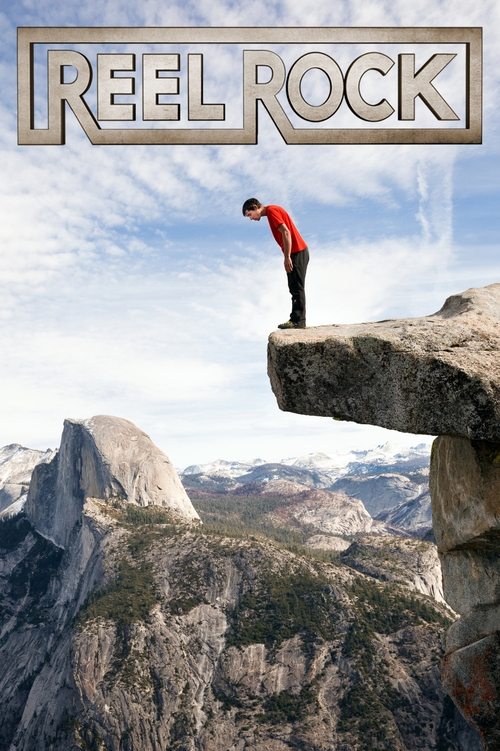
Every fall the REEL ROCK Film Tour brings the year's most exciting new climbing films to live audiences around the world. For 2010, the tour features six amazing short films, with stories from the cutting edge of alpine climbing, bouldering, sport climbing, and traditional climbing.
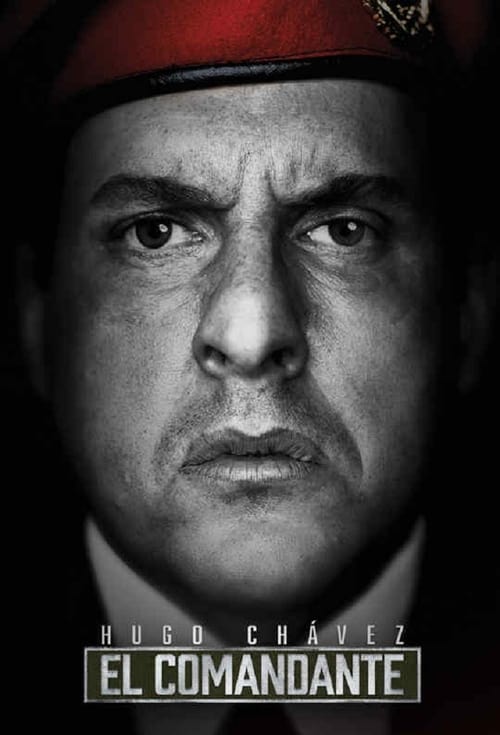
The life of Hugo Chavez; from childhood, his arrival to power, confrontations, and loves to his last days as president.

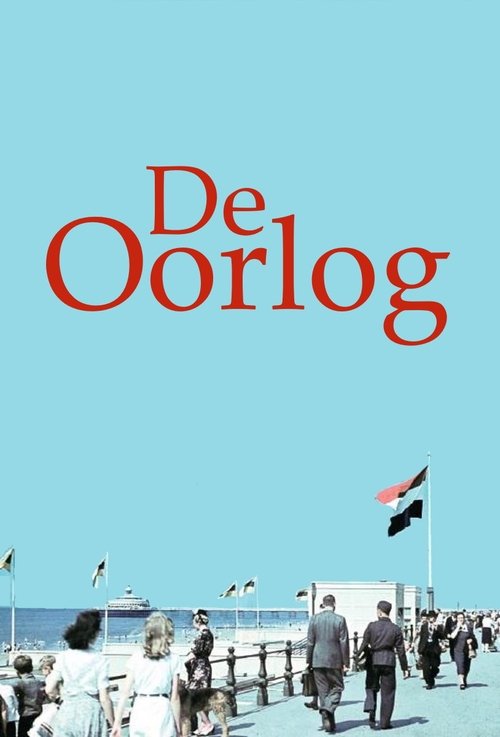

The 21st century may be the most peaceful in history so far, but we are still not completely free from wars and conflicts. From 1980 to the present day, Modern Conflicts explores recent struggles between nations and peoples.
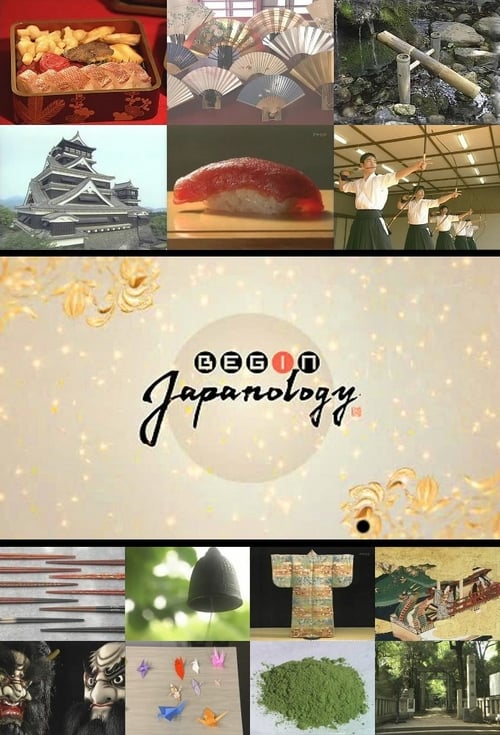
BEGIN Japanology invites you into the world of Japanese culture, both traditional and modern, explaining how traditions evolved and the part they still play today in people's everyday lives.


"Il testimone" (i.e. The witness) is a tv show created, made and presented by Pif. Every episode consists of a "mini-reportage", filmed through a little camera that Pif brings himself. This makes the spectator feel as if most of the tv filtres are removed and thus they can almost witness the events with their own eyes and feel directly involved in the social messages brought on by the show. Themes vary: they go from interviews to famous individuals, to trips, to the work of associations or even small everyday realities.
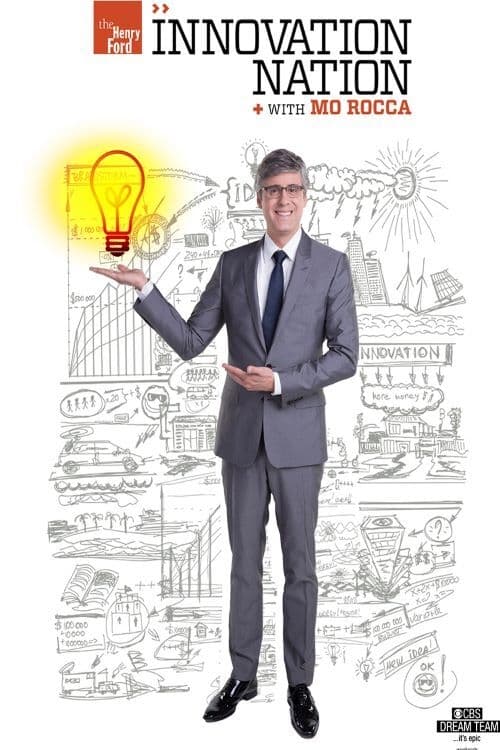
The Henry Ford’s Innovation Nation is a weekly Saturday morning show on CBS that showcases present-day change-makers from all over the world who are creating solutions to real needs. It is hosted by news correspondent and CBS Sunday Morning regular Mo Rocca. Each episode presents stories related to the process of innovation and also includes one story on The Henry Ford—its Archive of American Innovation, its unique visitor experiences and its unparalleled expertise. The intent is to stimulate curiosity and to inspire audiences with entertaining yet educational stories about yesterday and today’s visionaries and turning points that changed the course of history, as well as innovations and inventions that are changing the world today. The Henry Ford’s Innovation Nation is produced in partnership by The Henry Ford and Litton Entertainment, a leading independent production and distribution company.

A showcase of the wonders, secrets and fragilities of the Americas, narrated by Tom Hanks.
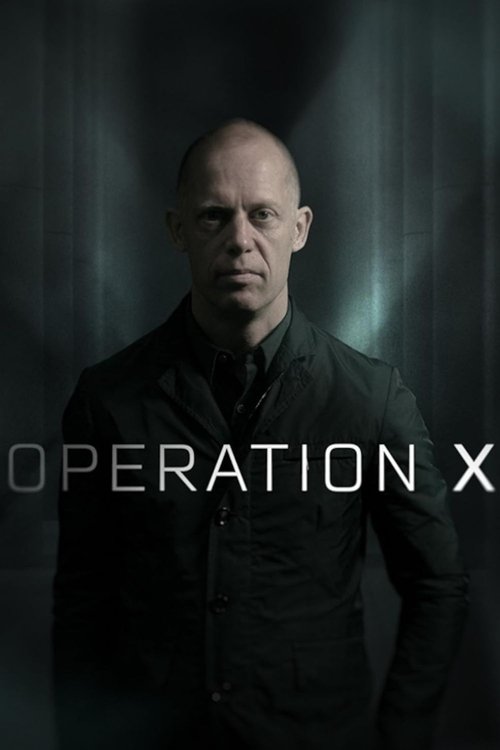
With Morten Spiegelhauer as the front man, Operation X reveals covert conditions and cases!
Revealing the truth behind the controversial deaths of some of the most famous celebrities. Crucial medical evidence gained from the actual autopsies explains what killed the stars and reveals how they died, finally putting an end to the speculation.
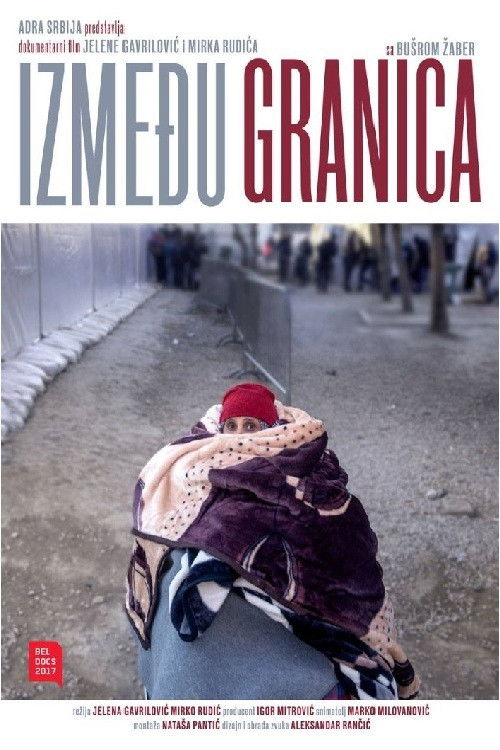
The film follows the refugee crisis in 2015 and 2016 from the perspective of a young Lebanese woman, Boushra Jaber. She came to Serbia in 2015 to work on her PhD. Driven by a deep desire to help she started working as an Arabic translator in a refugee camp in Presevo, on the Serbian-Macedonian border. During her three months in the field, Boushra faced personal and professional challenges that put her beliefs to the test.
This charming and casually reverent work is an authorized single-screen version of an installation by celebrated video artist Ahtila. Amid stunning snow-draped forests, a women’s theatrical group rehearses a stage version of the Annunciation (the director is played by Aki Kaurismäki’s signature actress Kati Outinen), in the process discovering the parallel worlds of humans and animals, and the proximity of the ordinary to the miraculous.
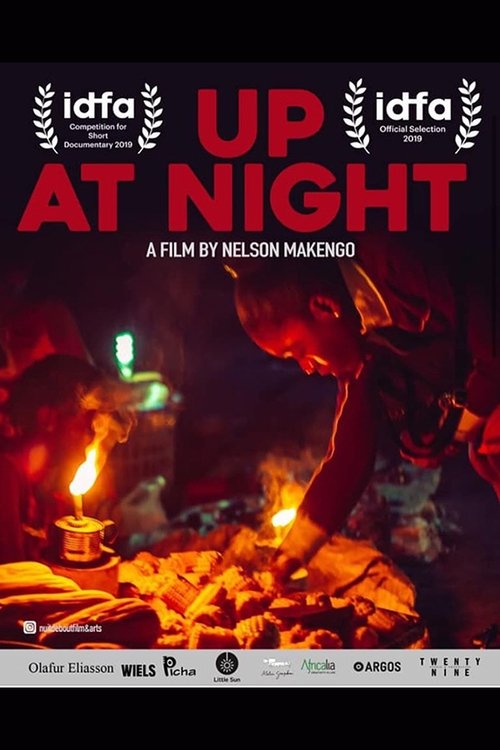
Although Nuit debout opens with a woman’s account deploring the shortage of electricity in Kinshasa, the direct nature of the invective is put at a distance by the way it is treated: the image that should accompany the voice is first absent, then tripled. The film seems to be the result of a mischievous prism that sometimes multiplies the image, sometimes associates it with others. By combining colourful shots bordering on the abstract with ambient sounds, the filmmaker proposes a personal variation on a documentary tradition: that of the urban symphony. The visual stream is as precarious as the electric current and it happens that darkness invites itself onto the screen without warning. The images echo each other or are sometimes attuned to create veritable triptychs.
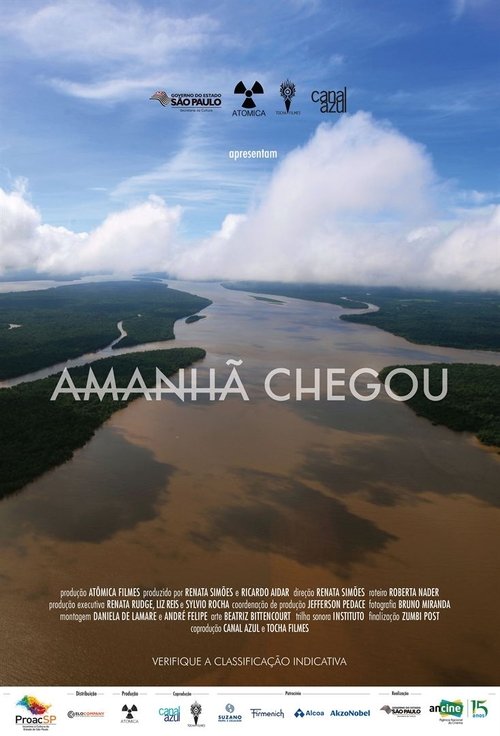
Explores the history of kraft paper in Mexico, a material crucial to the country’s modernization. Once used to wrap cement for state-sponsored construction projects, this resilient paper now survives only in fragments—trees, objects, and the memories of the workers who produced it. Through interviews and nostalgic imagery, the story reflects on Mexico’s industrial past and the faded infrastructure that shaped its modernity.
The connection between these three short films is initially indicated by their sound and music: In all three films, Lee Anne Schmitt does without direct sound and dialogue, letting the music of Jeff Parker accompany the images. In the first miniature, Schmitt films graves from the American Indian Wars as silent witnesses of a past that have left their traces on the collective American consciousness. Subsequently, we see blackandwhite street scenes in Hollywood, which are followed by almost familiar images – a garden bench, a bouquet of flowers. Thus history, the public and the private form a new, abstract and yet tangible unity.
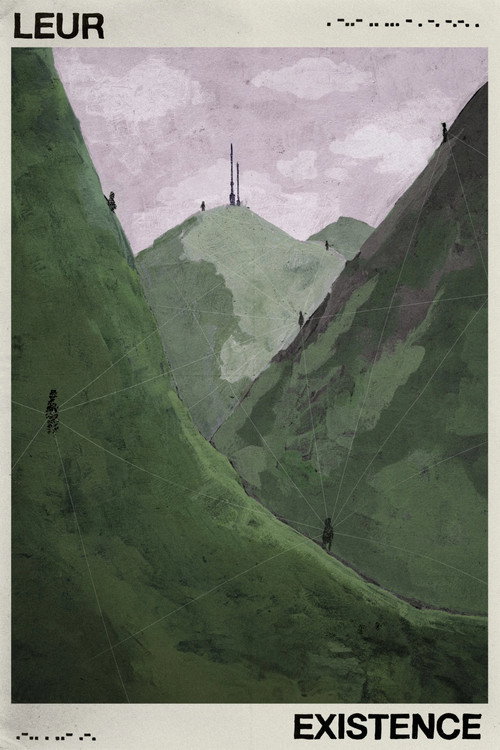
In the city, atop a mountain, and out in space, amateur radio operators wander through the airwaves in search of human connections.

This documentary tells the personal story of filmmaker Jari Osborne's father, a Chinese-Canadian veteran. She describes her father's involvement in World War II and uncovers a legacy of discrimination and racism against British Columbia's Chinese-Canadian community. Sworn to secrecy for decades, Osborne's father and his war buddies now vividly recall their top-secret missions behind enemy lines in Southeast Asia. Theirs is a tale of young men proudly fighting for a country that had mistreated them. This film does more than reveal an important period in Canadian history. It pays moving tribute to a father's quiet heroism.
A free-flowing, poetic short film filled with expressionist imagery, old photos and abstract moments, led by a voice-over in which the director tells us personal memories of his youth and his recent life in the hopes of sketching a clear image of the complex struggle of growing from an innocent child to a weary adult.
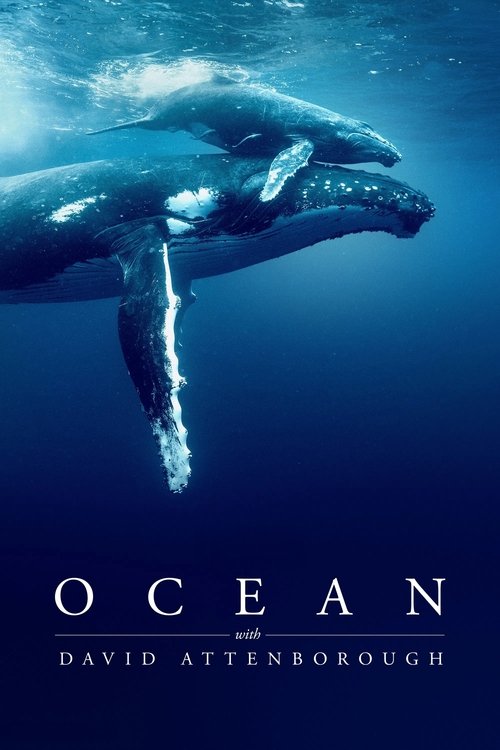
David Attenborough takes viewers on a breathtaking journey showing there is nowhere more vital for our survival, more full of life, wonder, or surprise, than the ocean. Through spectacular sequences featuring coral reefs, kelp forests and the open ocean, Attenborough shares why a healthy ocean keeps the entire planet stable and flourishing.
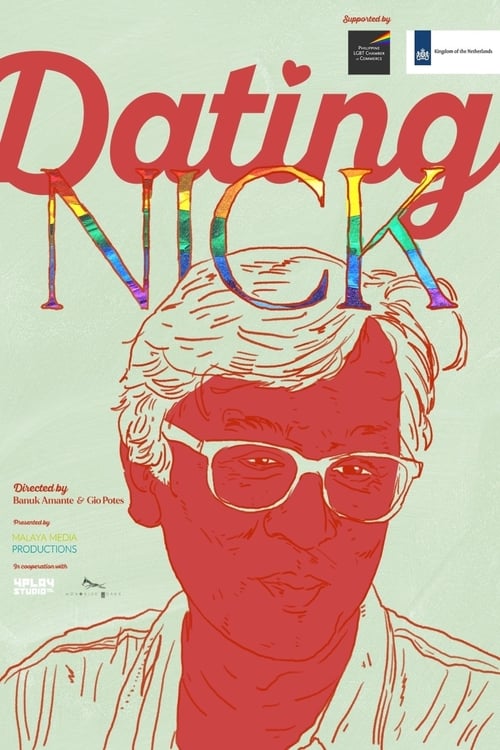
Nicolas Deocampo--a prominent Filipino filmmaker, academic, historian and activist--goes down memory lane in this intimate vignette and paints through his piercing poetry and gripping visual images—the wins of the LGBTQIA movement as he retells his own struggle in finding love and belonging.

A documentary on one of the most important Portuguese Plastic Artists, with greatest International projection. Shown here are his techniques, themes, and obcessions developed for over two decades, as well as its ramifications into different supports such as Video, Photography, literature, taking the rare oportunity granted by a full retrospective of his work at the Gulbenkian Foundation in Lisbon, including the works dispersed through International collections.
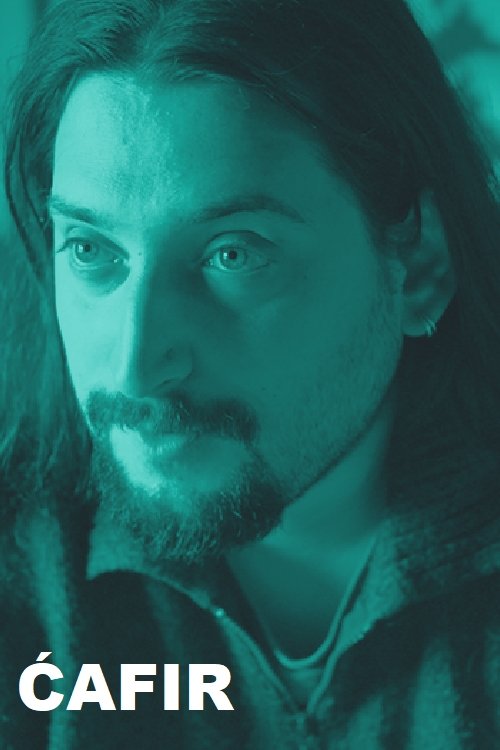
Feature documentary about a young man, Dino, who spent a part of his youth in a closed radical religious communes of “vahaby” movement in Bosnia and Herzegovina.
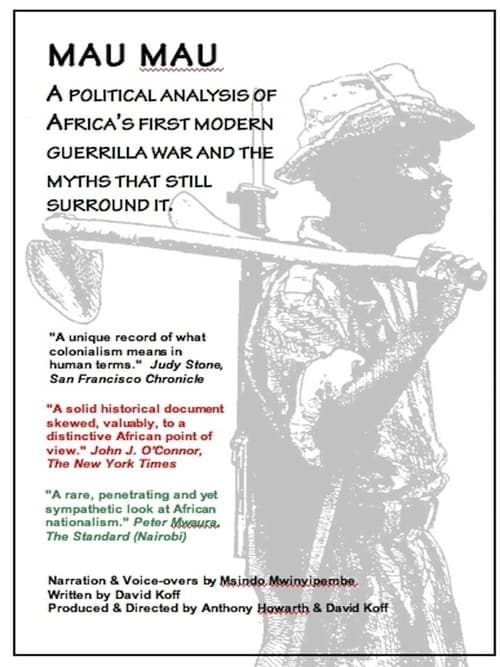
In October 1952 the British government declared a State of Emergency in Kenya. Its object: the defeat of "Mau Mau." In the war that followed, fewer than 40 of Kenya's 40,000 white settlers were killed while more than 15,000 Africans lost their lives, and hundreds of thousands more were arrested and subjected to a humiliating and often brutal process of "rehabilitation." But what was Mau Mau? A movement based, according to the British Colonial Secretary, on a "perverted nationalism and a sort of nostalgia for barbarism"? Or the Land Freedom Army, an organized political and military response to repression and armed aggression? Using newsreel and previously inaccessible archive footage, and drawing on interviews with participants on both sides, Mau Mau examines the myth and the reality of Africa's first modern guerrilla war.

The exceptional photographer Andreas Reiner is accompanied in his work. His photographs are often provocative, but also bear witness to a fierce lust for life. Shots of his private life on a farm complete this hymn to human existence.
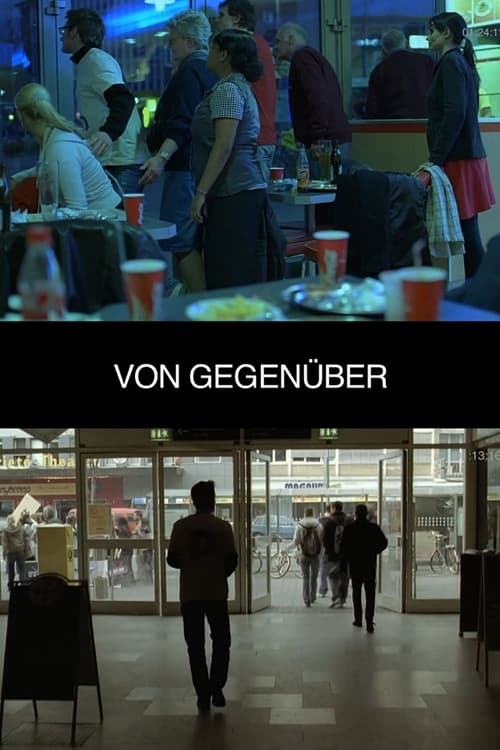
Shot with a hidden camera, from the perspective of someone wandering the streets, the 40-minute film loop tracks 24 hours in the life of the area around the railway station. Actors play passers-by, and passers-by thus become actors.
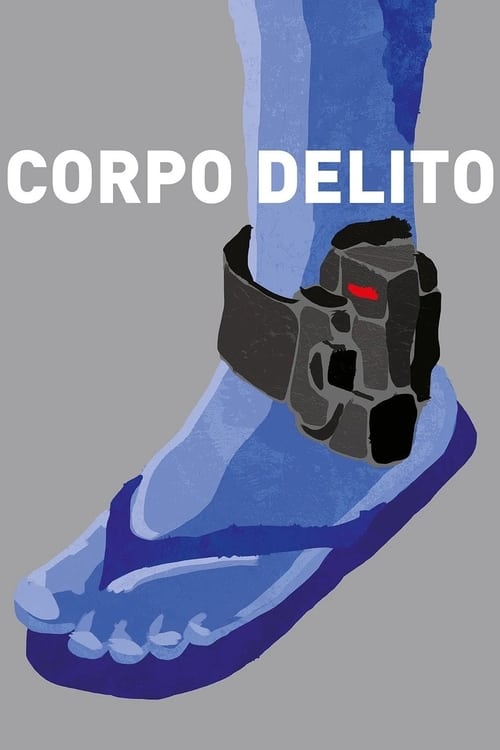
Ivan is a young Brazilian delinquent going through a probationary programme. An electronic shackle controls his location, but not his thoughts. Documentary about a man on home prison.
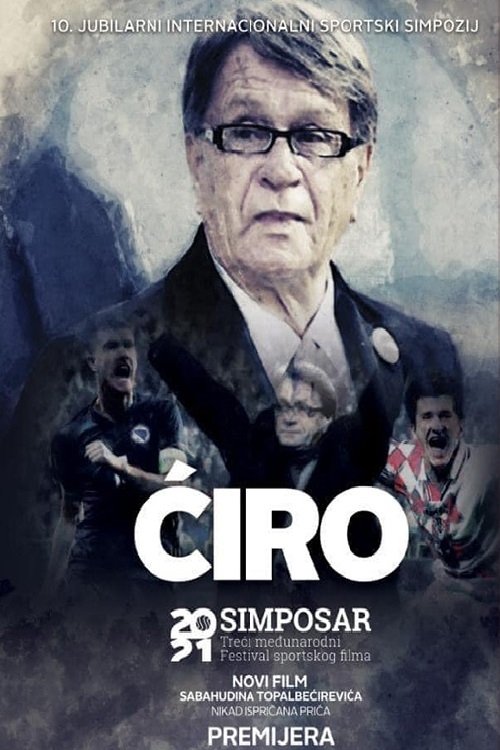
The author of the film about the “coach of all coaches” and the celebrated coach of the ‘Vatreni’, who won bronze with Croatia at the World Cup in France in 1998, is Bosnian-Herzegovinian sports commentator Sabahudin Topalbećirević. Those who feature in the film include former players Davor Šuker, Robert Jarni and Aljoša Asanović, but also Bosnian-Herzegovinian national team players Edin Džeko and Miralem Pjanić, as well as many others. The film begins with a look back at Ćiro’s childhood, reminiscing about the difficult days of growing up in Travnik during World War II, and some sad and tragic moments in his life, and then experiences a twist by highlighting his famous playing and coaching days on football fields in Switzerland, former Yugoslavia, Croatia and Bosnia and Herzegovina.
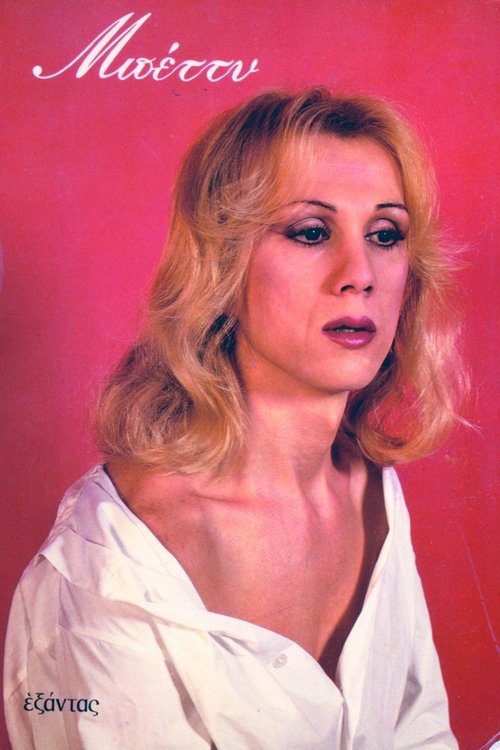
Between fiction and documentary, this film shows a portrait of the persona of a transsexual that goes far beyond simplistic voyeurism. The film offers a respectful image of masculine sexuality, with a character ahead of its time, through the telling of Betty about his childhood, daily life, pleasure, self-esteem and social marginalization.