Protocol Archives • Browse all Documentary titles in HD
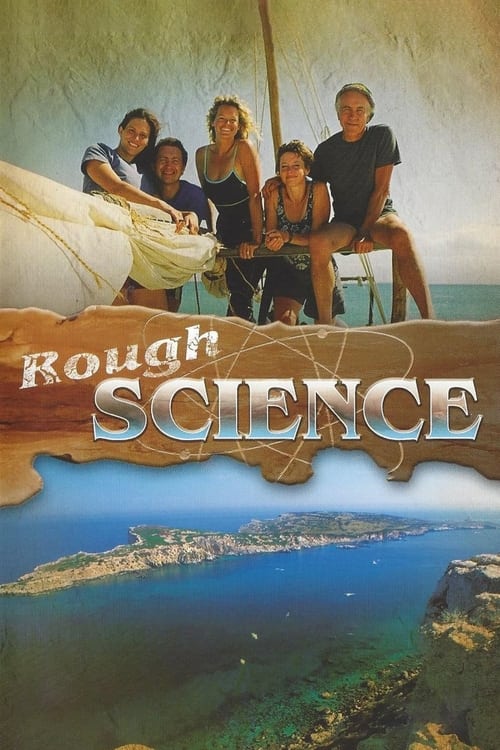
Science challenge series in which a team of five scientists pool their knowledge in order to complete a selection of set tasks.
On the eve of her 70th birthday, Canadian writer Margaret Atwood set out on an international tour criss-crossing the British Isles and North America to celebrate the publication of her new dystopian novel, The Year of the Flood. Rather than mount a traditional tour to promote a book's publication, Atwood conceived and executed something far more ambitious and revelatory--a theatrical version of her novel. Along the way she reinvented what a book tour could (and maybe should) be. But Atwood wasn't selling books as much as advocating an idea: how humanity must respond to the consequences of an environmentally compromised planet before her work of speculative fiction transforms into prophesy.
The Naked Brothers Band is an American musical comedy series created by Polly Draper. The show depicts the daily lives of Draper's sons, who lead a fictional world-renowned rock band from New York City. As a mockumentary, the storyline is a hyperbole of their real lives, and the fictional presence of a camera is often acknowledged. Lead vocals and instrumentation are provided by the siblings; they wrote the lyrics themselves. The show stars Nat Wolff and Alex Wolff, who encounter conflicts with each other that are later omitted. Nat's fictional female admirer and real life preschool friends—including the guitarist who had no prior acquaintance with the family—feature as the band members, with the siblings' genuine father and Draper's husband as their accordion-playing dad and Draper's niece as the group's babysitter. The series is a spin-off of Draper's 2005 film of the same name that was picked up by Nickelodeon, premiering in January 2007. Draper, star of Thirtysomething and her writings The Tic Code and Getting Into Heaven, is the executive producer of the series, and often writer and director. Albie Hecht, affiliated with Nickelodeon and founder of Spike TV, is the executive producer, under his Worldwide Biggies tag. Draper's husband Michael Wolff, of The Arsenio Hall Show fame, serves as the music supervisor and co-executive producer with Draper's brother Tim as the consulting producer.
In her cookbook "Dessert Person," Claire Saffitz celebrates and defends her love of desserts and empowers reluctant home bakers to work with new ingredients, attempt new techniques, and bake with more confidence. Join Claire in her home kitchen as she highlights recipes from the book in this baking series to help you take your baking skills to the next level.
Follow Gordon Ramsay as he meets with indigenous people around the globe to learn about the cultures, dishes and flavors unique to each location. Each episode concludes with Ramsay challenging himself with a local food legend by his side - putting his newfound skills to the test as they cook a feast together for the natives.
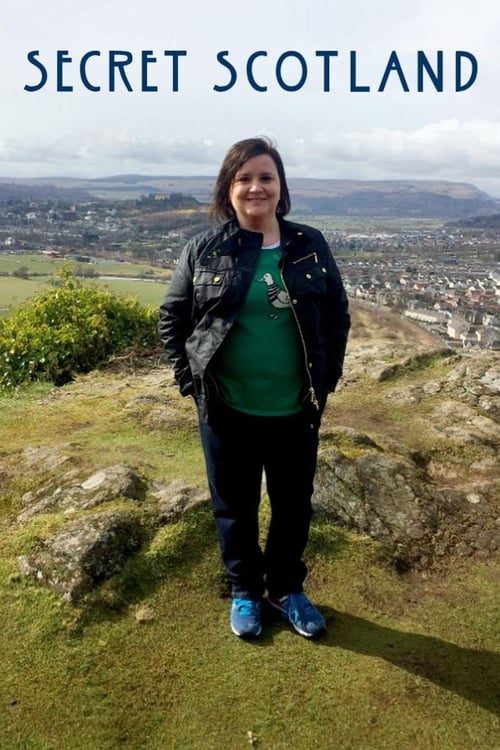
Comedian Susan Calman uncovers the untold tales behind some of Scotland's iconic locations.

Bring Back... is a British television series comprising one-off shows where Justin Lee Collins tries to locate people from music, TV or film backgrounds to reunite them for a one-off performance or get-together. The series was broadcast on Channel 4.

Star chef David Chang leads friends on a mouthwatering, cross-cultural hunt for the world's most satisfying grub. All the flavor. None of the BS.

Dr. Christian Horwath accompanies people in their fight for justice. The lawyer fights for his clients, tries to settle disputes, holds companies accountable, uncovers injustices and always tries to find a quick and amicable solution.

In 2025 it will be 80 years since the end of World War II. What was it like to live in Sweden during the war? How were people affected by everything that happened so close to home? SVT has asked the Swedish people to send in their memories: letters, films, photographs and diaries and several thousand responses were received from all over the country.
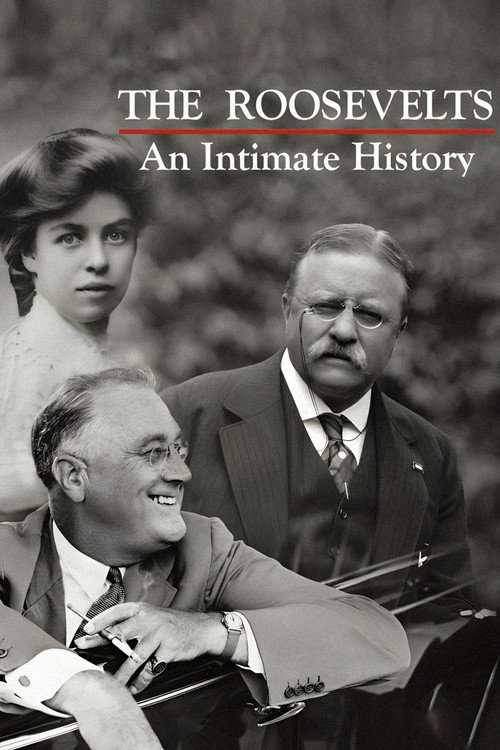
Chronicles the lives of Theodore, Franklin and Eleanor Roosevelt, three members of the most prominent and influential family in American politics. It is the first time in a major documentary television series that their individual stories have been interwoven into a single narrative. This seven-part, fourteen hour film follows the Roosevelts for more than a century, from Theodore’s birth in 1858 to Eleanor’s death in 1962.

Heir Hunters is a BBC television programme focusing on attempts to find missing or unknown heirs, entitled to deceased people's estates before the British Treasury lawfully collects the money. The show follows the work of Probate researchers from a number of different firms to show how the results of time-consuming research turned out. It was announced in 2011 that Heir Hunters would run in both BBC One daytime and in primetime television on BBC Two that autumn. The sixth series began at 9:15am on BBC One on 16 April 2012, it is expected BBC Two versions of these shows will air at a later date.
The history of changes experienced by Inuit people in the last sixty years is contained in the stories of Vivi Kunuk. Abandoned by her father, a White RCMP officer, Vivi Kunuk was adopted by the Inuk family of her mother who raised her as a boy. This is but one remarkable chapter in her life. With her husband Enuki, she raised eight children living most of the year on the land. Surrounded by her grandchildren, she recounts stories about the land she knows intimately and her life's destiny on Baffin Island.
Leymo Mohammed, a young autistic Black man, reads a letter to his late mother, updating her on his struggles, achievements and dreams, as he comes to understand the world around him and his place in it.
This documentary picks up after the horror has ended. Almost 500 teens are in grief as 69 of their friends have fallen. They've been shot dead. How could this island ever become a safe place again? Here, we see how Utøya was first the safest place on Earth to the most terrible and how it was restored and stands as a beacon of hope for the survivors and the Norwegian people.
Zones césariennes (which covers the year 2002) is one of Gérard Courant's Filmed Notebooks shot on film. These episodes now coexist with their counterparts filmed on videotape. They are two films with parallel lives but opposing destinies, colliding and eyeing each other warily. They represent two approaches, two styles, two different ways of understanding cinema. Two methods for unfolding time, grasping memory, and exploring the world.
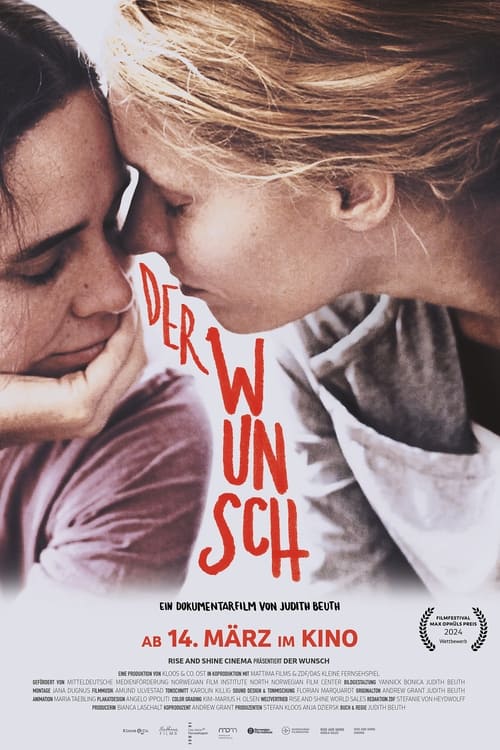
Love Alone Can’t Make a Child chronicles the love story and emotional odyssey of Maria and Christiane who, for over a decade, have been trying to fulfil their desire of giving birth to a child of their own. The director, a childhood friend of Maria, lovingly narrates the couple's journey, showcasing their resilience in the face of ever-increasing challenges, and the intricate dynamics of a relationship under tremendous strain. More than anything else, the film continually pursues what love truly means in a long-term romantic relationship.
In 2007, a series of recovered recordings documents the final encounters with beings that could still be distinguished from us.

Who knows about springtails? And among those for whom this name rings a bell, how many have already seen them? Yet, these small animals, similar to insects, are present in all terrestrial ecosystems. Springtails are undisputed soil regulators. Scientists recognize them today as absolutely essential, especially in the search for pollutants, disruptors, and all the variations that affect our soils, but this little animal is almost unknown. Thanks to extremely precise cameras, as close as possible to these microscopic animals, a teeming life is revealed before our eyes. According to the seasons, the film invites us to get into the intimacy of the springtails, to discover their morphology, their role and their usefulness in the ecosystems of the planet while rubbing shoulders with other organisms in the same environments.

On the basis of anonymous telephone calls made to a helpline for teenagers, On Hold makes us hear a dissonant speech. Recounted here by older people, these testimonies are the occasion to question the construction of masculinity and its generational heritage. Between humour and dread, the film unveils what remains unsaid in a sick society.
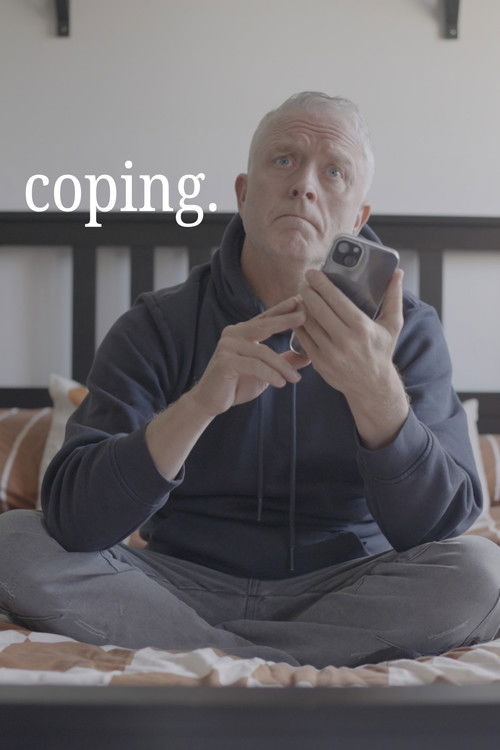
Three individuals describe their unique ways of coping with everyday stress, anxiety, and mental health. A narrative short film presented as documentary-style interviews, exploring the honest, messy reality of coping mechanisms and neurodivergent life.
A documentary almanac consisting of 5 short stories revealing the wonderful world of Sakhalin Island and its inhabitants. The film tells human stories through the eyes of young filmmakers who visited the island for the first time. The main characters of the novels are representatives of different professions. The documentary filmmakers lived for several days in a fishing camp remote from settlements, captured the peculiarities of oil production in the Okhinsky district, visited Tyuleniy Island, got acquainted with the dynasty of miners in Uglegorsk and explored the village of Douai, from there the settlement of the island began.
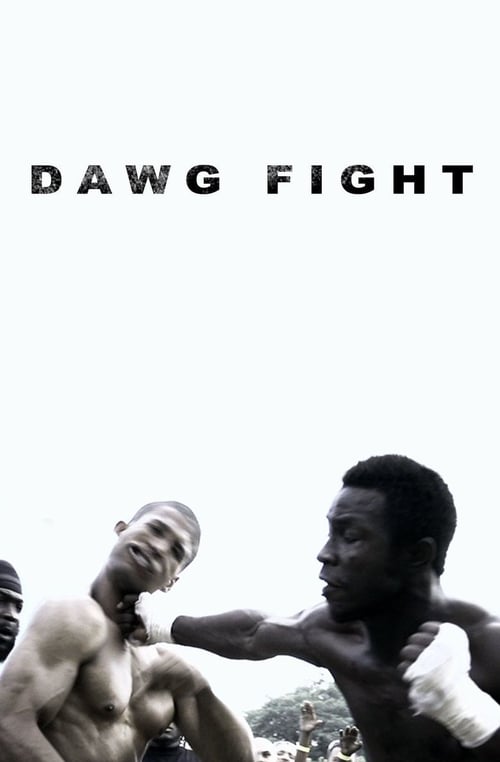
In a crime-plagued neighborhood near Miami, brutal, bare-knuckled backyard fights give young men a chance to earn money -- and self-respect.
Atomic Power! is an American short documentary film produced by The March of Time and released to theaters August 9, 1946, one year after the end of World War II. It is a recreation of the making of the atomic bomb leading up to the Trinity test. It was nominated for an Academy Award for Best Documentary Short.
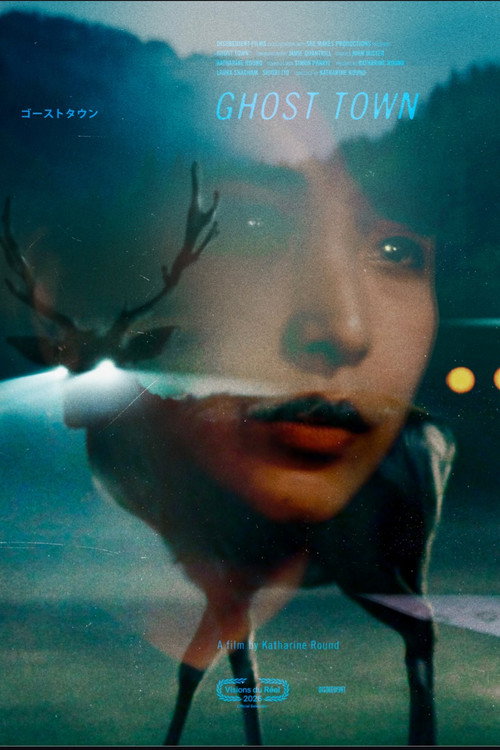
In a Japanese coastal town haunted by the 2011 tsunami, the filmmaker installs her camera inside the city's taxis to capture conversations between the living and, it turns out, the dead.
Three Swedish living rooms, under three different stages of life.
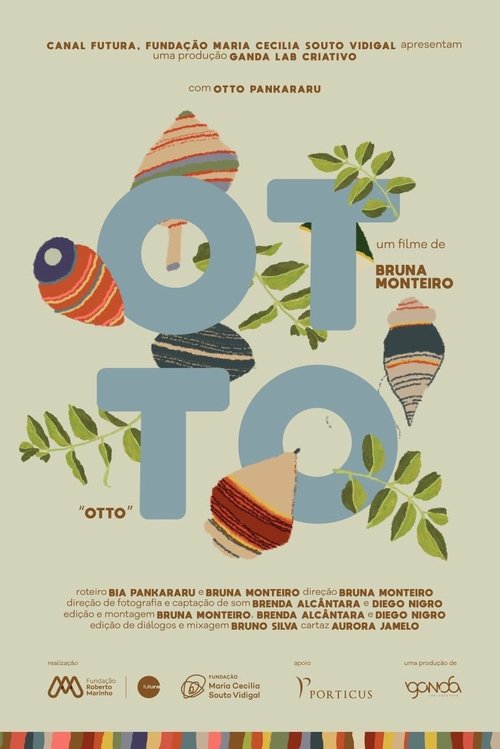
In Aldeia Pankararu, in the hinterland of Pernambuco, lives 5-year-old Otto. Affection, tradition and collectivity are essential values, formed by family trunks and where the child is sponsored by the community.
Girl meets boy. Boy wins Eurovision. Boy has a heart transplant. A musical documentary.
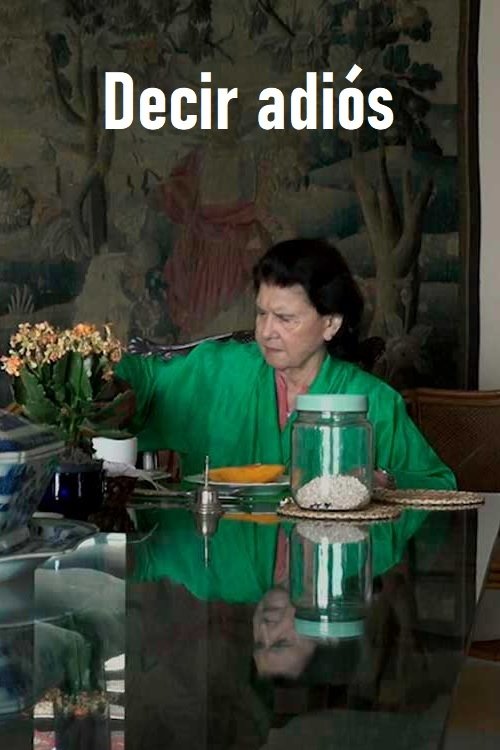
At 92, Doña Therezinha is obsessed with selling her luxurious apartment and fleeing Rio de Janeiro. Jaciara, her devoted maid for thirty years, awaits this revolution in her life with anxiety. Her granddaughter helps her to sell her apartment, while portraying the intimacy of these two women who, locked between four walls with a view of the sea, live their reality on its way to extinction, in a Brazil that is "burning."

Shot in Aix-en-Provence, Château Noir is a cinematic homage to the landscapes once painted by Paul Cézanne. Through minimal camera movements and a meditative gaze, the film seeks to translate the act of painting into pure visual rhythm — capturing light, air, and silence as living matter.