Protocol Archives • Browse all Western titles in HD
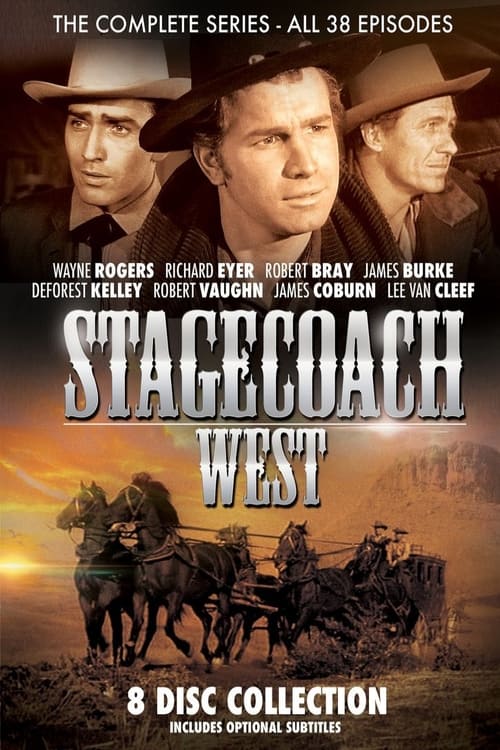
Stagecoach West is an American Western drama television series which ran for thirty-eight episodes on the ABC network from October 4, 1960, until June 27, 1961. Characters Luke Perry and Simon Kane operate the Timberland Stage Line from fictitious Outpost, Missouri to San Francisco, California. Simon's 15-year-old son, David "Davey" Kane, joins the two as they face stagecoach robbers, murderers, inclement weather, and human interest stories. Perry and Kane, who are both deputy U.S. marshals, had been on opposite sides of the American Civil War; Kane, a captain in the Union Army, while Perry had fought for the Confederate States of America. The one-hour black-and-white program was offered at 9 p.m. Eastern on Tuesdays opposite NBC's Thriller, hosted by Boris Karloff, and CBS's The Red Skelton Show. Rogers became well-known a dozen years later on M*A*S*H, and Bray later portrayed the forest ranger Corey Stuart on Lassie from 1964–1969, both on CBS. Child actor Richard Eyer had starred in a number of films in the 1950s, including Friendly Persuasion and Desperate Hours. Stagecoach West was produced by Dick Powell's Four Star Television. It is believed that the series was cancelled despite the high quality of its production because of the glut of westerns on television at the time that it aired. The same fate had fallen on CBS's Johnny Ringo, a 1959 one-season spin-off of Dick Powell's Zane Grey Theater.

The Loner is an American western series that ran for less than one season on CBS from 1965 to 1966, under the alternate sponsorship of Philip Morris and Procter & Gamble.
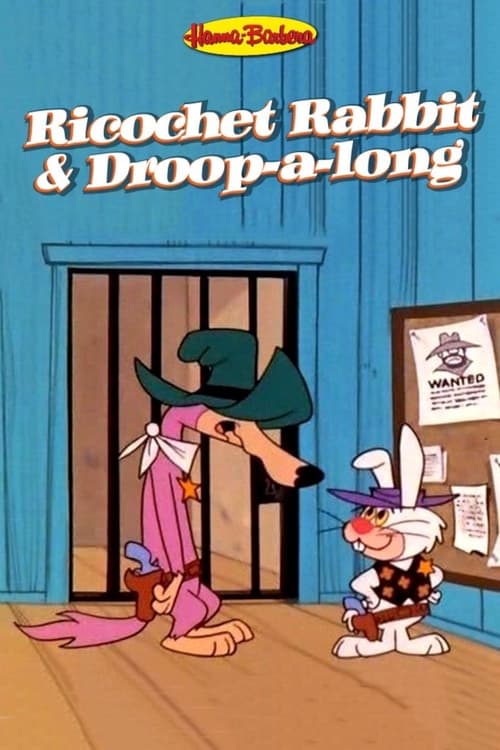
Taking place in a Wild West setting, Ricochet Rabbit works as a sheriff in the town of Hoop 'n' Holler. Ricochet bounces off stationary objects yelling "Bing-bing-bing!" His deputy and foil Droop-a-Long Coyote is not as fast and is very clumsy.
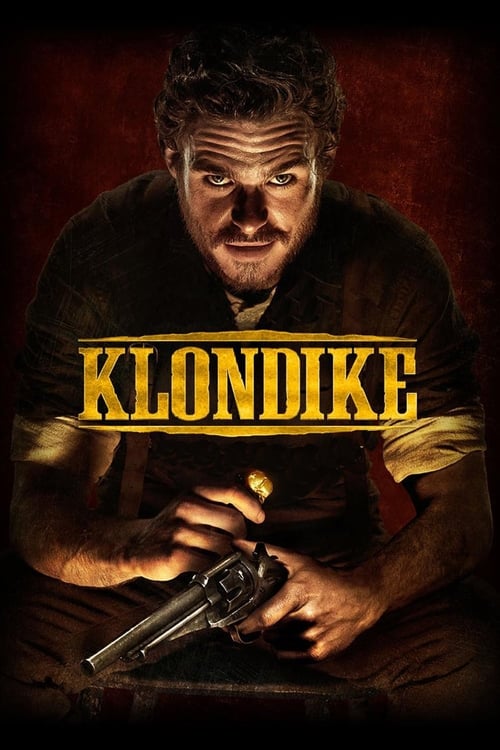
The lives of two childhood best friends, Bill and Epstein, in the late 1890s as they flock to the gold rush capital in the untamed Yukon Territory. This man-versus-nature tale places our heroes in a land full of undiscovered wealth, but ravaged by harsh conditions, unpredictable weather and desperate, dangerous characters including greedy businessmen, seductive courtesans and native tribes witnessing the destruction of their people and land by opportunistic entrepreneurs.
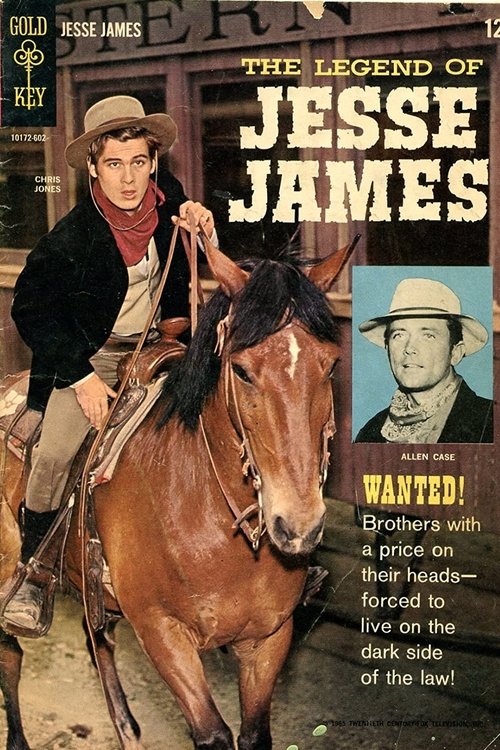
The Legend of Jesse James is an American western series starring Christopher Jones in the tile role of notorious outlaw Jesse James. The series aired on ABC from September 13, 1965, to May 9, 1966. Allen Case joined Jones as Jesse's brother, Frank James.

Afflicted with a terminal illness John Bernard Books, the last of the legendary gunfighters, quietly returns to Carson City for medical attention from his old friend Dr. Hostetler. Aware that his days are numbered, the troubled man seeks solace and peace in a boarding house run by a widow and her son. However, it is not Books' fate to die in peace, as he becomes embroiled in one last valiant battle.
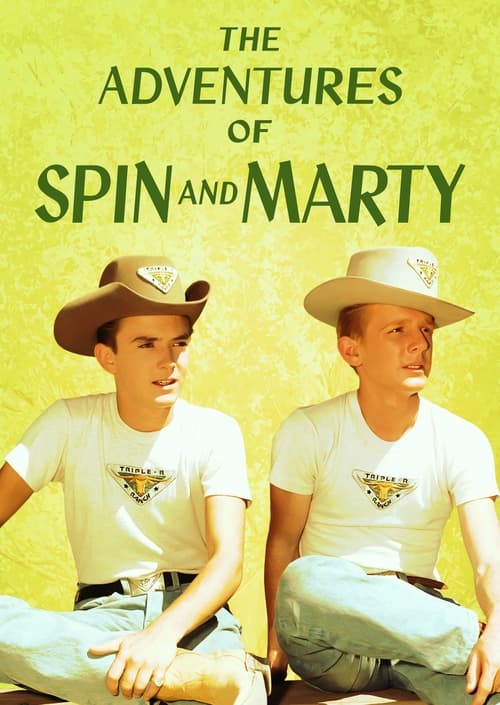
Marty Markham, a rich orphan, attends summer camp at a dude ranch where he gradually learns to love outdoor life and becomes best friends with the popular Spin Evans.

Hawkeye is a television series, airing in syndication for one season during 1994-1995, and produced by Stephen J. Cannell. The series was filmed in North Vancouver and Vancouver, British Columbia, Canada. Based on characters from the Leatherstocking Tales, a set of novels written by James Fenimore Cooper, the series takes place in 1755 Hudson Valley, New York during the French and Indian War. It follows the main character, Natty Bumppo, his Native American companion Chingachgook, trading post owner Elizabeth Shields and other people stationed at or living in the vicinity of Fort Bennington.
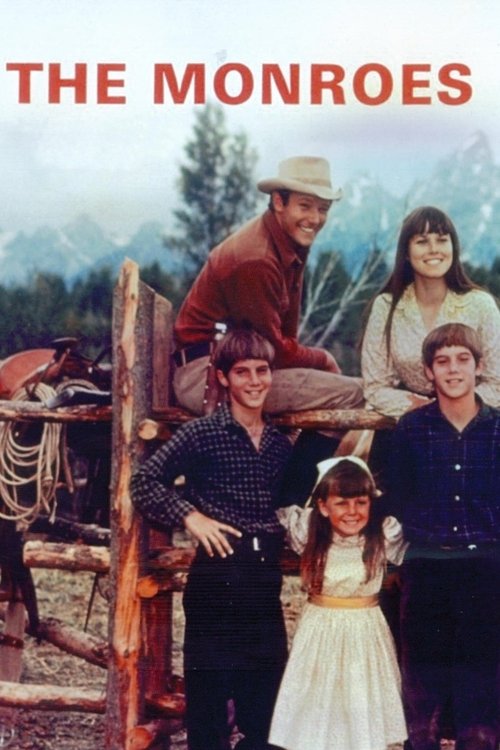
The Monroes is a 26-segment Western television series which originally aired on ABC during the 1966-1967 season. The series centers around the story of five orphans trying to survive as a family on the frontier in the area around, what is now, Grand Teton National Park near Jackson, Wyoming.
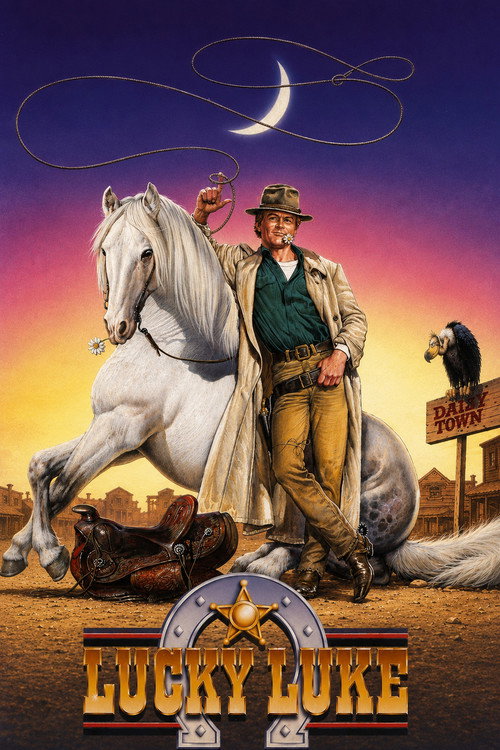
Lucky Luke is the sheriff of a merry and unruly frontier settlement. Jolly Jumper is not only Lucky’s trusty horse, but also the brains of Daisy Town. The four Dalton Brothers are the sworn enemies of Lucky Luke, who is constantly trying to thwart their devilish plans and their spectacularly clumsy escapes from the Daisy Town Jail. This fractious band finds itself caught up in a series of misadventures, crossing paths with hordes of wacky friends and fiendish enemies.
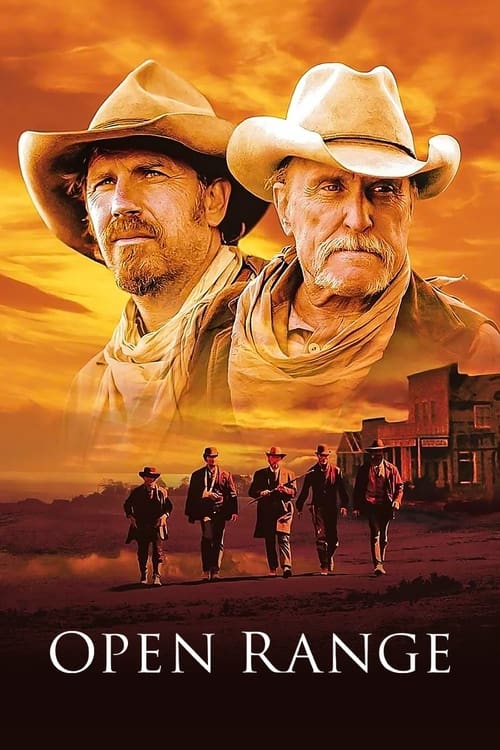
A former gunslinger is forced to take up arms again when he and his cattle crew are threatened by a corrupt lawman.

The Range Rider is an American Western television series that aired in syndication from 1951 to 1953. A single lost episode surfaced and was broadcast in 1959. The Range Rider was also broadcast on British television during the 1960s, and in Melbourne, Australia during the 1950s.
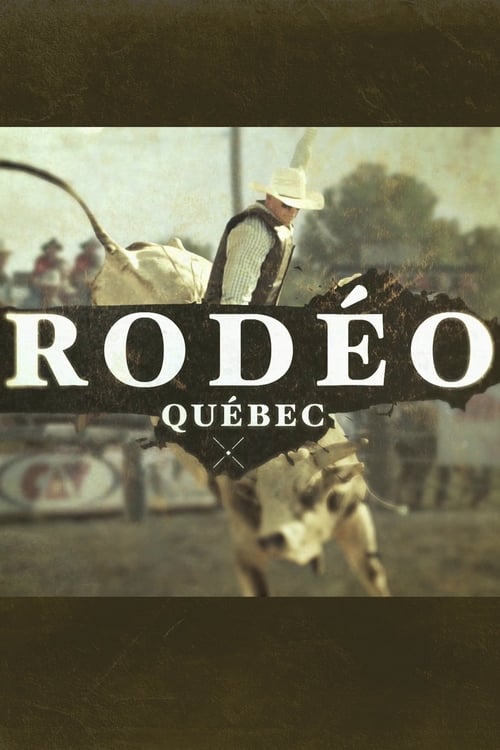
Every year, almost 400 cowboys travel throughout Quebec to take part in more than 30 rodeos. This documentary series takes a dive into this adrenaline-filled world for a season. It shows cowboys, barrel racers and bull riders who, out of passion, risk their lives for their sport.
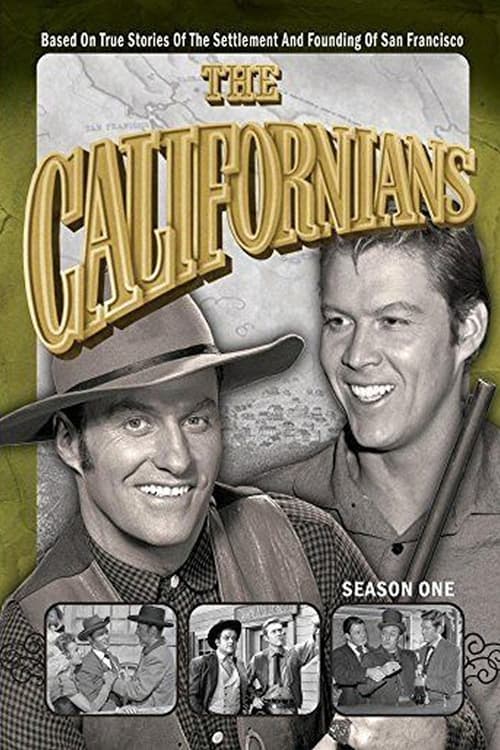
San Franciscans during the goldrush of the 1850s attempt to maintain law and order in their wild city. Newly arrived Matthew Wayne becomes sheriff, then marshal, and organizes the city police force while expressing interest in the young widow Fanzler and sparring with attorney Pitt. Adam Kennedy appears as Dion Patrick, an Irish newspaperman who helps the local vigilante committee.
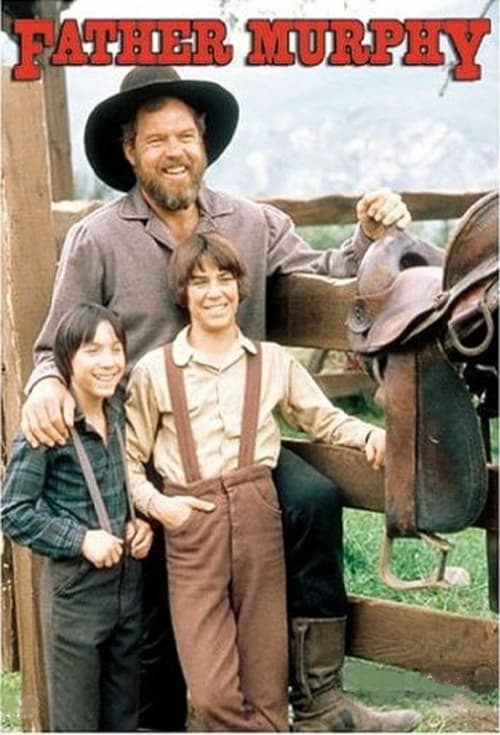
A good-hearted frontiersman poses as a priest to start an orphanage for a group of kids whose homes have been destroyed by an evil mining manager.
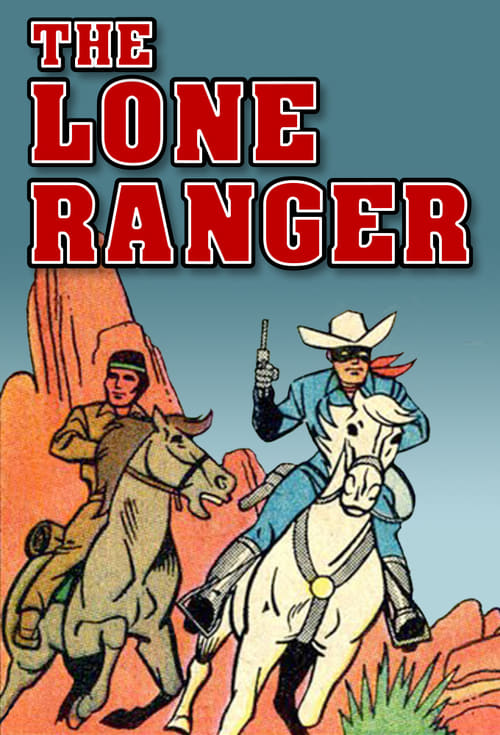
An ex-Texas Ranger fights injustice in the Old West his with Native-American partner.
Dead Man's Gun is a western anthology series broadcast on Showtime from 1997 to 1999. The series follows the travels of a magical revolver as it passes to a new character in each episode. The gun would change the life of whomever possessed it.
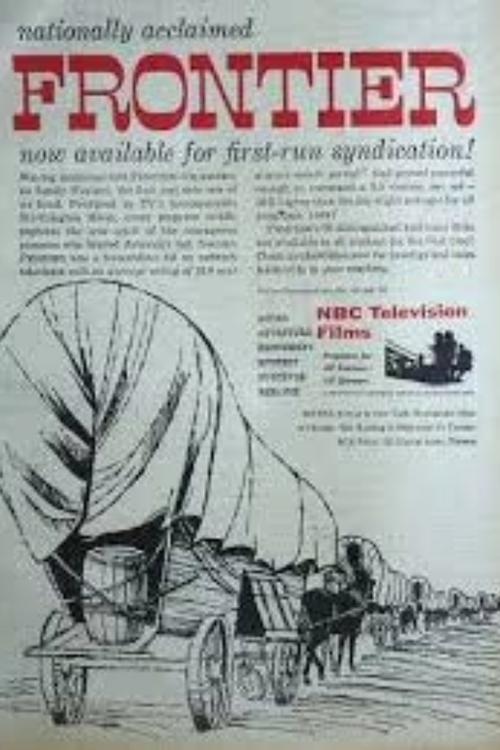
Frontier is an American Western anthology series that aired on NBC from September 1955, to September 1956. The series de-emphasizes gunplay and focuses on the hazards of the settlement of the American West. It was only the second anthology Western series in television history, having been preceded by Death Valley Days. Frontier aired premiered on September 25, 1955, and ran sporadically in its last five months. Walter Coy narrated the series and starred in occasional episodes, which are dramatizations based on actual events. The program was produced by Worthington Miner.
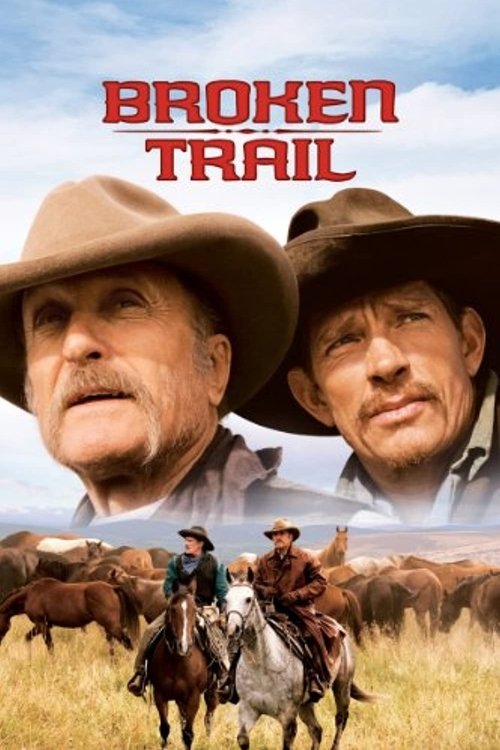
The story is about an aging cowboy and his nephew who transport 500 horses from Oregon to Wyoming to sell them to the British Army. Along the way, their simple horse drive is complicated when they rescue five Chinese girls from a slave trader, saving them from a life of prostitution and indentured servitude. Compelled to do the right thing, they take the girls with them as they continue their perilous trek across the frontier, followed by a vicious gang of killers sent by the whorehouse madam who originally paid for the girls. Broken Trail weaves together two historical events: the British buying horses in the American West in the late 19th century and Chinese women being transported from the West Coast to the interior to serve as prostitutes.
"Pueblo Viejo" is a place where abuse and revenge make us look at the power structures of those who inhabit it. Two brothers will fight to change this imposed system.
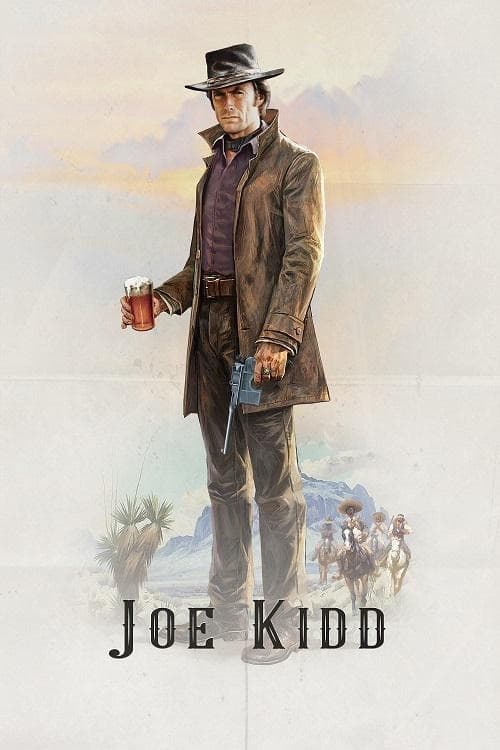
A band of Mexicans find their U. S. land claims denied and all the records destroyed in a courthouse fire. Their leader, Louis Chama, encourages them to use force to regain their land. A wealthy landowner wanting the same decides to hire a gang of killers with Joe Kidd to track Chama.
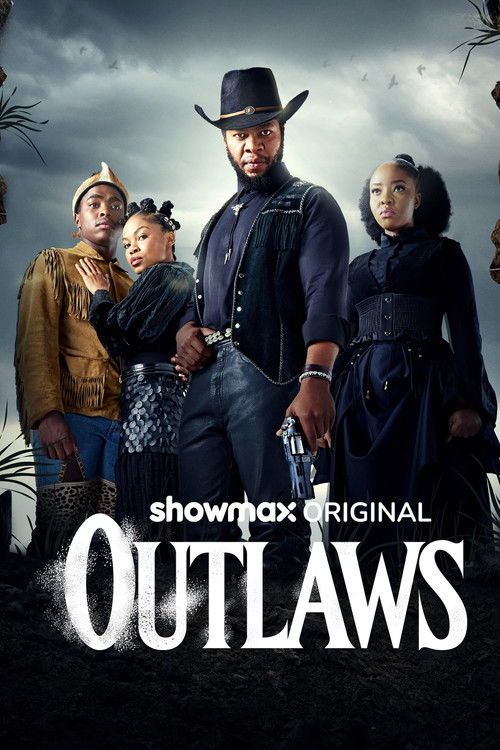
Set in the lush but lawless land on the border between Lesotho and KwaZulu-Natal, Outlaws is the story of two families at war with each other: the Zulu, cattle-farming Biyela clan and the Basotho, cattle-raiding Tseoles.
A Mexican bandit is about to be executed in the United States, so his brother takes over a train and holds the passengers as hostages unless his brother is released. Now both the Americans and Mexicans are baffled as to what to do. One of the passengers — who wrote the letter for their captor — has a suggestion: call mercenaries Hank Brackett and Johnny Reech. They do, and as expected they do come up with a plan, but the president of the railroad is not sure if it will work.
A Texas Ranger investigates a series of unexplained deaths in a town called Helena.
Set in 1869 Alberta-Montana border country, “Strange Empire” is a Western whose heroes are women. With most of their men gone, and those who remain battling for control, the women struggle to survive, to find their independence, and to build a life in which to thrive and raise families.
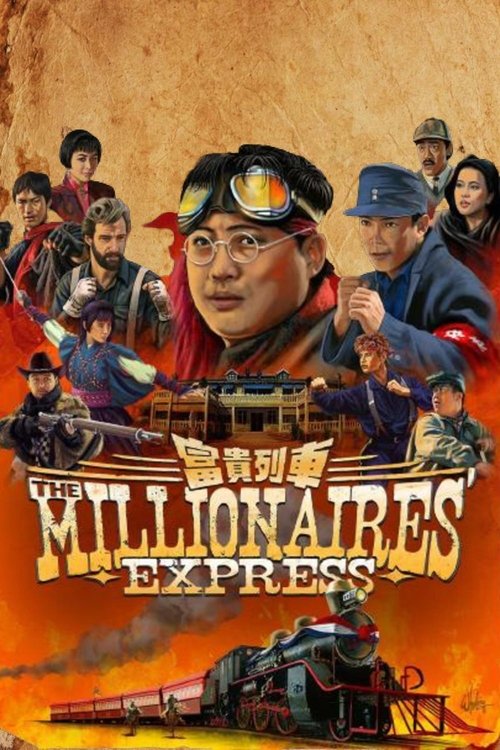
What happens when a glamorous express, with high government officials, wealthy merchants, concubines and a gang of brigands on board, speeds towards the small town of Hanshui, where escaping bank robbers, corrupt officials, and gamblers await? Well, let's just say the Titanic had a smoother maiden voyage.
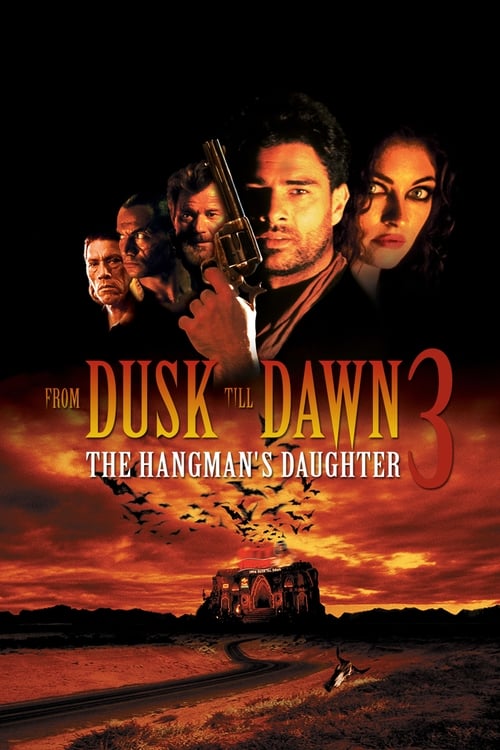
Set one hundred years ago, outlaw Johnny Madrid, after narrowly escaping death, goes on the run with the hangman's sensuous daughter Esmeralda by his side.
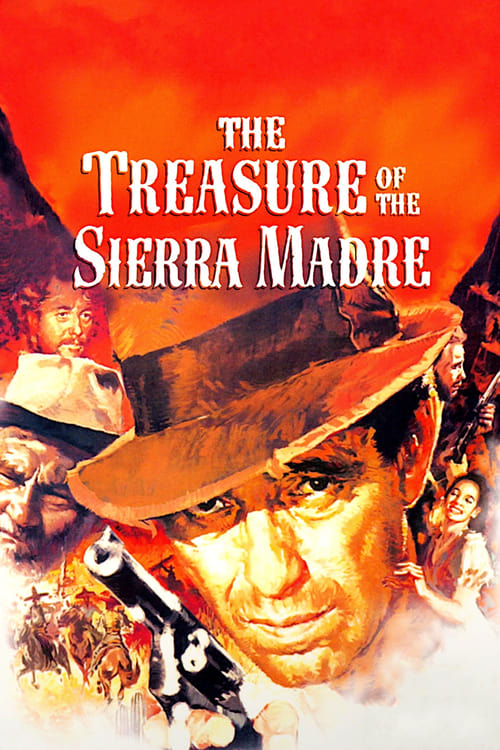
Two jobless Americans convince a prospector to travel to the mountains of Mexico with them in search of gold. But the hostile wilderness, local bandits, and greed all get in the way of their journey.
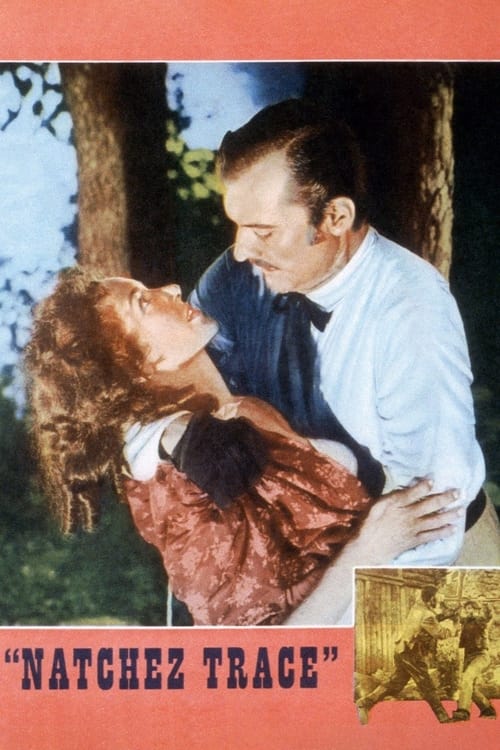
Bank clerk Virgil Stewart infiltrates a band of land pirates on the Natchez Trace, and learns bandit leader John Morrow's ambitious plans will lead to bloody revolution between slaveholders and slaves if they aren't stopped.
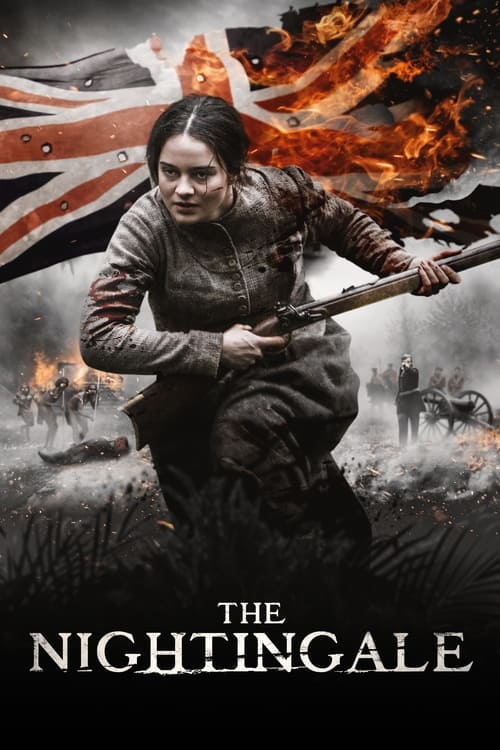
In 1825, Clare, a 21-year-old Irish convict, chases a British soldier through the rugged Tasmanian wilderness, bent on revenge for a terrible act of violence he committed against her family. She enlists the services of an Aboriginal tracker who is also marked by trauma from his own violence-filled past.

Two championship rodeo partners travel to New York to find their missing friend, Nacho Salazar who went missing there.
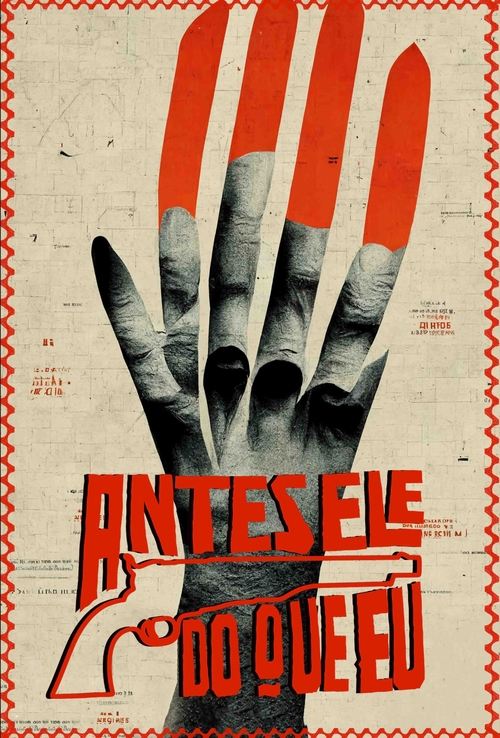
After a night of drinking Dirceu commits an act of horrible consequences.

Indian scout Tom Jeffords is sent out to stem the war between the American settlers and Apaches in the late 1870s Arizona. He learns that the Indians kill only to protect themselves, or out of retaliation for white atrocities.
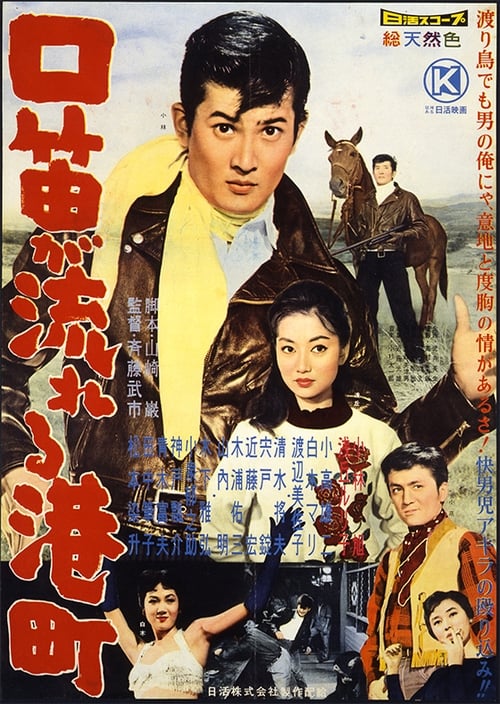
Rambler Shinji arrives in town armed with nothing but a guitar. With assistance from an old gun-for-hire friend, he sets about to stop the mob from turning an honest ranch into a gambling resort.
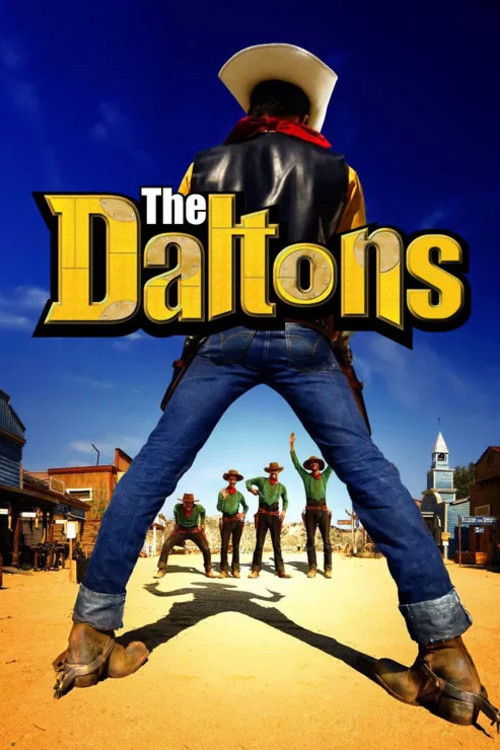
Joe and Averell are the eldest and youngest of the four Dalton brothers, the worst outlaws in Wild West history...
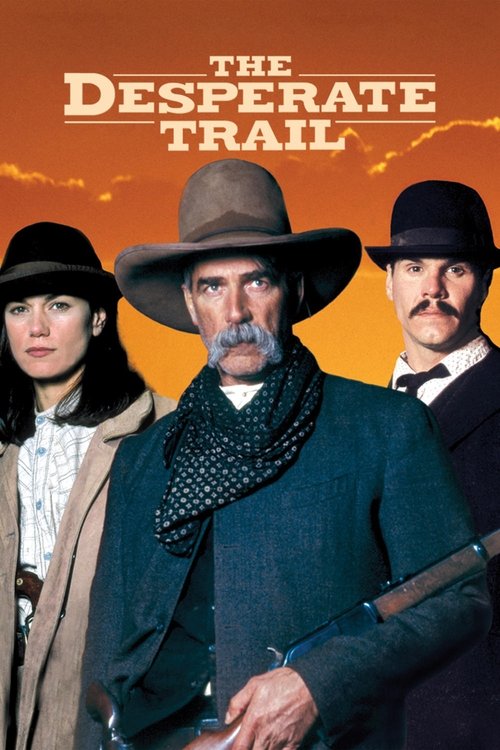
Amiable con man Jack Cooper is on a westbound stagecoach, headed for the next batch of suckers who will mistake him for an easy mark. Fiery Sarah O'Rourke rides the same coach, handcuffed to lawman Bill Speakes and headed for the hangman. In a few hours, all should reach their destinations. But the trail they travel takes an unexpected turn: Cooper and O'Rourke are soon off the stage and running for their lives. The law ends and the chase begins in a very alive tale of wanted-dead-or-alive fugitives (Linda Fiorentino and Craig Sheffer) pursued by a marshal (Sam Elliott) who's a law unto himself.
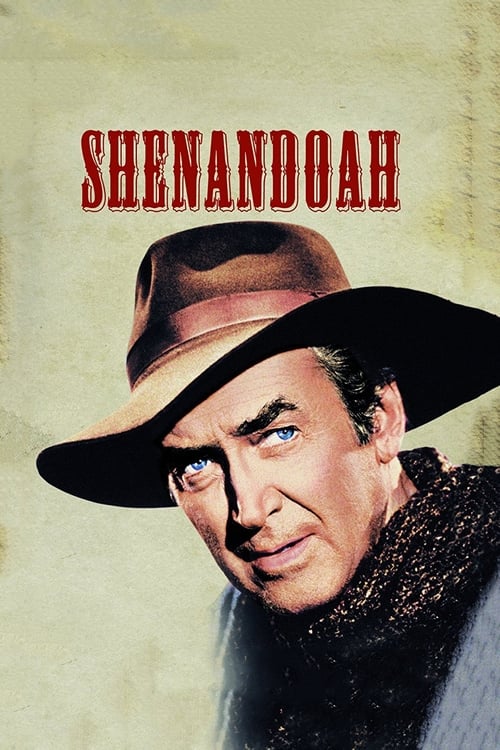
Charlie Anderson, a farmer in Shenandoah, Virginia, finds himself and his family in the middle of the Civil War he wants nothing to do with. When his youngest boy is taken prisoner by the North, the Civil War is forced upon him.
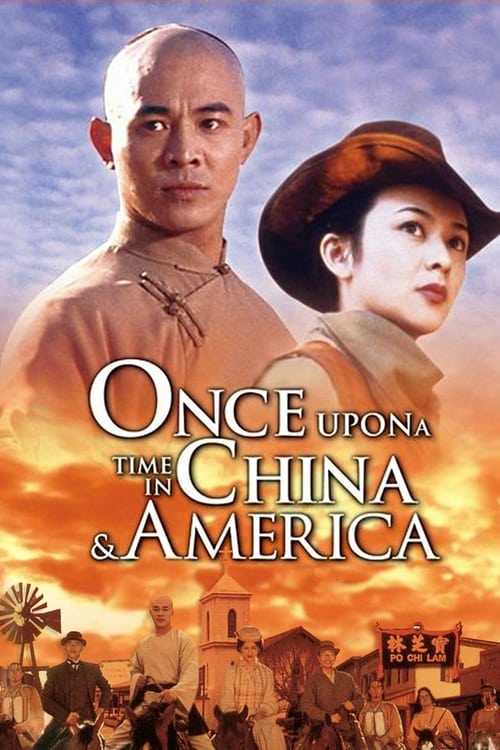
So goes to the U.S. to open a martial arts school. Around this time, many Chinese people were sold off to U.S. railroad companies, and were brutally treated by the Americans under the harsh working conditions. Thus, the American workers' hatred towards the Chinese immigrants is high. As a result, So gets into trouble with the Americans and the mob, and calls Master Wong for help.