Protocol Archives • Browse all Western titles in HD
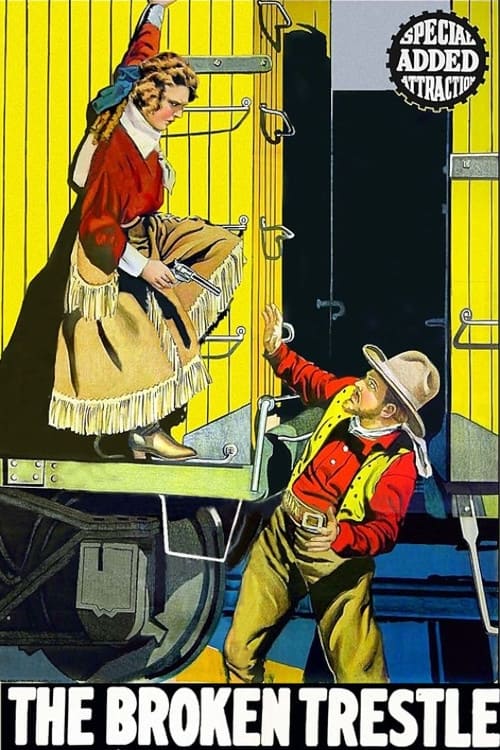
The Broken Trestle is a silent action Western.

Jim Thaw runs an isolated general store in California. He occupies a position as agent for the Great Eastern Express Company, which in the west is a day job. One day the stage drives up and deposits a money box with Thaw with instructions from the general manager of the Great Eastern that it is to be held with him over night, adding that he must keep a careful watch as it is reported that Buck Brady, an outlaw, has been seen skulking in the vicinity of Thaw's store.
Tom promises his sweetheart, Vicky, that he will stop drinking. He falls in with boon companions, however, and in a saloon brawl, he accidentally shoots Ned, his pal. The sheriff and Vicky's brother find that Ned was only stunned by the bullet. At a rodeo, Tom meets the sheriff, who arrests Tom for the shooting of Ned.
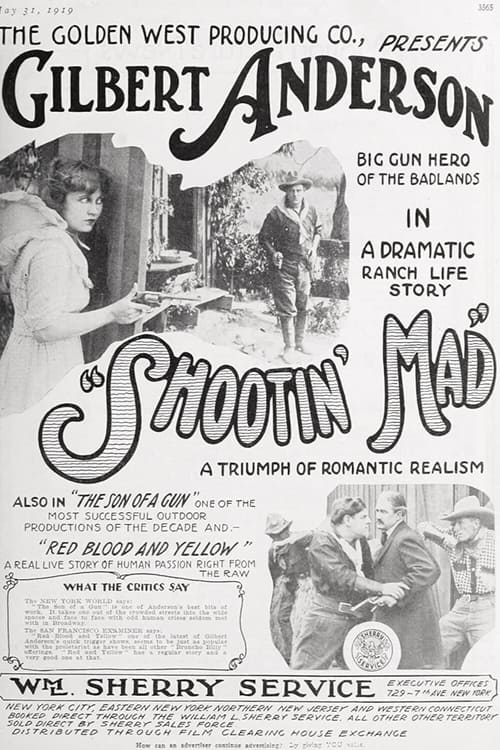
A settler and his daughter are trying to homestead a plot of land. They are tricked out of the land by a crooked saloon owner, who then shoots the father and makes a play for the daughter. A local cowboy comes to her rescue.
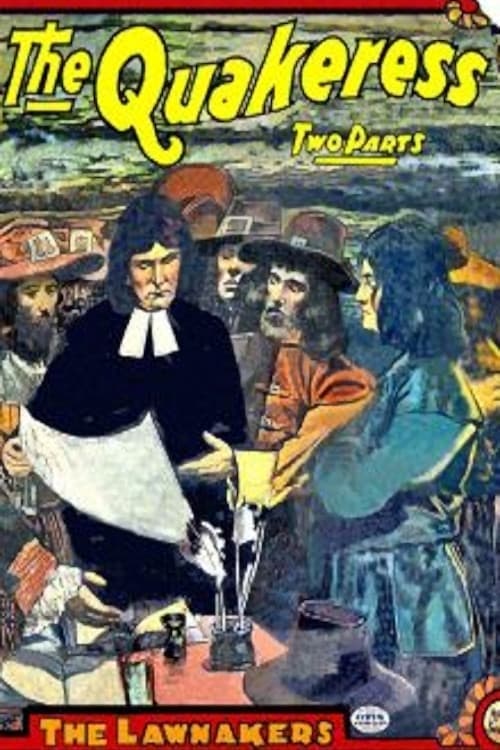
The setting is an early American village, where a young Quaker woman, Priscilla, is in love with the schoolmaster, John Hart. The local minister, Rev. Cole, who calls on her at her cabin with flowers, is an unwelcome suitor. In revenge, he has "blue laws" passed, among them is one requiring attendance at church on Sunday. Priscilla refuses to comply with the law and is arrested. After being plunged in and out of water and pilloried, she is banished from the colony. John goes with her. They are attacked by Indians and John is badly wounded. Priscilla manages to get back to the village in time to warn the Puritans of an impending attack. They defeat the Indians after a desperate battle. The Rev. Cole, who has been mortally wounded, begs Priscilla's forgiveness and the Puritans make amends for their harsh treatment of her.
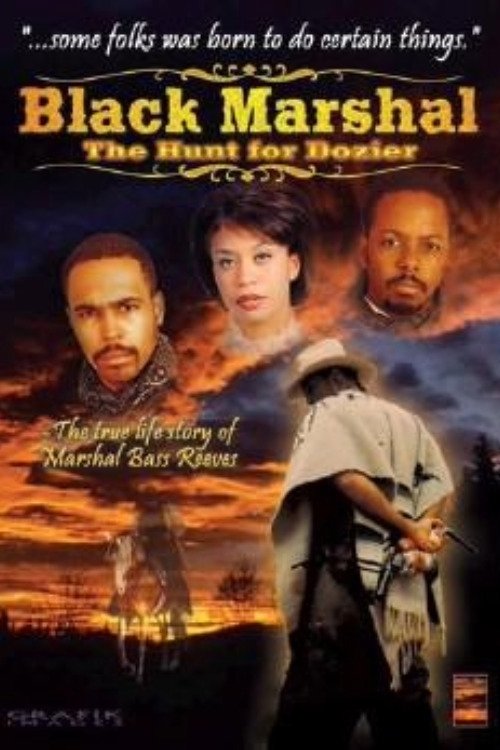
Based on the life of U.S. Deputy Bass Reeves, a black marshal in the Oklahoma Indian Territory in the years of 1867 to 1883, and his successful hunt for the elusive Dozier. A man of great valor who spoke several Indian dialects, Reeves was a deputy U.S. marshal for over thirty years and retired as a policeman in Muskogee.
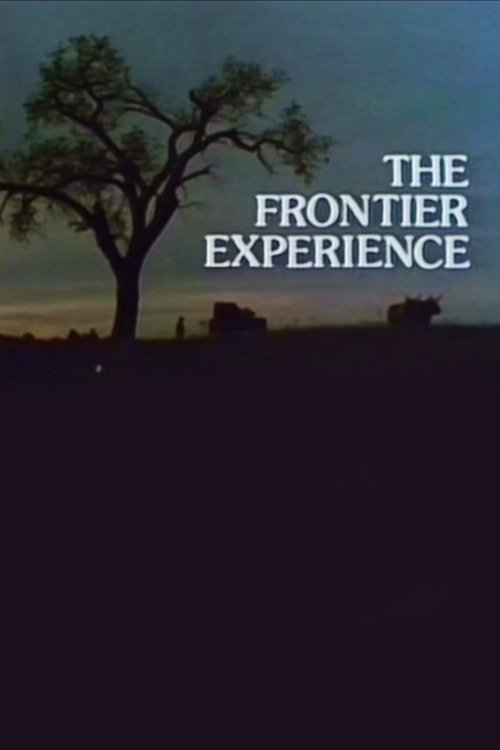
The Westward movement — and a woman's perspective of that movement — emerges in the dramatic story of Delilah Fowler's first year on the Kansas frontier in 1869. Based on diaries of the period, the program reveals the cruel violence, and even crueler loneliness, which early settlers encountered — but above all, it shows the quiet courage of those who lived it.
A Driver enters a forbidden zone outside Los Angeles to retrieve a briefcase and deliver it without opening it.
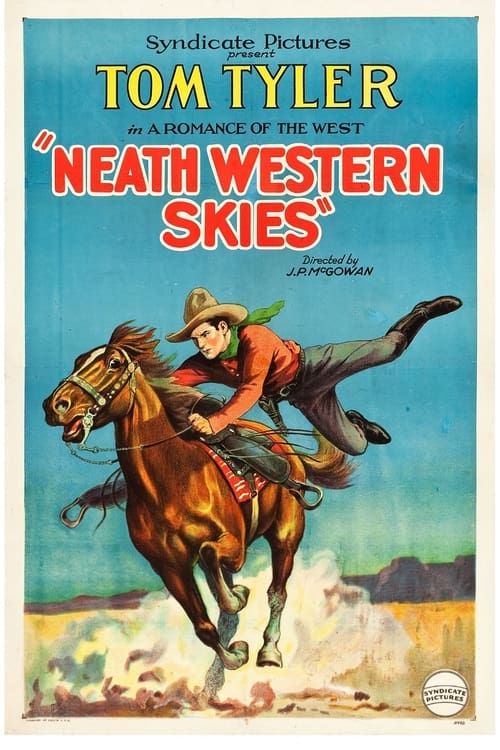
Ranch owner Tex McCloud is convinced there is oil under his property and brings in a drilling rig and equipment to drill for it. But a gang who wants the property wage a sabotage and theft war against him.
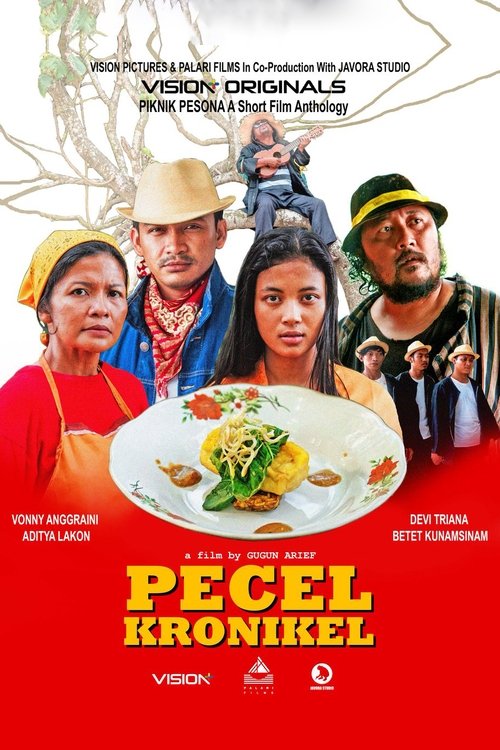
On a deserted beach, Urip, a debt collector, visits a food stall run by Ambar. Urip ordered a plate of pecel that reminds him of a tragedy that happened a week ago. At that time, he and his brother Darto went to the stall, which was still being managed by Ambar’s mother, Mak Sati. They argued about how Mak Sati should pay her debts. Talks about debt heated up and resulted in a riot.

Adaptation of the story 30/30 by Dalmiro Sáenz.
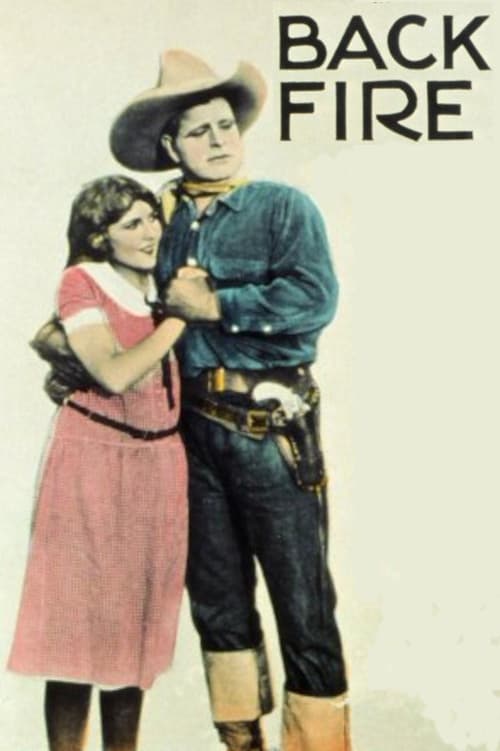
Two cowboys drift into town. Both are broke, and one of them jokingly suggests they rob the local express office. A citizen overhears them, and when the office is robbed soon afterwards, the cowboys are blamed for it.
Modern 4k silent western. A romantic adventure. Experience film in a new unique way in this no script improv piece of art.
The great cowboy star takes over the reigns of a stranded production crew, offering the audience a rare insight into the filming of a typical comedy-Western.
The new sheriff of an Old West town enforces a "no guns" policy.
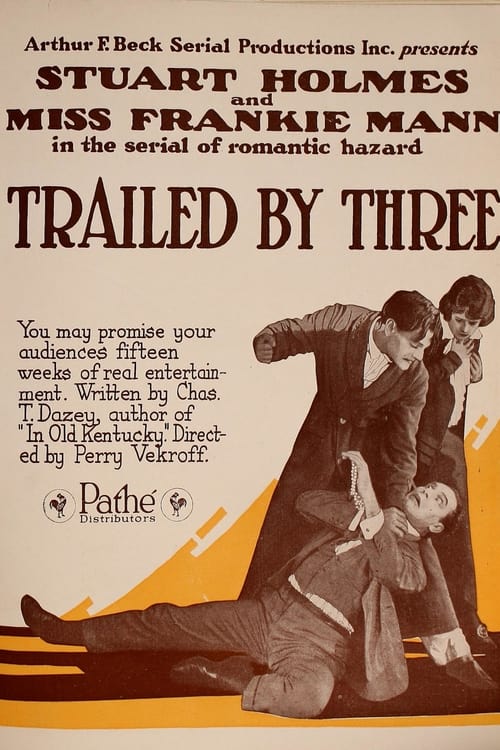
The story of a girl who for months was in perpetual peril; on land, on sea, everywhere, Orient, Occident, and the Antipodes.
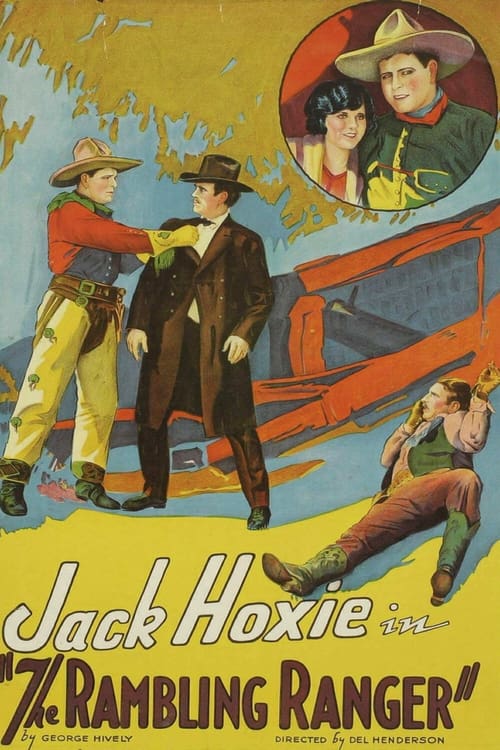
Hank Kinney, a ranger, witnesses the accidental death of a man and the survival of a motherless infant. Kinney asks the county sheriff to process adoption papers and goes with the child to take up the mining claim left him by his father. Sam Bruce, the richest and most hated man in Copperville, tries to jump the claim and swears vengeance when Kinney kicks him off the property. Kinney strikes up a friendship with Ruth Buxley, daughter of the general store proprietor; and Bruce, who covets the girl, instigates a rumor that Hank is unfit to rear a child and sends the sheriff's posse to get the the baby.
Legendary gunslinger Two-Gun Hicks arrives in Moose Gulch, quickly dispatching a local bully, Bad Ike, then sets his sights on winning the heart of May Jenks, the wife of a town drunk, ultimately taking her from her husband in a classic tale of frontier justice and romance.
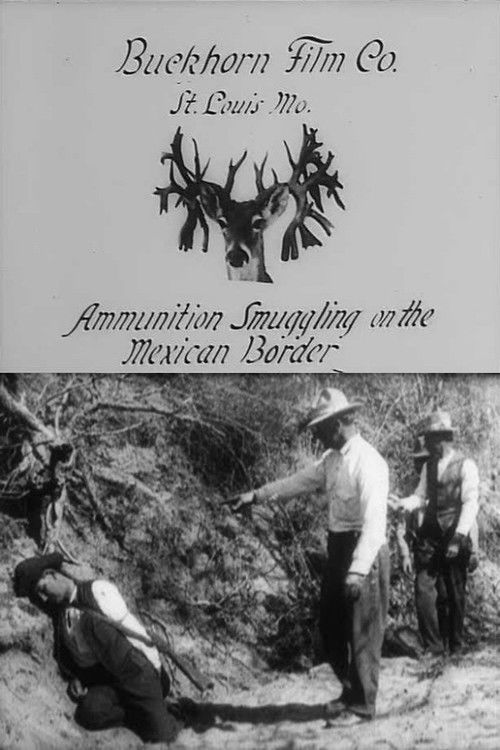
Around the film hang fascinating questions about border politics, which I’ll touch on in an introduction before the screening. One of Eugene Buck’s motivations for making the film may have been his rough cross-examination during his kidnappers’ first trials, in October 1913, when defense attorneys cast him as a confused and unreliable witness against idealistic freedom fighters. On film he could reproduce the pursuit, the shootouts, his kidnapping, and his friend’s murder just as he had testified. Reenacting the crime on film may have been the best revenge—and a way to honor the sacrifice of Deputy Ortiz, a twenty-year police veteran and, for the era, a rare Mexican American lawman.