Protocol Archives • Browse all History titles in HD
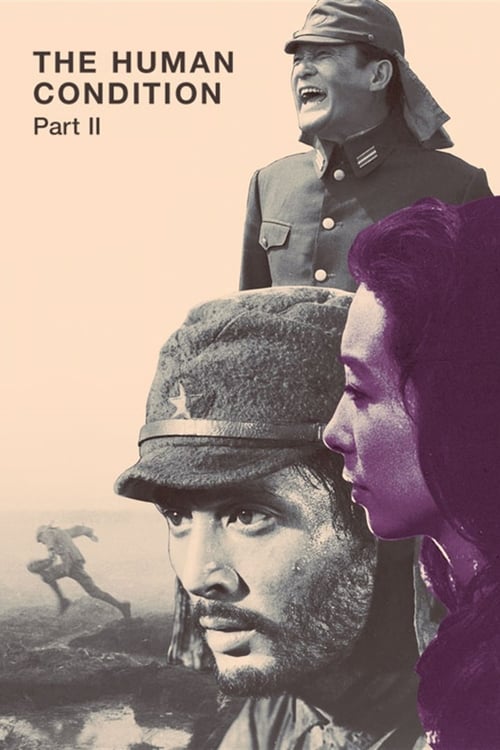
Kaji, sent to the Japanese army labeled Red, witnesses cruelties in the army and revolts against the abusive treatment against a fellow recruit. He also sees his friend Shinjô defecting to the Russian border, and he ends in the front to fight a lost battle against the Russian tanks division.

An English bon-vivant osteopath is enchanted with a young exotic dancer and invites her to live with him. He serves as friend and mentor, and through his contacts and parties she and her friend meet and date members of the Conservative Party. Eventually a scandal occurs when her affair with the Minister of War goes public, threatening their lifestyles and their freedom.

Tsar Nicholas II, the inept last monarch of Russia, insensitive to the needs of his people, is overthrown and exiled to Siberia with his family.

At the age of 24, and with serious charges hanging over him, Leonardo da Vinci is thrown into a Florentine dungeon where several common criminals are rotting away.
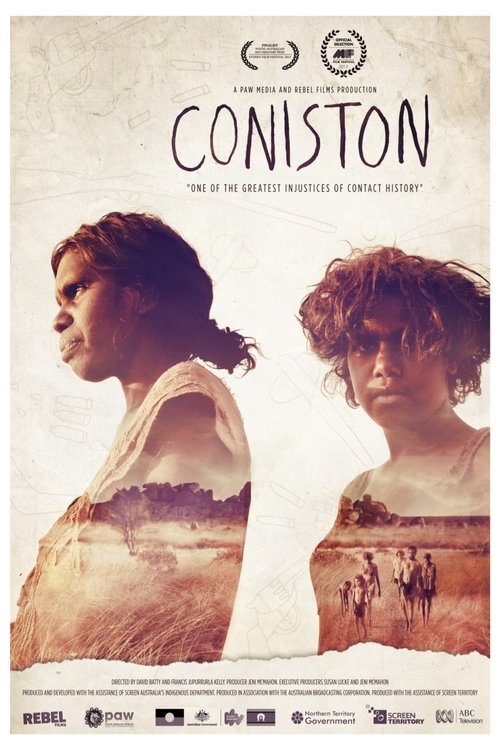
In 1928, following the murder of a white dingo trapper, central Australia would witness the last known massacre of its Indigenous people. With over one hundred killed during a series of punitive expeditions, those who survived fled far and wide from the massacre sites. Denied a voice at the official inquiry and dislocated from their lands, the survivors passed down the story of this bloody episode to their children and grandchildren.

After a wonderful time in Hungary Sissi falls extremely ill and must retreat to a Mediterranean climate to rest. The young empress’ mother takes her from Austria to recover in Madeira.
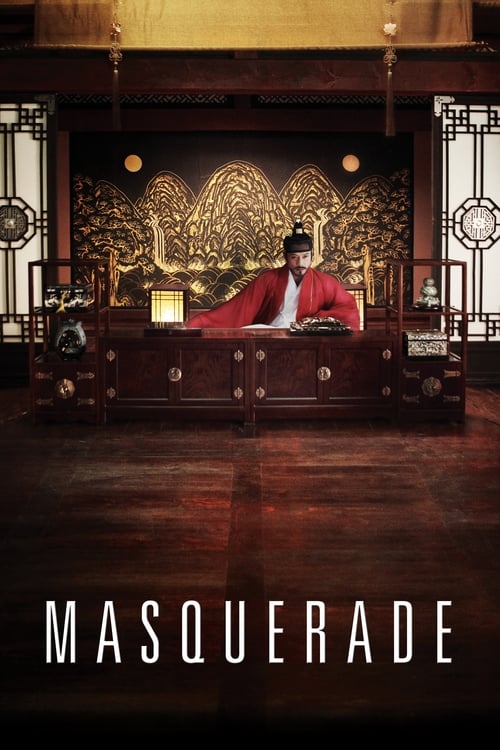
Though it places his own life in danger, a look-alike commoner secretly takes the place of a poisoned king to save his country from falling into chaos.
The film is about the khan of khans, the brave commander Javad Khan, who fought for his homeland against Russian troops led by Sisianov at the beginning of the 19th century, together with his sons, and died bravely.
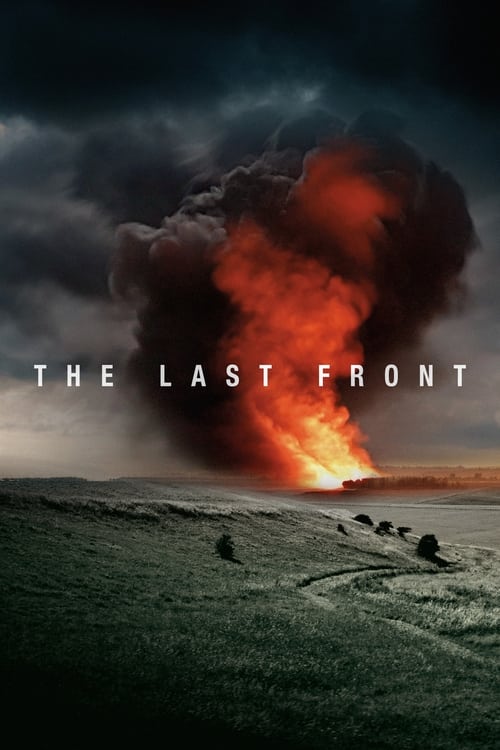
In a Belgian village during the start of World War I, the Lambert family finds themselves thrust into the heart of the conflict in The Last Front. Leonard Lambert, a devoted husband and father, grapples with protecting his family as German forces advance to their village. Amidst the war, a tender love story blossoms between Adrien Lambert, Leonard's son, and Louise Janssen, a local villager.
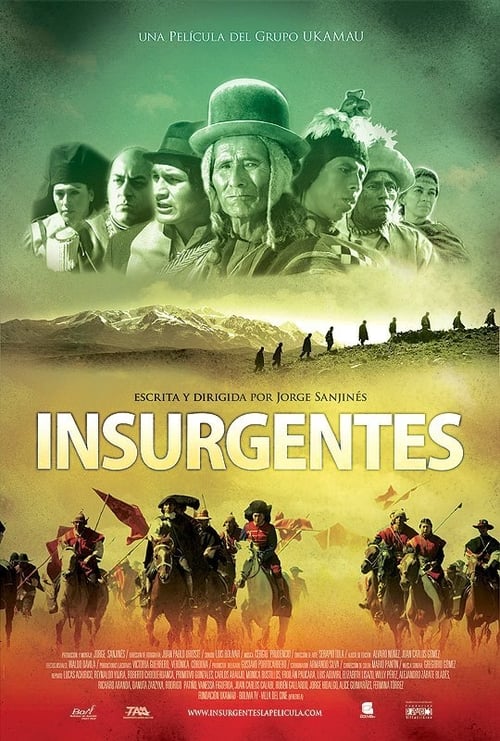
Through the reconstruction of crucial historical moments in the long struggle of the Bolivian Indians in search of the recovery of lost sovereignty, due to the Spanish colonization and the oppression of their descendants the republican Creoles, is rescued from official oblivion several indigenous heroes who shone with their own light in that extraordinary feat that culminates with the rise of an Indian to the Presidency of Bolivia.
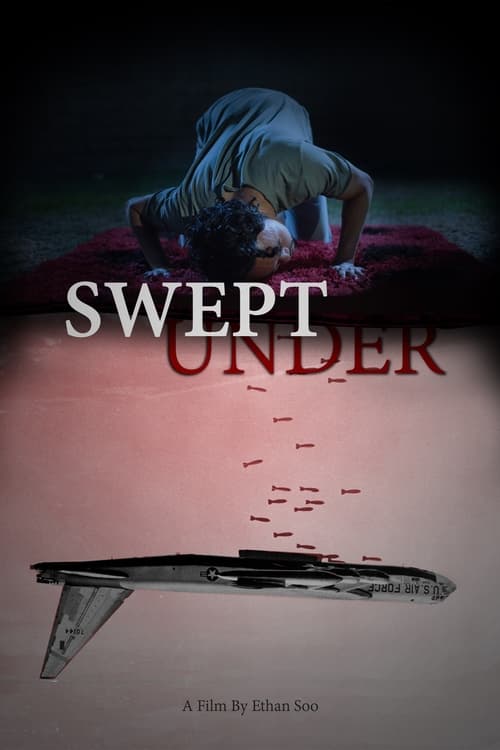
After receiving a housewarming rug from his sister, a Cambodian adoptee discovers a dark history hidden underneath its surface.
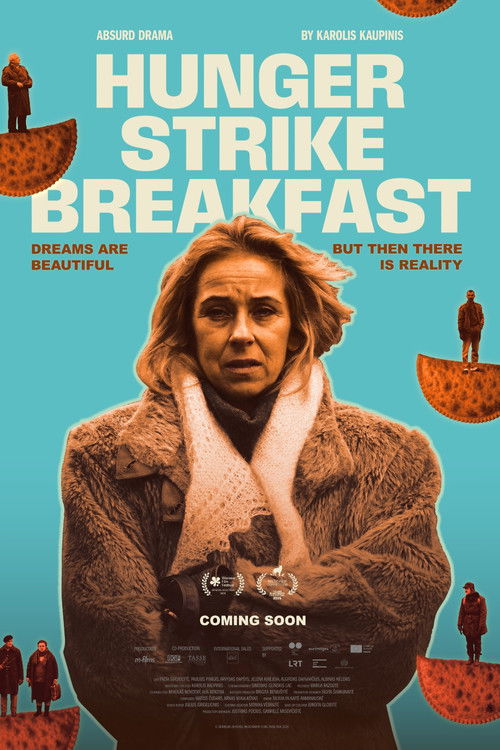
A desperate hunger strike meant to capture global media attention slowly unravels into a hilariously bleak showdown between ambition, reality, and an empty stomach.
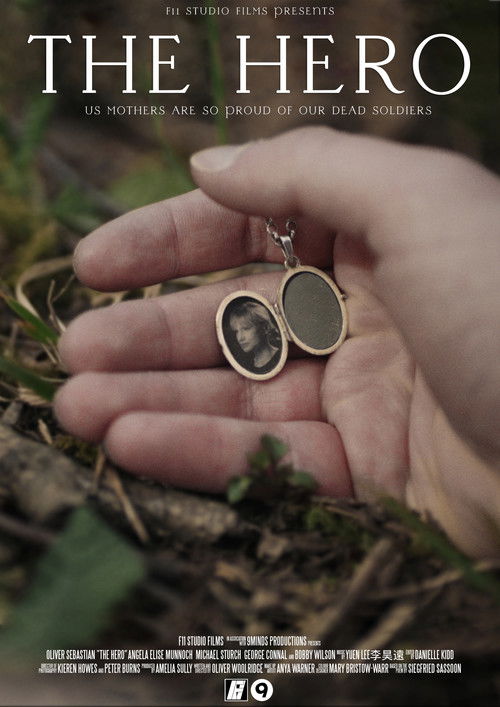
At the end of the Great War, a soldier burdened with informing a mother of her son's death, faces an impossible decision... Tell her a noble lie, or the horrible truth?
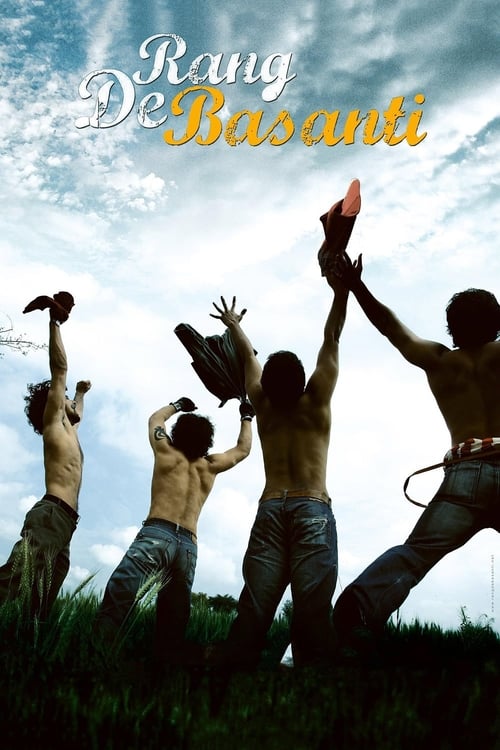
After a group of friends graduate from Delhi University, they listlessly haunt their old campus, until a British filmmaker casts them in a film she's making about freedom fighters under British rule. Although the group is largely apolitical, the tragic death of a friend owing to local government corruption awakens their patriotism. Inspired by the freedom fighters they represent in the film, the friends collectively decide to avenge the killing.

In 1968 Dennis Wilson of The Beach Boys met a dynamic and passionate singer/songwriter and introduced him to Hollywood. The two set out to record that artist's first professional album. The album became known as LIE. In 1969 this artist achieved incredible fame, but not for his music. The artist's name was Charles Manson.
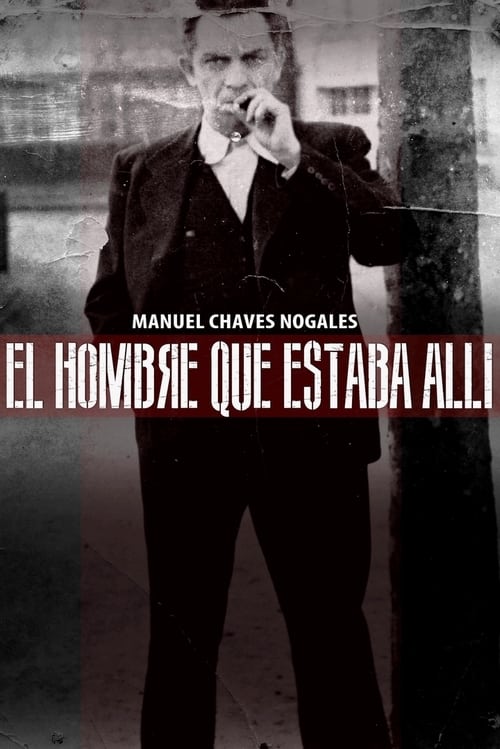
The Spanish journalist Manuel Chaves Nogales (1897-1944) was always there where the news broke out: in the fratricidal Spain of 1936, in Bolshevik Russia, in Fascist Italy, in Nazi Germany, in occupied Paris or in the bombed London of World War II; because his job was to walk, see and tell stories, and thus fight against tyrants, at a time when it was necessary to take sides in order not to be left alone; but he, a man of integrity to the bitter end, never did so.
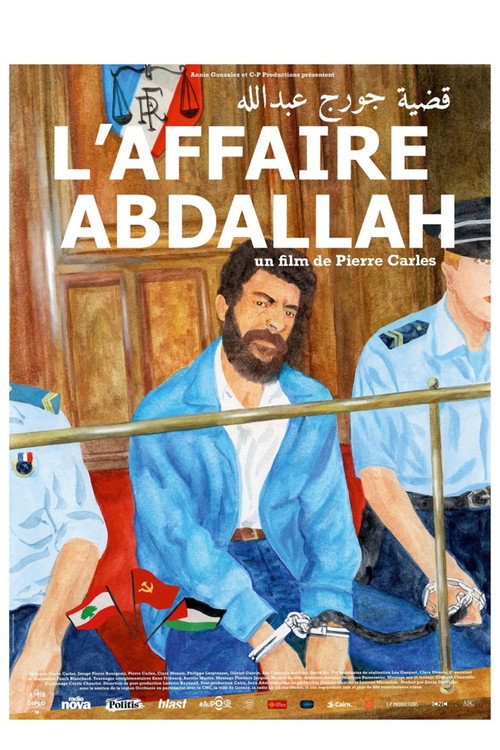
Georges Ibrahim Abdallah, a pro-Palestinian communist resistance fighter, is France's longest-serving political prisoner. Incarcerated for 40 years, he remains a symbol. He was suspected of being behind the attacks that sowed chaos in 1980s Paris and was convicted of murdering two diplomats. In the film *The Abdallah Affair*, which Pierre Carles dedicates to him, we discover a deeply troubling story: a country choosing an ideal scapegoat. An incredible piece of fake news and intense pressure exerted by the United States on France are at the root of this extraordinary length of detention. The official media machine went into overdrive, serving a national interest, blind and deaf to all the ambiguities of this case, which this documentary exposes. Georges Abdallah was imprisoned in France for nearly 41 years. Wrongfully. At 74, he managed to leave prison, standing tall, his political convictions intact.
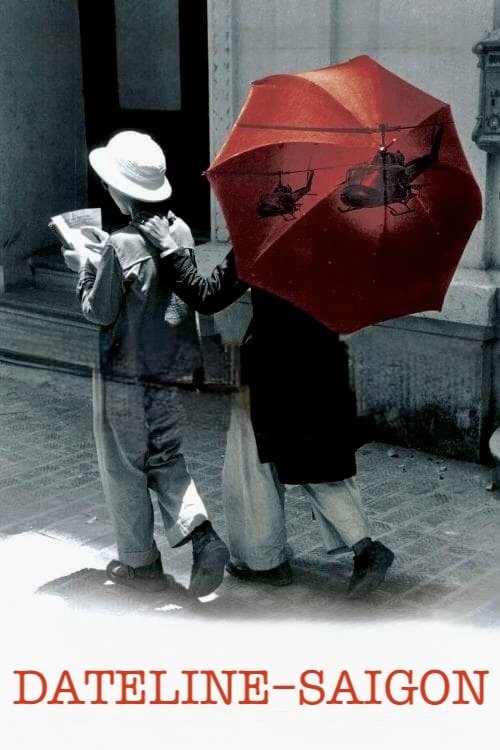
How does a nation slip into war? Dateline-Saigon profiles the controversial reporting of five Pulitzer Prize-winning journalists -The New York Times' David Halberstam, the Associated Press' Malcolm Browne, Peter Arnett, and legendary photojournalist Horst Faas, and UPI's Neil Sheehan -- during the early years of the Vietnam War as President John F. Kennedy is secretly committing US troops to what is initially dismissed by some as 'a nice little war in a land of tigers and elephants.' 'When the government is telling the truth, reporters become a relatively unimportant conduit to what is happening,' Halberstam tells us. 'But when the government doesn't tell the truth, begins to twist the truth, hide the truth, then the journalist becomes involuntarily infinitely more important.'
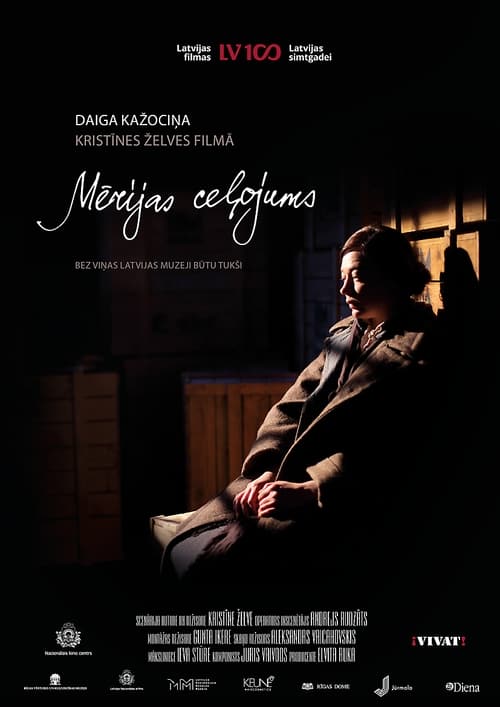
At the end of the Second World War, when the German army retreated from Latvia, it also took along 700 boxes of materials from Latvian museums. If not for a young woman named Mērija Grīnberga, the exhibition halls of many museums in Latvia would be empty today. Grīnberga was the only volunteer who in 1944 went along with the train carrying the treasures of Latvian art in order to return with them back to Riga. The German occupying forces tried to take them away; the Soviet occupation forces brought them back; Mērija completed her duty. As gratitude for her journey, Mērija was sacked from her job at the museum and incessantly viewed with suspicion.