Protocol Archives • Browse all History titles in HD
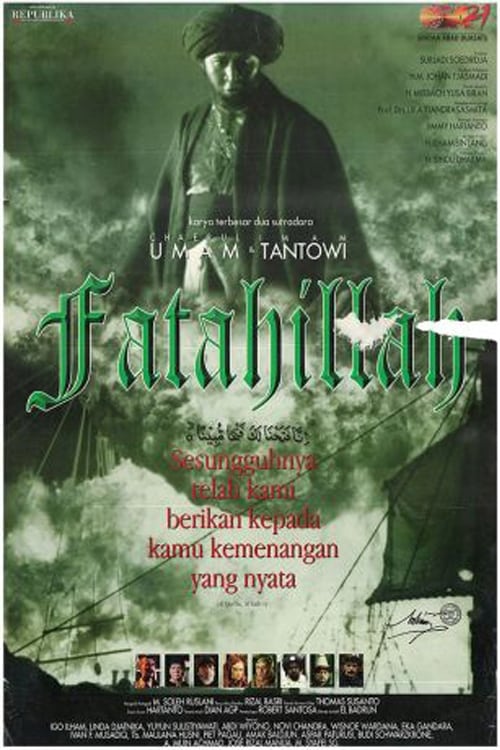
Disappointed after seeing his homeland, Pasai, destroyed by the Portuguese, Fadhilah Khan, later known as Fatahillah or Fala Tehan, completes his education in the Holy Land, then joins Sultan Trenggono who rules the Sultanate of Demak. He gains a respectable position as a cleric, then marries the sister of the Emperor, Ratu Pembayun, and Ratu Ayu, the widow of Pati Unus, who died in the battle against the Portuguese in Malacca. The Portuguese want to establish a fort at Sunda Kelapa. But the Sultanate of Demak is determined to wage a war against the Portuguese. Fatahillah is elected as the commanding officer, and he conquers Sunda Kelapa, and changes its name to Jayakarta, which later became Jakarta.

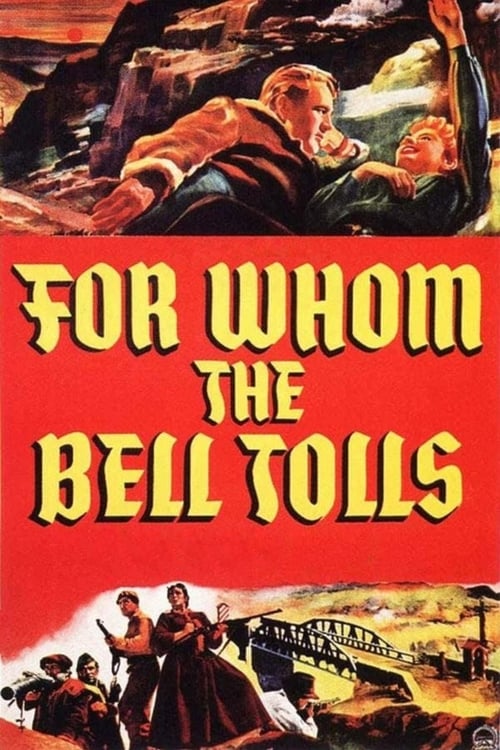
Spain in the 1930s is the place to be for a man of action like Robert Jordan. There is a civil war going on and Jordan—who has joined up on the side that appeals most to idealists of that era—has been given a high-risk assignment up in the mountains. He awaits the right time to blow up a crucial bridge in order to halt the enemy's progress.

The Titanic disaster as seen through the eyes of one couple in each of the three classes on board.

A unique, engaging film that combines documentary footage with narrative cinema to tell the story of four generations of a Latvian family. Sixteen year-old student Jānis has been given an interesting homework assignment – to draw his family tree and explain it. The story of his family begins with his great-great-grandfather who burned down the manors of German landowners during the 1905 revolution. My Family Tree takes us on a journey to various countries and political regimes, showing Jānis’ ancestors to be people of diverse fates and life stories. A rich Latvian trader, a red rifleman loyal to Lenin, a carpenter with the KGB and war refugees in Sweden are only a few branches on his family tree, and the boy has heard something unusual and unforgettable about each and every one of these people.
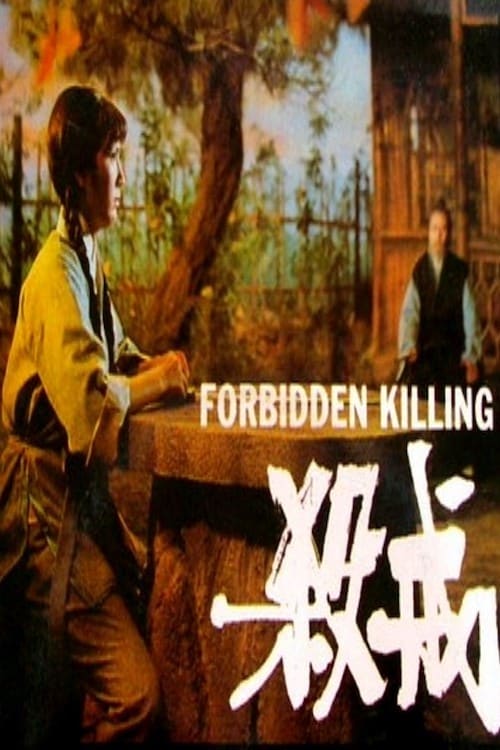
In "Forbidden Killing" Melinda Chen Man-Ling plays a highly trained swords woman who gets involve in a power struggle between two groups mandarins in the government.
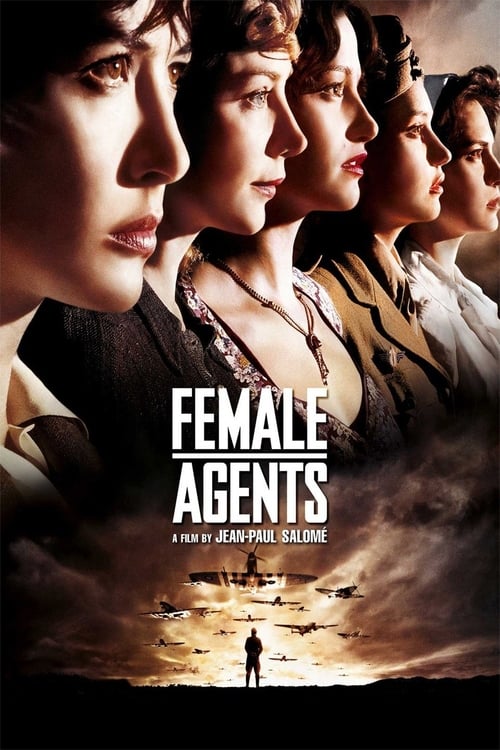
May 1944, a group of French servicewomen and resistance fighters are enlisted into the British Special Operations Executive commando group under the command of Louise Desfontaines and her brother Pierre. Their mission, to rescue a British army geologist caught reconnoitering the beaches at Normandy.
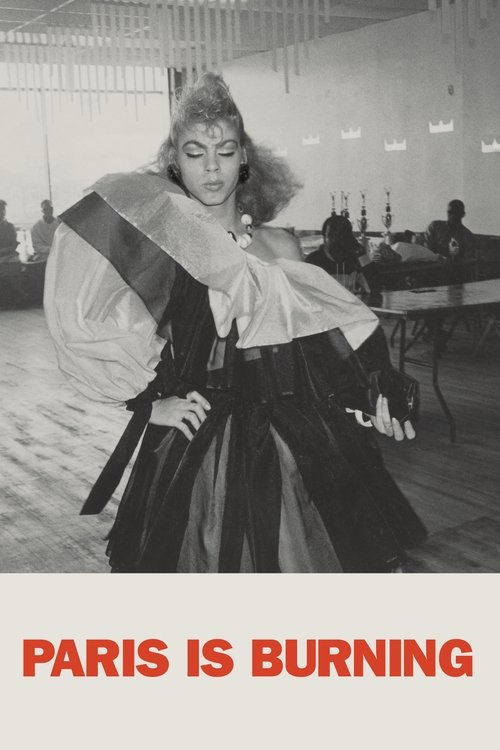
Where does voguing come from, and what, exactly, is throwing shade? This landmark documentary provides a vibrant snapshot of the 1980s through the eyes of New York City's African American and Latinx Harlem drag-ball scene. Made over seven years, PARIS IS BURNING offers an intimate portrait of rival fashion "houses," from fierce contests for trophies to house mothers offering sustenance in a world rampant with homophobia, transphobia, racism, AIDS, and poverty. Featuring legendary voguers, drag queens, and trans women — including Willi Ninja, Pepper LaBeija, Dorian Corey, and Venus Xtravaganza.

Ancient Rome, during the time of Emperor Nero. Vinicius, a young patrician, falls in love with the beautiful Lygia, the daughter of a Barbarian commander who was killed in battle, and wants her for his concubine. For Lygia, a Christian, being a pagan's concubine is a severe sin and disgrace. However, when Vinicius is wounded, Lygia cares for him, and starts to reciprocate his feelings. Vinicius, in return, becomes interested in Christian learning and asks Apostle Peter to teach him. In the meantime, Emperor Nero accuses Christians of having started a great fire in Rome. He encourages the imprisonment, torture and murder of his Christian subjects.
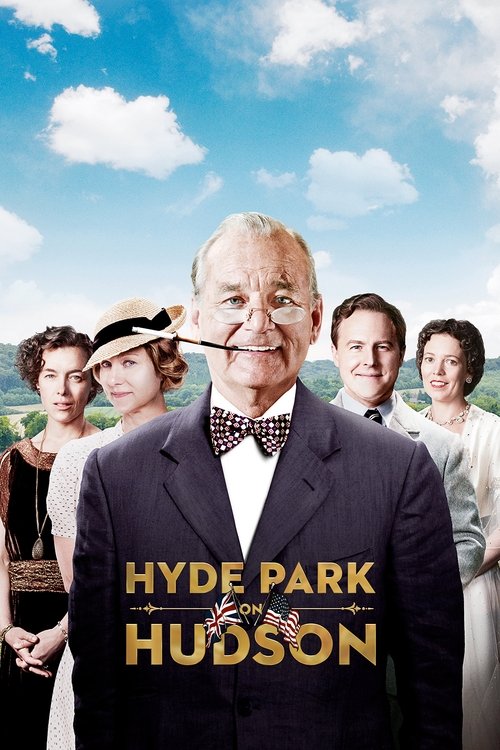
The story of the love affair between FDR and his distant cousin Margaret Stuckley, centered around the weekend in 1939 when the King and Queen of the United Kingdom visited upstate New York.

The illegitimate son of an African slave and a French plantation owner, Joseph Bologne rises to improbable heights in French society as a celebrated violinist-composer and fencer, complete with an ill-fated love affair and a falling out with Marie Antoinette and her court.
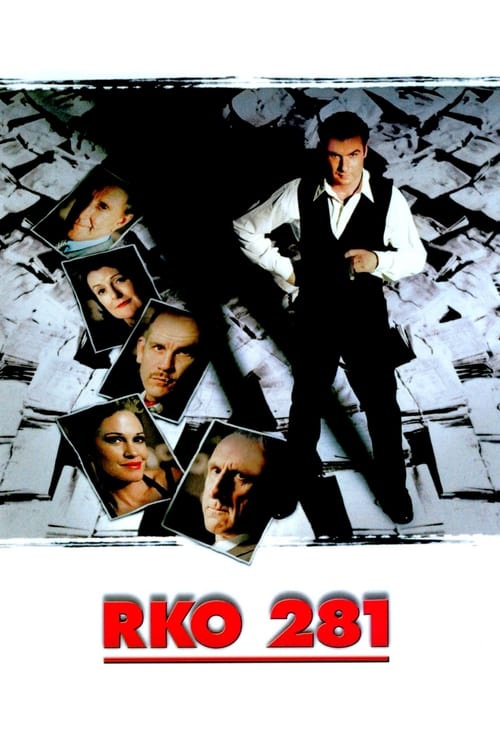
In 1939, boy-wonder Orson Welles leaves New York, where he has succeeded in radio and theater, and, hired by RKO Pictures, moves to Hollywood with the purpose of making his first film.

About a man's disappointment in love, and this provides the foundation for the upcoming trial of a much more significant love. The scene of the fatal meeting, the bar, which is a kind of world-model, and its environment: a fort under siege, from where it's almost impossible to escape...
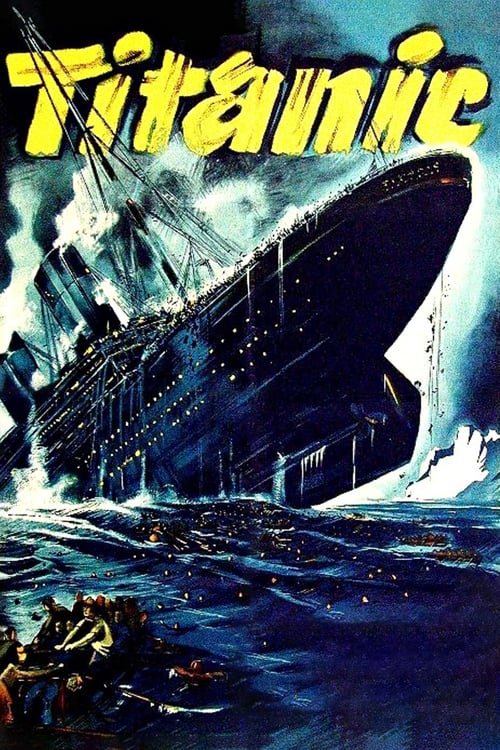
In 1912, the Titanic embarks on its inevitable collision course with history. In the wake of the over-spending required to build the largest luxury ship in the world, White Star Line executive Sir Bruce Ismay schemes to reverse the direction of his company's plummeting stock value. Onboard the Titanic, brave German 1st Officer Petersen struggles to convince his self-important British superiors not to overexert the ship's engines.
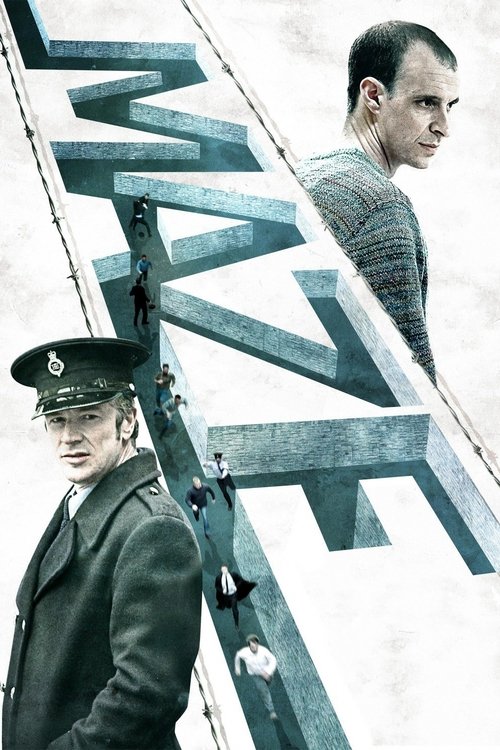
Inspired by the true events of the infamous 1983 prison breakout of 38 IRA prisoners from HMP Maze, which was to become the biggest prison escape in Europe since World War II.
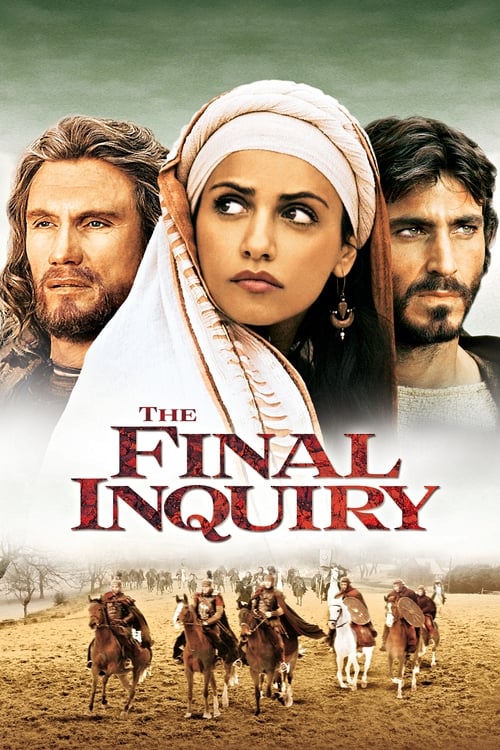
In 35 A.D., a Roman tribune is sent to Palestine to investigate the death and possible resurrection of a certain Jesus from Nazareth.
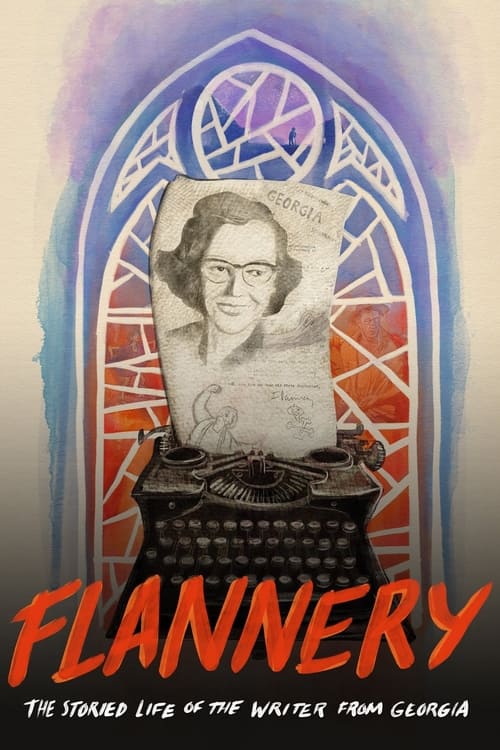
Explore the life of Flannery O’Connor whose provocative fiction was unlike anything published before. Featuring never-before-seen archival footage, newly discovered journals, and interviews with Mary Karr, Tommy Lee Jones, Hilton Als, and more.
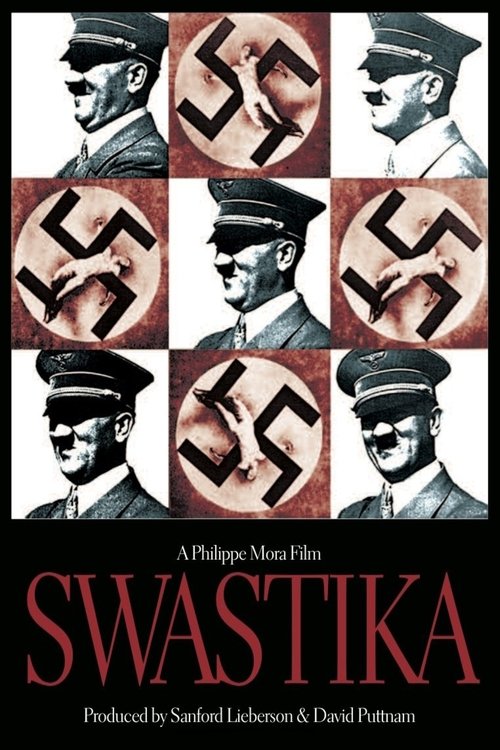
Comprised of footage shot during the Nazi regime, including propaganda, newsreels, broadcasts and even some of Eva Braun's colorized personal home movies, we explore the way in which the Third Reich infiltrated the lives of the German population, from 1933 to 1945.
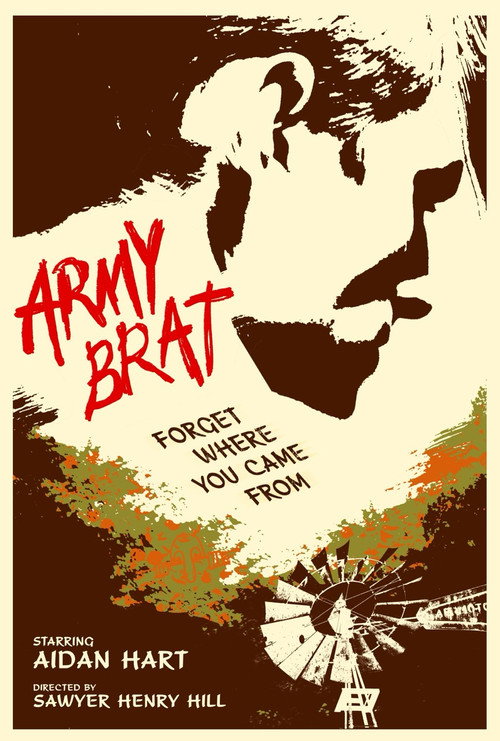
Drifter Henry Kilroy spends the day with a family who insist they knew him as a child.

Follows the story of underground workers who risked their lives to send intelligence and defend the motherland, set after Japan's attack on Pearl Harbor when the Wang Jingwei regime declared war on Britain and the U.S.