Protocol Archives • Browse all History titles in HD
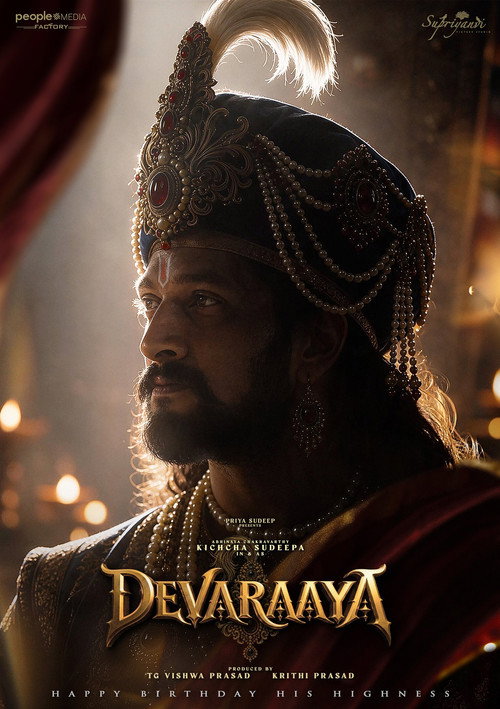
An EMPIRE that shaped history. A KING who defined an era. A LEGEND who lives beyond time. An epic saga of the greatest king of Karnata Empire - Sri Krishna Devaraaya
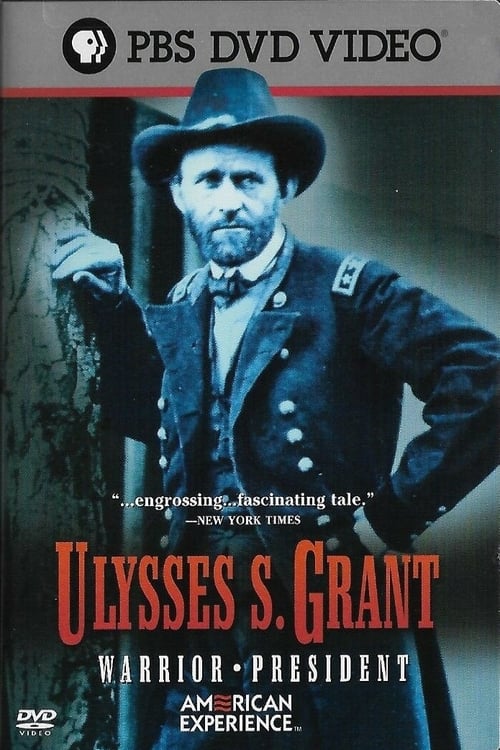
As a general, he had fought to preserve the Union. As president, he helped to oversee the transformation from union to nation. As a former president, he was the embodiment of the very idea of national union, and of America's entry onto the world stage. As a dying general, he was the symbol of the nation's greatest and most traumatic war. The story of Ulysses S. Grant's life, from his first days on the Ohio frontier to his last days out-writing death in the Adirondacks, is an endlessly fascinating one. Few public figures have ever held a such a firm grip on the American popular imagination. Grant was a man whose rise from obscurity made him a hero to millions who could see themselves in him. An ordinary man who faced and met extraordinary challenges, his successes and failures seemed to encapsulate the national character. He was so popular with the American public that, despite his two scandal-ridden terms as president, he was nearly nominated to run for a third term.

A look at Edinburgh's New Town while harking back to the visit of King George IV.
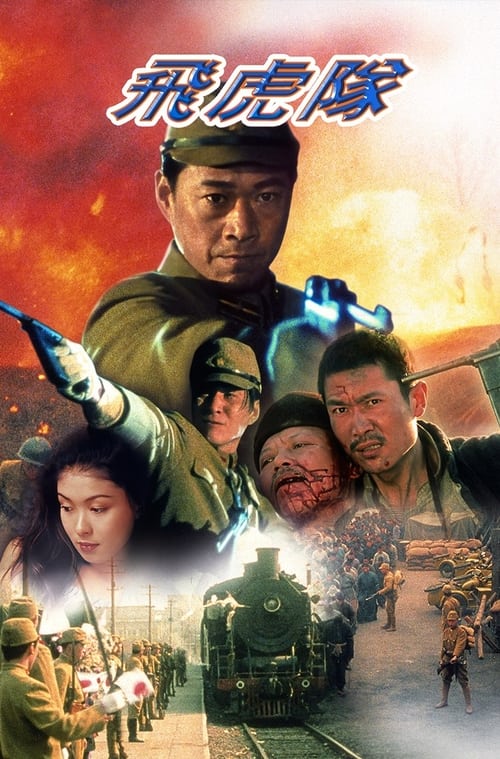
Before the breakout of the Sino-Japanese War, Hong, Wang, and Peng were best friends. Hong and Wang secretly joined the local guerrillas after the Japanese began invading China. Hong ran a small business and Wang worked as a courier for a Japanese trading firm, hiding their true identities in order to collect intelligence on the Japanese for the Eight Route Army, and established a railway guerrilla unit. Wang soon found out that the trading firm he was working for was indeed an intelligence unit of the Japanese. They infiltrated the Japanese special forces and eliminated many Japanese. Suspicions arise from the Japanese as to the real identity of the individuals suspected of being part of the railway guerrilla forces, so called Flying Tigers unit, so the Japanese began to form a counter-spying operation and other under-handed means by recruiting Chinese traitors to uncover and eliminate them all.
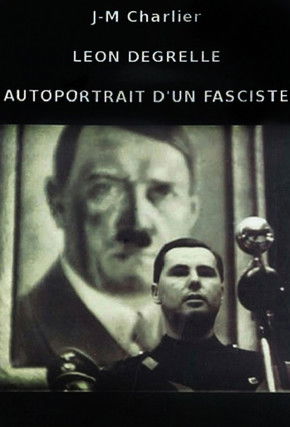
On the sidelines of history, some characters, often ignored of the greater public have, in the shadows, had a decisive weight on the most important events of our century. We are presenting you there «unknows». A two-part documentary, which is a two-and-a-half-hour interview with Léon Degrelle himself, was produced for FR3 in 1978 by Jean-Michel Charlier, as part of the series "LES DOSSIERS NOIRS" (The Obscure Records).The first part, "LÉON DEGRELLE: CHEF DE 'REX'" and the second part, "LE 'VOLKSFÜHRER' LÉON DEGRELLE".

Jewish family history is reconstructed in this documentary about the traces of German terror in Eastern Europe during World War II where in which is about the attic of a peasant's home where her family's parents and relatives hid in squalor during the war for two frightening years hid, and then spent most of their lives afterwards trying to forget what happened. Yet their children somehow knew what their parents went through. Deciding to confront her personal demons, Goodstein went back to Poland with her aunt and a group of cousins to meet the woman who sheltered her family.
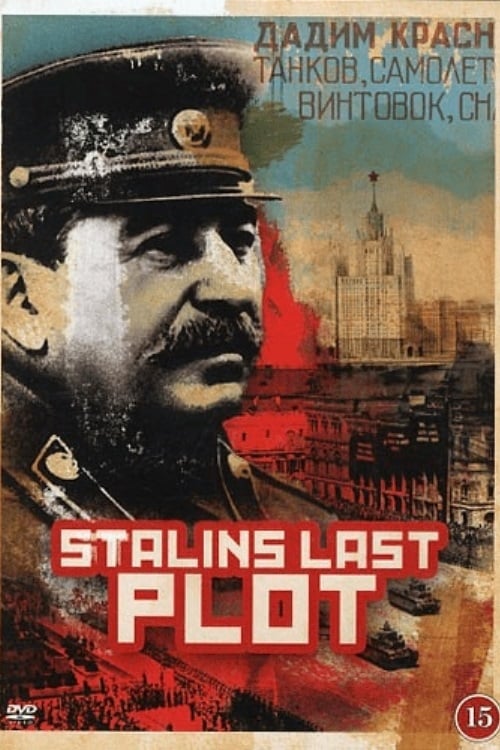
January 1953: On the eve of his death Stalin finds himself yet another imaginary enemy: Jewish doctors. He organizes the most violent anti-Semitic campaign ever launched in the USSR, by fabricating the "Doctors' Plot," whereby doctors are charged with conspiring to murder the highest dignitaries of the Soviet Regime. Still unknown and untold, this conspiracy underlines the climax of a political scheme successfully masterminded by Stalin to turn the Jews into the new enemies of the people. It reveals his extreme paranoia and his compulsion to manipulate those around him. The children and friends of the main victims recount for the first time their experience and their distress related to these nightmarish events.
The bombings recently carried out by the Revolutionary Breton Army (ARB) have drawn attention to the political and cultural history of the Breton movement. The writer Roparz Hemon is one of its emblematic figures. He was born in Brest in 1900, and died in Dublin in 1978 after thirty years of voluntary exile in Ireland following his trial for collaboration at the end of the war. He had indeed organised the first Breton-language radio programmes under German control. The work of this poet, novelist, and translator of Shakespeare and Cervantes is dominated by the theme of the dream.
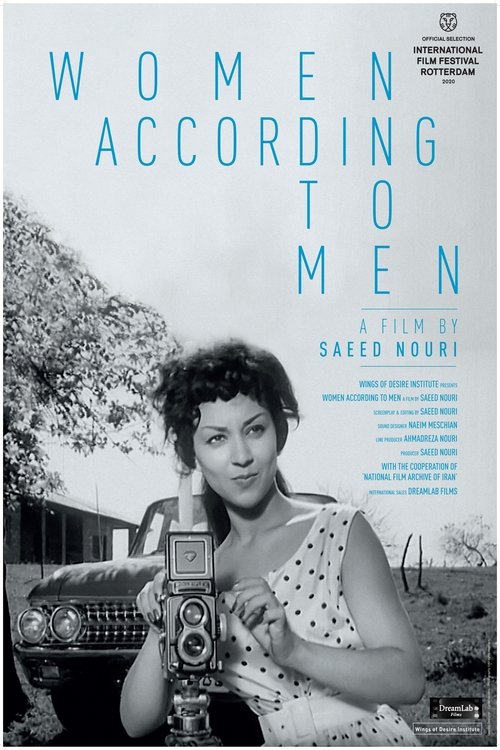
Before the Islamic Revolution in Iran, women's lives were strongly determined by two contradictory factors: the traditional patriarchy and the shah's modernisation policies. This film-excerpt collage starts in 1932 – the year the first Iranian film with sound was made – and ends in 1979 revealing how, during this period, women were depicted by generally male film directors.
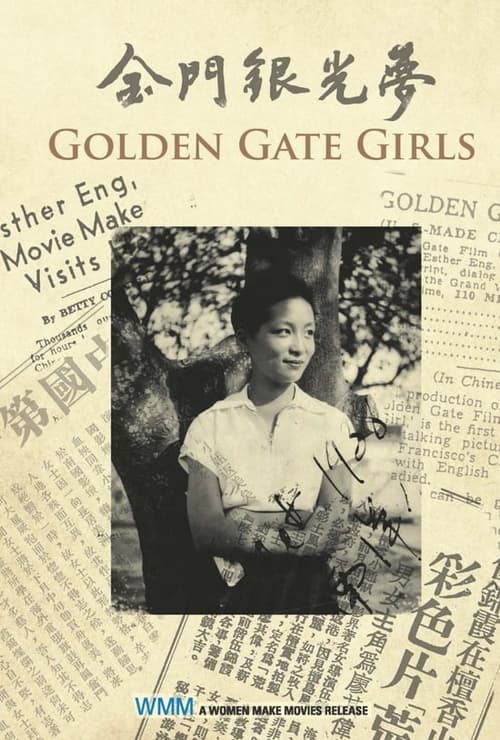
The film traces the life and times of Esther Eng, a San Francisco native known as Hong Kong’s first “directress.” She directed 10 Cantonese talkies.
In the aftermath of a medieval battle, a war-ravaged soldier meets a peasant woman searching for her warrior son. Unexpectedly their lives will change.

In the mid-20th century, in a forested valley between Italy and Yugoslavia, a stingy widower befriends a young woman and helps her depart across the ocean to find there a better life. A chance encounter gives rise to a dreamy parable on loss, loneliness and the power of imagination.
Arnold, reproved by General Washington, decides, with the bitter hatred of a small nature, to betray West Point into the hands of the British, and to that end enters into negotiation with Major Andre, as the representative of the British General.
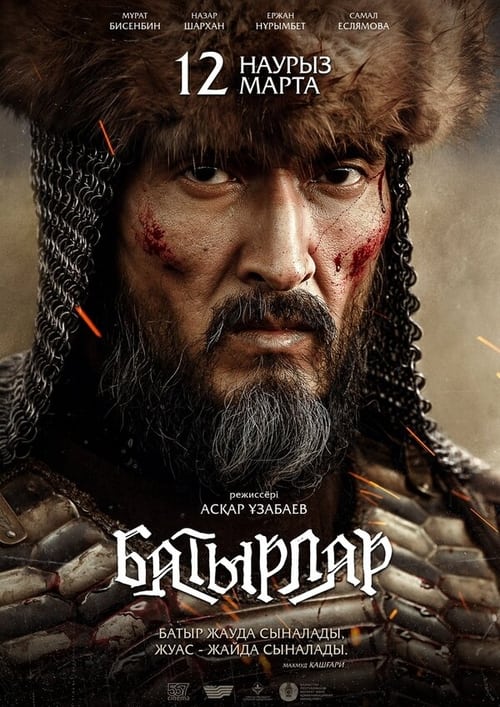
Karasai's parent Altynai prepares his son for subsequent participation in battles from an early age, teaching the boy various martial arts and skills. The boy willingly listens to his father's recommendations, and already in childhood he confidently uses a whip and a sword. When Karasai turns into an adult youth, a period of famine sets in, from which the relatives of the young man suffer. The guy leads the herds of his fellow tribesmen to fertile arable land, and soon aggressive Dzungars attack the lands of his people.
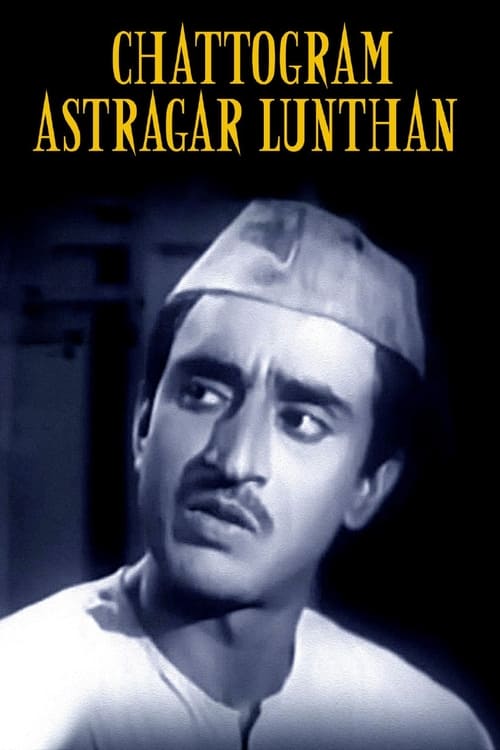
Master Da Surya Sen, along with his companions and some major national freedom fighters, goes through various struggles and sacrifices while fighting for India's freedom from British rule.
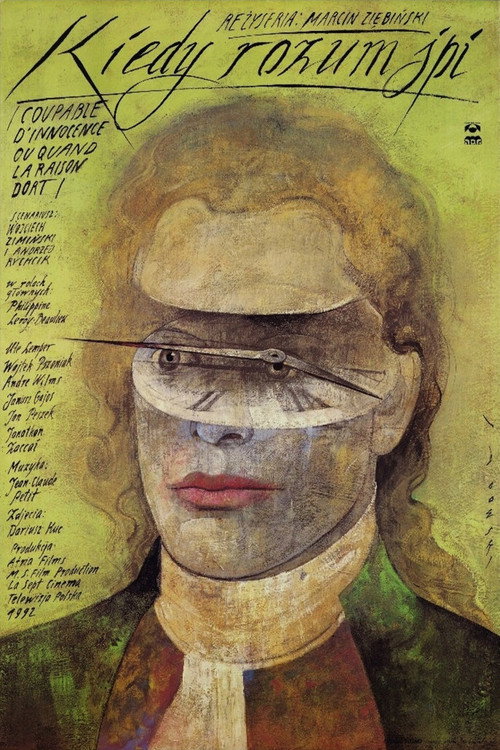
This sumptuously photographed period drama is set in 1791 Vienna. Maximilian Bardo, an opportunistic 18-year old Viennese man with aspirations to rise above his bourgeois upbringing, looks for a chance to shoehorn himself into the nobility. His hopes lead him to the castle of a wealthy inventor, Alexander Plant. It is here that a strange story is played out, as Maximilian, full of naive illusions and innocent ideals of what it means to be wealthy and noble, quickly loses his innocence. Falling prey to the jaded aristocrats in residence, he is cruelly initiated into their decadent games.
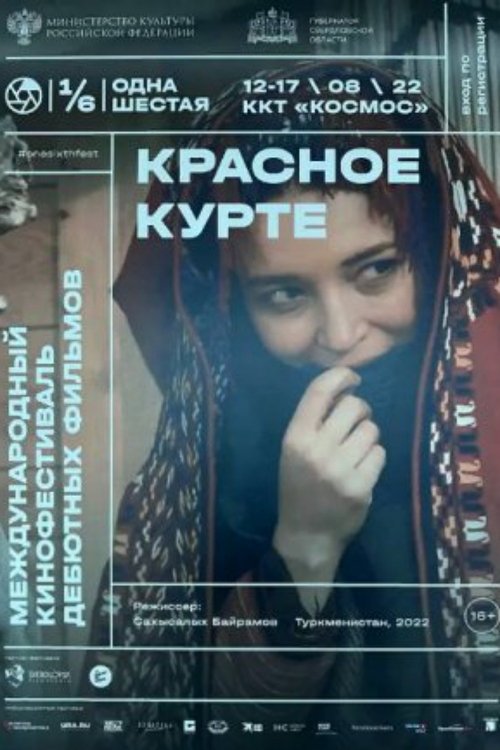
Movie about the fate of a woman named Gowher. Before the start of the Great Patriotic War, the groom put on her head a traditional wedding cape - a red kurta, and asked her not to take it off until he returned. At the front, the groom died, but Govher never married, and wore his gift until her death. The picture is based on real events, and archival photos of the prototype of the heroine are also used in it.