Protocol Archives • Browse all History titles in HD

Lisa Briggs, archaeologist at Cranfield University, studies ancient shipwrecks using DNA analysis and scientific tools to uncover maritime trade history and stories of ships, crews, and cargo.

In 1932, more than two hundred thousand men armed with machine guns, grenades and canons took part in on of the most violent wars in America in the 20th century. Brazilian against Brazilian, in a conflict that involved air raid of big cities – such as Campinas, Santos and São Paulo - and resulted in more than two thousand deaths. Why did this war happen? Who took part in it? What were the details of the conflict? How did the war end? The documentary tells this episode of the country's history, not only grand but also unknown, with an accessible language and an involving rhythm.

The film takes place during the Afghan war in an area where, by agreement of the warring parties, no military action was conducted. Taking advantage of this convenient circumstance, local mafioso Karakhan secretly built a drug factory here. US intelligence agencies find out about this and begin an operation to seize the factory. However, Karakhan's fighters are well trained and armed, they repel all attacks. But the American soldiers get an assistant: an unknown person destroys drug caravans and blows up the houses of Karakhan's partners...
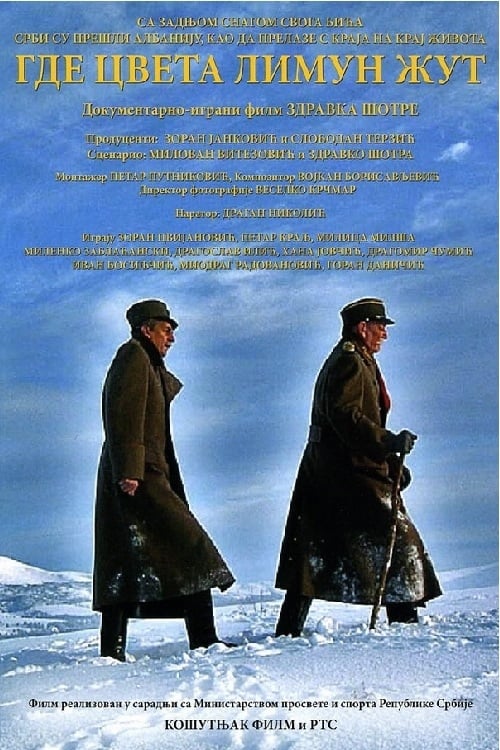
By the end of 1915, during the second half of World War I, which had started by the Austro-Hungarian Empire's attack on a small Kingdom of Serbia, Serbian people, its army, and the state found themselves in the greatest tribulation in its long history. Serbia is attacked by the combined militaries of Austro-Hungarian Empire, Germany, and Bulgaria. Defending every road, every hill, every creek, during the time when every village, every plato, every crossing was becoming a historical landmark, Serbia, relying on the Allies, moved its people, its government, and its remaining troops to Kosovo--the only unoccupied part of the Serbian territory, but soon had to cross Albania in the hopes of reaching the Allies' ships in the Mediteranian.


Alice Ball, a 23 year-old African American Chemist living in 1915 Hawaii fights against racial and gender barriers to find an effective treatment for leprosy before Kalani, a 10-year-old patient is exiled into the leper colony of Molokai.

A samurai Sakunosuke gets an order from clan chamberlain to kill another samurai who is married with his own younger sister. As a loyal samurai he has to accept the mission even though he has inner conflicts.
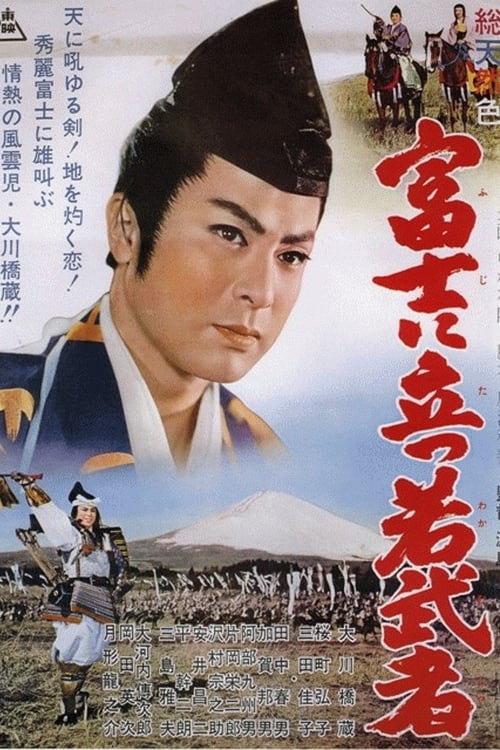
The epic battles between the Heike and Genji (Taira and Minamoto clans) take centerstage as the defeated leader of the Genji, Minamoto Yoritomo resolves to end his clan's exile and avenge the brutal loss in December, 1159 as they had fought under the white banner of the Emperor, while the Taira fought under their red flags in a battle to the death. The fight only took one day, with the Genji suffering utter defeat which led to their exile. His father, Yoshitomo, took responsibility for the loss and rather than live in humiliation, he decides to commit suicide with all his sons following him. However, the bravest warrior among them, Yoritomo stands tall and declares that he will not kill himself, but rather will fight to restore the clan.
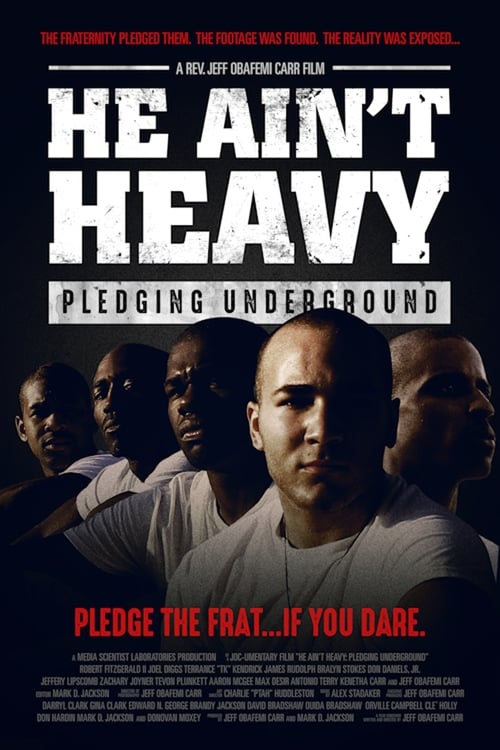
In the Spring of 2011, five young College Students began the pledge process for a prestigious African-American Fraternity. A Graduate Film Student and fraternity member captured their journey on video as part of an academic documentary that was never meant to be shared outside of the fraternity. Weeks into the process, an early morning 911 call led Police to a high school football field, where they discovered the body of one of the Pledges. Months later, the damning footage from video cameras, cell phones and campus security cameras found its way to Director Rev. jeff obafemi carr, who amalgamated it into the explosive movie titled He Ain't Heavy.
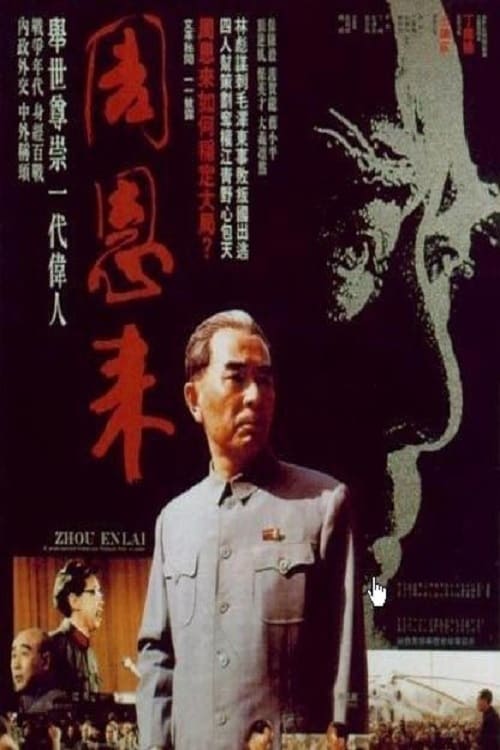
An biography of Zhou Enlai through the Cultural Revolution.
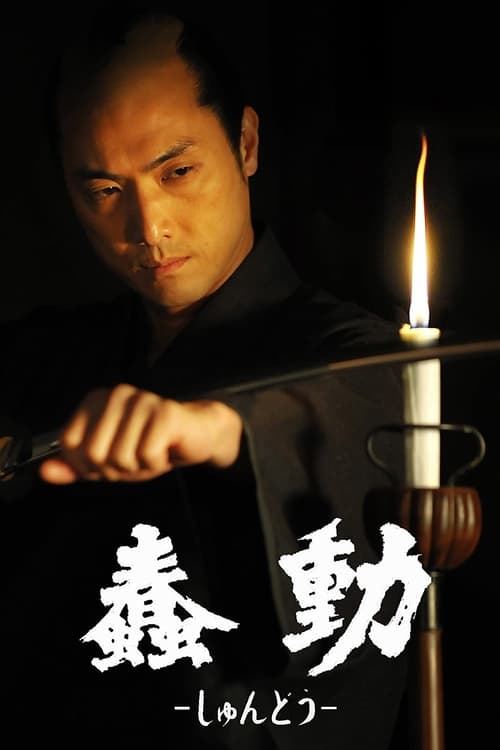
1732, in the era of Yoshimune Tokugawa. West Japan suffers from a severe famine. Three years after wards, it appeared as though calm had been restored to the domain, but there is word that Jyuzo Matsumiya, the sword fighting instructor sent by the shogunate, is taking some suspicious actions.


Foxes Ken and Chin become the proud parents of cubs, Koro and Kan, who enjoy a carefree life on the northern Japanese island of Chironup. They befriend a fisherman and his wife but are forced to run for their lives when soldiers on a military exercise decide to take home some fox pelts as souvenirs. A sweet little film that obliquely symbolizes the plight of Japan's aboriginal Ainu people and the northern islands that have been contested with Russia since they were occupied by Stalin's soldiers in 1945.
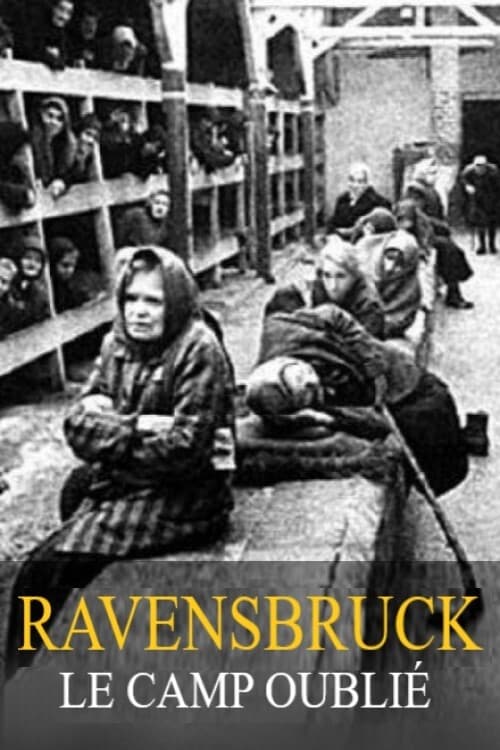
Located nearly 80 kilometres north of Berlin, Germany, the former municipality of Ravensbrück was home to a prison between 1939 and 1945 that became a concentration camp designed specifically for women. It was built by order of Heinreich Himmler, a high dignitary of the Third Reich and head of the SS. Of the more than 130,000 people who were deported there, almost 90,000 never returned. Based on witnesses, international experts and computer-generated images, the document reveals the atrocities committed in Ravensbrück.

Follows the fate of Colonel Dzandar's two sons, one joined the Bolsheviks, the other joined the counter-revolutionaries.
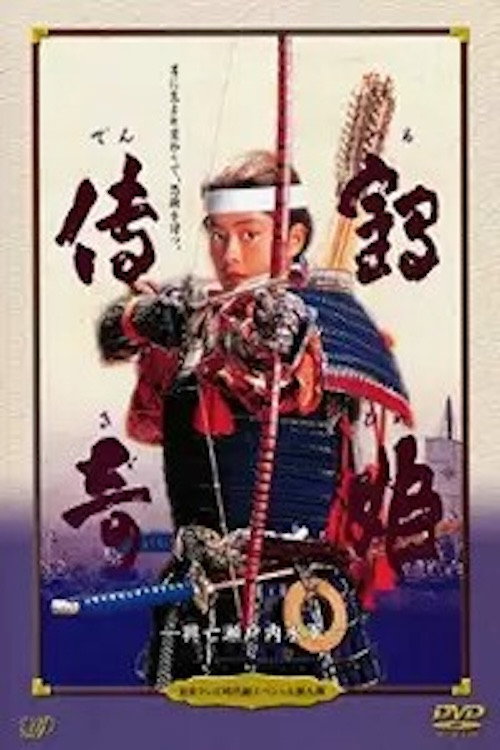
Oyamazumi Shrine still remains in Omi Island, surrounded by the Seto Sea. During the Warring States Era, a beautiful princess was born to the Ohori family, guardians of the shrine. Ohori was the chief priest of the shrine, and the princess was destined to be the leader of the Seto Sea pirates. Her name was Tsuru, and she was as brave as the ‘Dragon God’. While her birth was a gift from heaven, her life was filled with tragedy. This is an historical drama on a dynamic scale telling the story of Princess Tsuru, who rose to the post of admiral of the Mishima navy, as well as being a young woman watching her loved ones perish in the terrible wars of that time. Exciting battles and treacherous assassinations highlight this heartfelt tale of a young princess who must be as strong as a man in wartime, while still feeling the emotions of a woman.
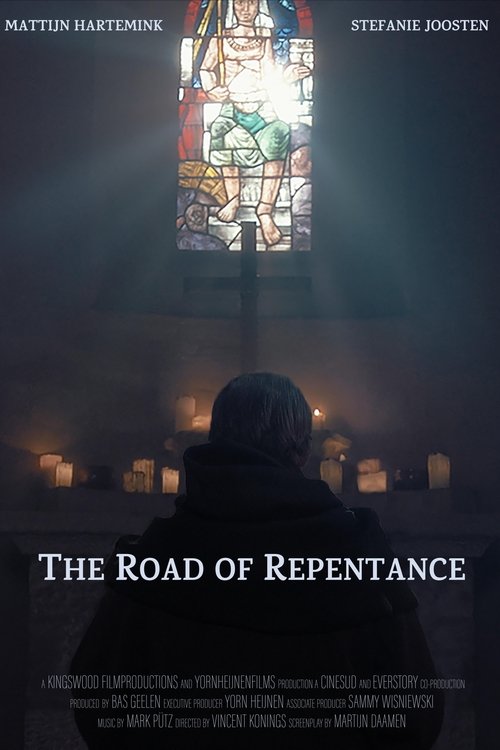
In the 12th Century town of Houthem, a Knight named Gerlachus starts a journey of repentance after a crisis within his family.

The year is 1732. John Wesley, an irritatingly self-righteous instructor at Oxford is offered the chance to go to the new colony of Georgia, where he hopes to preach to the Indians. John struggles with his failure and fears and is finally experiences the peace he longed for: "I felt my heart strangely warmed." Wesley begins to preach about his experience of saving faith, but is turned out of most churches in London. Despite opposition, mob violence that seeks to break up their meetings, Wesley and his "Methodies" establish social ministries to the poor that transformed the face of England. Today, almost 75 million people worldwide trace their spiritual heritage back to John Wesley.