Protocol Archives • Browse all History titles in HD
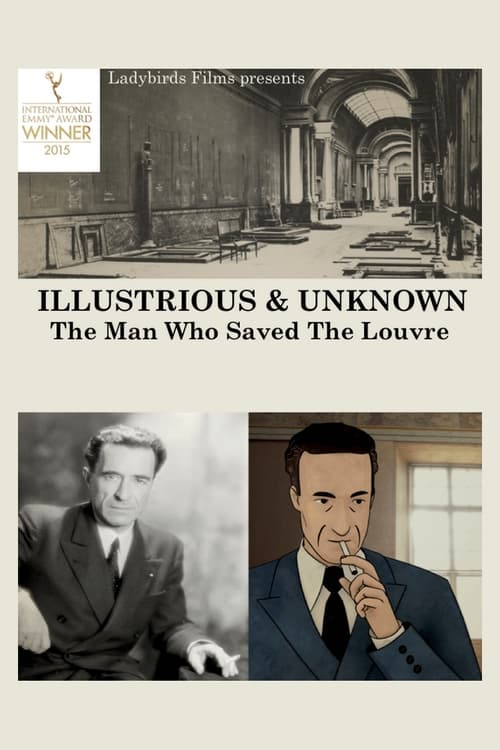
Paris, France, 1939, at the dawn of World War II. The French resistance orchestrates an incredible operation to put hundreds of masterpieces of art, part of the artistic heritage of humanity and preserved in the Louvre Museum, away from the greedy and dirty hands of the Nazis, who are about to invade the country.

A parody based on Kabuki plays about thieves led by the famous Soshun Kochiyama.

The film "Nights full moon" shows the tendency of moral decay in society. The main character is torn apart by internal contradictions, leading him to the path of Evil. Bans on self-identification - philosophical, existential, sexual, and then permissiveness spawn a monster that is not aware of its true nature and genuine desires. Throughout the film-trilogy, the protagonist goes through a series of temptations that ruin his soul and lead, after all, to a madhouse. In a general sense, the film allegorically shows the tragic path of the Russian lumpen intellectual, lost between the past and the present, not finding the strength to accept and comprehend the unexpected changes that happened in our country twenty years ago. In the global sense - the tragic circle of Russian history.
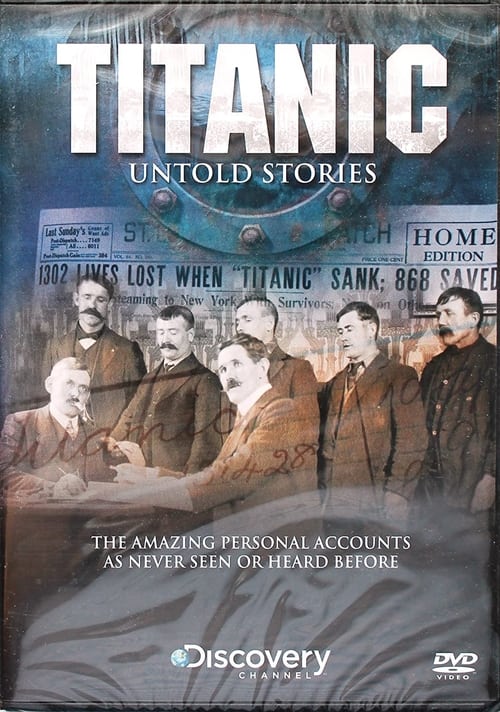
The gripping personal accounts of the people and the tragedy. In never-before-seen footage, we journey with historian Charles Haas, as he descends into the depths of the North Atlantic and guides us on a tour of the RMS Titanic. While recounting tales of triumph and struggle, we see among the many sites the doors where all passengers would have entered, peer through the porthole of a first class cabin, see the davits where the too few lifeboats hung and pause by the mail room where the postal workers heroically died. This unique footage coupled with letters, old stills, artifacts and new recreations tells the amazing human stories of this famous ship as never before.
MY LONG MARCH is the second part in the thrilling AXIS OF WAR saga, set set during the Nanchang uprising of the Chinese Civil War in 1927.

The film continues to blend myths, legends, literature and folktales to further expand his narrative of history and weird tales. The story, set in Sichuan cuisine, is divided into four parts: a funeral banquet more than 4,000 years ago in which a grandmother cuts off her own tail to give to her children and grandchildren; a Spring Festival more than 3,000 years ago in which an ancestor king returns in the guise of a bird and is crucified at the banquet; a Mid-Autumn feast in the 1990s in which the gods gather to pay tribute to a millennia-old poet; and a birthday banquet in which a wandering child meets the gods of the underworld .
In 1733, Johann Sebastian Bach gives an explosive and unexpected music lesson at the Leipzig church.

Through the meticolous research of her own family history, documentary filmmaker Izabela Dominković reveals a generation triptich of stories that make the Borovo shoe factory a cultural and industrial symbol of Zagreb.
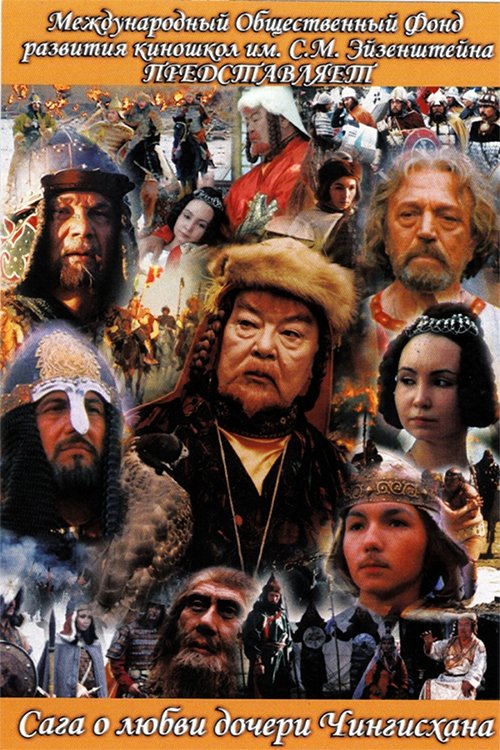
The third part of Bulat Mansurov's planned epic film series; “The Saga of the Ancient Bulgars". The film is dedicated to the formation of the Ancient Russian state and Eurasian culture under the rule of Genghis Khan.
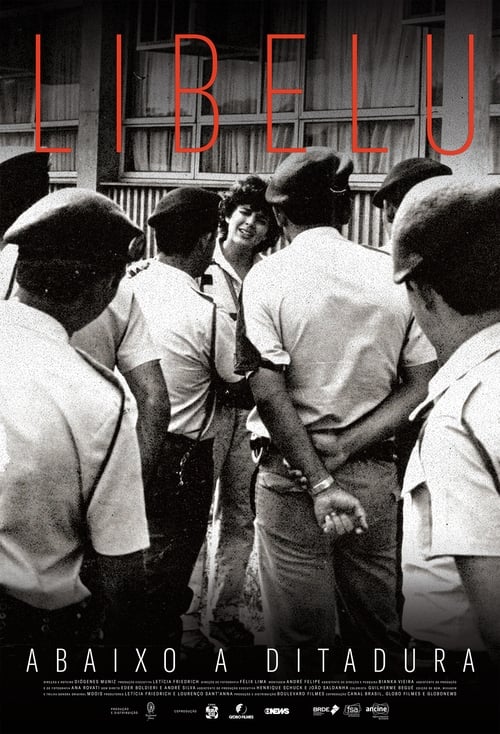
In the 1970s, they were championing the fight against Brazil’s military dictatorship. Forty years later, what’s left of Libelu? What does adult life have in store for you after the revolutionary youth?
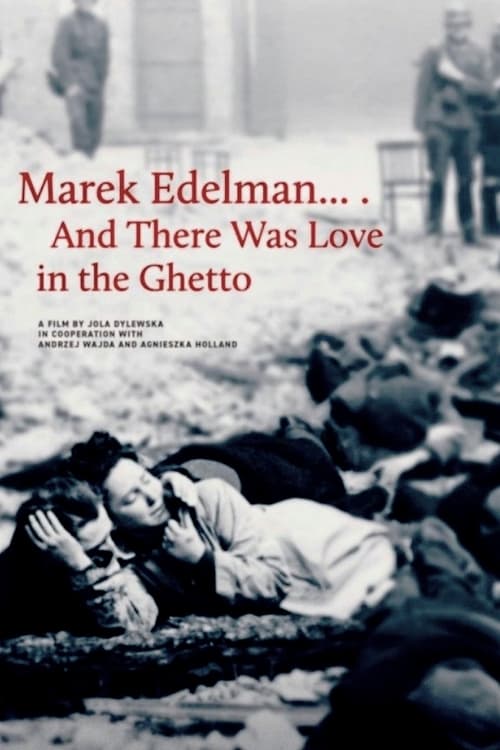
Shortly before his death, Marek Edelman (1919-2009), former commander of the Warsaw Ghetto Uprising (1943) against the Nazi occupation, wonders about several basic themes of human existence in relation to the Shoah: how was it possible to enjoy love, tenderness, passion and lust while the whole world was crumbling and burning around.
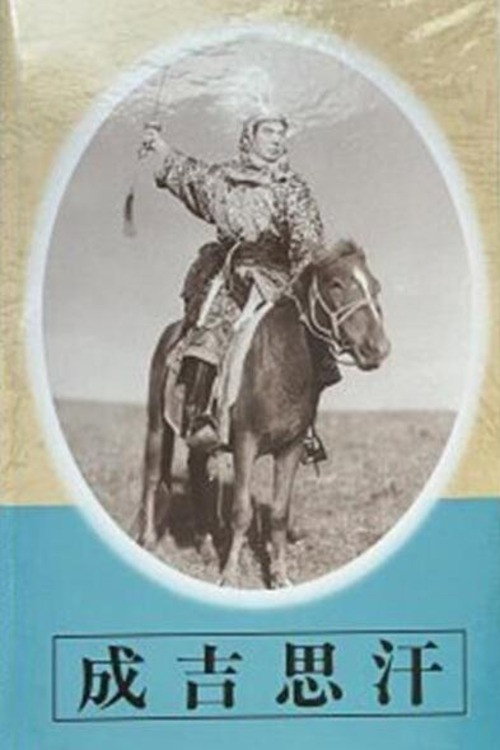
Filmed on location in the Mongolian plains.
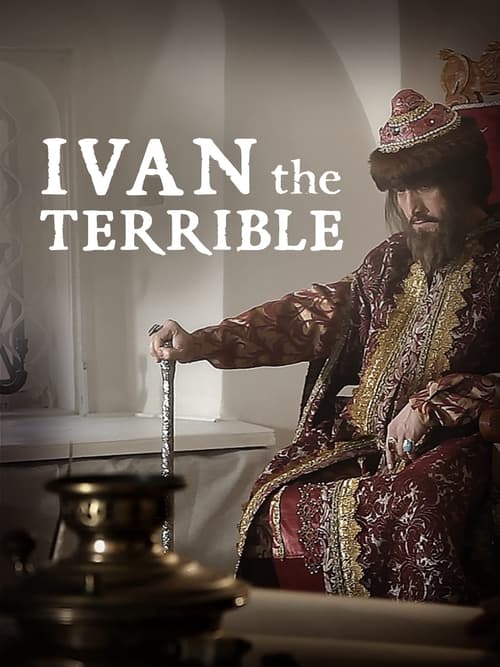
Ivan, first tsar of Russia. History will remember him as "the Terrible. Russian people love him for centuries. He liberates Russia from foreign oppressors, demands absolute obedience and loyalty in order to radically modernise Russia? Ivan IV, Grand Duke of Moscow, first Tsar of Russia by the grace of God. A madman? A sadist?
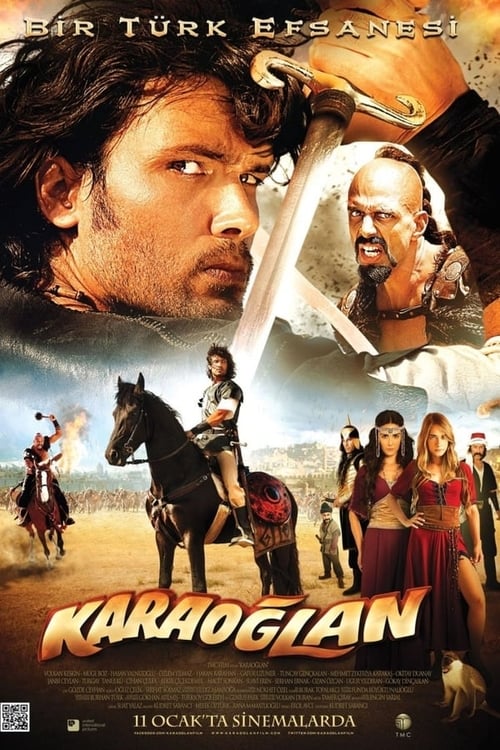
The Mongols stood at the gates of Anatolia, the peaceful homeland of the Turks. The Turkish-Mongolian war is about to break out. The only way to protect against the Mongol invasion, which set the whole world on fire, is to create unity among the Turkic states. The Golden Horde also wants to join this union. The only way to realize this union is for Çise Hatun to go to the Golden Horde as a bride. The Mongols, led by Camoka, are determined to destroy Çise Hatun in order to prevent this union. Camoka's job is not so easy. In front of him is the legendary hero Karaoğlan. The journey full of excitement and danger, starting from Anatolia and extending through the Caucasus mountains, leads to a fierce war between three giant armies of tens of thousands of people. The fate of Anatolia is in the hands of Karaoğlan. The elusive beauty Bayırgülü, Asia's best sword-wielding man Baybora, the great warrior Balaban and Karaoğlan's mentor Çalık are the fateful partners of this great epic.

Between the late 1970s and the 1990s, many young men died while serving compulsory military service, often under unclear circumstances. This documentary focuses on four families’ stories, exposing cases labelled officially as suicide, accident, or self-inflicted death but challenging those designations through testimonies and research.
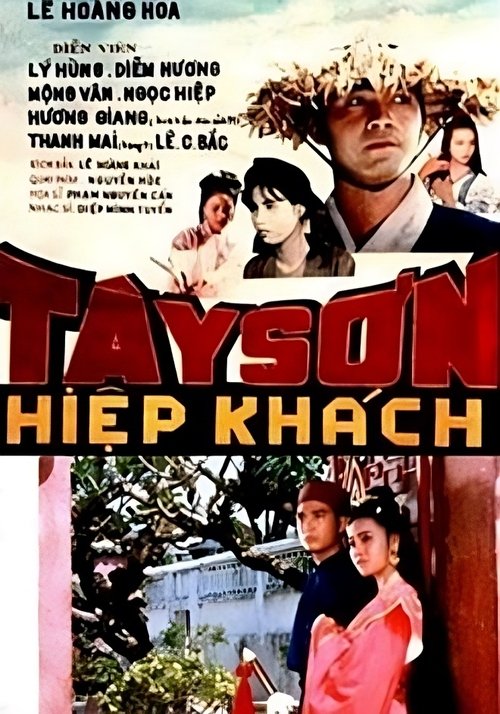
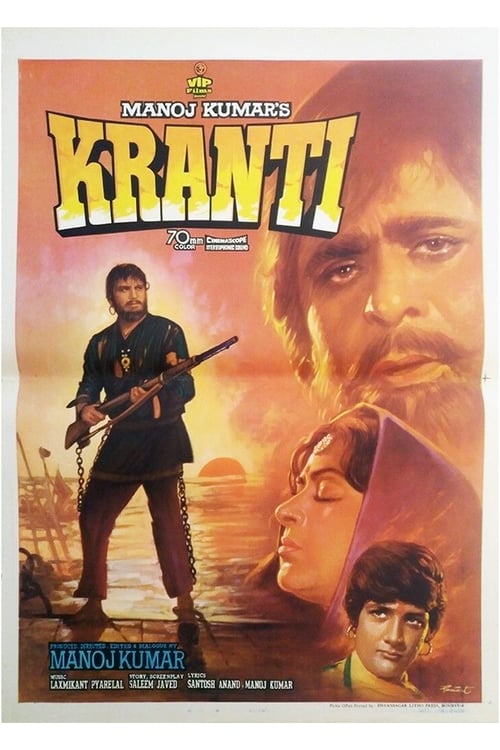
The film takes place in 19th Century British India and is the story of the fight for independence from the British in the years spanning from 1825 to 1875. It tells the story of two men who led the war against British Rule, Sanga and Bharat both of whom call themselves Kranti.
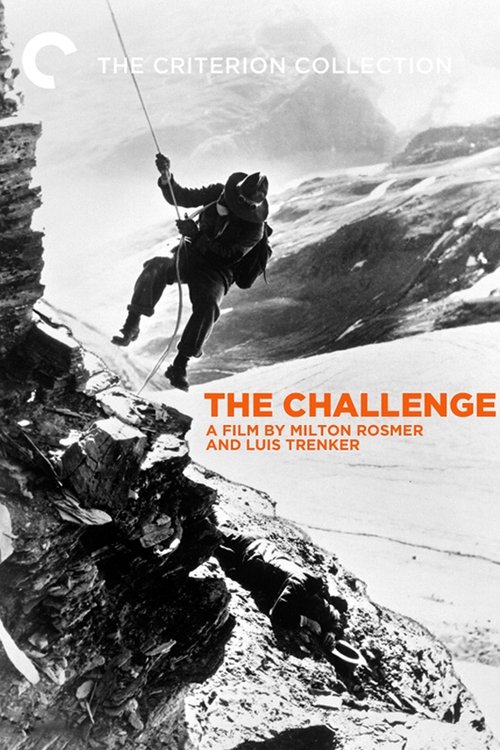
During an early, unsuccessful attempt at climbing the Matterhorn, Edward Whymper finds himself rescued by an italian guide, Jean Antoine Carrel. The two men quickly build a friendship and agree to reach the peak together. However, local villagers ploto to divide the alliance of Whymper and Carrel and both men join rival teams as they set out in a race to conquer the mountain. A mountaineering drama based on the novel by Carl Haensel and inspired in the dramatic true story of Edward Whymper, who led the first successful ascent of the Matterhorn in 1865. There is another version of the film titled Der Berg Ruft, shot the same year in German.