Protocol Archives • Browse all History titles in HD
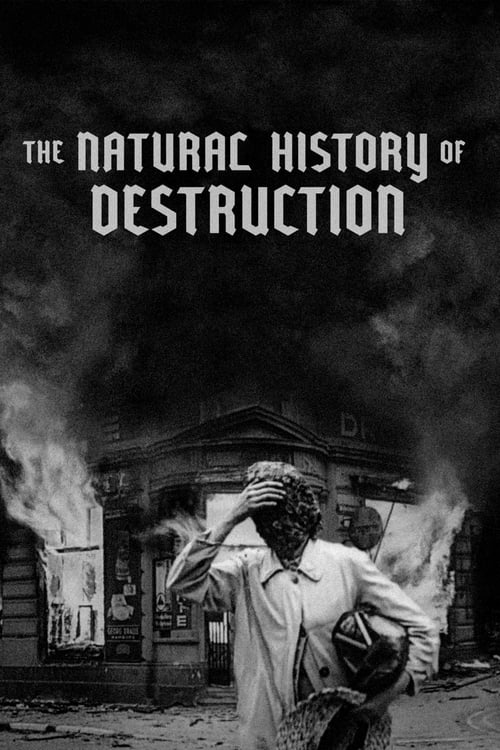
Is it morally acceptable to use the civilian population as yet another tool for waging war? Is it possible to justify death and destruction for the sake of supposedly lofty ideals? The question remains as pertinent today as it was at the beginning of World War II, and it is becoming increasingly urgent to answer, as countless tragedies have been caused by unethical political decisions.
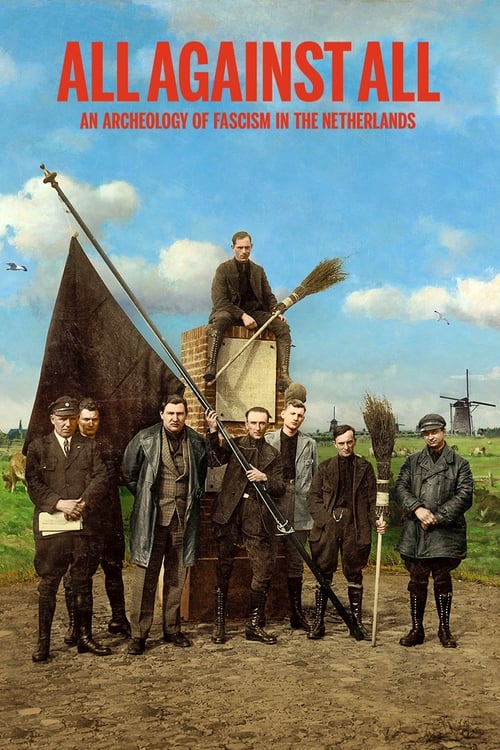
This richly illustrated historical documentary investigates the mechanism of nationalist feelings that radicalise. It shows how fascism was on the rise even a decade before the founding of the NSB, due to a number of anti-democratic initiatives led by a millionaire with a predilection for one-legged women, a market vendor, a cleric, and an artist. Historians, writers and collectors of fascist curios reveal how an initially marginal and fragmented movement grew into a radical populist party.
Steve Shippy and Cindy Kaza uncover the truth about a 1972 plane crash.
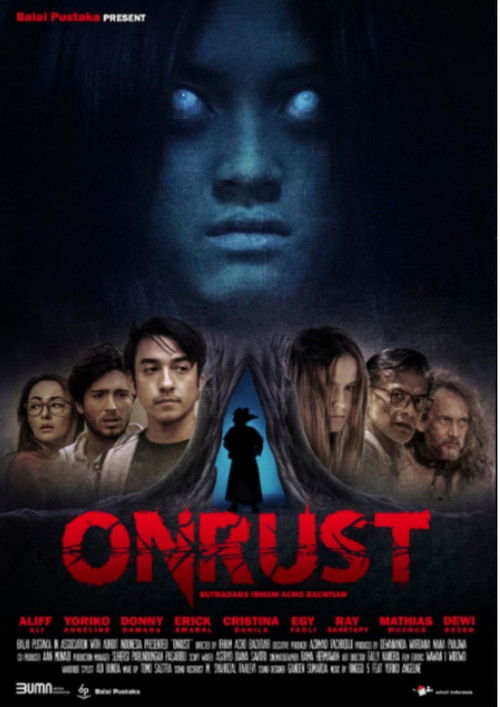
On a trip to the island of Onrust, Bramanto Putra discovered an ancient diary while idly looking for historical objects. It belonged to the lover of Maria Van De Velde, who disappeared under mysterious circumstances. Bram and another archeology student named Susan decide to do some research on the owner of the diary, leading to fatal consequences as they accidentally unleash a dark spell upon the island.

Department of the Red God vent anger at the loss of his son. Viceroy of Hongsa Suphankanlaya to her son and daughter until death. It led the victory of King Naresuan avenge his brother, and she stepped to Bago leveled.
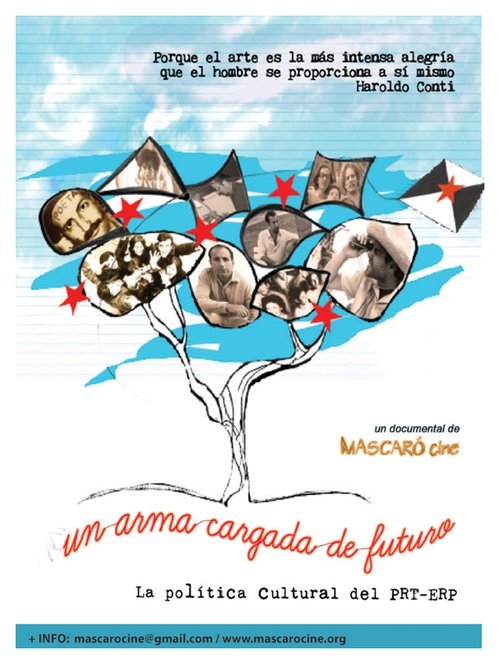
This documentary addresses the debates on culture and the diverse experiences that emerged in the 1960s and 1970s, gathered around the PRT-ERP (Revolutionary Workers' Party - People's Revolutionary Army) in the heat of the revolutionary struggle of the time. Important figures such as Raymundo Gleyzer, Haroldo Conti, Vicente Zito Lema, María Escudero, Daniel Hopen, Roberto Santoro, and Nicolás Casullo, among others, were protagonists of new experiences expressing themselves both in art and in other areas of intellectuality.
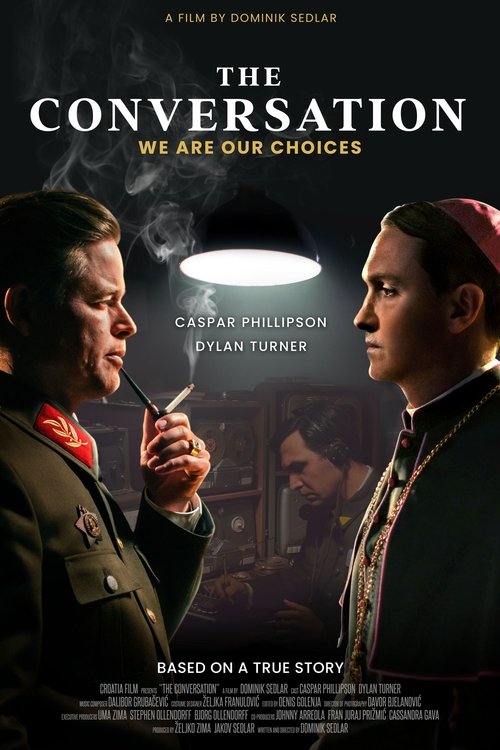
Based on a true story of a meeting in June 1945 between two powerful men with very opposite philosophies and perspectives on the future of their country.
Recounts some highlights in the career of Admiral Nelson, including his battles with the French fleet under Napoleon, and his dalliances with Lady Hamilton.
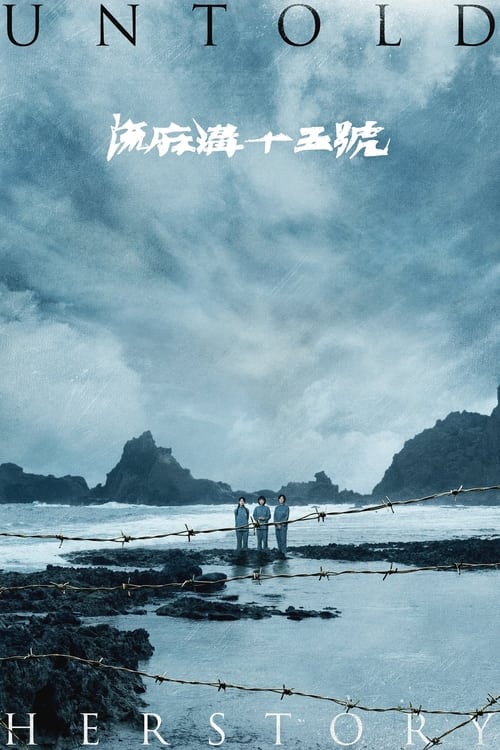
On Green Island in the 1950s, the female thought prisoners chose to fight for freedom, but were more forcefully suppressed by the authority. They held on to their beliefs and hoping for true freedom to come.

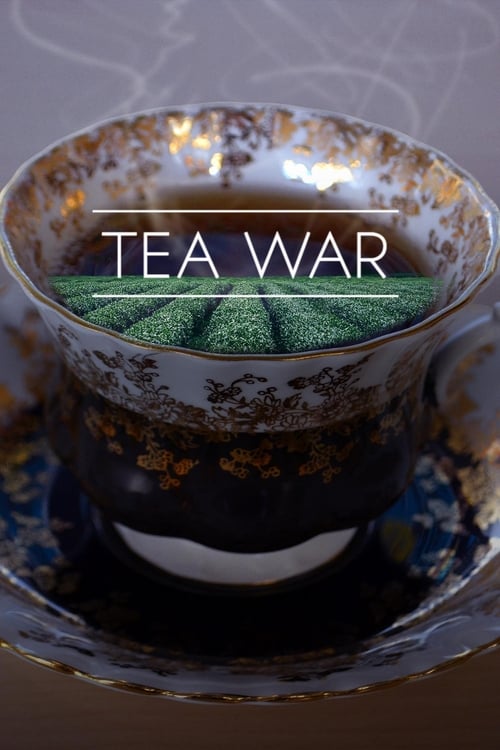
In the 19th century, China held the monopoly on tea, which was dear and fashionable in the West, and the British Empire exchanged poppies, produced in its Indian colonies and transformed into opium, for Chinese tea. Inundated by the drugs, China was forced to open up its market, and the British consolidated their commercial dominance. In 1839, the Middle Empire introduced prohibition. The Opium War was declared… Great Britain emerged as the winner, but the warning was heeded: it could no longer depend on Chinese tea. The only alternative possible was to produce its own tea. The East India Company therefore entrusted one man with finding the secrets of the precious beverage. His mission was to develop the first plantations in Britain’s Indian colonies. This latter-day James Bond was called Robert Fortune – a botanist. After overcoming innumerable ordeals in the heart of imperial China, he brought back the plants and techniques that gave rise to Darjeeling tea.
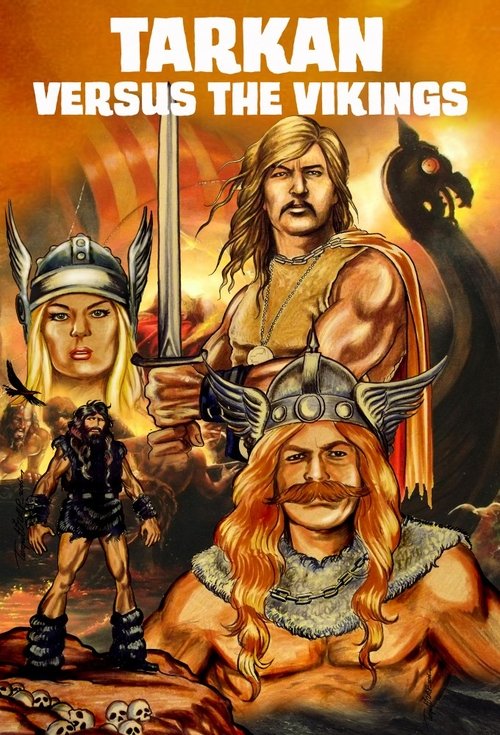
Features a mustached villain, who is the leader of a Viking clan that worships an octopus god-monster. The Vikings wish to kidnap a beautiful girl to sacrifice her to their demigod, but the heroic Tarkan, aided by his dog, Kurt, is there to save the day.
In this short film that works as a segment of the collective film "Les ponts de Sarajevo", Jean-Luc Godard reflects how images can conceal the truth, and what responsibility falls on those who produce them and those who watch them, by drawing a parallel with the Bosnian War.
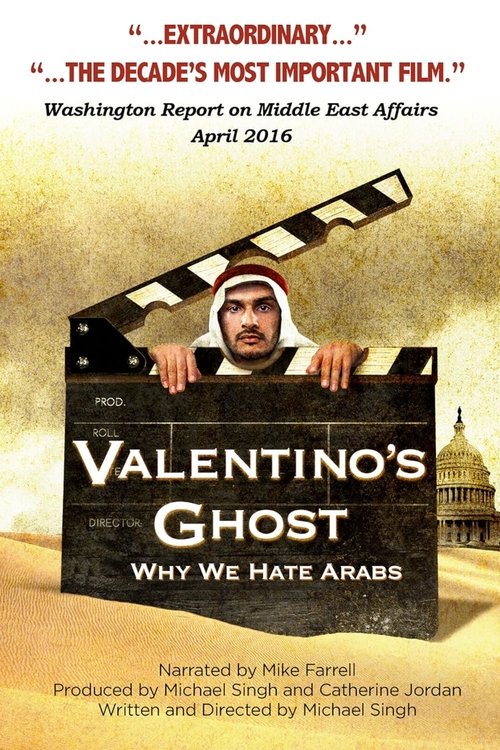
The documentary exposes the ways in which America's foreign policy agenda in the Middle East drives the U.S. media's portrayals of Arabs and Muslims. The film lays bare the truths behind taboo subjects that are conspicuously avoided, or merely treated as sound bites, by the mainstream American media: "Why do they hate us?" "Why do we hate them?" What were the events that led to the 9/11 attacks? What are the politics behind the U.S.-Israeli relationship? Why is there a robust debate about these subjects in Europe, the Arab World and in Israel itself, but not in the U.S.? Valentino's Ghost provides a fresh inquiry which challenges the media's daily barrage of rhetoric and misinformation about our complex and vital relationship with this part of the world
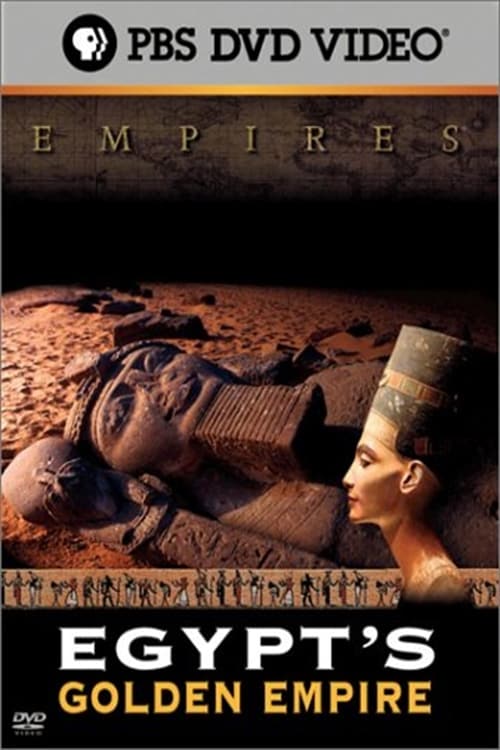
In 1570 B.C., Rome was a marsh, the Acropolis an empty rock, but Egypt was 1,000 years old. The pyramid-builders were gone, yet Egypt still awaited its New Kingdom, an empire forged by conquest and remembered for eons. EGYPT'S GOLDEN EMPIRE comes to life through letters and records evoking the passion and riches of a time when Egypt was the center of the known world, its Pharaohs called gods, and great cities, temples and tombs built.
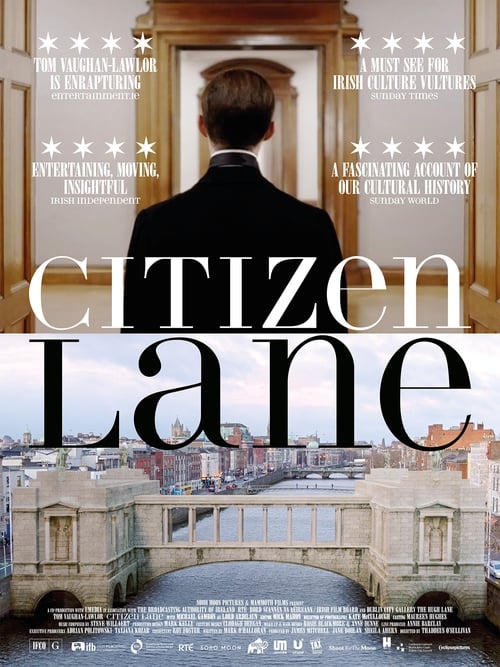
Citizen Lane is an innovative mix of documentary and drama that delivers a vivid and compelling portrait of Hugh Lane, one of the most fascinating and yet enigmatic figures in modern Irish history. A man of multiple contradictions, by turns infuriatingly parsimonious or extraordinarily generous, a professed nationalist and a knight of the realm; a monumental snob and a fearless campaigner for access to the arts.
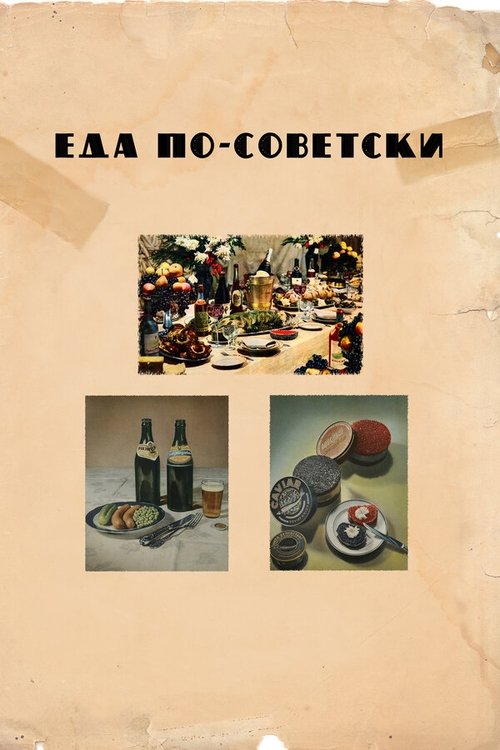
More than a quarter century has passed since the collapse of the Soviet Union. We still feel the contradictory echoes, the echo of this collapse, and, probably, we will feel for a long time. But there is little left that still unites us - former citizens of the former empire, wherever fate brings us - Soviet food, an absolutely unique sociocultural phenomenon of Soviet history and Soviet life.
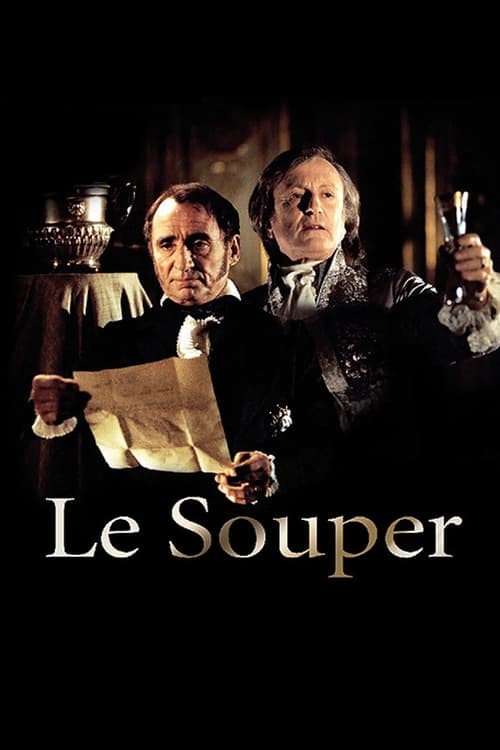
France, 1815. After his defeat at Waterloo, Napoleon heads for exile. Royalists occupy Paris and attempt to restore the monarchy. However, the battle doesn't seem to be over. On July 6, Talleyrand, a shrewd politician of flexible convictions, invites chief of police and zealous revolutionary Fouché to supper and tries to convince him to serve the king. Over the meal they insult each other, accuse each other, and, at first sight, look like mortal enemies. But they definitely have one thing in common: they are both power-hungry.