Protocol Archives • Browse all History titles in HD
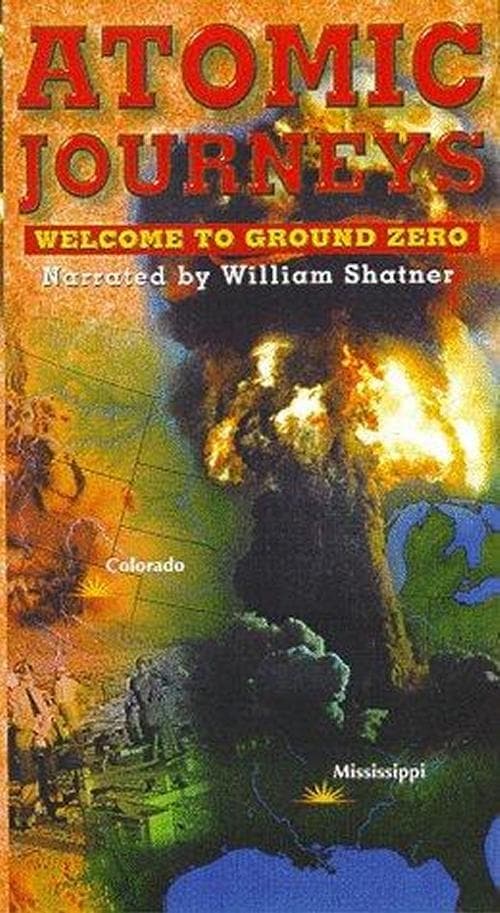
Through the use of spectacular, never-before-seen nuclear test footage, travels to ten former testing sites and explores the history, physical changes resulting from the tests and current condition of these amazing and important places. Visit the notorious Nevada Test Site, known as the most bombed place on earth. Over 900 nuclear explosions where detonated at this location – an area larger than the State of Rhode Island. Once upon a time these locations were kept top secret, but today, with this 60th Anniversary Diamond Edition of Atomic Journeys: Welcome to Ground Zero, you will finally see these historic hot spots. Preserving the incredible legacy of America’s nuclear testing program stands as a reminder of the fine line between the progress of mankind and the destruction of the earth. Once you understand what really happened at the Ground Zero nuclear testing sites, you will never be the same.
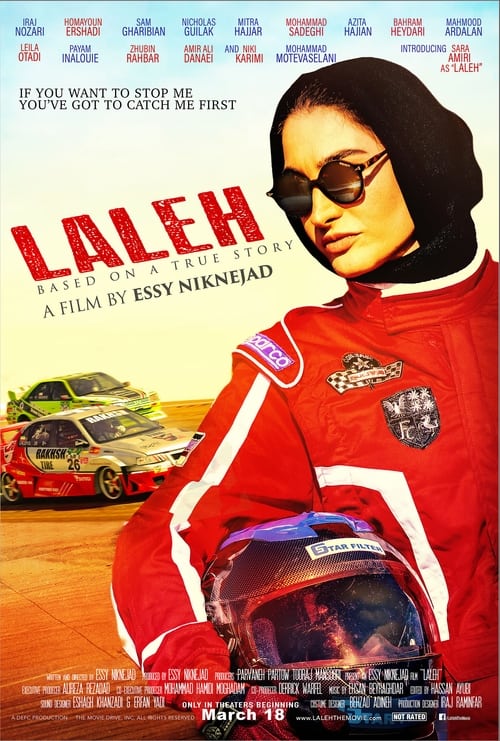
Laleh is a true story of a young woman in post-revolution Iran, struggling against all odds to break through in one of the most male dominated sports worldwide.

In a small Jewish community in a pre-Revolutionary Russian village, a poor milkman, determined to find good husbands for his five daughters, consults the traditional matchmaker – and also has words with God.
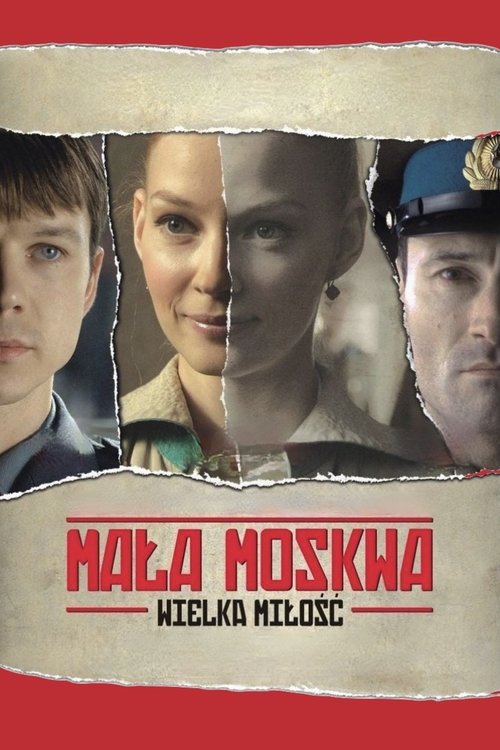
During the Cold War, a local Polish officer and a young Soviet woman wedded to a Soviet officer are drawn together by music.
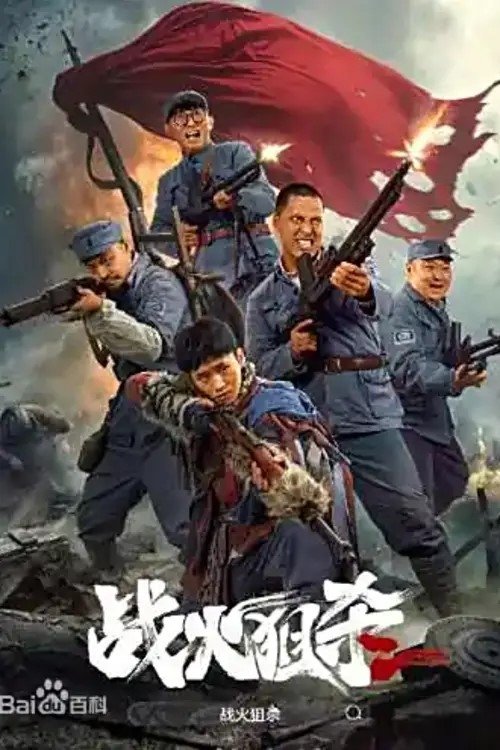
In 1943, as the Anti-Japanese War nears its climax, the brutal Imperial Army launches a massive “sweep” across the Yimeng Mountains of Shandong. Outnumbered but unbroken, a regiment of the Eighth Route Army stands its ground. Amid fire and chaos, soldiers and villagers join forces in a desperate struggle for survival — and deliver a stunning counterblow that turns the tide of the invasion.
A young Chinese Canadian risks his life helping to build the Canadian Pacific Railway.

"The Hart of London" is an endlessly layered tour de force. It explores life and death, the sense of place and personal displacement, and the intricate aesthetics of representation. It is a personal and spiritual film, marked inevitably by Chambers’s knowledge that he had leukemia. The late American avant-garde filmmaker Stan Brakhage said of Hart, "If I named the five greatest films [ever made], this has got to be one of them." Even this high praise falls short of hyperbole. The Hart of London is at the centre of Chambers’s extraordinary achievement.
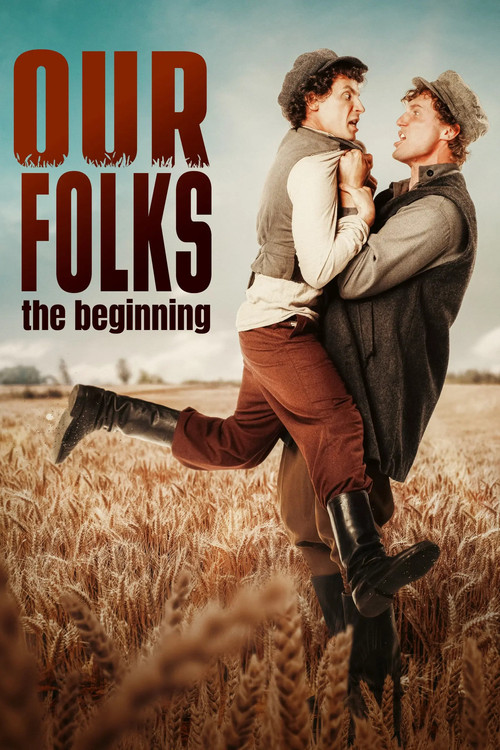
Pawlak and Kargul – the protagonists of the cult-favourite trilogy “Our Folks” – had been neighbours in a village in Podolia before they ended up in the Recovered Territories. Even then, it was one explosive neighbourhood.
For centuries the Japanese warred among themselves and their neighbors, creating a colorful, rich and sometimes brutal legacy. Intriguing to outsiders for centuries, modern Japan is no less so In the 21st century. Focuses on Tokyo and its environs, with attention to scenery, shopping and shrines.
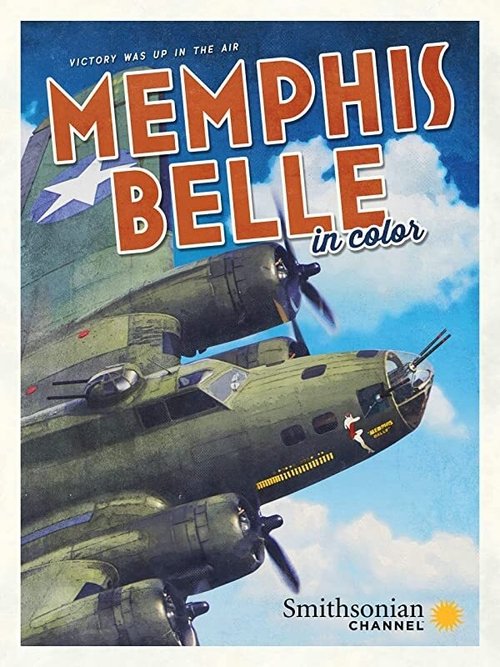
In January 1942, the U.S. military created a new bomber command, the Eighth Air Force, and sent a small contingent of men overseas to loosen the Nazis' grip on Europe. The command's star player was the B-17, a fast, heavily armed aircraft that changed the course of World War II. Witness them take on the mighty German Luftwaffe over enemy skies. Discover the story of how one B-17--the Memphis Belle--and its crew lifted the spirits of a nation and became a symbol of American prowess in defense of freedom.

An exploration into the nature of stupidity in Western society and its history of our perception of it.
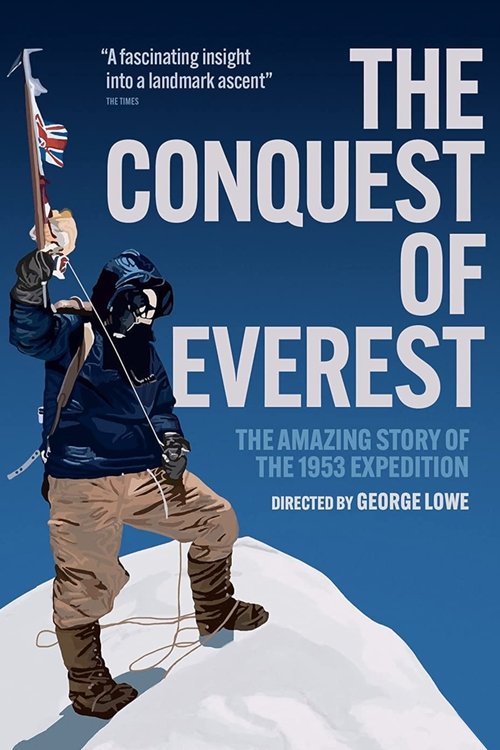
A documentary of the first successful expedition to the summit of Mount Everest. New Zealand's Edmund Hillary and Sherpa Tenzing Norgay climb Mount Everest in 1953.
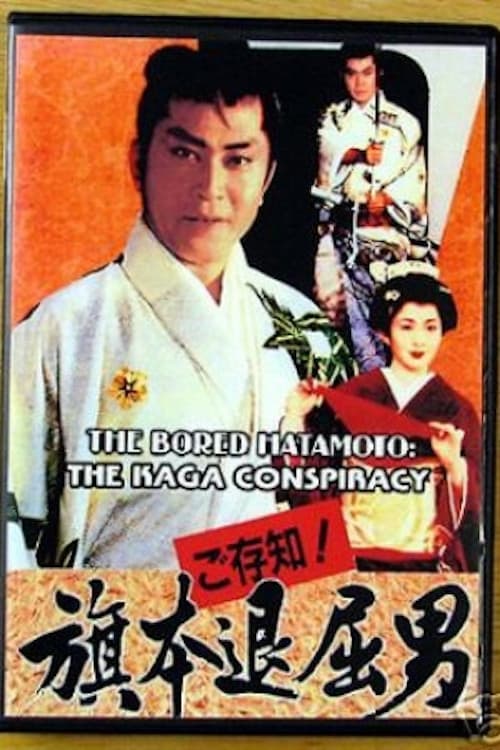
The crescent shaped scar on his forehead is a license given him by the Shogun to kill anyone he deems to be a villain. A strong performance that reflects well upon his father, with interesting stories, these films are required viewing. When Saotome hears rumors of a Daimyo's plot to overthrow the Shogun, he launches an investigation. With the help of his sister Kikuji, his stewart, Kinai and a mysterious woman they begin to unravel the web of treachery.

Roque Dalton was the Bertolt Brecht of Central America. His political struggle against the Salvadorian dictatorships brought him into jail various times. He became throughout Latin America a symbol for the fight against social injustice and helped establish one of his country's first guerrilla organizations.
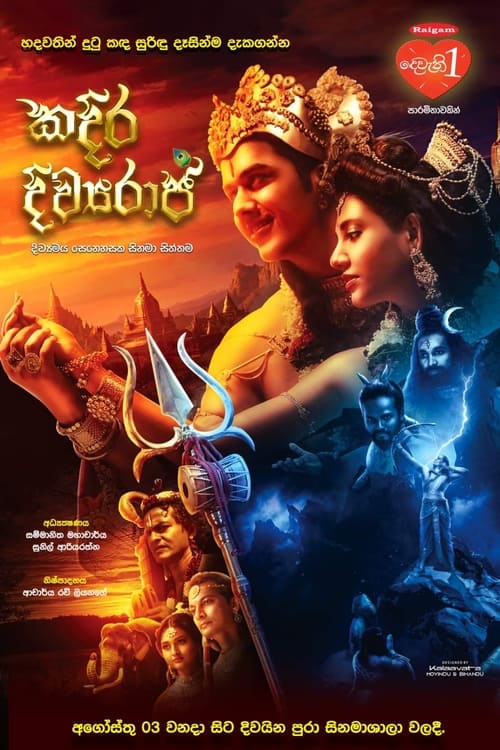
This mythological film depicts the romantic relationship between Hindu god Kartikeya and the aboriginal princess Valli.
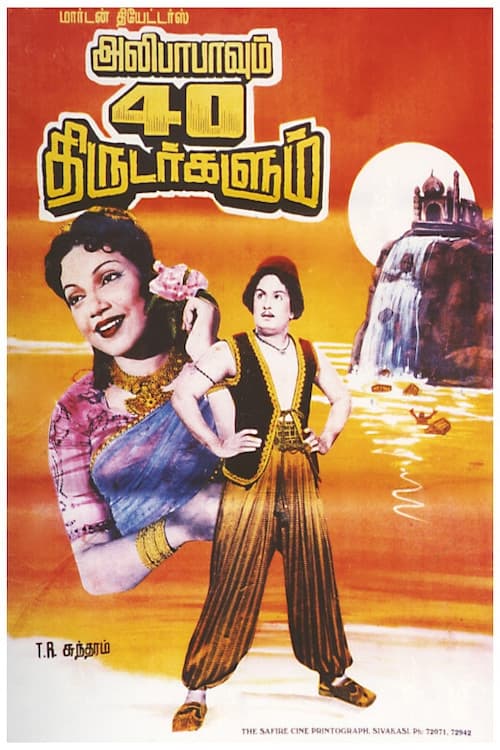
Alibaba's brother is killed by dacoit Abu Hussain and the body is kept in the cave. Since Alibaba too has the password, Abu visits him as a merchant with 40 barrels, each one hiding one of his men.
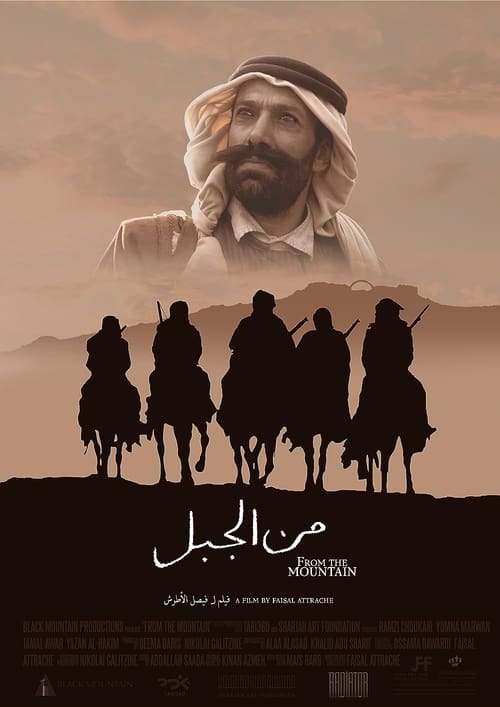
The fiery leader of the Great Syrian Revolt of 1925 fights to keep the revolution alive in exile. When the struggle for independence comes at the expense of his displaced family's safety, he must decide to sacrifice either his family or his country. The film explores the themes of bravery, loyalty and patriotism, as well as the difficult choices one must make when protecting their family.
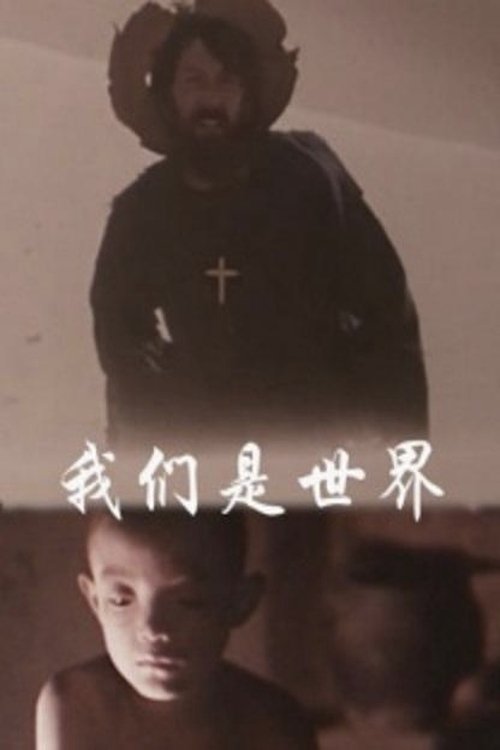
In 1940, the desert areas of northwest China suffered from a famine year, and the people of all ethnic groups prayed for rain and no results. In desperation, a foreign priest came, and the rain fell, many people became God believers. It is possible to continue in the wild, and people are leaving their homes, and the pastor has left. A shepherd boy has witnessed all this. 40 years later, the young man is a white-haired horse county magistrate (Wang Gang). He has a lot of difficulties in building water conservancy. At this time, news of the United Nations Food and Agriculture Organization preparing to help the poor areas came. Six years later, United Nations official Berman came to inspect. He found that the county magistrate had a breach of contract and the county magistrate was dismissed. Ma County magistrate died on the way back to the village. Bellman has mixed feelings.
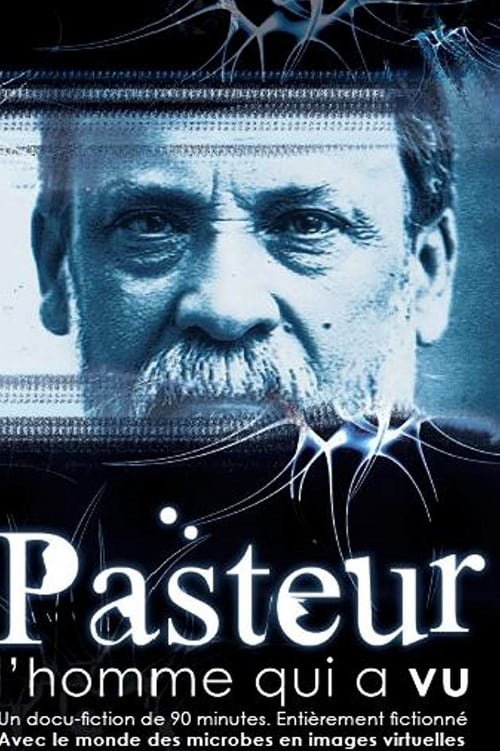
Living in Pasteur's private life during his first human experiment with the rabies vaccine, the hidden side of the scientist emerges: a rough yet tender man, a warrior overwhelmed by doubt, a revolutionary willing to do anything to impose on his detractors the incredible discovery that will pave the way for modern medicine.
The incredible true story of Arthur Meyerowitz, an American turret-gunner whose B-24 bomber was shot down over Vichy France in 1943.