Protocol Archives • Browse all History titles in HD
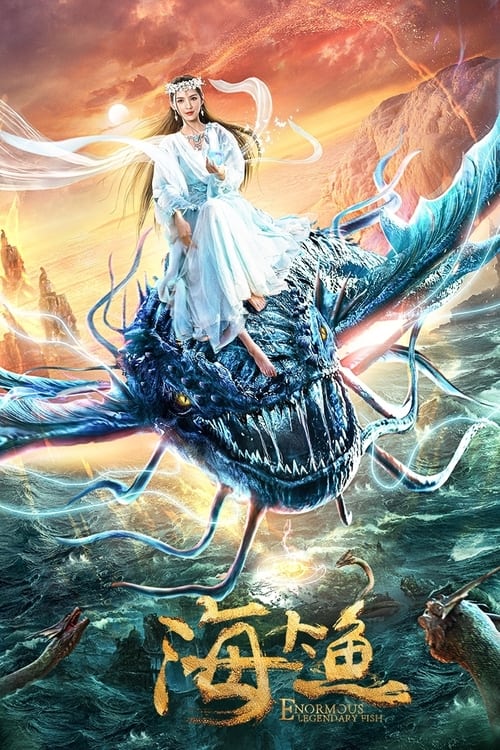
Ari, a fisher girl from Qiyu County, was selected as the Sea God's Bride at Sea Festival and came to the island on the boat. In the night of the bridal chamber Ari discovered true secret of future husband Yan and his ice coffin. The lonely and helpless Ari is accompanied by a big fish that can transform into a human shape.

It is the world's most mysterious manuscript. A book, written by an unknown author, illustrated with pictures that are as bizarre as they are puzzling - and written in a language that even the best cryptographers have been unable to decode.

An examination of the life of great Russian author Leo Tolstoy, who penned the 1877 novel Anna Karenina.
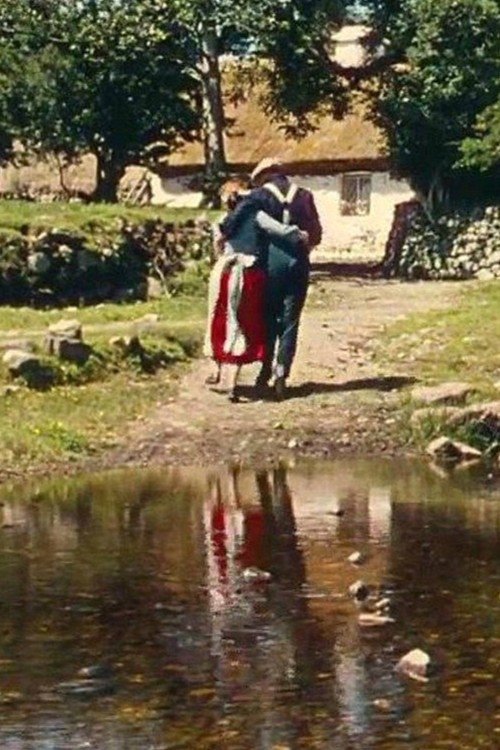
Muide Eire / We are Ireland documents the history of Ireland on screen. From the horse drawn carriages of Dublin's yesteryear, to the latest summer blockbuster, this film takes an intimate look at film making in Ireland - as a visual expression of Irish culture, celebrating contemporary filmmakers in both the Irish and English languages. From the glamour of the red carpet to behind the scenes 5am starts, We are Ireland invites the viewer into this world where art and industry exist in delicate balance. The heart of this documentary is our investigation into representations of Ireland and the Irish - how the Irish have been viewed abroad, and how we represent ourselves on screen.
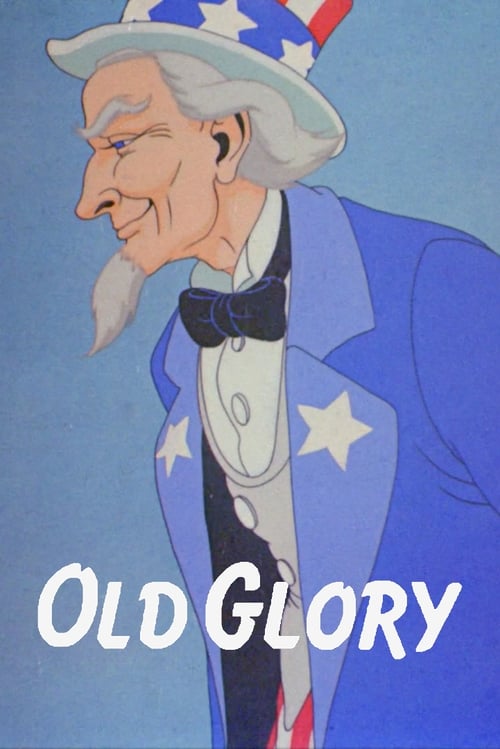
Porky Pig balks at learning the Pledge of Allegiance until Uncle Sam appears to him in a dream and gives him a lesson in American history.

Elton John's career has spanned decades, but his legacy is more than just his music. Reginald Dwight's early debut was in the band Bluesology - there he would meet lyricist Bernie Taupin whom he would go on to write over 30 albums with. After parting ways with the band and his birth name, the Rocketman was born.
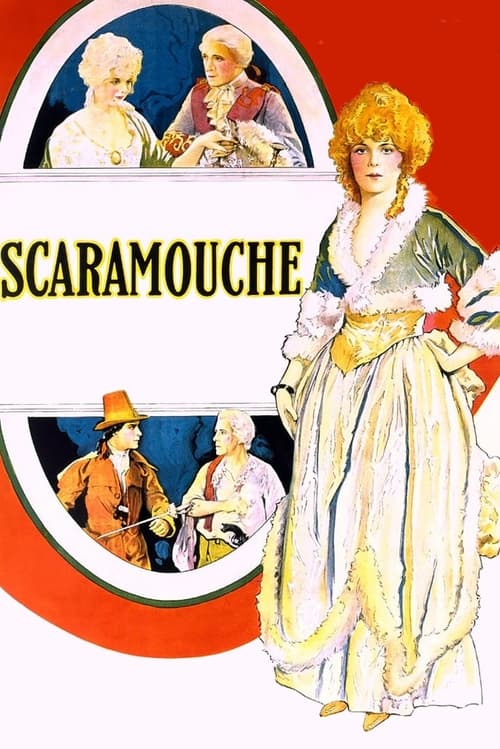
A law student becomes an outlaw French revolutionary when he decides to avenge the unjust killing of his friend. To get close to the aristocrat who has killed his friend, the student adopts the identity of Scaramouche the clown.
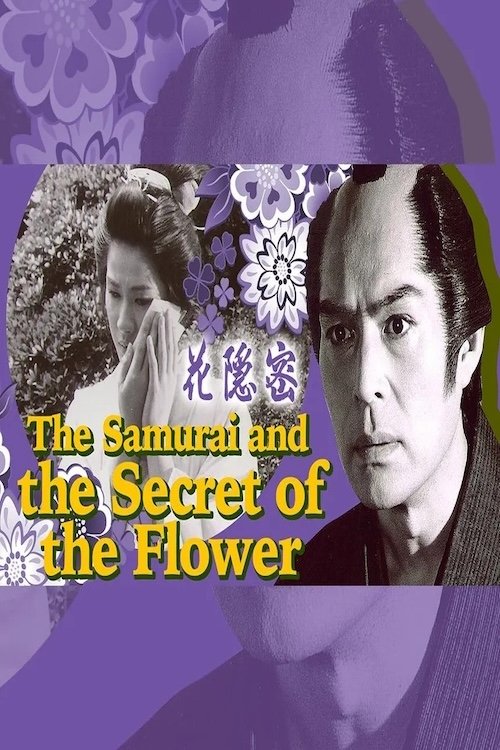
During Ienari Tokugawa's period. Hanakurabe (a playful competition of poetry with flowers in this period) was held to please Shogun (General), and Shiroshobu of the Date family and Higoshobu of the Hosokawa family competed with each other. As a result, the Hosokawa family won and Yahei Tabuki of the Date family killed himself. At the funeral, a beautiful woman (Hibiko Maya) appeared in front of Yahei's son, Yazyuro (Tsuyoshi Kato). The woman said, "I am a woman of the Hosokawa family, and the person who killed your father" and left. To revenge father, he became "Hanaonmitsu" to make a better flower than Higoshobu.
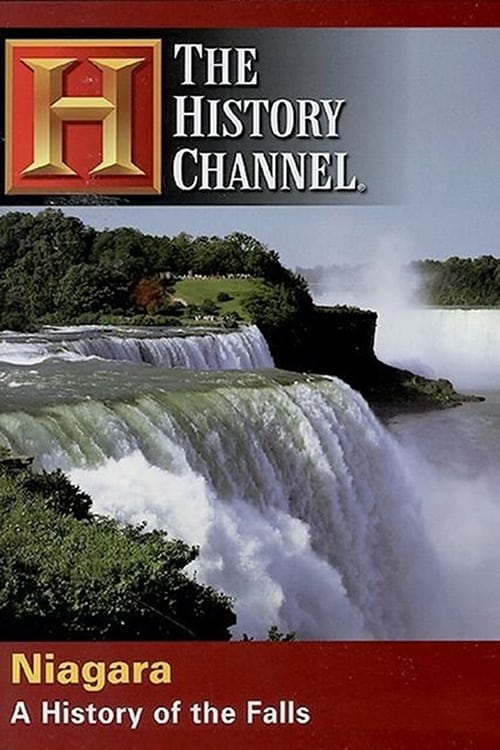
The history of Niagara Falls and the people that made it famous.
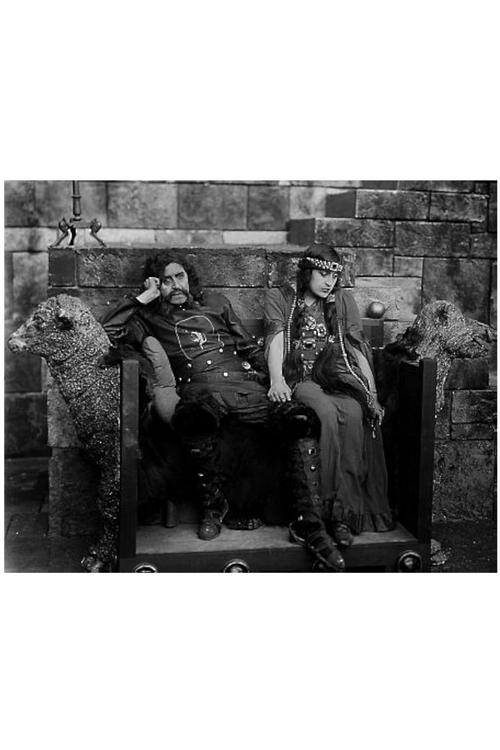
Shakespeare's tragedy of the Scots nobleman whose ambition leads him to betrayal, murder, and damnation.
A young woman leaves for New York to collect the belongings of her deceased great aunt Gea Koenig, slowly growing to understand the art and meaning of preserving moments through photographs.
For generations, an heirloom in the form of a ring has been passed down to the first daughter in the current ring holder's immediate bloodline to wed and bear another daughter. The next heir recounts the ring's history, what it means to her, and how it has affected her growth and familial relationships.
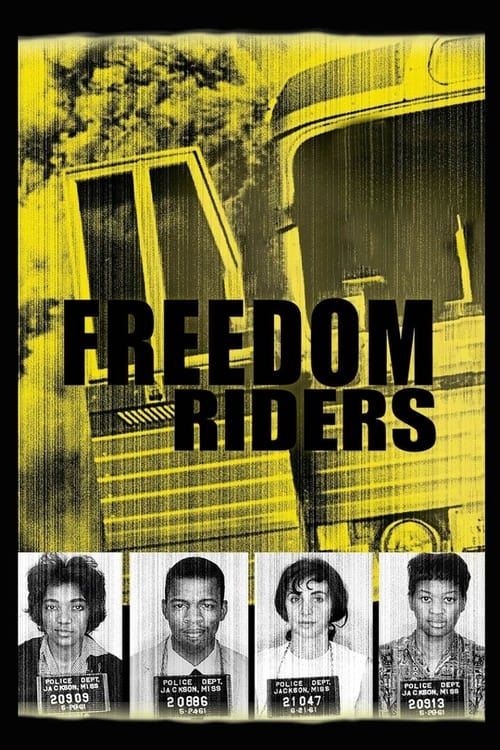
This is the story of more than four hundred Americans who participated in a bold and dangerous experiment designed to awaken the conscience of a complacent nation. These self-proclaimed, 'Freedom Riders' challenged the mores of a racially segregated society by performing a disarmingly simple act.
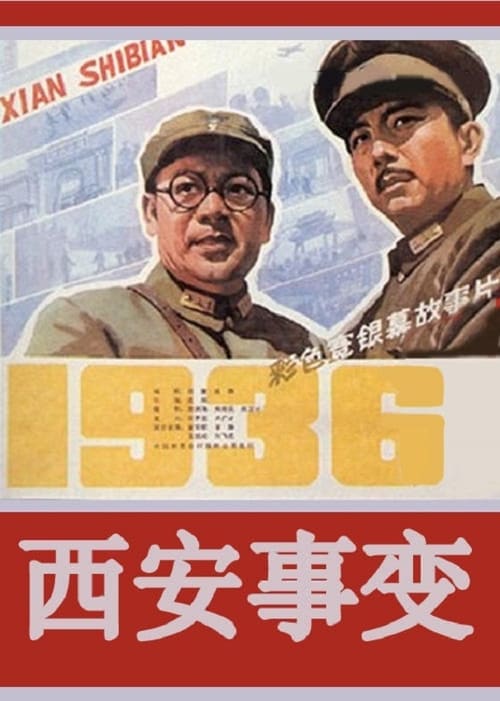
Marshal Zhang Xueliang, Commander of the North Eastern Army, grows progressively disillusioned by Kuomintang leader Chiang Kai-shek's policy to engage the Chinese Communist Party rather than fight the Japanese invaders which are occupying Manchuria. Despite numerous pleas, Chiang does not budge. After discussing with fellow general Yang Hucheng, the two take events into their own hands and place Chiang Kai-shek under arrest on December 12, 1936, forcing Chiang into a coalition with the CCP.
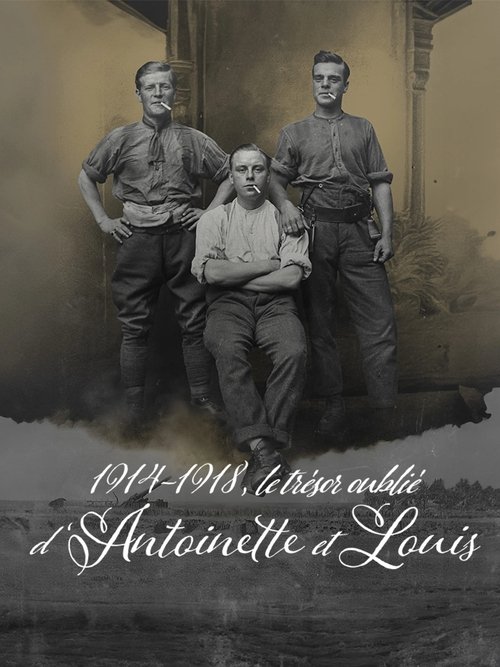
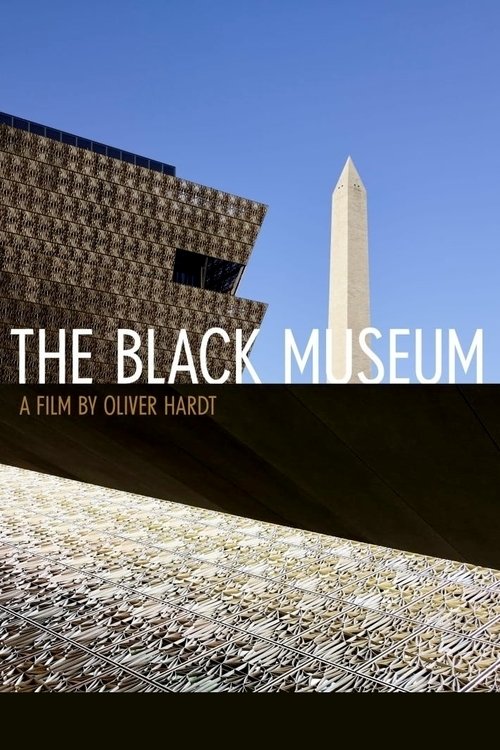
A journey through the spectacular National Museum of African American History and Culture, opened in Washington D. C. in December 2016, a true exploration of the history and culture of the United States from the point of view of African Americans.
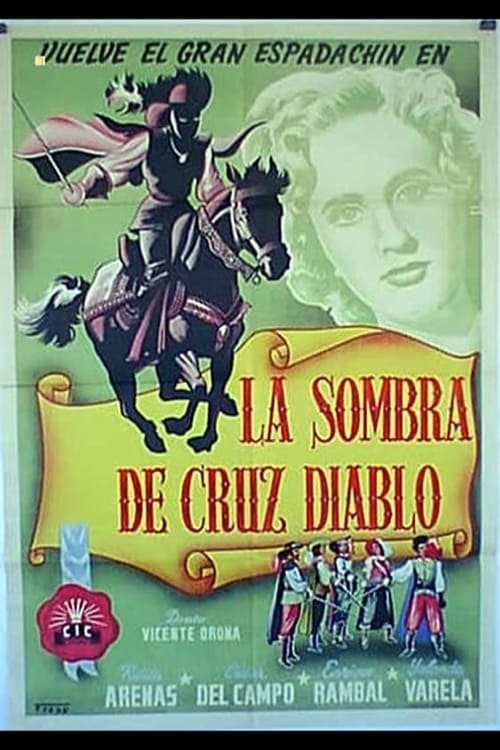
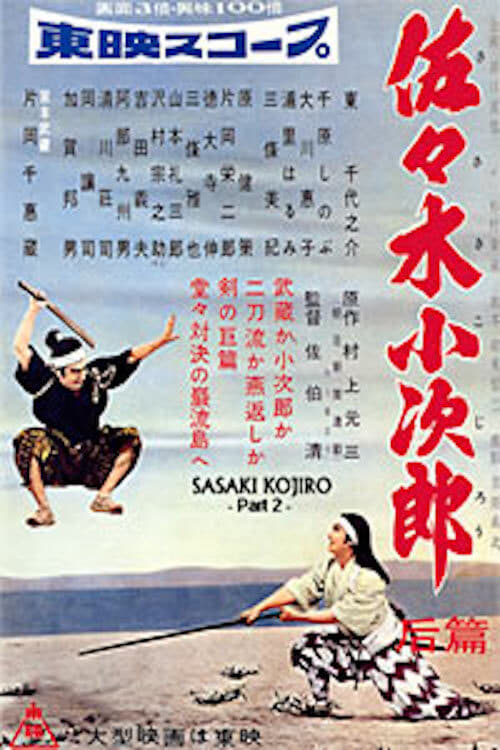
The conclusion of the story of famed swordsman, Sasaki Kojiro. After surviving a series of daring adventures, Kojiro seems to have finally discovered the ultimate happiness in life when he is reunited with Tone, the love of his life. However, his days of happiness are overshadowed by an upcoming duel with his fateful enemy Miyamoto Musashi.
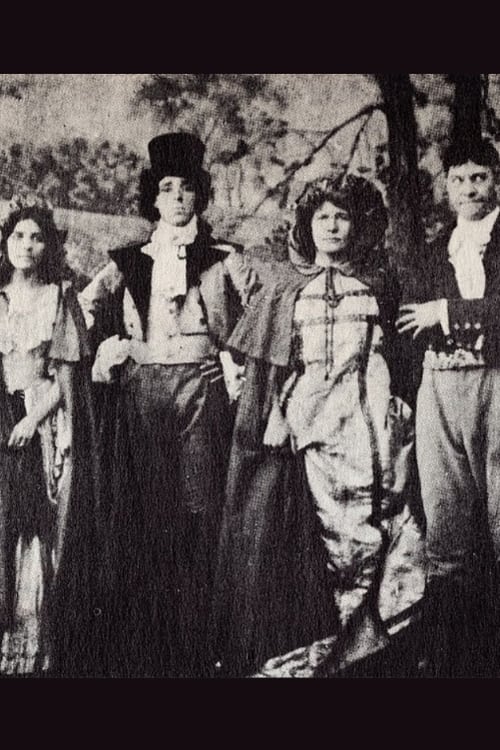
Two noblemen fight over a lady.
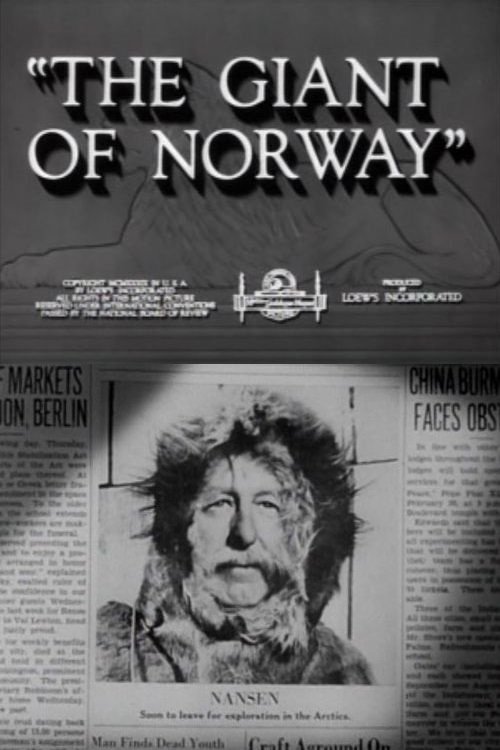
This short tells the story of Norwegian explorer and diplomat Fridtjof Nansen (1861-1930). After a life of adventure, he was instrumental in resettling tens of thousands of refugees and displaced persons resulting from World War I. He continued this work in 1922 after the war between Greece and Turkey. The film ends by reminding moviegoers to think of the plight of contemporary refugees caused by the fighting in Europe.