Protocol Archives • Browse all History titles in HD
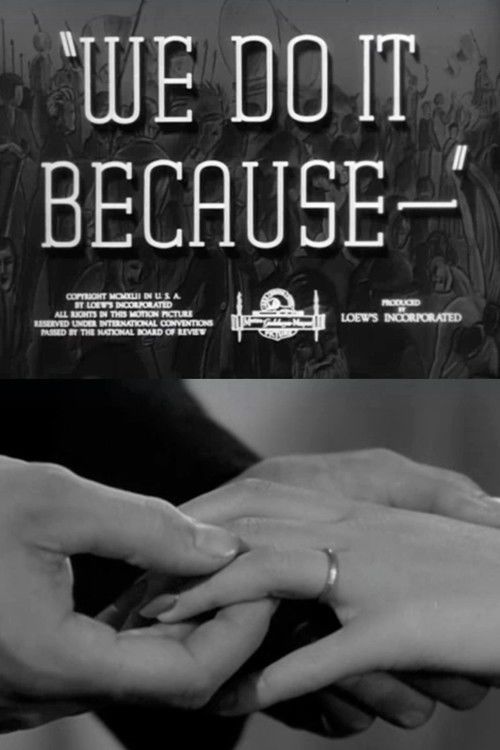
This John Nesbitt's Passing Parade short explores the origins of various customs such as shaking hands, kissing, and why ships are christened.
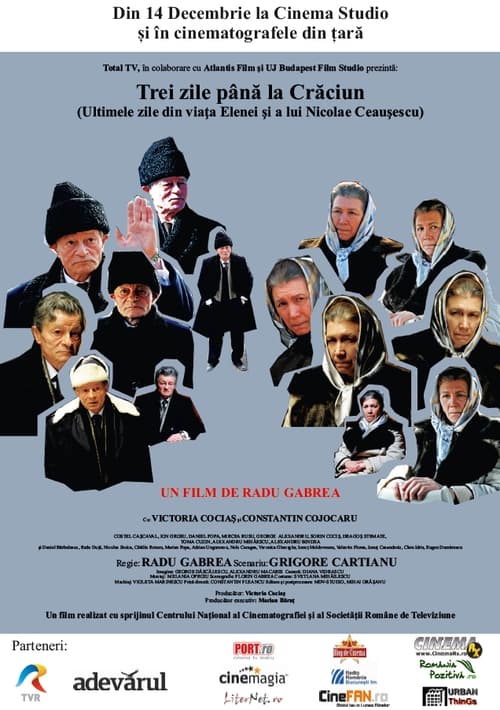
Historical Docudrama, which describes accurately - based on evidence, documents, reconstructions and archive footage - the last days of life spouses Nicolae and Elena Ceausescu. Main performers, Victoria Cocias (Elena Ceausescu) and Constantin Cojocaru (Nicolae Ceausescu).
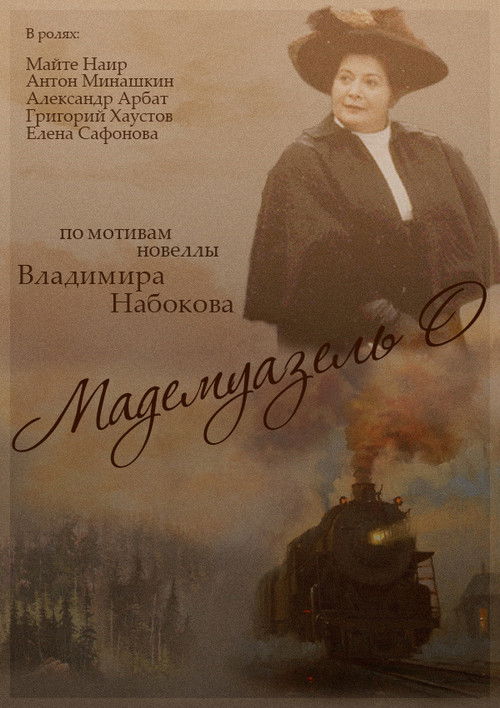
About a young boy growing up to become a great artist. Set basically in St. Petersburg and a country dacha in Vyra during the aftermath of the 1905 Russian Revolution.

King Krishnadevaraya becomes a puppet in the hands of the courtesan Rangasani, who has been planted in the kingdom by enemies. It is up to Tenali Raman, a poet, to save the king and his kingdom.
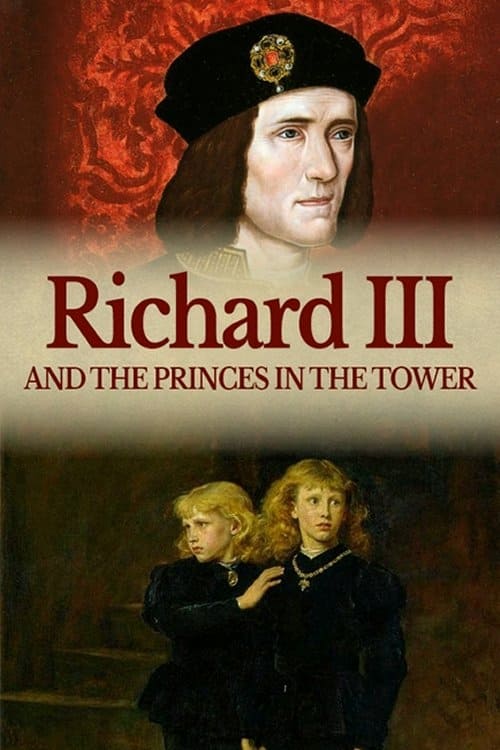
It's one of the darkest murder mysteries in British history: did Richard III really kill his nephews in order to make himself king? Is he the greatest villain in English history, or the victim of centuries of grotesquely unfair Tudor propaganda? On the eve of Richard's reburial at Leicester Cathedral, this drama documentary assembles a stellar cast of experts, including David Starkey and Philippa Gregory, to examine all the available evidence. As it plays out the possibilities and tests the competing theories, it endeavors to get to the bottom, once and for all, of what really happened to the princes in the Tower. Is this a tale of naked ambition, cold pragmatism and bloody murder?

Ryuji Inahara changed the name of the Inahara-gumi to the Inahara-kai, and accordingly unified the emblem of the Inahara-kai. Then, in 1961, Inahara-kai opened a new headquarters office in Roppongi, Tokyo. Further incidents and conflicts await Ryuji and the Inahara-kai.

A Chinese peasant tries to protect a student from being caught during the Japanese invasion of the village.

When Lady Sheila Boothroyd hears that the planning authorities are determined to drive a road through her grounds, she announces her intention to kill herself at the precise moment that the bulldozers start on their shameful work. As the hour strikes and the bulldozers' roar is heard, her husband General Sir William Boothroyd enters in full regimental regalia, while his old ex-army servant sounds the Last Post. Then, as the whole family stands stricken, the door opens...

In Victorian London, young Adelaide is born into luxury, but marries starving artist Henry. His alcoholism and their lack of money lead to many quarrels. During one such fight, Henry slips down a flight of stairs and dies. A neighbor, Mrs. Mounsey, is the only witness, and she blackmails the young widow by threatening to tell the cops that Adelaide killed her husband. Luckily, lawyer Gilbert swoops in to help Adelaide.

Based on the rescue of garment worker Reshma Begum, 17 days after the Rana Plaza collapse in Savar on April 24 in 2013.

Bilal ibn Rabah was the first muezzin of Islam and the first Muslim to recite the call to prayer. Sold into slavery at a young age, Bilal lived under the oppression of his cruel master. With the advent of Islam, Bilal was inspired by the message of the Prophet Muhammad and converted to Islam. However, this decision brought him severe torture.
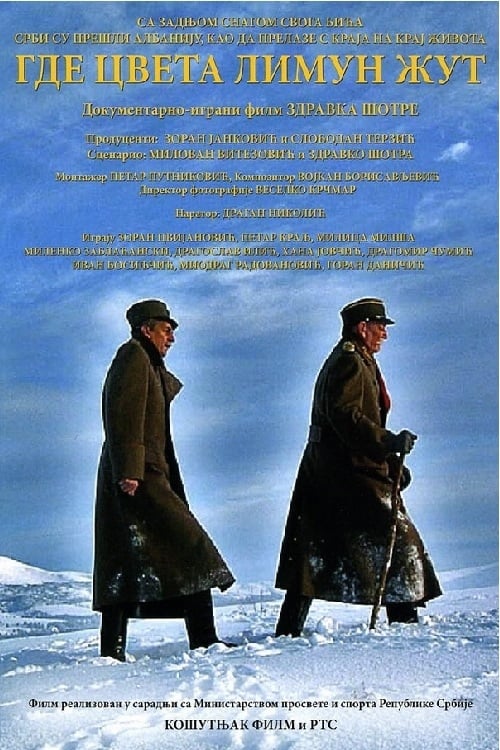
By the end of 1915, during the second half of World War I, which had started by the Austro-Hungarian Empire's attack on a small Kingdom of Serbia, Serbian people, its army, and the state found themselves in the greatest tribulation in its long history. Serbia is attacked by the combined militaries of Austro-Hungarian Empire, Germany, and Bulgaria. Defending every road, every hill, every creek, during the time when every village, every plato, every crossing was becoming a historical landmark, Serbia, relying on the Allies, moved its people, its government, and its remaining troops to Kosovo--the only unoccupied part of the Serbian territory, but soon had to cross Albania in the hopes of reaching the Allies' ships in the Mediteranian.
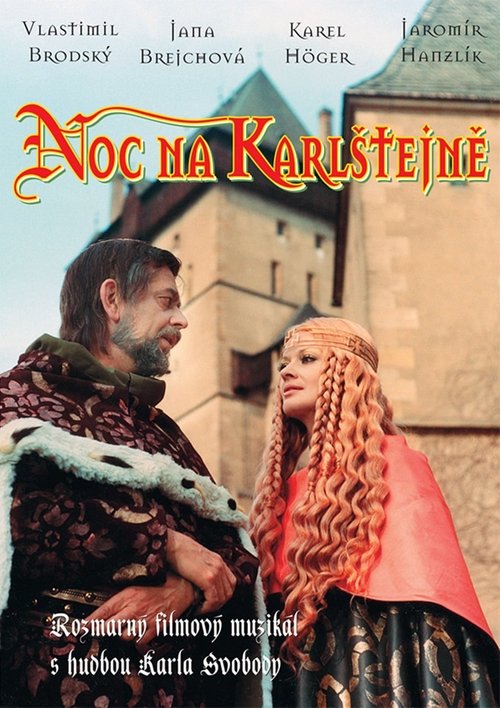
No Woman is allowed into Karlstejn Castle! Yet the enamoured Daniele Kolářová and the equally enamoured Jana Brejchová manage to spend one night in disguise in the Castle despite the strict royal ban.
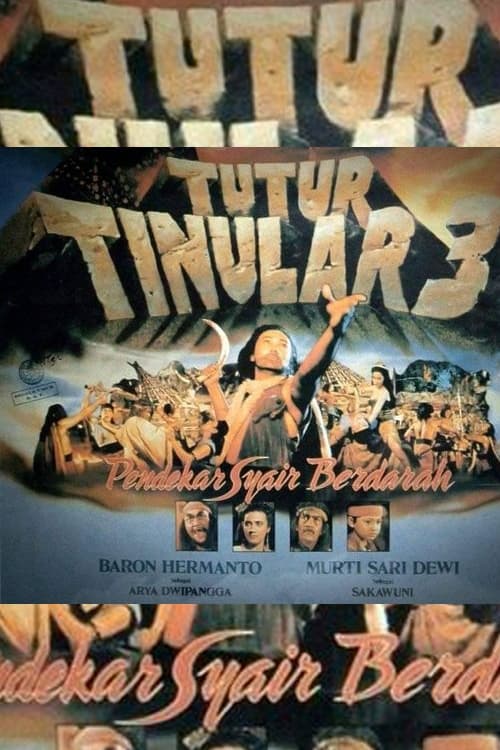
Arya Dwipangga (Baron Hermanto) is disturbing the kingdom of Majapahit in order to wreak revenge on Kamandanu (Sandy Nayoan), while the kingdom assumes that the troublemaker if Mpu Bajil (Wingky Haroen), who is preoccupied with learning the teachings of Aji Segara Geni. As a part of this training, he has already bathed in the blood of seven child descendents of warriors. He is now planning to kidnap the nephew of Kamandanu, Panji (Sawung Sembadha), the child of Dwipangga and Ratih (see Tutur Tinular). A battle ensues between Bajil and Kamandanu, who has been instructed by the king to bring back Bajil’s head.

In 1842 the Crown prosecuted Weewar, a Binjareb Nyungar warrior, for carrying out tribal payback by spearing Dyung of the Mooro Group. When Weewar heard that Dyung, a member of the tribe responsible for the death of his son, was moving through Binjareb Territory he was governed by one law – Traditional Aboriginal Law. Weewar’s trial became the test case in Western Australia which determined that British Law took precedence over traditional law. Dedicated to Theo Kearing a Binjareb Warrior.

An amateur archaeologist obsessed with e-waste records images and sounds over ten years. His research takes the form of a personal, playful and musical diary, crossing borders and archives. One day, he arrives at an electronic recycling workshop where the ghost of a working poet manifests itself. The search takes an unexpected turn and he sets out, in the company of his cat Pendrive, to explore the links between technology and memory. In times of environmental crisis, overproduction and acceleration of consumption, he wonders: how will history be written in the future?
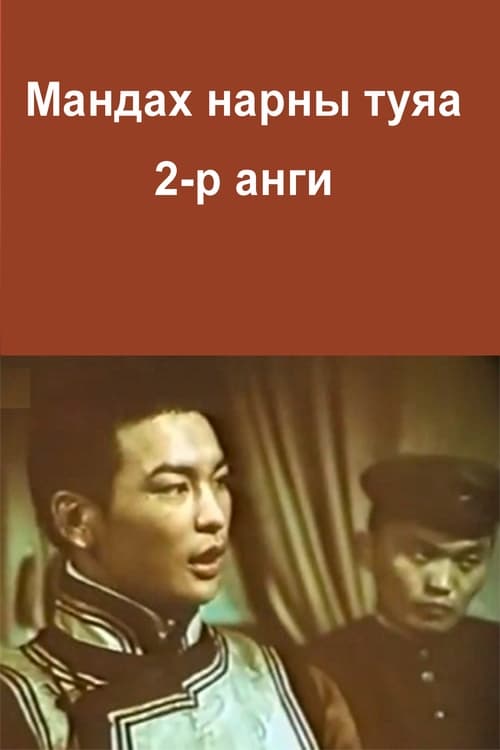
The work reflects the historical life of the great general D. Sukhbaatar, who started participating in the People's Revolution.
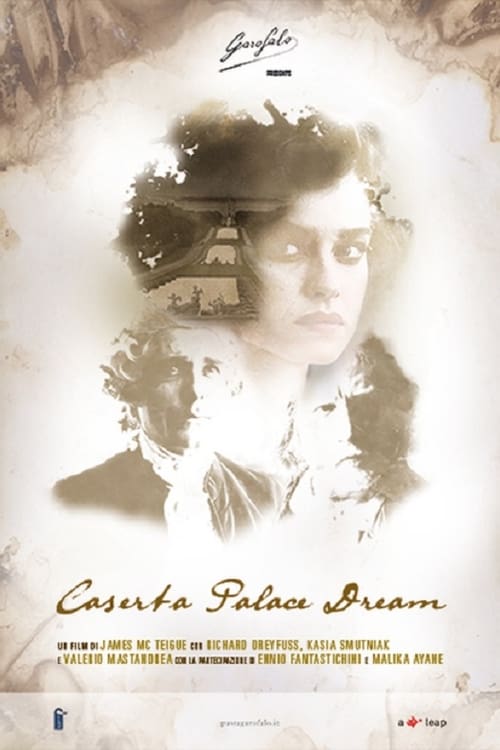
The greatest dream of a unique woman, Maria, future Queen of Spain and wife of Charles King of Naples and Sicily and of a special man, the greatest architect of his time, Luigi Vanvitelli. Their Love goes beyond their own human existence and becomes real in the immeasurable beauty of the Royal Caserta Palace.