Protocol Archives • Browse all History titles in HD
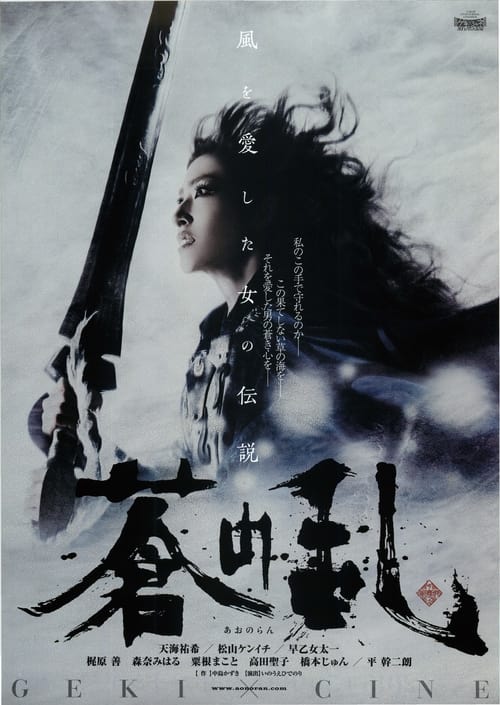
Soma, an immigrant from a defeated country, lives as a fortuneteller in Japan. She is saved from corrupt court officials by Kojiro Masakado, a warrior from Bando. They get swept up in a conflict between Bando and the imperial forces.
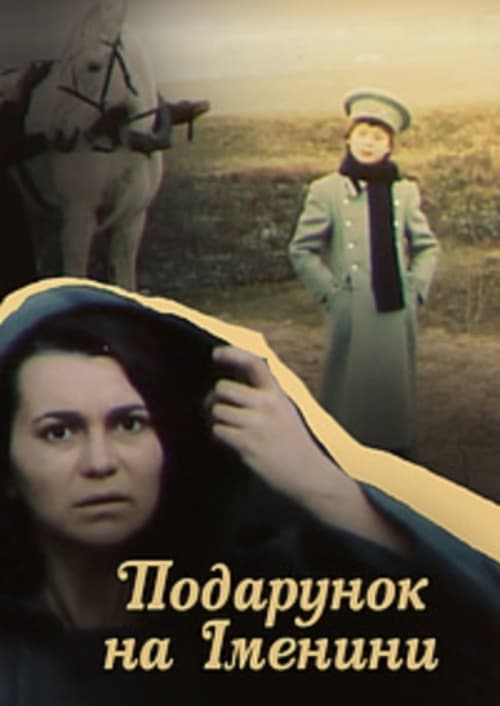
Young revolutionary carried out the attack. She is waiting for a death sentence. Police warden who arrested girl, gives his little son a quite unusual birthday present - takes the boy to the execution.

In this filmed version of the original musical, Leiden student Erik Hazelhoff Roelfzema and his friends see their carefree student life disrupted when the Germans invade the Netherlands in 1940. The boys, then around 23 years old, realize out of the blue that nothing is the same anymore. Friendship and love are no longer self-evident. The war turns everything upside down, all relationships are on edge. Everyone has to make their own choices…: Are you going to fight for Freedom, People, Fatherland? Do you bury your head in the sand and continue studying? Or do you deliberately choose the enemy?

In this debut narrative short film, colonial relationships and land politics are discussed. An investigative piece that peers through ideals of retribution and questions the dynamics of the colonized person and the colonized.
The life of Attila the Hun told in six chapters.
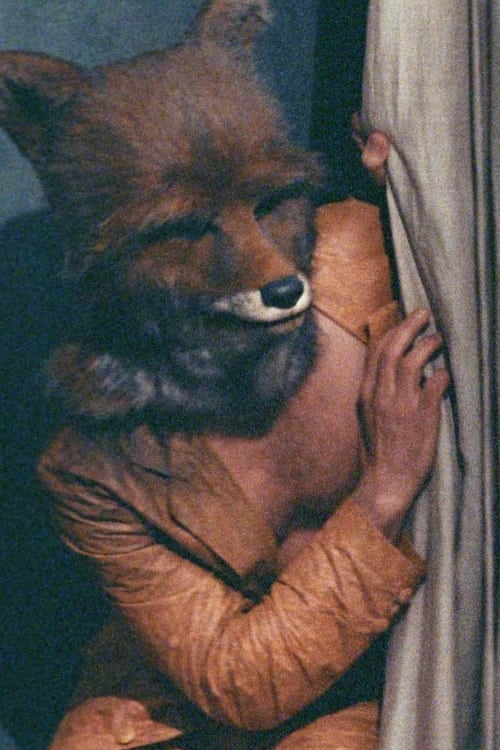
A collaboration in which Robert Wilson and Heiner Müller let Molière die, imagine his death in tableaux with text passages recited by Müller himself. "Cinema watches Death at work." Wilson's actors watch Molière die: their vigil is hard work. Müller's comment: "The poem watches a dying man at work, his name is Molière. The poem is not a film. The film watches an actor playing a dying man called Molière."
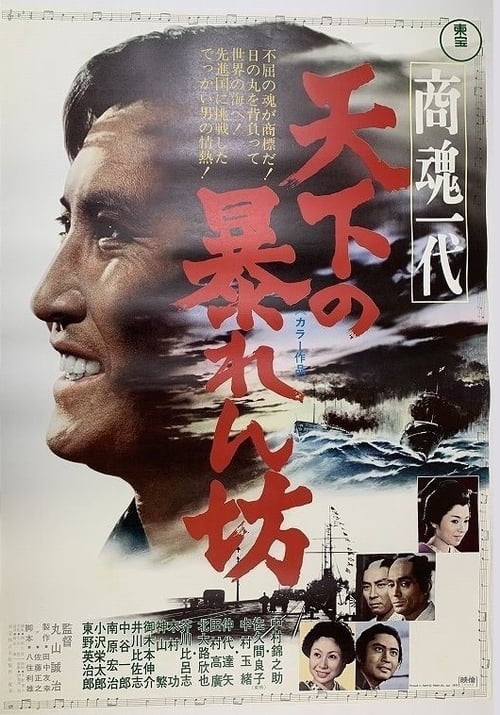
The struggles of a low-ranking samurai (Nakamura) coming to terms with the end of the Tokugawa shogunate and the end of Japan's feudal age with the 1868 Restoration.

The epic story of Thomas Edward Lawrence the First World War military officer who united the tribes of Arabia against the Ottoman Turkish army. The film reveals that while being one of the most enigmatic figures of the 20th century, he was also a deeply troubled man, delving into his personal torment, the secret his family were hiding, and the punishment he endured.
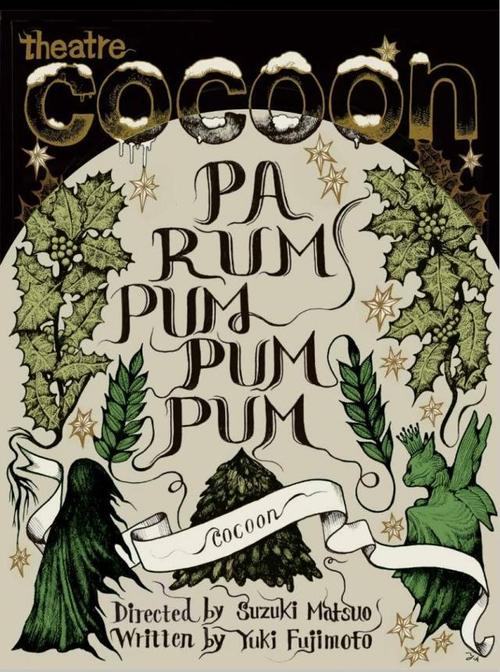
A mystery which blurs the line between fantasy and reality. When unsuccessful teen novelist (Matsu Takako), is troubled with her latest novel, her editor is chief (Kamiki Ryunosuke) helps her write a mystery set in "A Christmas Carol" in which the Scrooge (Fumiyo Kohinata) is murdered.Just as she's about to go to sleep, relieved that she's finally finished writing, she realizes, "He's not the killer! He's not the murderer!. Just as she is about to contact her editor to rewrite the story, an incident occurs in real life.
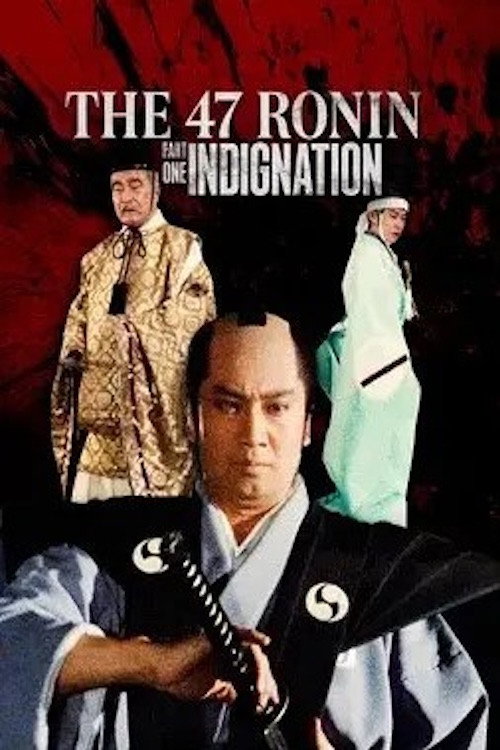
After their lord is unjustly sentenced to commit seppuku, Oishi Kuranosuke leads a group of 47 loyal retainers on a mission of vengeance against the corrupt court official Kira Kozukenosuke.
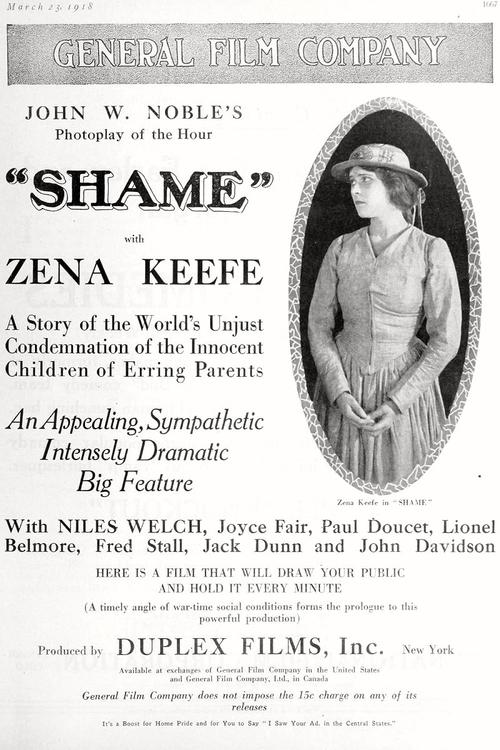
John Grey enlists when the Spanish-American War begins, not knowing that his sweetheart Mary is pregnant and then perishes before they can legalize their union. When Mary dies, her daughter Little Mary is taken into an orphanage and adopted by Peters, a cruel farmer who turns her into a slave. Befriended by Seppe, a hunchback farmhand of similar parentage, young Mary escapes to the city where she finds work at a hospital run by Dr. Strong. She falls in love with Strong's son Donald when he learns that she is illegitimate, he backs out of the engagement.
Bright Sunshine (a.k.a. The Sun, 大太阳)
A brief history of the KKK
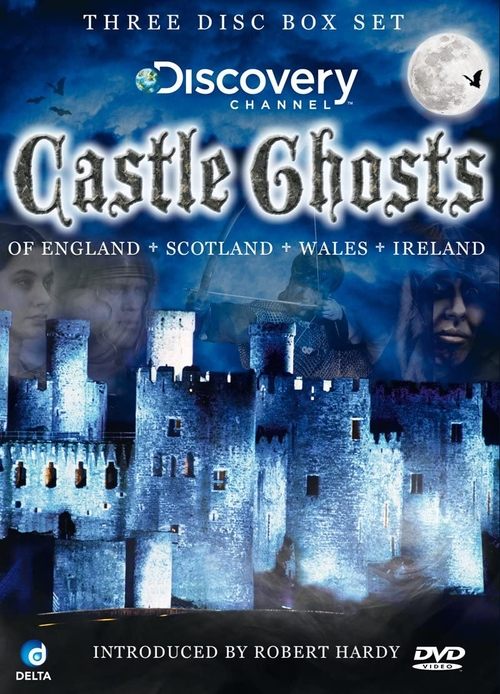
The family locks of Ireland are kept in itself by the certificates of deadly feud, mean murders. In our days, still located on a tableland, locks are a living reminder about the victims of past years.

During the Hyderabad Liberation Movement of 1948, there will be atrocities, like the episode of Gundrampally, Parkala, Bhairanpally villages.
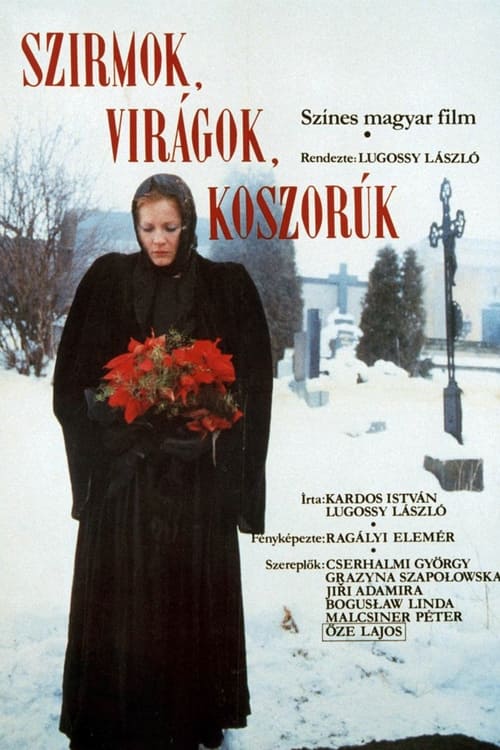
The seeming hopelessness of combatting an all-powerful government that will not tolerate political dissension is the focus of this excellent historical drama set in the mid-19th century in Hungary. In the opening scenes, Hungary has just lost its bid for independence from Austria and a Magyar officer, unable to bear the tragedy of defeat and what it means, says an affectionate good-bye to his beloved horse and then shoots the animal and himself. Two years later, Ferenc (Gyorgy Cserhalmi) is trying to eke out a living for his wife and her family -- and at the same time avoid any hint of sympathy for Hungarian independence because the Secret Police are everywhere. Just as life seems to be going well, Ferenc's former commanding officer (Lajos Oze) arrives and begins discussing revolution again -- a futile pursuit at this point in time. The next day, Ferenc is thrown into an insane asylum and everyone else is arrested as well.
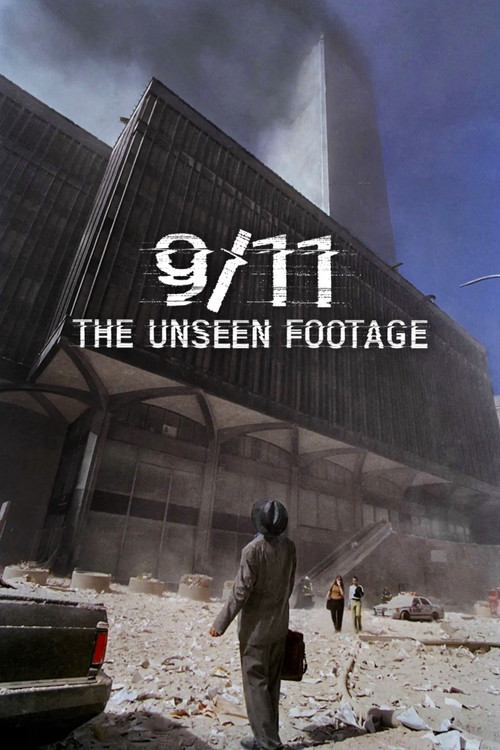
Marking the 25th anniversary of the September 11, 2001 terrorist attacks. Features previously unseen footage captured by Reuters journalists during the attacks and in the days that followed.
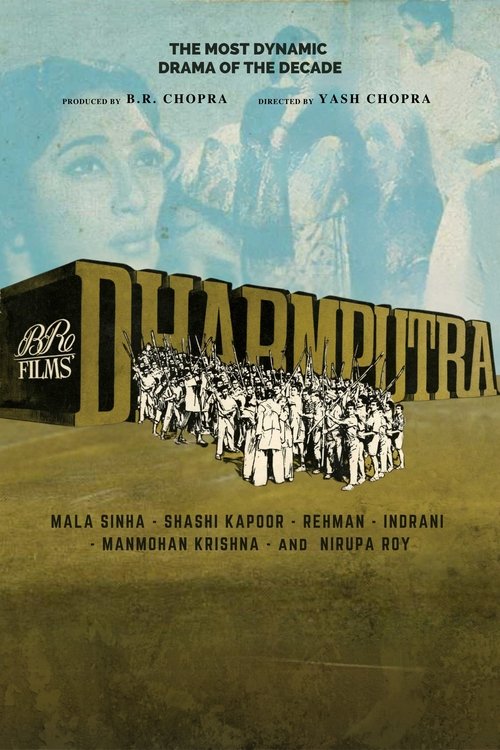
The story of two families — one Muslim and one Hindu — living together in India under British rule.


1959: Guy is an experienced British fighter pilot who is in command of Britain's first manned mission to space. He has trained for this for three years at the height of the Cold War and now he is alone in space, suffering Hypoxia, with a malfunctioning capsule. He has limited contact with the UK, some unusual communication with the US and some unorthodox communication with Tyuratam deep in Soviet Russia. Can he get home? Who will help him? Will he make the right choice?