Protocol Archives • Browse all History titles in HD
WWII drama from film-maker Christopher Forbes which follows American fighter pilots on a perilous mission into the skies of enemy territory.
Several fragments of one day in Leningrad in the autumn of 1989, refracted in the imagination of the artist.

Focus on 18th century classical music composer Pyotr Tchaikovsky's critical failure, persecution for his sexuality and mysterious death .

A kind-hearted deed for an old friend leads Dodger to break into 10 Downing Street.

In 1917, Gino Montanari, an elementary school teacher from Romagna, was forced by the principal of his school to volunteer for the First World War because of his libertine and anti-interventionist behavior. With the threat of being expelled from all schools if he refused, Gino was reluctantly sent to the front in a small outpost in Valtellina, where as a heliographer he had to transmit Morse signals with sunlight. His life would be profoundly changed by his encounter with a young illiterate man, with the enemy, and with a series of individuals from various parts of Italy.
While Dresden is in ruins in the immediate aftermath of the Second World War, over two thousand paintings by artists including Rembrandt, Raphael, Rubens, Giorgione, and Vermeer have disappeared from the city’s Old Masters Picture Gallery. Red Army captain Leonov and his soldiers are ordered to recover the lost paintings.
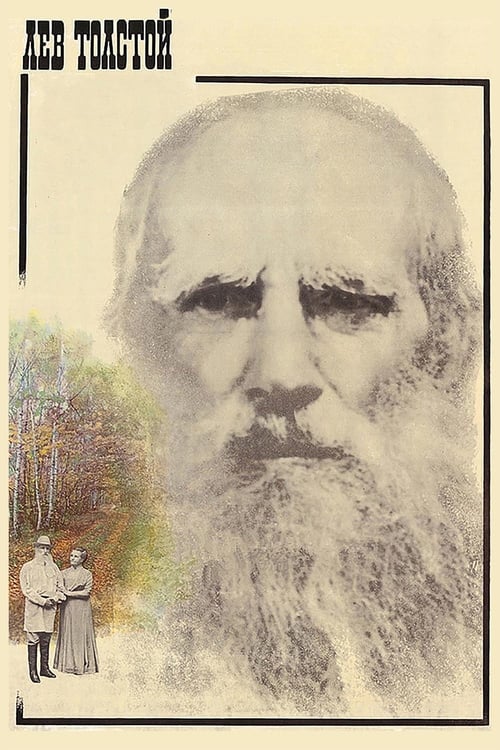
This is the story of last years of Leo Tolstoy's life at his mansion in Yasnaya Polyana. He is surrounded by his family, friends, acquaintances and absolute strangers who are coming to the great man and artist from all over the world. But in his sleepless nights he dreams about his happy youthful years and the crucial, hard ones. And everything ends with his tragic departure from Yasnaya Polyana and his death at an obscure little station of Astapovo.

The Armenian national hero, David Bek, leads a major Armenian uprising against Safavid Persia in the Syunik region in the 18th century.

The true story of a boy hero during the last fighting before the fall of the Roman Republic before the 1849 birth of the Italian Republic.
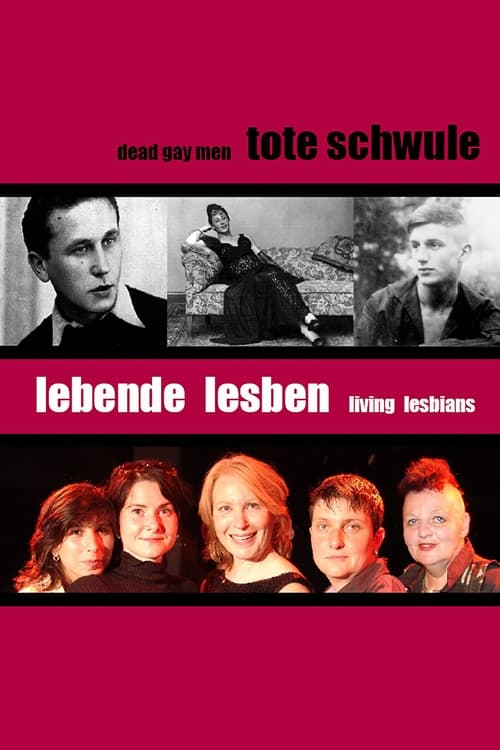
As a result of the Holocaust and later, AIDS, the male homosexual community has sustained bitter losses and, according to Praunheim, lesbian women have now placed themselves at the head of the so-called queer movement. The female protagonists in the film represent two different generations; they also incorporate the past and present status of homosexuals in society.

Based on play by famous swedish author/playwright August Strindberg adapted for swedish TV in 70's. It's about the real life assassination on swedish king Gustav III who was killed by a lieutenant Jacob Johan Anckarström who acted on behalf of a group conspirators.
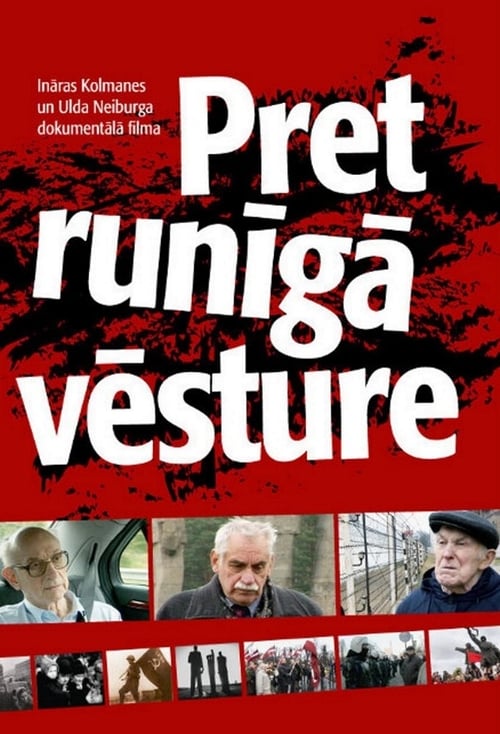
In commemorating WWII events in Latvia each year, several “controversial dates” arise. These are remembrance dates that are viewed differently by Latvians, Russians and Jews. The film searches for answers through three main characters, each a representative of their nationality, and categorical in their opposing way of thinking. Why is a date that is celebrated and honoured by one side, also a symbol of deep pain and injustice for another? Why are there, to this day, in a country as small as Latvia, three or more completely differing historical interpretations?
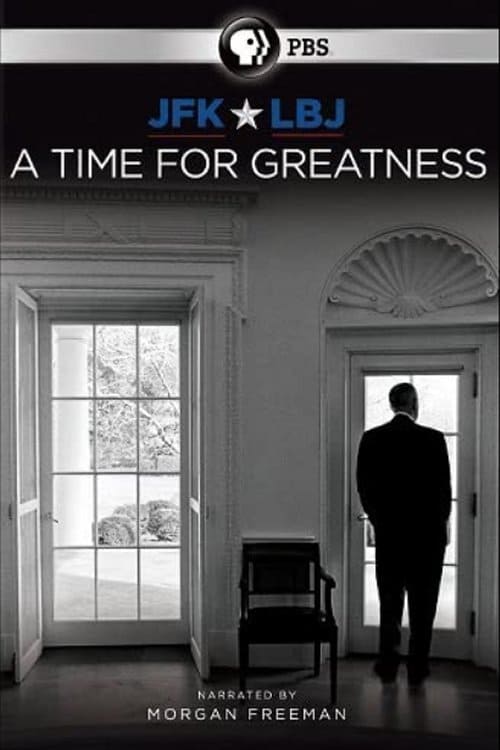
How U.S. President Lyndon B. Johnson used his political prowess to make the Civil Rights Act of 1964 and the Voting Rights Act of 1965 happen. The story is told using rarely-seen footage, interviews and secret White House tapes.

In 1889, Gustave Eiffel decides to attempt the impossible for the Universal Exhibition in Paris: to build the tallest tower in the world. Before this project, this pioneer and visionary had created more than 300 metal structures around the world.
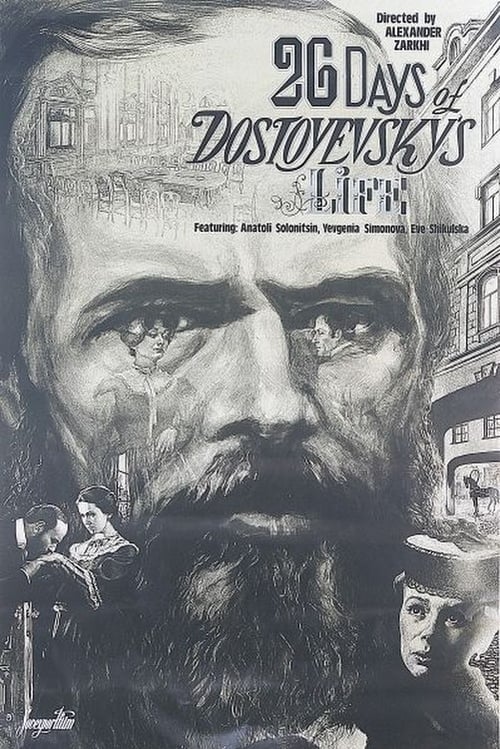
Brief imaginary period in the famed Russian writer's life that encapsulates one of his darker moments in 1866. At that time he was still a relatively unknown writer whose first widely acclaimed work, Crime and Punishment, was just on the horizon. His life was at a very low ebb as he struggled with debts he could not pay, and as he fought depression over the loss of his wife to tuberculosis, and the death of his brother, who was very close to him. His first literary journal had to be scrapped because of political reasons, and the second venture needed funding.
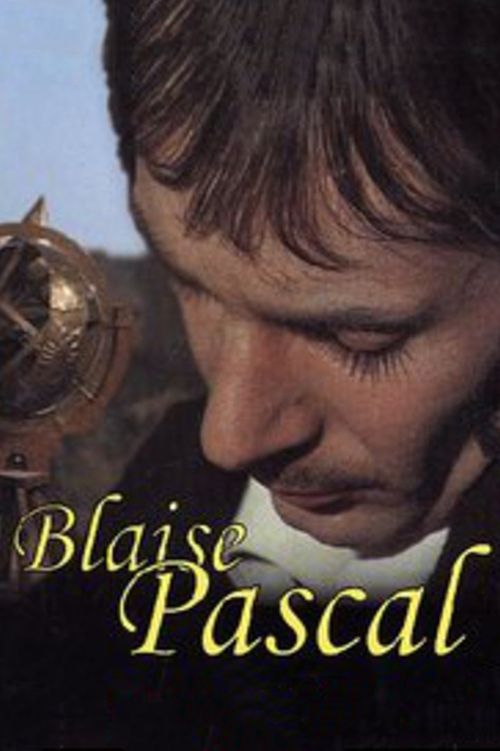
In this evocative, atmospheric biography, Roberto Rossellini brings to life philosopher and mathematician Blaise Pascal, who, amid religious persecution and ignorance, believed in a harmony between God and science.
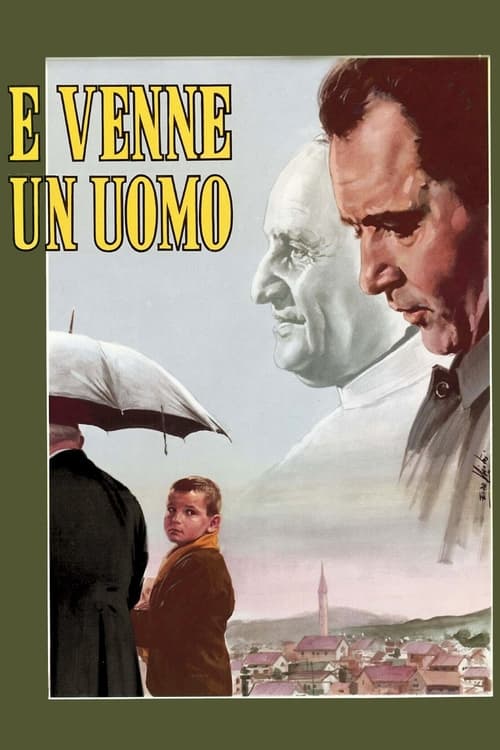
Based on the diary Pope John XXIII kept between the ages of 14 and 18, his lifelong concern for tolerance, the underprivileged, and world peace is told. Rod Steiger, in the central role, acts as "intermediary" between the Pope and the audience, interpreting John's words, thoughts and actions. Steiger visits the actual places in which John lived, recreating the conditions, environment, and forces that affected his development. Through this unusual technique, we are brought close to an extraordinary man - one who's able to win the love of many people of all faiths.
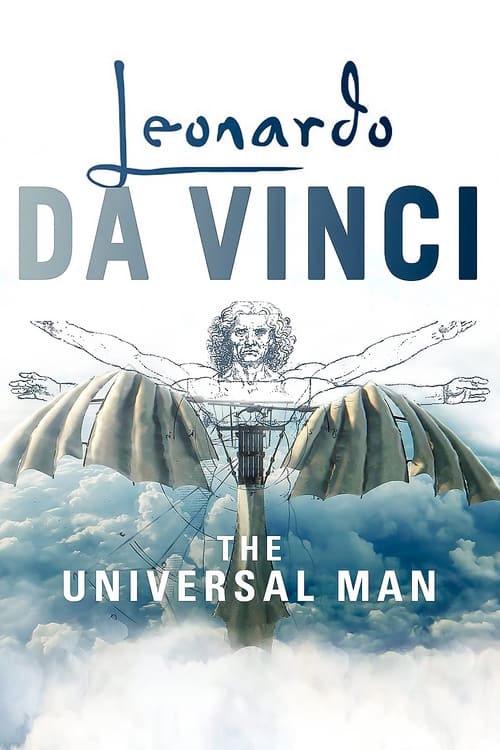
How only one man all at the same time painted the Mona Lisa, conceived ball bearing and gave the first clinical description of atherosclerosis? On the occasion of the 500th anniversary of his death, this documentary will answer these questions and much more, gathering clues thanks to research on the field and encounters with the most outstanding specialists on Leonardo Da Vinci. Travelling through time thanks to an imaginary museum, we will track back the Renaissance genius and give you to see Leonardo’s relentless ingenuity!
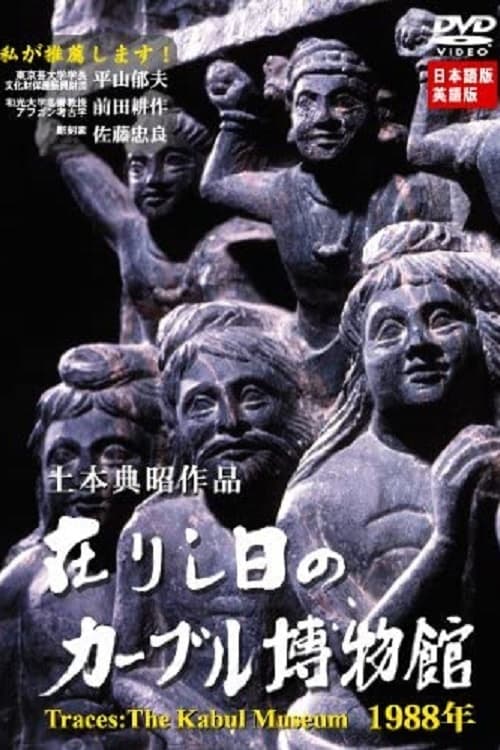
The Kabul National Museum, once known as the "face of Afghanistan," was destroyed in 1993. We filmed the most important cultural treasures of the still-intact museum in 1988: ancient Greco-Roman art and antiquitied of Hellenistic civilization, as well as Buddhist sculpture that was said to have mythology--the art of Gandhara, Bamiyan, and Shotorak among them. After the fall of the Democratic Republic of Afghanistan in 1992, some seventy percent of the contents of the museum was destroyed, stolen, or smuggled overseas to Japan and other countries. The movement to return these items is also touched upon. The footage in this video represents that only film documentation of the Kabul Museum ever made.