Protocol Archives • Browse all History titles in HD
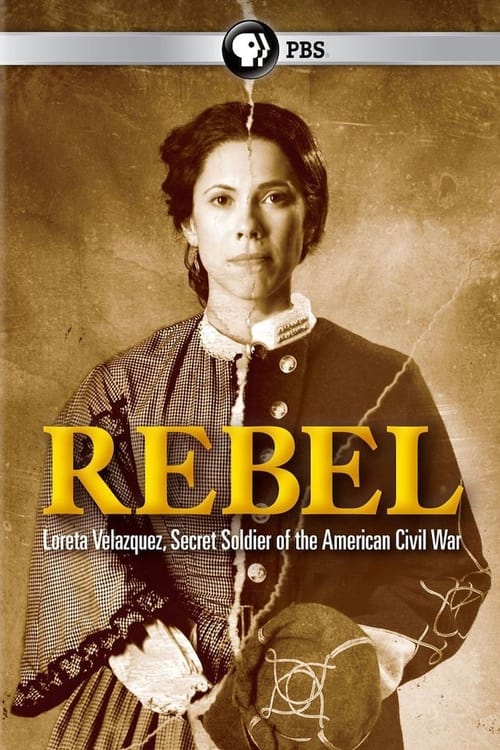
Shrouded in mystery and long the subject of debate, the amazing story of Loreta Velazquez is one of the Civil War’s most gripping forgotten narratives. While the U.S. military may have recently lifted the ban on women in combat, Loreta Janeta Velazquez, a Cuban immigrant from New Orleans, was fighting in battle 150 years ago — one of an estimated 1,000 women who secretly served as soldiers during the American Civil War. Who was she? Why did she fight? And what made her so dangerous she has been virtually erased from history?
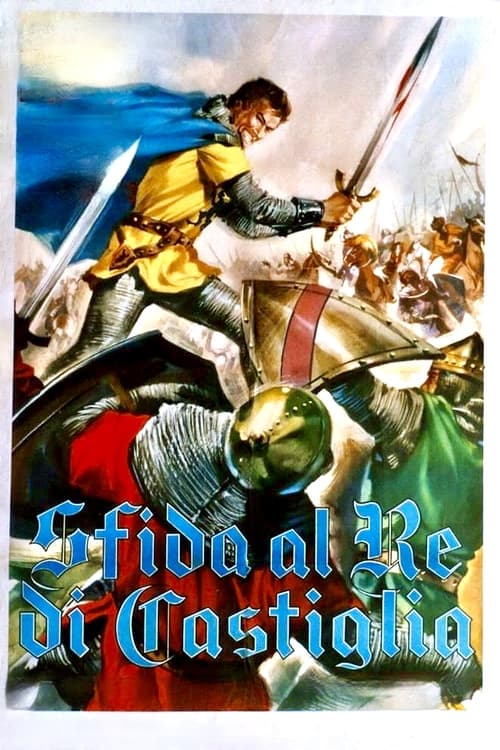
it's a fast moving blood and thunder tale well rendered and at least rooted in fact, and has a good feel for the period. It's interesting to have a look at somewhere else in medieval Europe besides England and France for a change. After all, Spain, Portugal, and the Italian states and some other principalities were big players at that time, too.

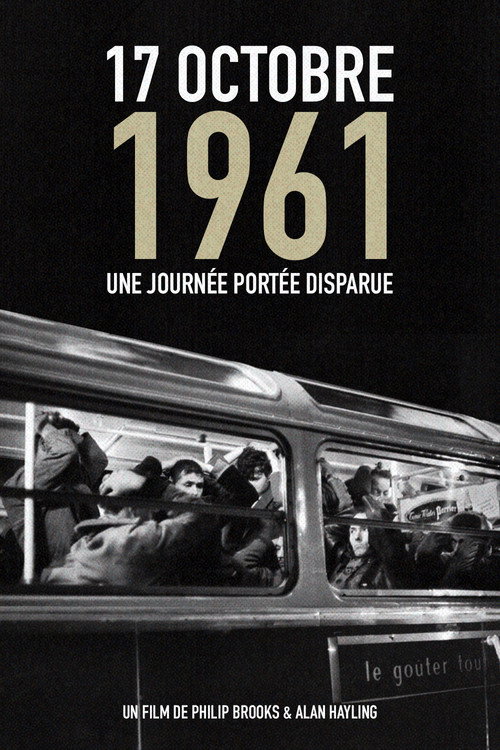
This documentary bears witness to the events that took place more than thirty years before the filming of this movie, on October 17, 1961, in Paris, during the Algerian War. It is a work not only about historical truth but also about memory. Constructed primarily from interviews conducted with those involved in the events, along with archival footage, photographs, and radio broadcasts from the time, our investigation proves that nearly 200 Algerians were killed (drowned, tortured) that night and in the days that followed by the French police. "A Missing Day" seeks to ask two key questions: how could such events have unfolded in the capital of a Western democracy barely thirty years ago? And why have they been silenced ever since?

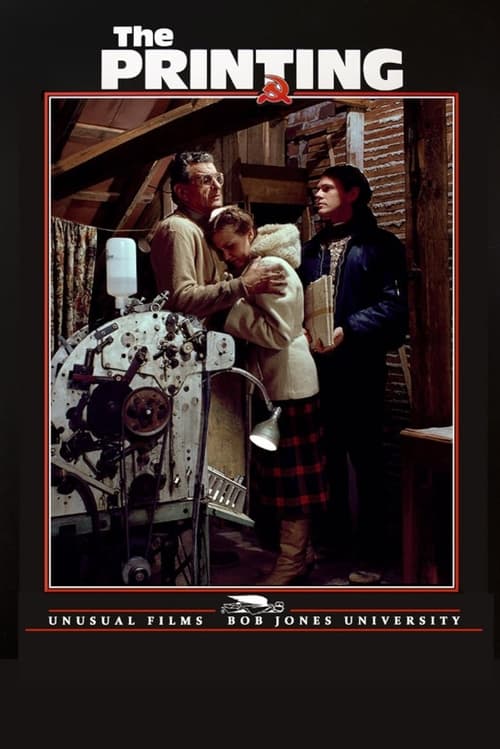
The Printing is a family film produced by Unusual Films that tells the story of faithful Christians that continue printing and smuggling Bibles even when they know they are being hunted down by the Soviet Russian government.

Historical film based on the life of Wu Zetian, the only female emperor in Chinese history
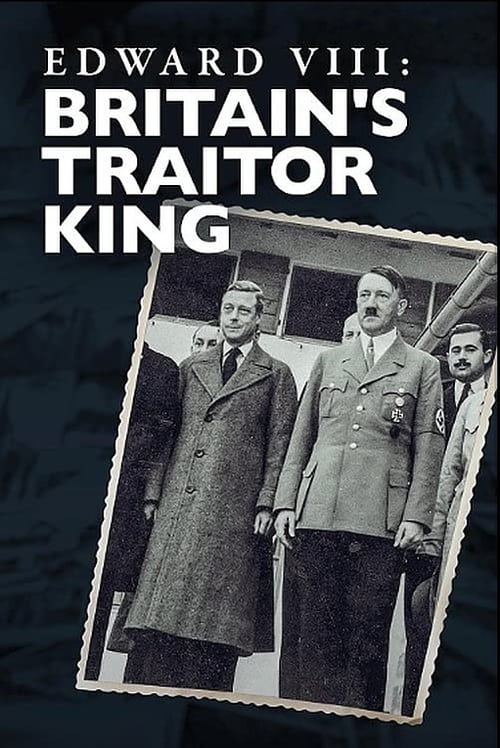
For the first time, the extent of the Duke of Windsor's treachery during World War II is revealed; not just sympathising with the enemy but, new evidence reveals, actively collaborating.
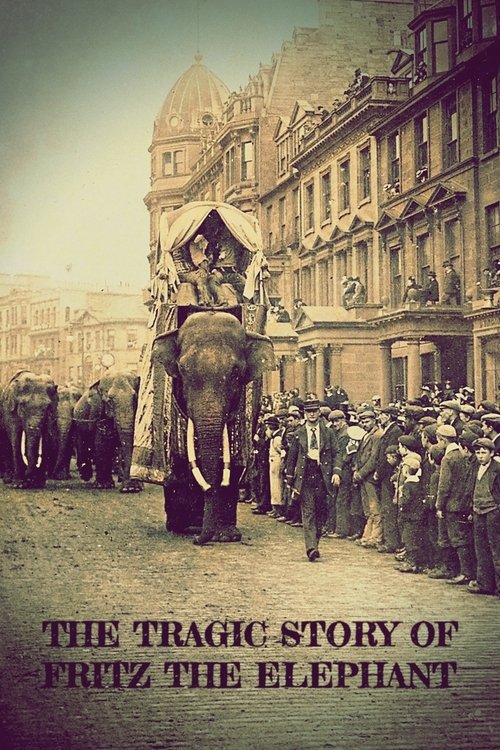
The story of the birth of the exploitation of wild animals, the fruit of the iron twinning between the Industrial Revolution and the omnipotent and arrogant logic of colonialism, told through the multiple tribulations of Fritz, an Asian elephant who, one hundred and fifty years ago, worked in the largest circus in the world.
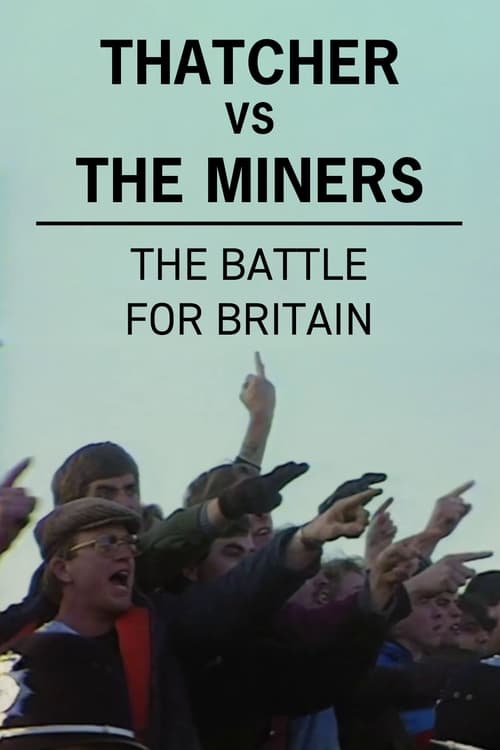
On the 5th of March 1985, a crowd gathered in a South Yorkshire pit village to watch a sight none of them had seen in a year. The villagers, many of them in tears, cheered and clapped as the men of Grimethorpe Colliery marched back to work accompanied by the village’s world-famous brass band. The miners and their families had endured months of hardship. It had all been for nothing. The miners had lost the strike called on March 6th 1984. They would lose a lot more in the years to come. But was it a good thing for the country that the miners lost their last battle?
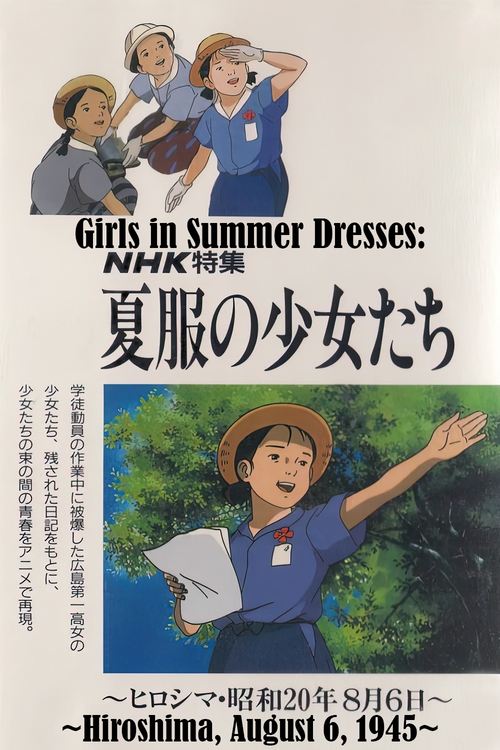
In 1945, the second- and third-year students of a Hiroshima girls' school are taken away to work in war factories. The remaining 220 girls of the first year try to make the best of their new-found status as the only teenagers in an almost deserted town, even amid the deprivations of wartime. On the seventh of August, an American bomber changes their lives forever. Broadcast on the 43rd anniversary of Hiroshima in memory of "the girls who lost their lives to the atom bomb." (Source: Anime Encyclopedia)

Such changes took place in Poland over a period of several months - from the end of 1988 to the end of January 1990? Michał Bielawski, through the prism of official and underground archives, shows the then state of mind of Poles, their fears, hopes and reflections. Film materials from the 1988-1990 period are in harmony with the photographs and diaries written by Poles at that time, as well as with the messages about the changes taking place. We observe the most important political, social and moral events of that period, confronted or reinforced by the comments of their active observers: ordinary people, politicians of the government camp and oppositionists.
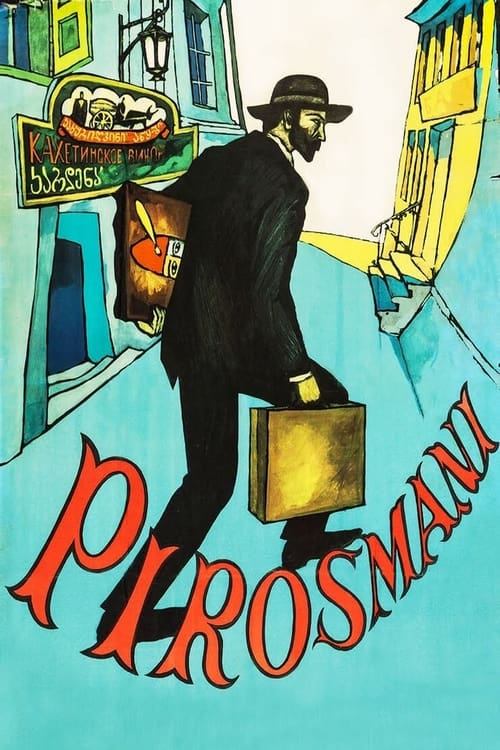
A biography of the Georgian primitive artist Nikoloz Pirosmanishvili (1862–1918), better known as Pirosmani, who died of starvation and sold his paintings to bars and restaurants for food and drink. The film experiments with color control techniques based on the painter’s style.
The extraordinary story of the Irish War of Independence (1919-22): from the failed insurrection of 1916, the detailed account of how pro-independence Ireland rebuilt a movement whose efforts would eventually lead to the creation of a new nation. (Documentary film based on the miniseries of the same title.)
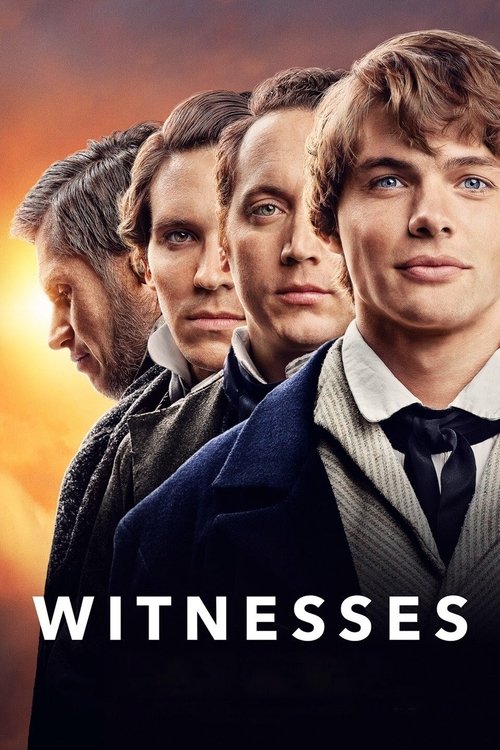
David Whitmer, Oliver Cowdery and Martin Harris face ridicule and persecution when they claim to have seen angels and hefted golden plates containing ancient inscriptions.
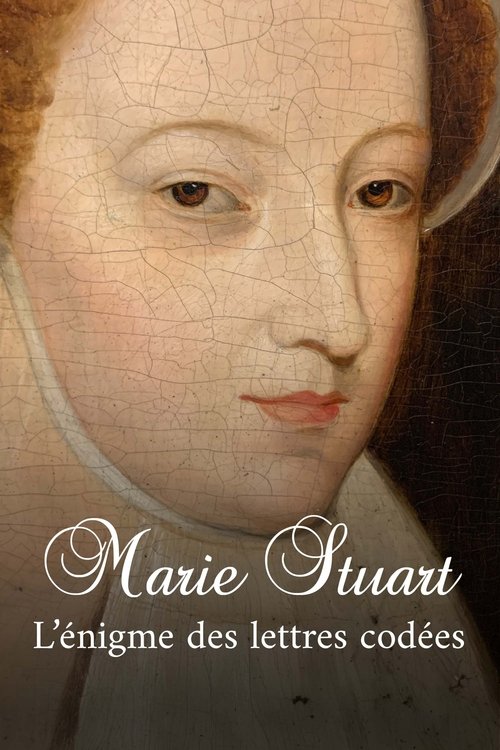

Musical documentary based on the stories of four women who studied to become nurses in the school of the Fundación Eva Perón in 1948, which was one of the institutions that helped pave the way for change for women in Argentina. The testimonies from the protagonists are reenacted in the form of a musical, in a film that combines archival footage and choreography.
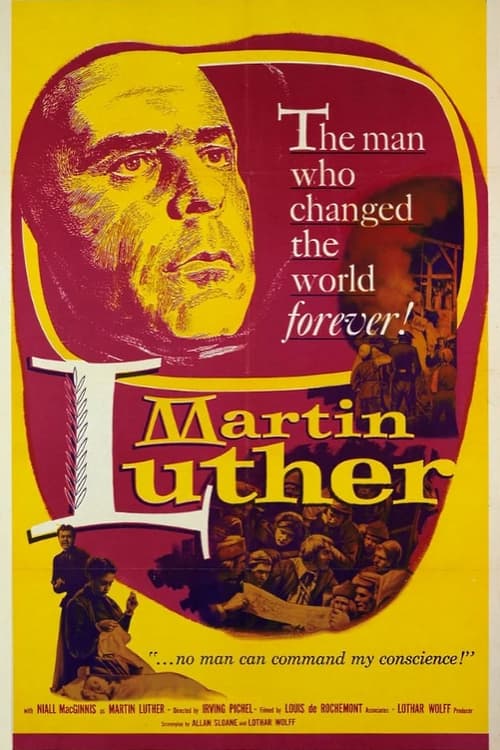
A biopic of Martin Luther, covering his life between 1505 and 1530, and the birth of the Protestant Reformation movement.
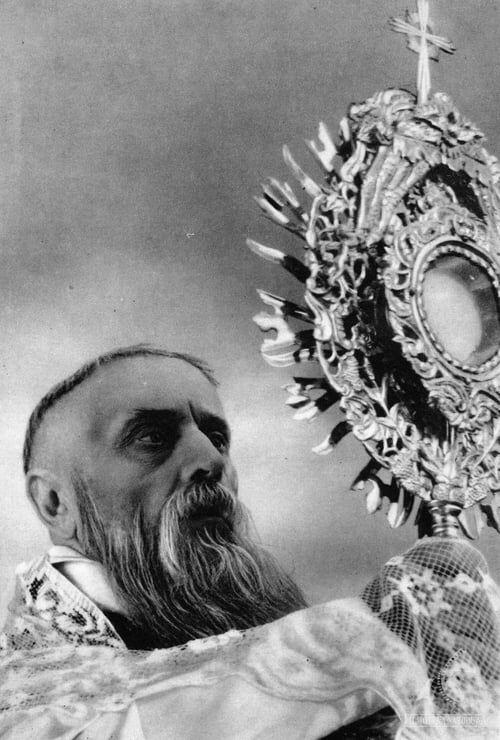
Pre-war Polish film about the siege of Jasna Góra, which took place during the Swedish invasion of Poland.