Protocol Archives • Browse all History titles in HD
How did Nazi Germany, from limited natural resources, mass unemployment, little money and a damaged industry, manage to unfurl the cataclysm of World War Two and come to occupy a large part of the European continent? Based on recent historical works of and interviews with Adam Tooze, Richard Overy, Frank Bajohr and Marie-Bénédicte Vincent, and drawing on rare archival material.
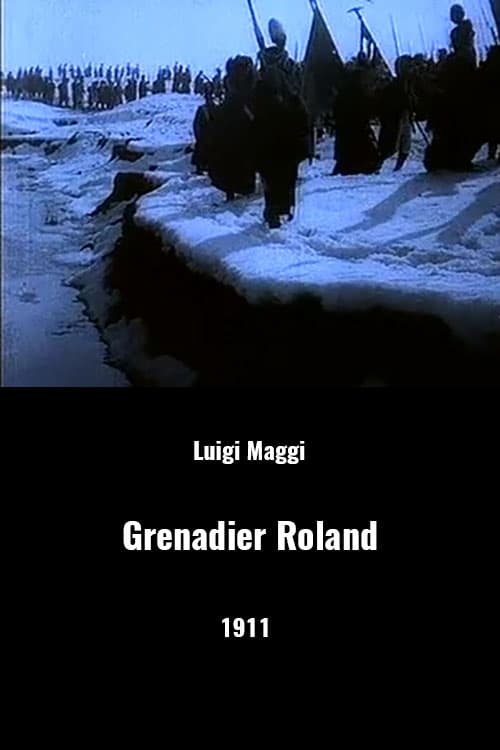
This film shows the realistic battle scenes of the Siege of Moscow, with the sensational defeat of Napoleon, with the belching cannon, the battling soldiers, scenes of heroism and daring reproduced in the most exquisite photography.
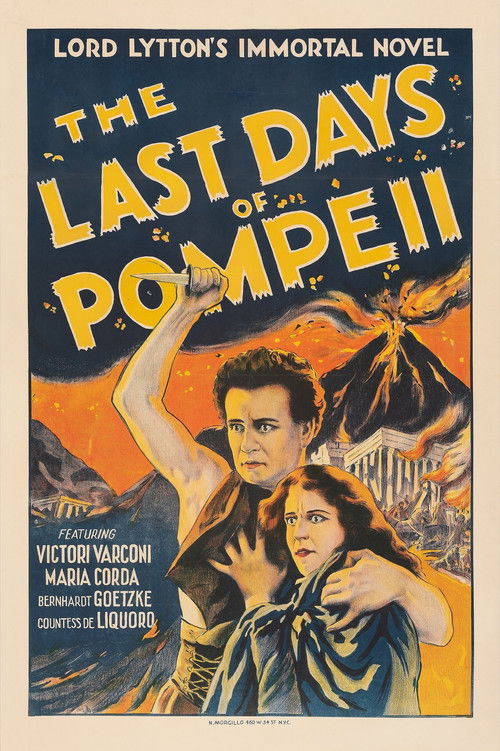
Carmine Gallone and Amleto Palermi’s The Last Days of Pompeii 1926 stages in sumptuous colour tinting the epic fall of the ancient city buried by Mount Vesuvius’ eruption. Adapted from Edward Bulwer-Lytton’s love story, the film was innovative in its special effects and an early major box-office hit. A beautiful tinted restoration print was prepared using photochemical processes by Centro Sperimentale di Cinematografia-Cineteca Nazionale in the mid-1990s and the premiere screening of the restoration print was held in the amphitheatre in Pompeii, followed by a screening at the major restoration festival ‘Il Cinema Ritrovato’ in Bologna in 1998.

The story about Chornobyl area, all around the world we know of the disaster in 1986. The film may be called a guide to the Exclusion Zone. Thanks to the unique footage from the place of the tragedy, that the crew succeeded to capture, the viewers will have a chance for a full immersion into the atmosphere of the events and, along with the heroes of the film, feel the dreadful and amazing air that reigns where one of the major anthropogenic disasters took place.
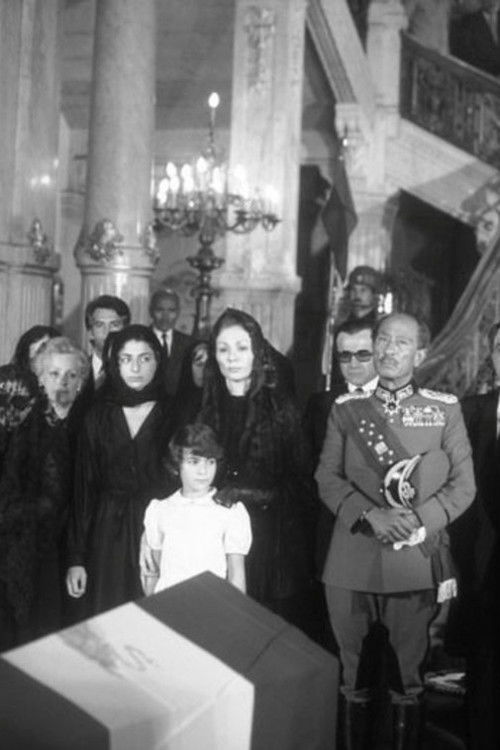
The documentary "Guest in Cairo," (The Shah's funeral ceremony) part of Manoto’s documentary series, delves into the final days of Mohammad Reza Pahlavi in Cairo, Egypt, using never-before-seen footage. A king who, after being exiled from his country, was abandoned by almost all his friends and allies. Among them, Anwar Sadat, the President of Egypt, was the only one who refused to sacrifice his friendship with the Shah for political gains and deals. While no one else was willing to accept the ailing Shah, Sadat offered refuge to him and his family and appointed Egypt’s most skilled doctors to care for him. After the Shah’s death, Anwar Sadat held an official and grand funeral, showcasing his unwavering loyalty and friendship with the fallen monarch.
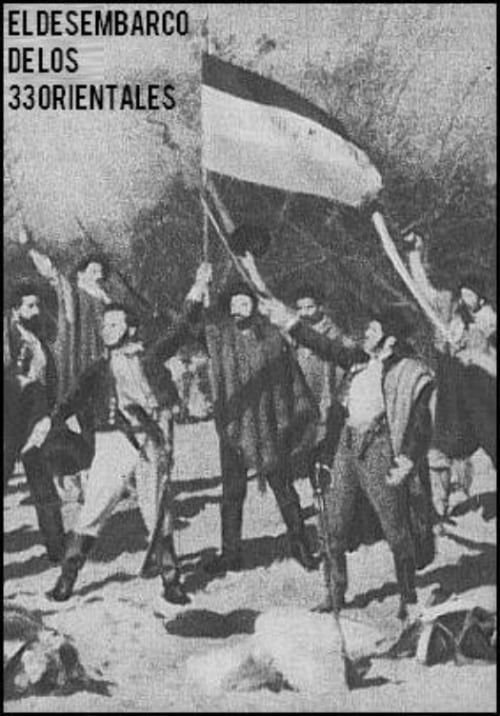
Evocation of the historical feat of the same name, with scenes filmed in the natural settings of Playa de la Agraciada. Los Treinta y Tres Orientales is the name by which the men led by Juan Antonio Lavalleja are historically known. In 1825, they launched an insurrection to recover the independence of the Eastern Province.
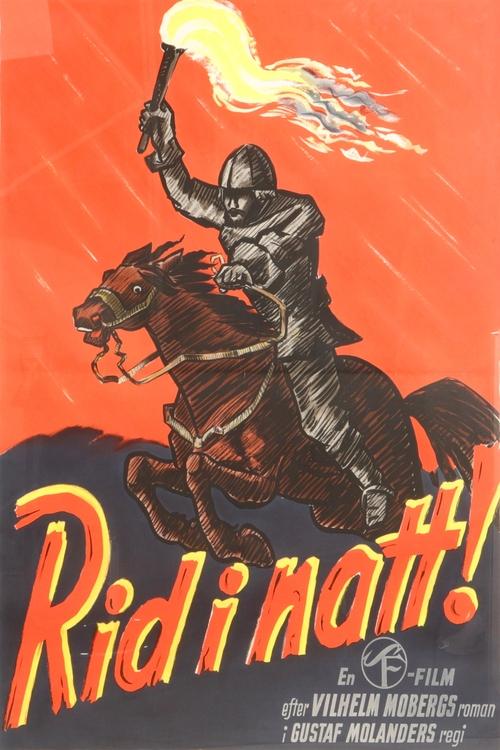
In the south of Sweden, some farmers get into trouble when the German Count is forcing them to perform day labor for him. But a man refuses to bow to the German Count.

In the aftermath of the Guildford and Woolwich pub bombings, a large number of people of Irish descent were rounded up for questioning by the police in London. Most were subsequently released. But for the Maguire family, 3 December 1974 was the start of a nightmare that is only now ending.
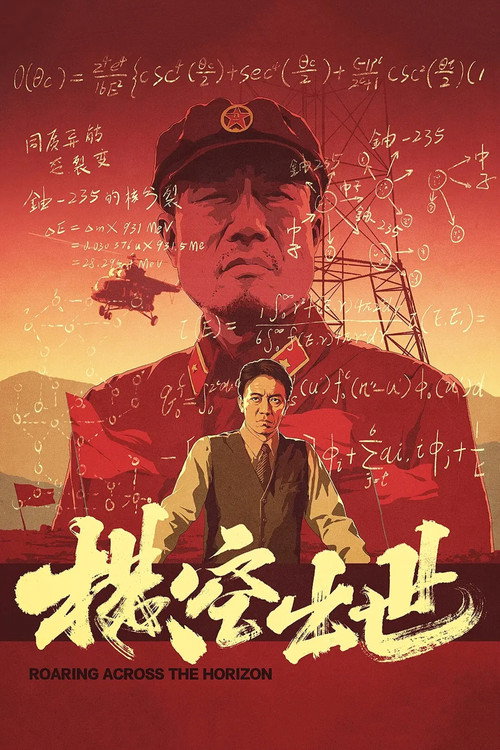
After the Korean War, General Feng Shi leads a heroic army into the Gobi Desert on a mission from the Central Committee. At the same time, scientist Lu Guangda returns from the U.S. and says goodbye to his wife. As talented individuals from scientific institutions join the effort, they face harsh conditions—scarce resources, outdated technology, and frequent natural disasters—but work together toward a common goal.

The life and work of Jean-Baptiste Poquelin (1622-73), the greatest French-language playwright, Molière, who revolutionized theater by bringing to the stage, with lucidity and dazzling modernity, the themes of his time and who had a special relationship with Louis XIV, the dazzling Sun King, that allowed him to develop as an artist while using his talent, like that of many other artists of his time, to enhance his personal glory.

It was a primitive time long ago when the nomadic tribes of the Huns ruled the Great Steppes. After her clan is destroyed, Hora is taken captive but secretly plans to seek her revenge. In this barbaric world of violent warriors and ritualistic shamans, she must devise a plan to survive and seek her retribution. Only the strong will live to tell this tale.

Kotoji Akame (Naoto Takenaka) is a shabby, middle aged low-ranking samurai of small stature. One day, in a drinking contest, he misses sending his lord off as he leaves Edo for Kuju. Released from service for this blunder, Akame becomes a wandering samurai. He goes on to steal lances from many feudal lords' processions. For Furuta, suffering defeat is out of question. To protect his domain and family, he takes it on himself to meet Murase and proposes an alliance between the Wako, Fuki and Ushizu domains. With the fate of the feudal families in their hands, Furuta and Murase pursue Akame. Each with something to protect, the men fight desperately over the lances.
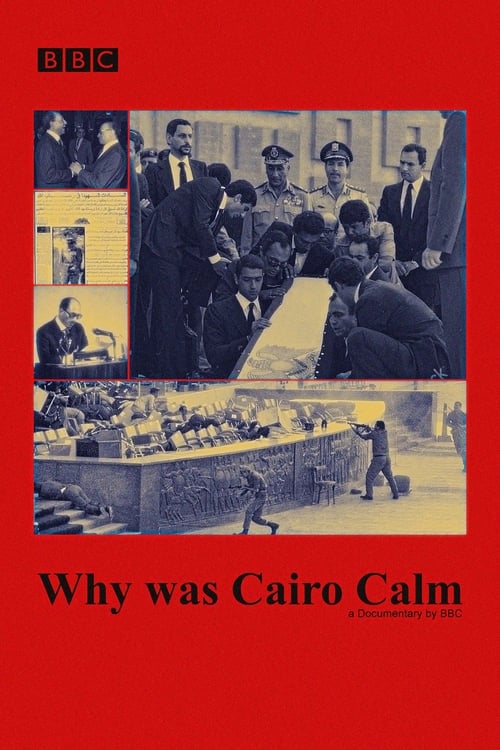
It begins in the days after Sadat's assassination in 1981 by an islamist cell of army officers. The American media had led an outpouring of shock and grief in the United States at the death of the heroic president. All the western leaders then travelled to Cairo to say goodbye to the man who had courageously changed the course of history. But then they found that practically no Egyptians turned up to the funeral. And the western politicians and the American TV reporters couldn't understand why. The documentary tries to find the answer.

Featuring new and exclusive interviews, Beatles' Biggest Secrets, reveals the inside story of the world's greatest pop group with explosive revelations about the extraordinary lives of Liverpool's favorite sons. From the band's formation and early exposure to the gritty world of sex, drugs and rock 'n' roll in the dingy strip clubs of Hamburg, Germany, the program then travels forward through the Beatles' careers with shocking surprises about their relationships with each other, their women and their inner circle. Filled with interviews from friends, relatives, colleagues and former girlfriends as well as rare film footage and original artwork by artist Klaus Voormann, this is the first fully rounded Beatles portrait to appear on DVD. This is the Beatles at their best -- and their worst!

Nazi propaganda film showing the development of the German navy's submarine fleet.
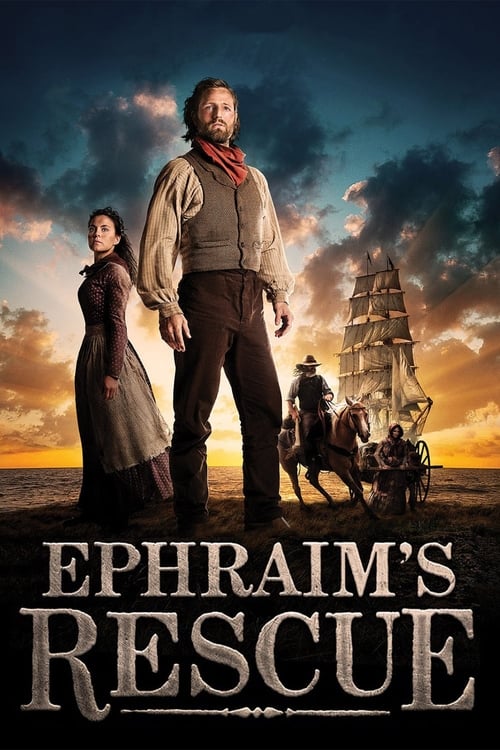
From T.C. Christensen, director of the sensational pioneer film, 17 Miracles, comes the heroic true story of a simple man who was called to do the work of angels. Ephraim’s Rescue relates the story of Ephraim Hanks: a rescuer of the Martin Handcart company. Follow Ephraim as his adventures lead him to join the LDS Church and ultimately to one of the most heroic rescues in American history. With a unique desire to help and strengthen others, Ephraim learns that each choice we make can prepare us for what lies ahead. He discovers, through it all, that decisions determine destiny.

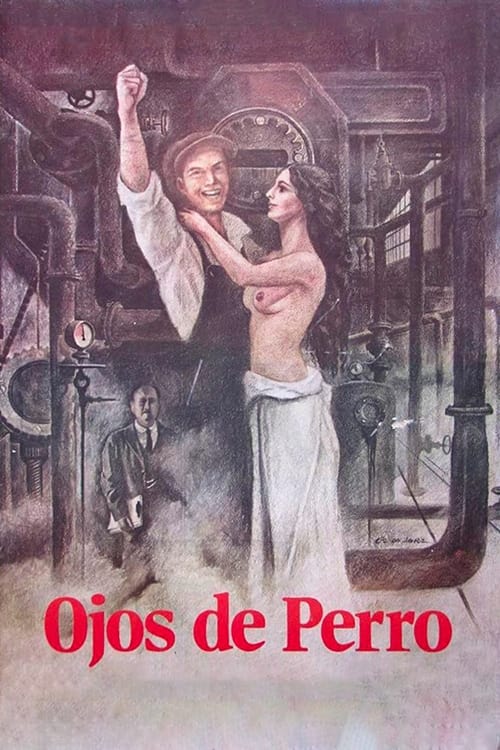
It presents the struggle of the first unionized workers, after a strike for the implantation of the eight-hour day and the union right, in the sugar valleys of Peru. It is the story of the first union in the city of Trujillo, organized in 1921.

The history of the Florida Everglades and the efforts to reclaim, control and preserve the vast area once viewed as a wasteland.