Protocol Archives • Browse all History titles in HD

At the end of the 1960s the post-war generation began to revolt against their parents. This was a generation disillusioned by anti-communist capitalism and a state apparatus in which they believed they saw fascist tendencies. This generation included journalist Ulrike Meinhof, lawyer Horst Mahler, filmmaker Holger Meins as well as students Gudrun Ensslin and Andreas Baader.

The romanced story of Xica da Silva, a slave that used her "feminine atributes" in order to get power.


Kakizaki Yuji’s period film is not like the jidaigeki films we are used to. While it deals with themes of seppuku, duty, and loyalty to one’s masters and the shogun, we see very little in terms of action. Instead, the film focuses on the inner thoughts and struggles of the protagonist—who is ordered to perform a ritual suicide—his wife, and their entire household, all leading up to the final moment.
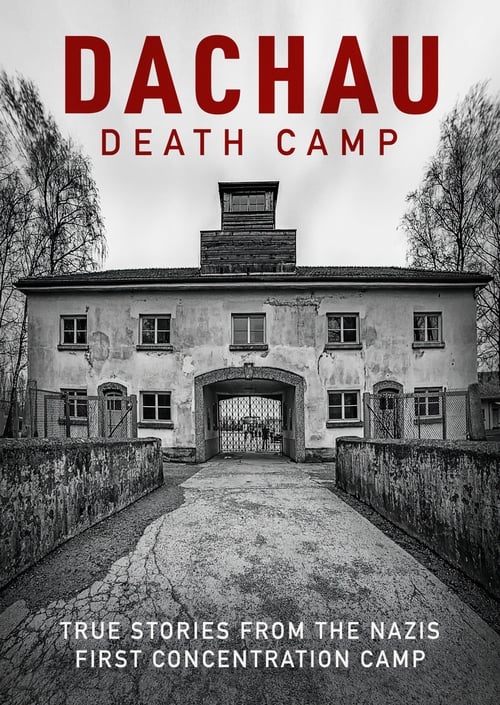
Interviews with those who were there and their family members. A Unique insight into the Nazi's first Concentration Camp.

A documentary that examines the films made by the victims of the Hollywood Blacklist and offers a radically different perspective on a key period in the history of American cinema.
The year is 1918. Toník returns home from the front. In Kladno, where he arrives, things are seething with discontent. The Social Democrats are in government, but nothing has changed. Socialization has not been implemented, there is hunger and food is still being skimped on. The first news about a socialist state arrives from Russia. On May 1st, the workers' Kladno manifests its loyalty to the ideals of the Great October Socialist Revolution. In December 1920, a general strike is declared in Kladno as well. The workers arm themselves, workers' councils take over the administration of the city and are also established in the surrounding villages. An armed uprising is being prepared. However, the right-wing leadership of the Social Democratic Party attacks the workers in the back. The army is sent to Kladno...
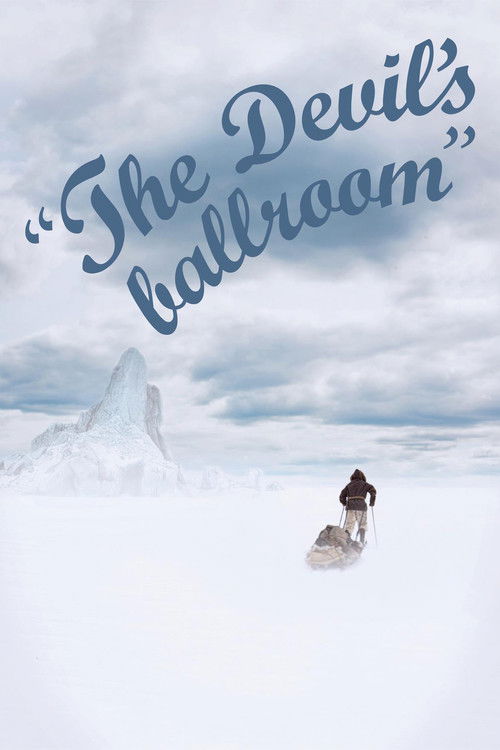
Along his strenuous journey to the North Pole, a chance encounter forces a fearless explorer to make an impossible decision. After burying his last remaining companion, a fearless explorer has to find his way to the North Pole alone, fighting snow-blindness and physical strain. An unexpected encounter forces him to decide between honor and fame in the history books or keeping the moral high ground—a choice which will haunt the rest of his life. Although taking place in the early 1910s, The Devil's Ballroom tells a timeless tale of greed, self-sacrifice, the blinding yearn for success and the sacred myth surrounding European explorers.

Ichitaro is a young man with weak health who has the power to see ghosts. Since the age of five, he has become friends with them, and works with them to solve mysterious incidents.
Dramatization of the life of legendary transgender cabaret and drag performer Marie-Pierre Pruvot, also known as Bambi.
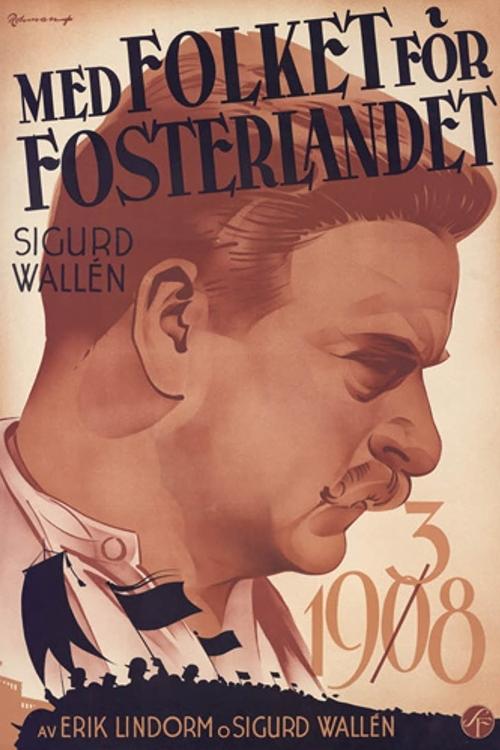
This film depicts every noteworthy event (in the eyes of the film-makers) in Sweden from the death of King Oscar II, in 1907, to the celebration of the 80th birthday of King Gustave V in Stockholm in June of 1938. This film is comprised largely of newsreel clips intermixed with the fictional story of the family lives of a working man and a well-to-do newspaper editor through two generations, with a special significance in the showing of the development of the social-democratic form of government in Sweden.
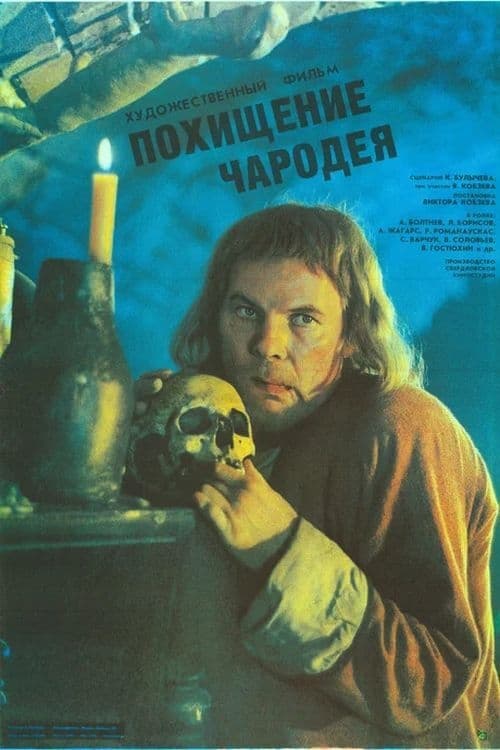
A young post-graduate from Minsk Anna Mazurkevich comes to her native village, where she hasnt been for 12 years, to stay in her grannys house. Here, in peace and quiet, she is intended to write a thesis. But suddenly two strangers come and claim that yesterday in Minsk the houses owner let out to them for two weeks, and to convince her they switch on TV-set, where Annas mother confirm their words and asks her to stay for a while with their neighbor ankle Gena. All this looks very strange because not very clear how they managed to organize live broadcast. Then absolutely inexplicable things start to happen. The strangers say that they have to go to the XVIII century to find a genius, living at that moment right here, and take him to the future.

The extraordinary story of Edward VIII's first love affair, involving a murder trial, a secret cache of vanished letters, and a cover-up to save the reputation of the future King.

Oniwaban is an organization that is composed of two ninja groups… Iga and Koga. This is a story of a secret spy who settled in Okazaki Joka town during the Seitoku period of General Ietsugu and his son who trained to be a Ninja.

During the Spanish occupation of Naples, the people led by Tommaso Aniello - known as "Masaniello" - plot against the Viceroy. The Viceroy's son, under another name, has a son from Masaniello's sister, but his father has already planned a marriage for him with a Spanish patrician against his wishes.

The chronicles of a day in the life of a nameless woman as she wanders around Singapore. Part documentary part video essay, 'Nightfall' is a fictionalized account of Suwichakornpong's time spent during a residency researching Thai politics in a foreign land.
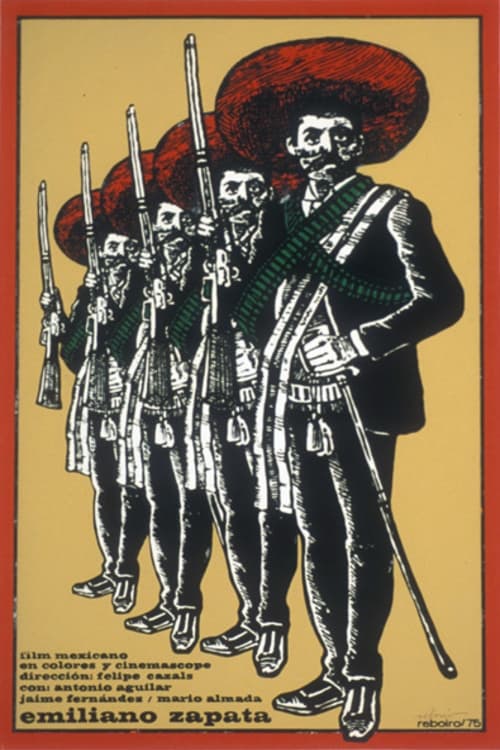
This is the story of a man, Emiliano Zapata, and of a revolution, the Mexican Revolution.

100 years after an iceberg defeated the 882-foot luxury liner on its maiden voyage, scientists and historians are still exploring the Titanic. Armed with modern camera technology, submersibles were sent down to the ship's final resting place with the hope of capturing HD 3D visuals of the wreckage, in order to support or even confirm theories about the damage that took the boat down. Now, History Channel has brought some of that footage home in this 45-minute TV special, presented in 3D so that future generations can see it for themselves.
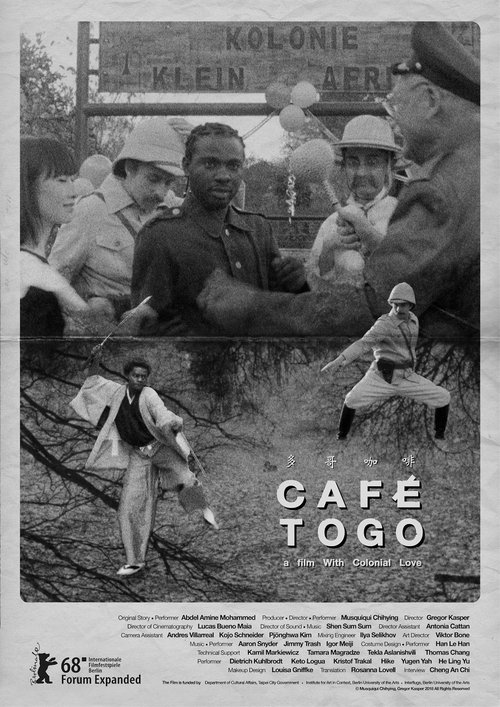
CAFÉ TOGO looks at the efforts to change street names with colonial connotations in the so-called Afrikanisches Viertel (African Quarter) in Berlin-Wedding. According to Berlin’s street law, every street named after a person honors that person. Petersallee, Lüderitzstraße, and Nachtigalplatz bear the names of persons whose biographies are tainted by the blood of the victims of German colonialism. According to the law, streets that do not correspond to today’s understanding of democracy and human rights should be renamed.