Protocol Archives • Browse all History titles in HD
After John Wilkes Booth assassinated President Abraham Lincoln, he escaped to Maryland and was discovered hiding in a barn. After he refused to surrender, the barn was set afire and Booth died in the blaze. However, in 1903 a Mr. David E. George, while on his deathbed in Enid, Oklahoma, claimed to be John Wilkes Booth. This MGM An Historical Mystery series short presents evidence of the possibility that Mr. George's claim was true.
The story of the irregular forces on the north of Argentina, fighting against the Spanish Crown for the independence.
Famed countertenor Andreas Scholl sings the title role of Roman emperor Julius Caesar in this memorable production of Georg Friederich Handel's "Giulio Cesare," staged at the Royal Danish Opera. Transporting the action from ancient times to the present day, director Francisco Negrin paints a passionate portrait of Caesar's storied romance with the Egyptian queen Cleopatra (played by soprano Inger Dam-Jensen).

Blues legend Eddie Taylor struggles against financial hardship and music industry exploitation to make a name for himself and provide a better life for his family.
Docu-historical in which the facts are presented in acted and narrative manner. The narrative part chronologically follows events from the fall of the Smederevo fortress to the execution of Karadjordje (1805-1817). The played part of the script relies both on history and traditional beliefs.
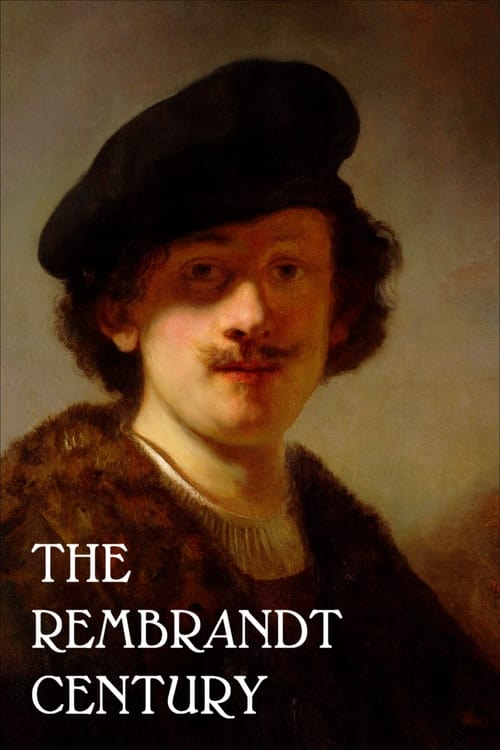
In the 17th century, the Netherlands experienced an unprecedented artistic explosion: painters such as Rembrandt, Vermeer and Hals were so prolific that they were able to make a living from their talent alone; so much so that, within a prosperous society, thanks to wealth from overseas colonies and financial speculation, collecting works of art became a status symbol.

The tale of a feudal swordsman who cynically takes no responsibility for anything, relegating it to others, and then taking the credit.
One hundred soldiers of the Ukrainian Insurgent Army, led by Michael Duda, fearlessly fighting against the Bolshevics and against the Nazis.
The film traces the 57 days after the assassination of his friend and fellow anti-Mafia judge Giovanni Falcone when Paolo Borsellino must come to terms with his own inescapable destiny.
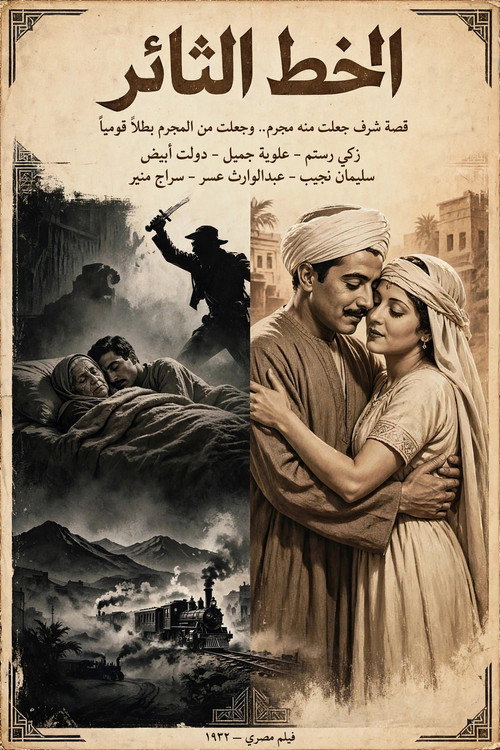
Tagline: A story of honor that made him a criminal.. and made the criminal a national hero. Khattab works in a quarry to marry Fouton, daughter of Sheikh Yassin. Every Thursday he returns to his village for his mother and fiancée. One day a collapse closes the quarry early, his return uncovers his mother's betrayal with a young man. He takes revenge but to protect her name, claims the man was a thief. The law sees only a murderer. In prison he meets Mansour El-Minyawi, saves him from murder, both are transferred for retrial when their lorry overturns in the mountains. They escape. Will Khattab stay a fugitive or become a legend? The secret of the dark mountains and the British train is why the occupation banned this film in 1932.

Titus and Berenice love each other; under the watchful eye of Antiochus, the hopeless lover, they try yet refuse to understand each other. Taking up the “majestic sadness” of these alexandrines, among the greatest verses in the French language, Michael Jarrell amplifies the power of words, making them a vehicle for spaces and identities that, from Rome to Jerusalem, are unceasingly questioned.

A meditation on youth, war and stunning bravery, featuring footage, taken from the National Archives, from the documentary filmed in 1943 by legendary Hollywood director William Wyler about the famous Memphis Belle flying fortress and the gripping narration from some of the last surviving B-17 pilots.
This Passing Parade entry tells the story of Dr. Joseph Goldberger (1874-1929), a Hungarian immigrant who devoted his life to finding the cause of pellagra, a disease that killed hundreds of thousands in the southern United States. Although the medical community believed that the condition was caused by a virus, Goldberger proved that a healthy diet was the cure.
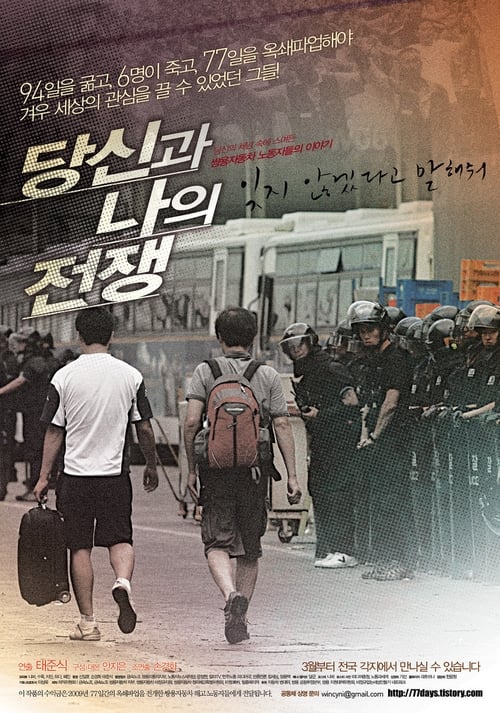
With the unexpected dismissal of 2045 workers, the strike by Ssangyong employees has received the most public support and attention since the IMF. It was an intense period inside and outside the factory.

On a December night in 1943, three Jewish children escape from Nazi-occupied France and are given refuge by Sister Gabrielle at a Catholic school in which the Gentile students must face their fears about harboring Jews from the Nazis. As the students become acquainted with their Jewish peers, they grow more sympathetic to their situation and eventually go to great lengths -- and take serious risks -- to save the lives of their newfound friends.

When Henry, a British soldier runs away from the battlefield, he finds an injured German soldier begging for mercy. He must decide to kill him or help him, unaware of the major consequences these actions will have in the future.

In the midst of the Seven Years' War, a company of hardened soldiers force their young bagpipe player into battle, only to discover that their enemy is not what they expected.

Follows the final days of the shogunate and Shinsengumi's Vice-Comander Hijikata Toshizo along with his fellow anti-imperialist group.
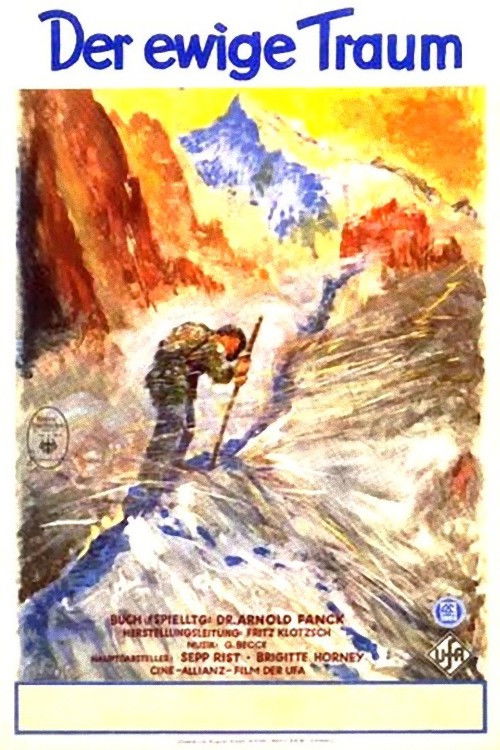
At the end of the 18th century, the wealthy French scholar Saussure comes to a small Alpine village and offers 1,000 pieces of gold to anyone who can lead him to the summit of Mont Blanc. The young farmer's son Jacques Balmat wants to take on the dangerous task, even though his father has told him from an early age about the mighty mountain spirits who guard a legendary treasure of gold on the mountain peak.