Protocol Archives • Browse all History titles in HD
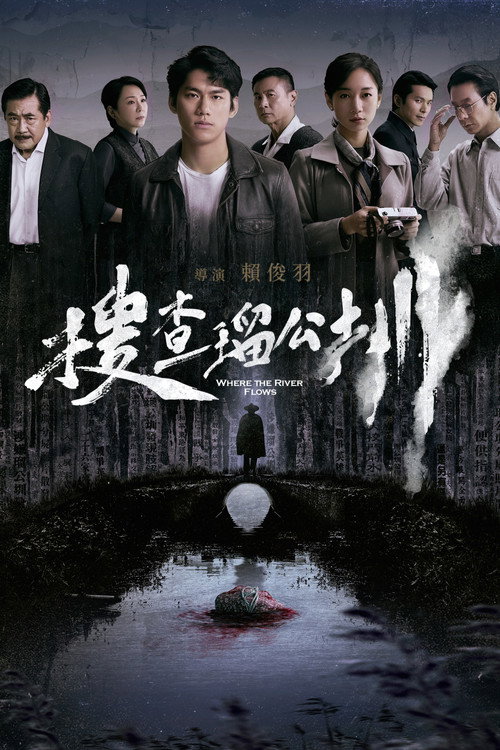
A rebellious detective, distancing himself from his general father, teams up with a marginalized journalist to clear his father’s name after he’s framed for a brutal murder. As they investigate, they uncover a brutal truth hidden behind the era’s facade.
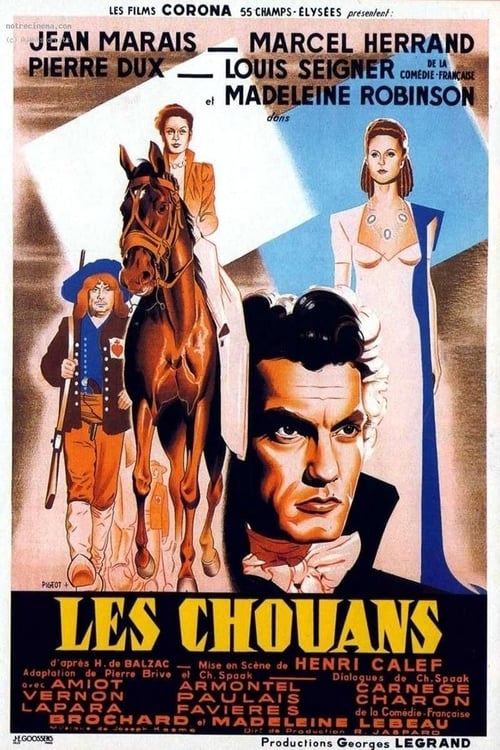
The Marquis de Montauran was appointed to command the Chouans whose first two revolts were crushed. An aristocrat, Marie-Nathalie de Verneuil, is sent by Joseph Fouché to seduce and capture him.
A documentary on the tragedy of the sinking of the Lusitania, and how it led indirectly to the United States entering World War I.
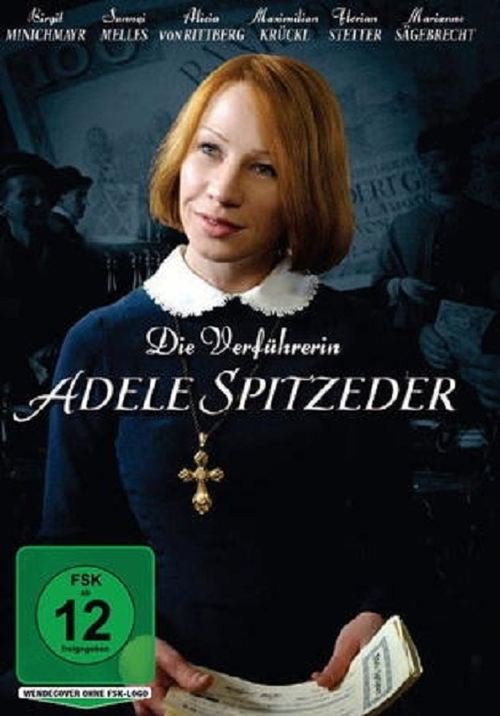
Adele Spitzeder, an actress of medium talent, finds the role of her life as a dazzling financial genius, but in truth the operator of a gigantic pyramid scheme. With a brilliant appearance and empty promises, she serves the hopes and greed of her fellow human beings with virtuosity. With the help of a never-ending stream of money, she buys her way out of situations that would have landed others in prison long ago. Her enemies are just waiting for the pyramid to collapse and bury Adele - and countless small investors with her.
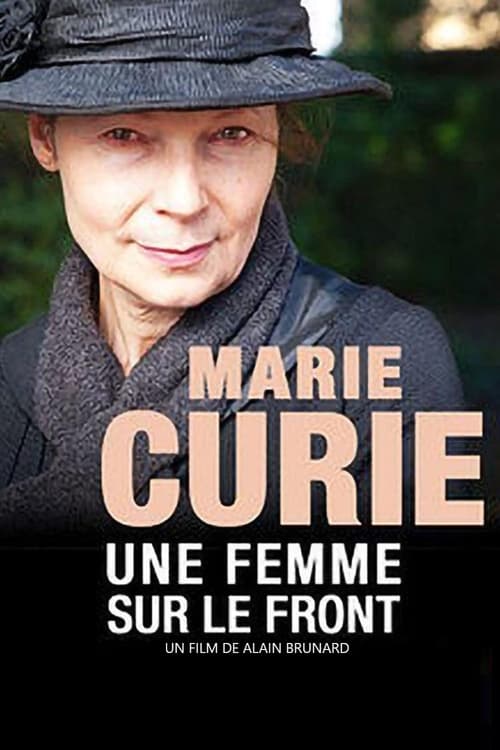
A chronicle of Nobel Prize winning physicist Maria Skłodowska-Curie's little known yet invaluable contribution to wounded soldiers' treatment during World War I, and her professional partnership with radiotherapy pioneer Claudius Regaud.
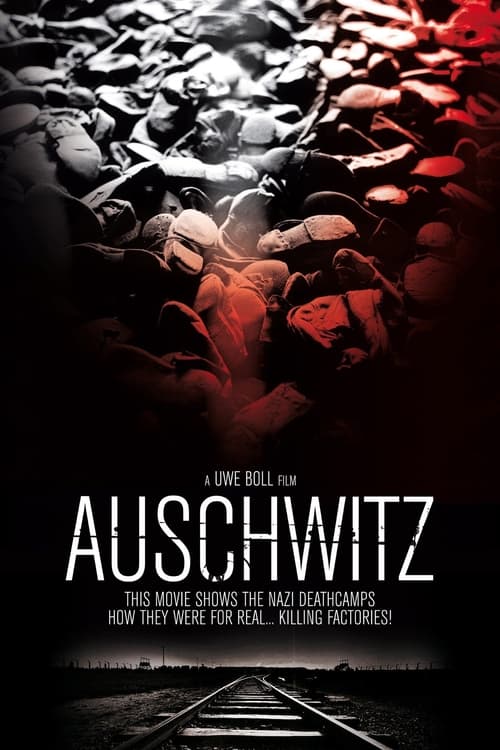
Auschwitz is a hard-hitting war film which shows life as it really was at the death camp.
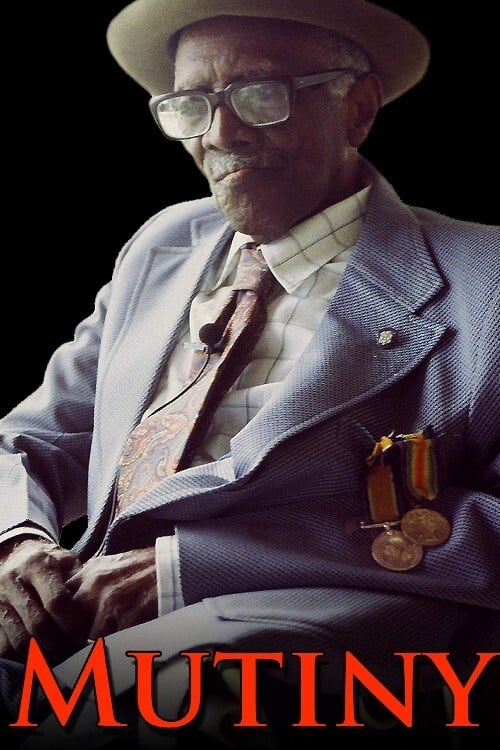
A story of WWI soldiers and the Black struggle for pride and freedom. Eye witness testimonies of surviving veterans, official documents and archive photos reveal the incredible story of the British West Indies Regiment.
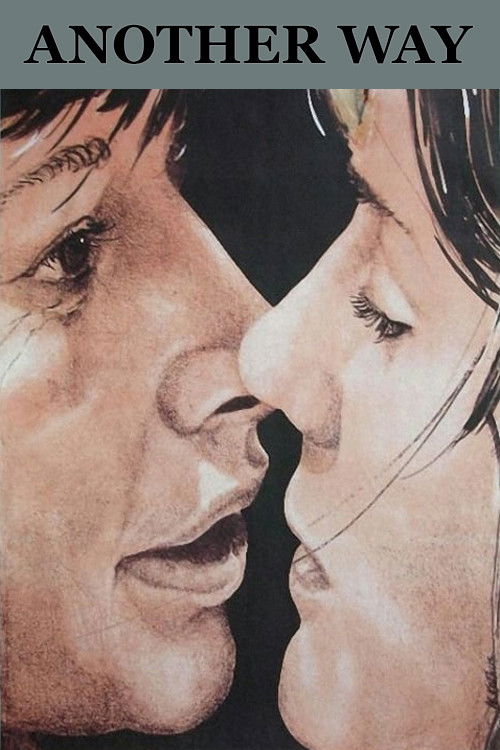
Political and sexual repression in Hungary, just after the revolution of 1956. Passionate and determined, Eva gets a job as a journalist. There, she meets Livia and is attracted to her. Livia feels much the same, but as a married woman, has doubts and hesitations. In their work, they (and Eva in particular) bang up against the limits of telling political truths; in private, they confront the limits of living out sexual and emotional truth.
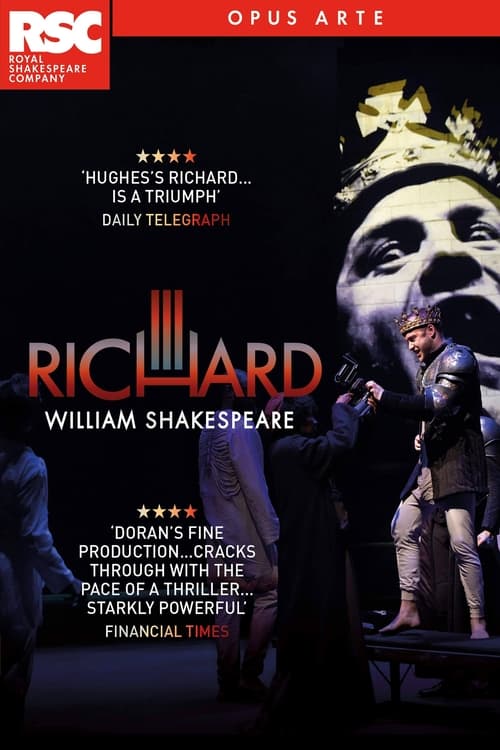
Young Richard of Gloucester uses the chaos of the Wars of the Roses to begin his unscrupulous climb to power in this classic Shakespearean history of a king in the throes of jealousy and murder. Despite being manifestly unfit to govern, he overcomes each obstacle in his way to seize the crown, as King Richard III. But as those around him turn against him, and as his plans begin to unravel, where else can he turn as the Lancastrian opposition returns to drag the country into battle once more and put an end to Richard’s tyrannical rule. Richard III is a savagely comic analysis of the exercise of power, reminding us of the dangers of tyranny and our duty not to let it go unchecked.
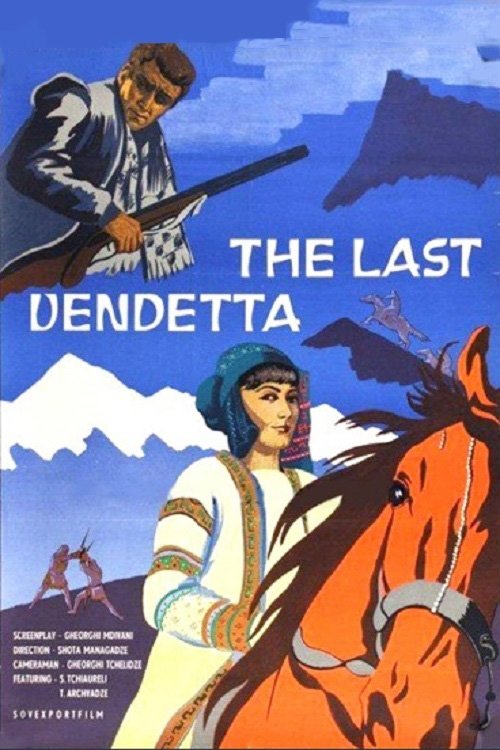
When Imeda’s father is killed in a blood revenge accident, the family moves him to the city where he is sheltered at his father’s friend. After fifteen year he gets back to Khevsureti. A talented painter, he spends most of his time doing sketches of nature and people. There he meets a local beauty, Mzekala and fells in love with her but finds out that Torghva is also in love with her. Enraged by Imeda’s impudence Torghva calls him for a sword fight and is killed by Imeda. To avoid another round of blood revenge, the villagers let Imeda and Mzekala out of the village but someone who wants Imeda’s blood finds it out and follows them.
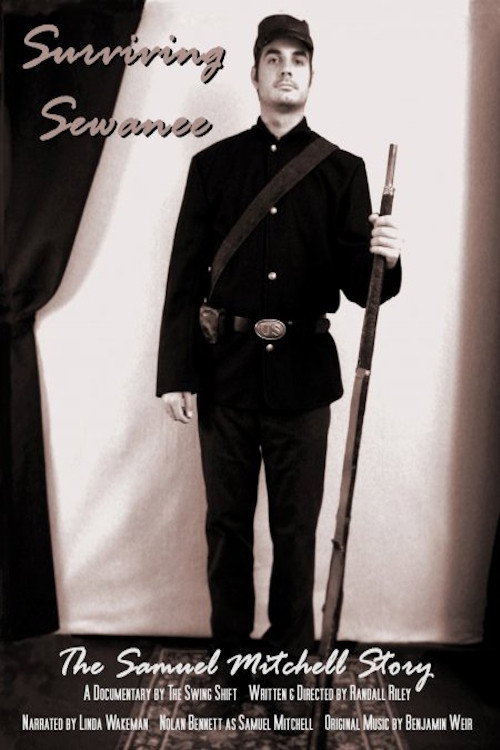
The film explores Civil War veteran Samuel Mitchell's life and survival of a horrific accidental explosion at Sewanee, Tennessee in August, 1863.

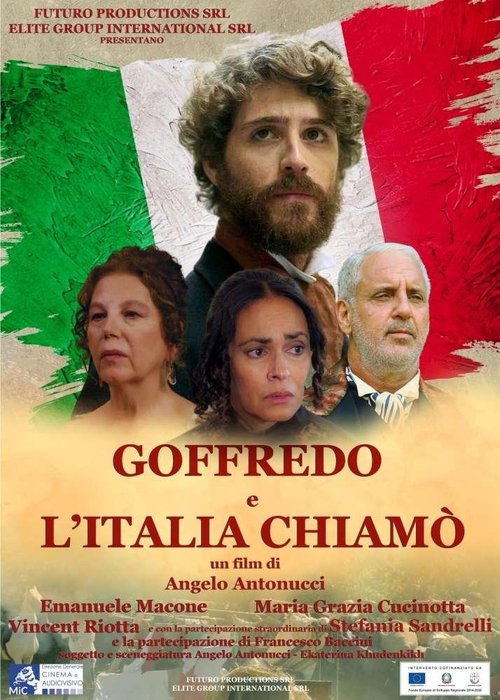
The film tells the life of the young Genoese poet and patriot Goffredo Mameli, who died in battle in Rome at the age of 21, in 1849. In addition to being one of the main exponents of the Risorgimento.
From Colorado, where he has chosen to live, Fouad Mennana begins to trace his late grandfather - Amara Mennana - an Algerian farmer expropriated from his land and deported to the prisons of French Guiana in 1926.

Reading Gaol, England, 1896. Prisoner C33, starving and thin, unable to wash properly, is a brilliant writer, husband and father of two, once the most beloved artist in Victorian London. His real name is Oscar Wilde.
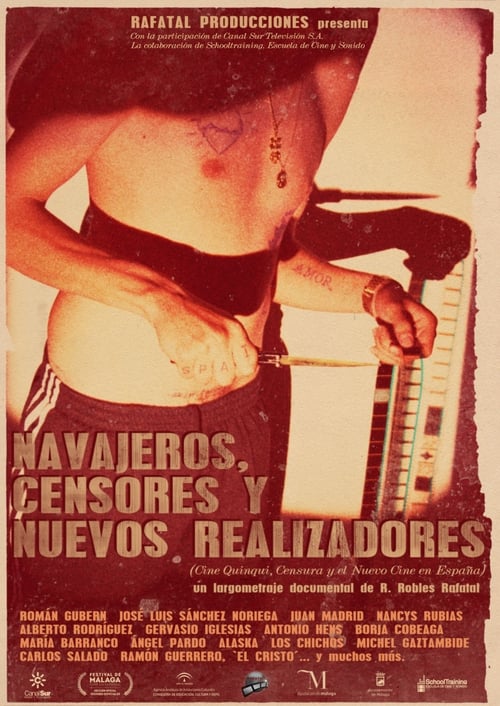
Spain. 1978. Year of the first democratic elections following the dictatorship, and of the birth cine quinqui (delinquent movies): films that rapidly became a big commercial success, showing things that were banned by the censorship not too long before.
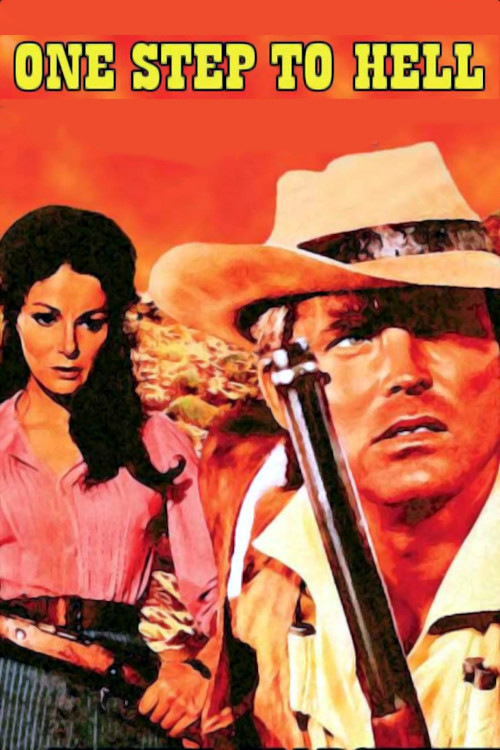
A British colonial policeman in Africa, circa 1900, pursues a band of escaped killers across territory so wild, it lies just "one step to hell."
The true story of William and Ellen Craft, who escaped enslavement in Georgia by disguising themselves as a white slave owner and his slave.
The movie appears to be based on the story of Sher Singh Raana ‘bringing back’ the ashes of Rajput ruler Prithviraj Chauhan from Afghanistan.
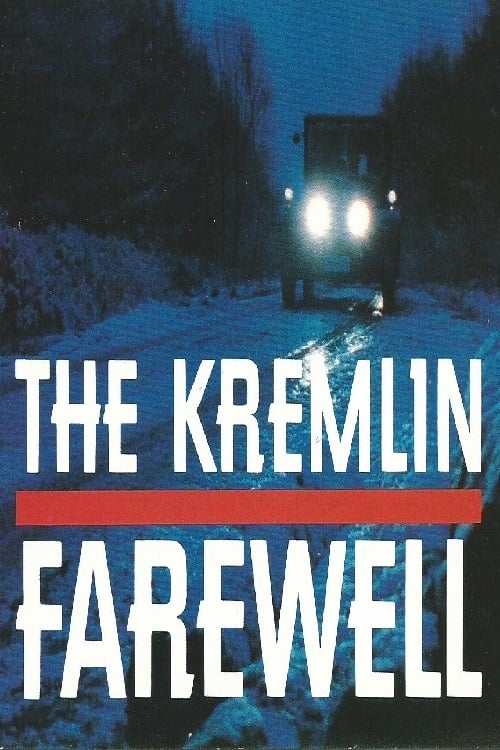
A drama of intrigue and betrayal in Stalin's Russia. Stepan grows up in an orphanage, learning to love Stalin as 'a father to all children'. He retains disturbing memories of the disappearance of his real father and, when a strange message is delivered to him, he's determined to find out the truth.