Protocol Archives • Browse all History titles in HD

A four-part documentary series entitled "The Architects." The story is told chronologically and right from the mouths of the greats. Learn how these young gifted pioneers constructed an industry that so many people enjoy now. Featuring Full-Length Videos from: Run DMC, Rob Base & DJ E-Z Rock, Queen Latifah, De La Soul, Special Ed, Dana Dane, and Crash Crew.
Sitting at his desk, Guitry gives us a lecture on French history from Joan of Arc to the Occupation, with some focus on a number of its great writers and musicians.
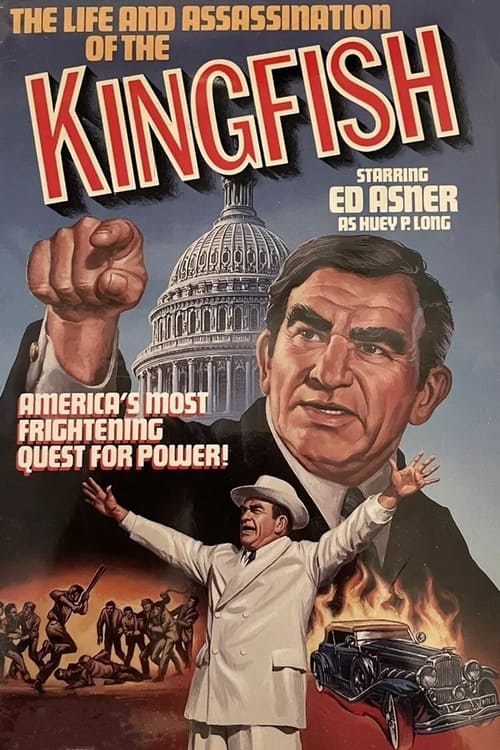
A dramatization of the events leading up to the 1935 assassination of Huey Long, the flamboyant and controversial governor of Louisiana.

A winemaker overcomes the ignorance and illiteracy of his era to become a Torah commentator who defends the right to spiritual choice and freedom in the 11th century.
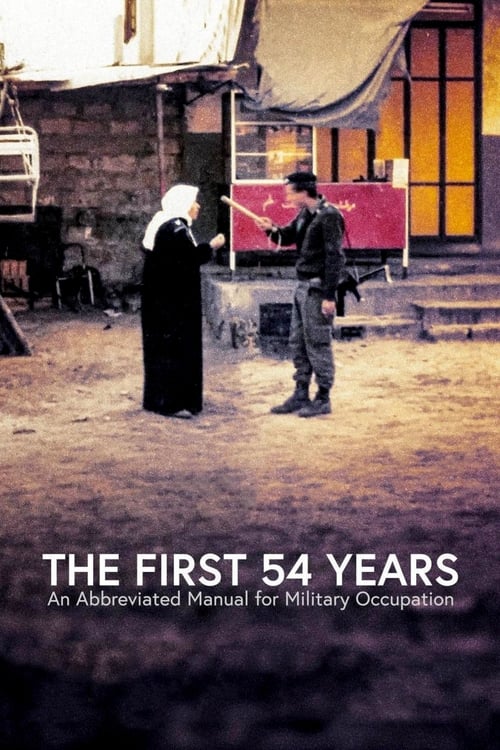
An exhaustive explanation of how the military occupation of an invaded territory occurs and its consequences, using as a paradigmatic example the recent history of Israel and the Palestinian territories, the West Bank and the Gaza Strip, from 1967, when the Six-Day War took place, to the present day; an account by filmmaker Avi Mograbi enriched by the testimonies of Israeli army veterans.

Between pandemics, people’s revolts and male institutions, this period film cheekily combines fantastic psychedelia and handmade sets. Inspired by the life story of Julian of Norwich, a 14th-century mystic and the first woman to write a book in English.
In December 1926, at the height of her fame, Agatha Christie became front-page news when she vanished in bizarre circumstances from her home. In a case of life imitating art, this whodunnit explores the investigation behind her disappearance, strangely resembling an Agatha Christie novel itself where everyone in her life became a suspect.

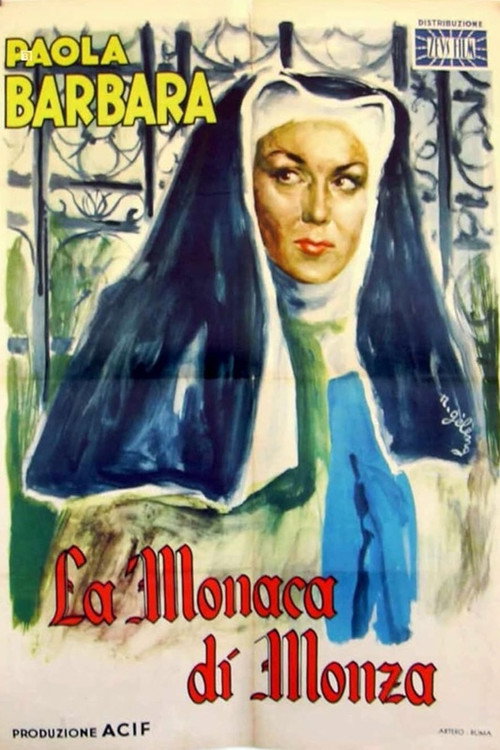
The life of Saint Benedict, the founder of Western Monasticism.
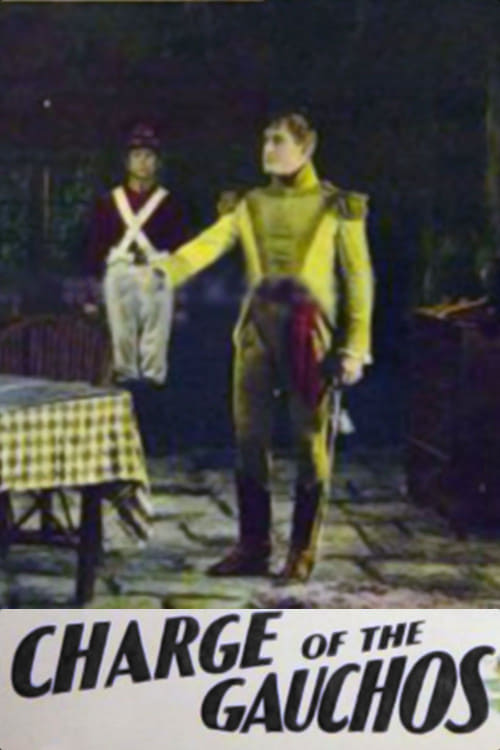
A complete version of the film is held by Cineteca Del Friuli.
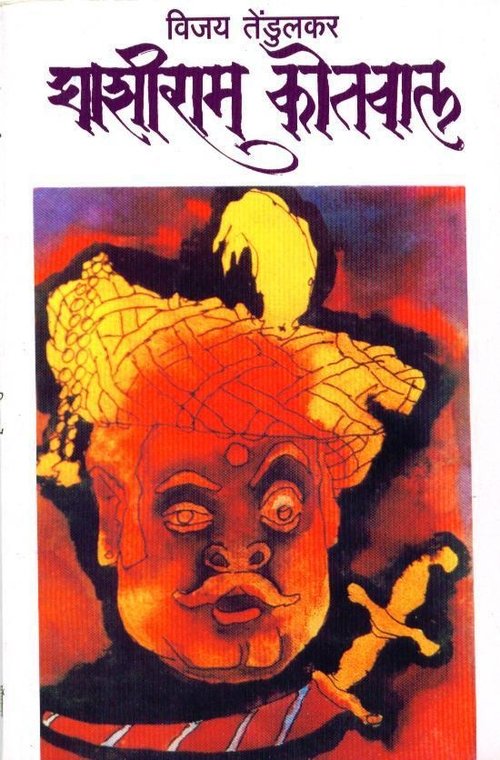
A stylized version of Vijay Tendulkar’s radical Marathi play chronicling the Peshwa regime in western India, a collective effort of direction and cinematography made by an independent group of young filmmakers.
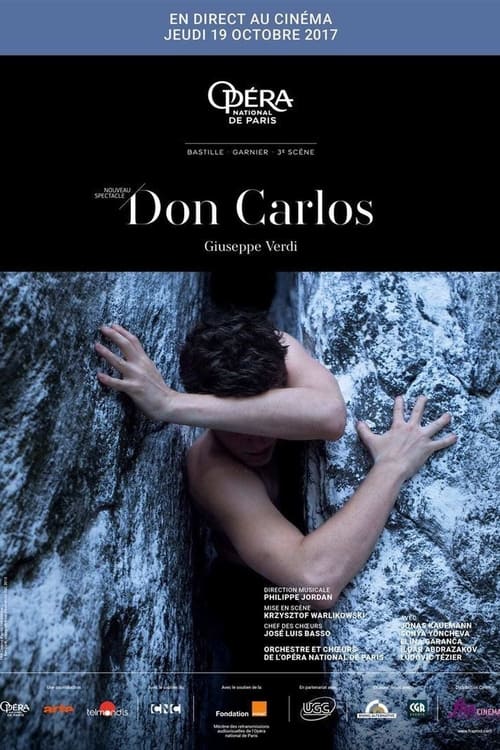
Set in 16th-century France and Spain, Don Carlos tells of the political and amorous rivalry between King Philip II and his son, Don Carlos, over Elisabeth de Valois. Krzysztof Warlikowski strips down a tragedy haunted by ghosts, and places the intimate at the heart of an imaginary fresco truer than history itself. Along with Philippe Jordan, he reveals to the public the very first version of this great five-act opera: the version modified by Verdi himself for the work’s first performance in 1867.
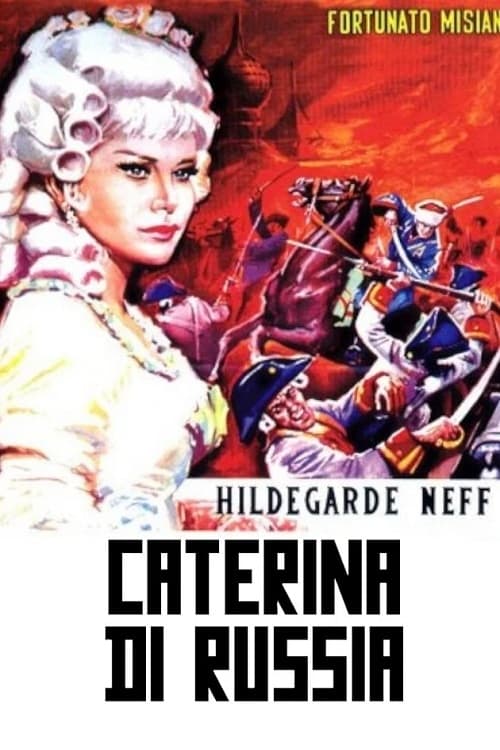
Caterina finds out that her husband Peter Tzar of Russia, is plotting to kill her. She sets Count Orlov free from prison, Peter's sworn enemy, becomes empress of Russia and leads the Cossacks army against him.
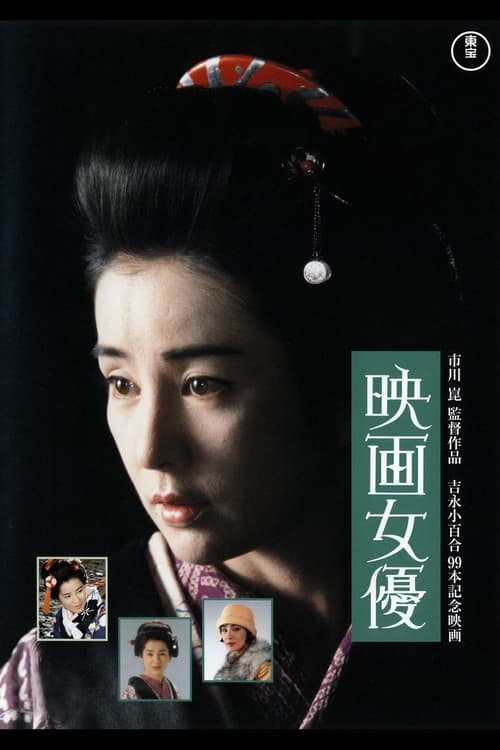
Story of famed Japanese actress Kinuyo Tanaka, with an emphasis on her working relationship with director Kenji Mizoguchi.
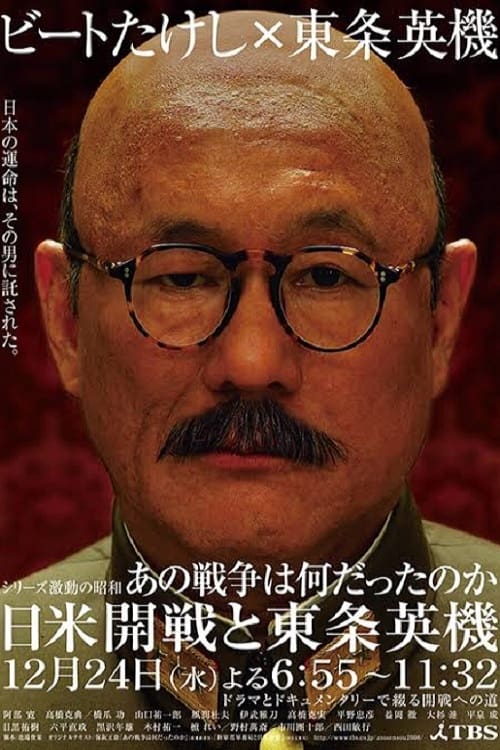
The drama stars Beat Takeshi as General Hideki Tojo, who served as Prime Minister of Japan during World War II and was later executed as a war criminal. The story's theme is said to be a look at how the Pacific War began, focusing mostly on the three month period between the Imperial Conference (Gozen Kaigi) on September 6, 1941, and the attack on Pearl Harbor on December 7, 1941.
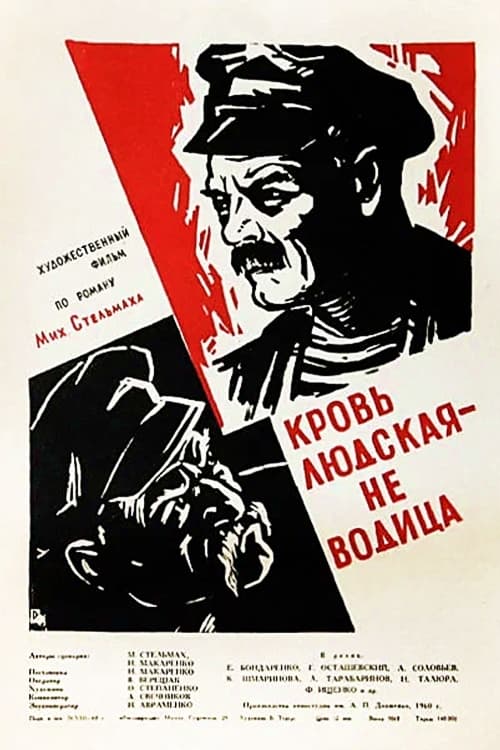
The main character Danilo was one of Petlyura’s military commanders. But 1920 began, the struggle against the Soviet power ended, it was the time for the former irreconcilable fighters to return to their peaceful occupations. The only thing is that a former Petlyura’s fighter is not sure, that he is awaited in his own home or at least they understand for what he shed his blood.
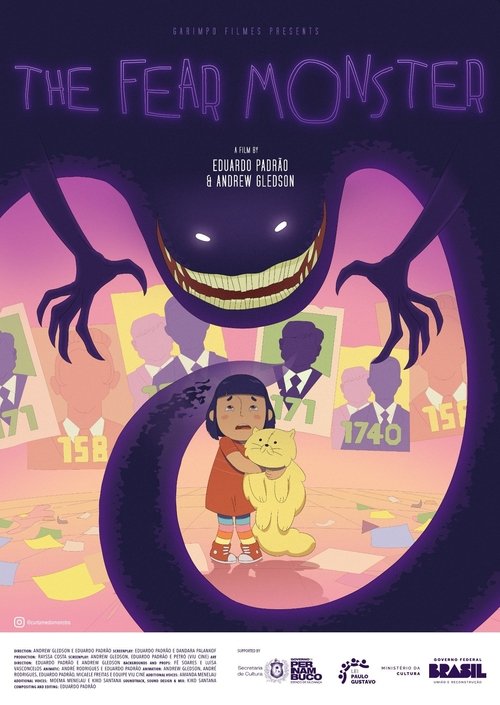
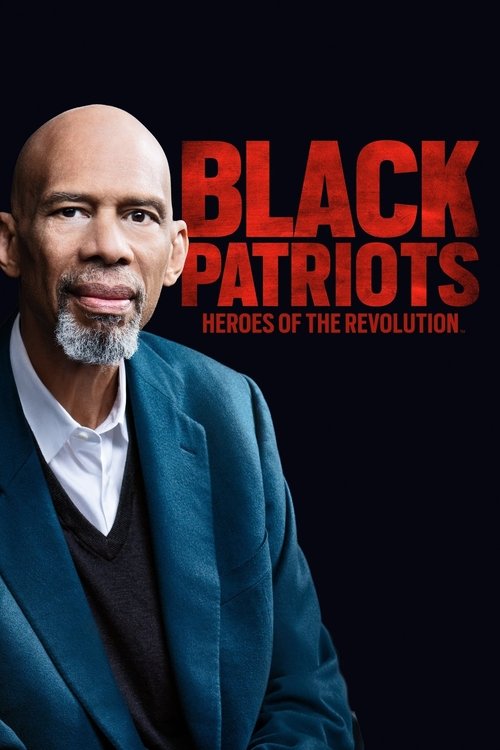
A documentary chronicling the role of Black heroism in America's Revolutionary War.
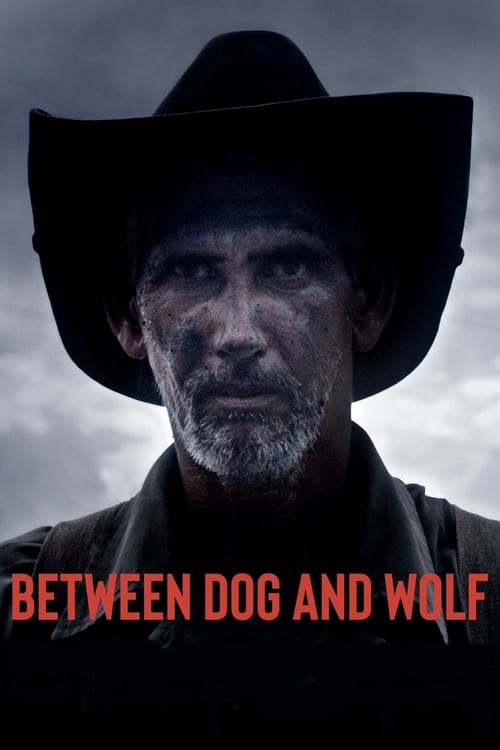
Three soldiers moving through the Cuban jungle: combat exercises and camouflage techniques are practised, but the battle never arrives. The nature of their mission becomes an ever-greater mystery, echoing unanswered in the impassive natural surroundings.
During Timor's brutal occupation by Indonesia thousands of children were stolen, as were many of the country's resources. This is 'Jose' Abdul Rahman's story. In 1978 Jose, eight at the time, was hiding on Mount Matebian when a plane dropped a bomb, killing 22 of his family. He survived, fled the mountain and started following an Indonesian Battalion. The soldiers forced Jose, and many other boys, to work as porters. In 1979 the soldiers took the children by ship to Indonesia.