Protocol Archives • Browse all History titles in HD
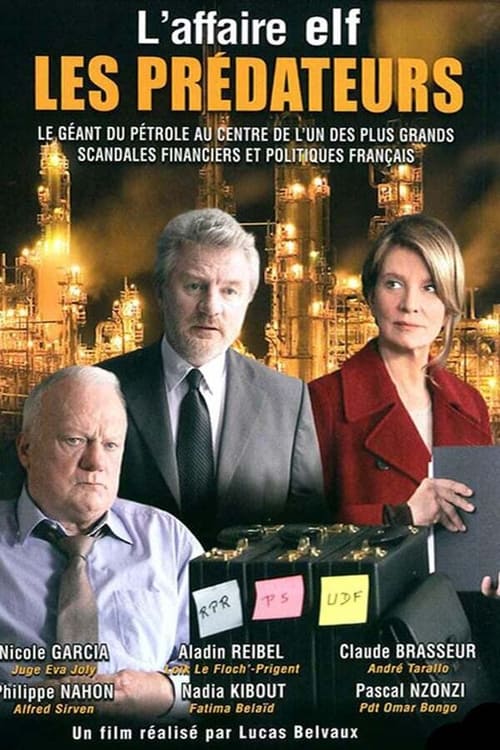
In 1988, after much cunning political maneuvering, Loïk Le Floch-Prigent and Alfred Sirven become the chief executives at Elf. They discover a company that runs on kickbacks: in exchange for the oil rights, Elf makes handsome but discreet payoffs to the leaders of African nations. With the tacit complicity of President Mitterrand, and with eventual political and personal interests in mind, the new management takes charge of the slush fund. Within months, Sirven, Le Floch-Prigent and his wife Fatima Belaïd fill their pockets with more than they could ever have imagined.

In a tiny town in an unnamed Latin American country in the 1930s, a young telegraph operator helps link the small, repressed community to the outside world, against the will of the powerful colonel who rules the village like a dictator.
The Last Tango takes place hours before Violeta's performance with Carlos Gardel; replaced by her friend Lucecita, she locks up her ex-partner Julio to disguise herself as him and be able to dance with Lucecita in front of the singer.

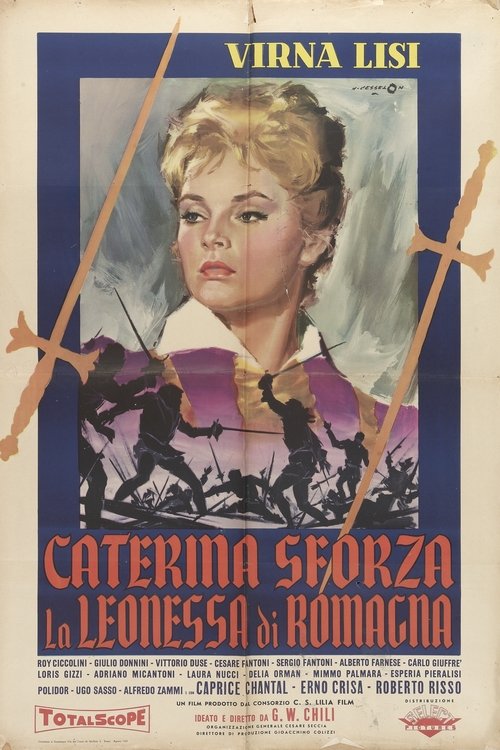
Giovanni Medici, the future leader of the Black Bands, has a last meeting in a convent with his dying mother Caterina Sforza, listening to the re-enactment of her life.
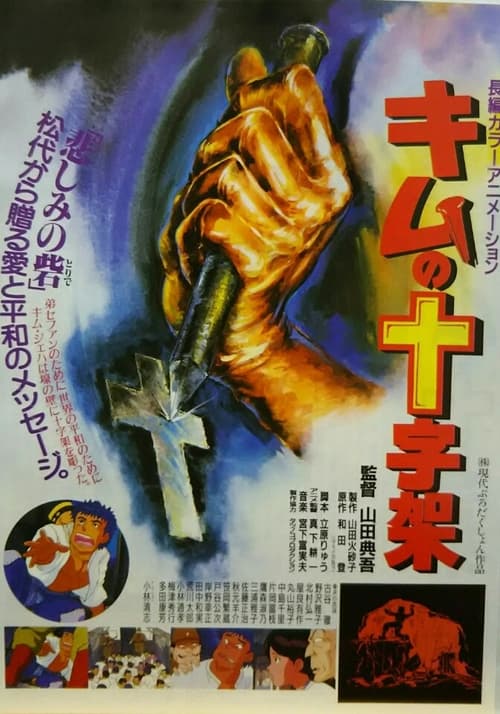
Jae-ha, who was living with his brother Sae-fang in the Japanese-occupied Korea during World War II, was taken to the mainland Japan and forced to work on the construction of Matsushiro Imperial Headquarters until the end of the war.
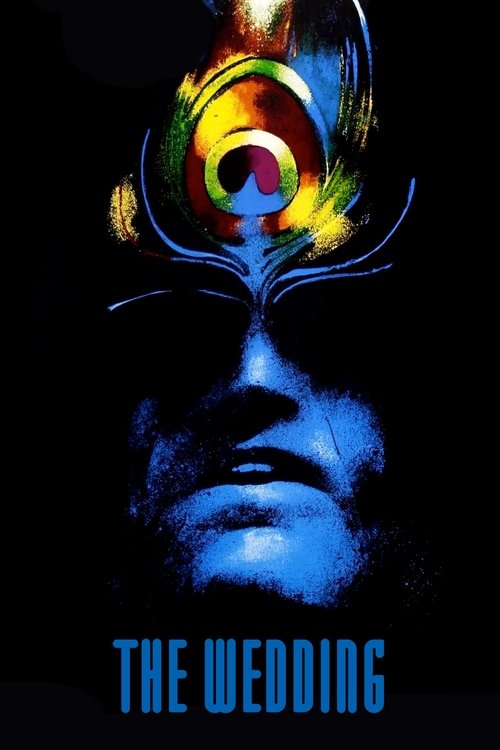
Set at the turn of the century, the story concerns a Polish poet living in Cracow who has decided to marry a peasant girl. The wedding is attended by a heterogenous group of people from all strata of Polish society, who dance, get drunk and lament Poland's 100-year-long division under Russia, Prussia, and Austria. The bridegroom, a painter friend, and a journalist each in turn is confronted with spectres of Polish past.
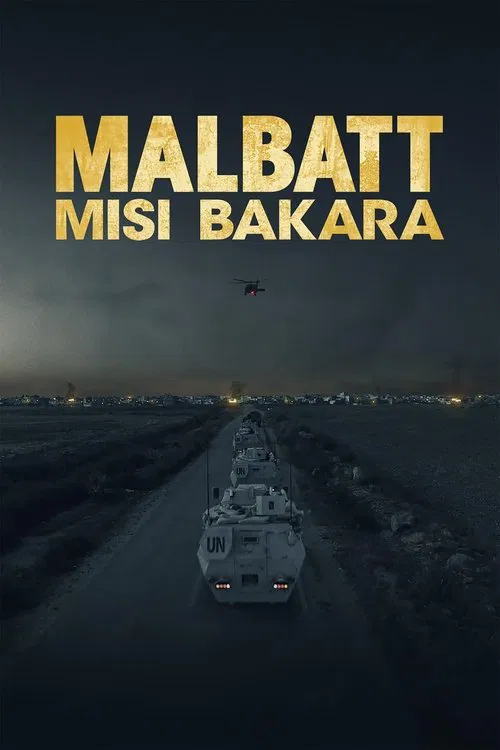
In 1993, 19 soldiers from the Royal Malay Soldier Regiment (RAMD), the most senior regiment within the Malaysian army, are sent on a dangerous mission to save 70 US Rangers trapped in the Bakara Market in Somalia during the civil war.
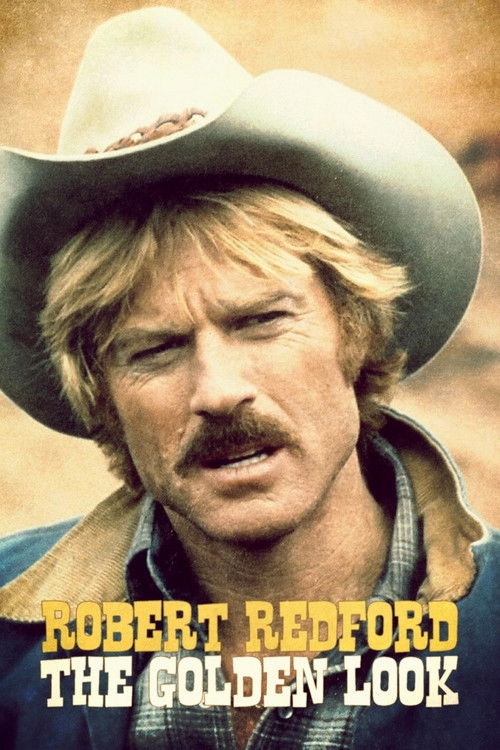
More than anyone in the cynical film industry, legendary artist Robert Redford embodies the United States' brightest side: perseverance, independence, idealism, and integrity. A champion of active environmentalism and the right to openly criticize any institutional abuse, he has put his artistic work at the service of his political commitments, whether as an actor, director, producer, or founder of the Sundance Festival, a formidable forum for his struggles since 1985.
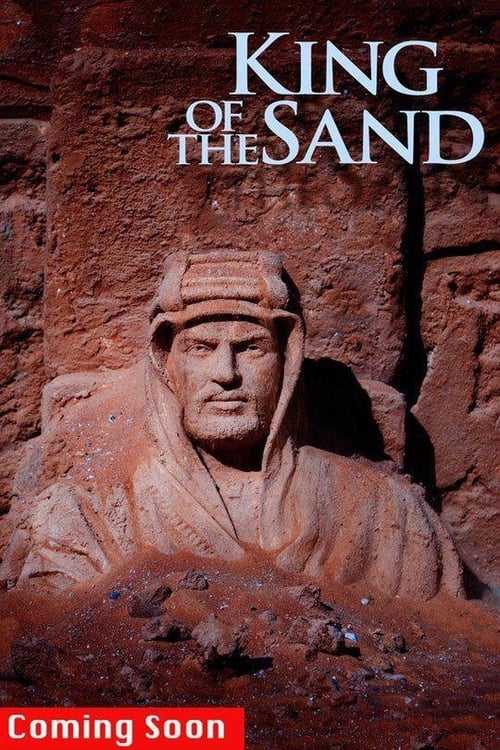
A daring, compelling and controversial take on the life of prince Abdulaziz Al Saud (Ibn Saud), founder of Kingdom of Saudi Arabia.
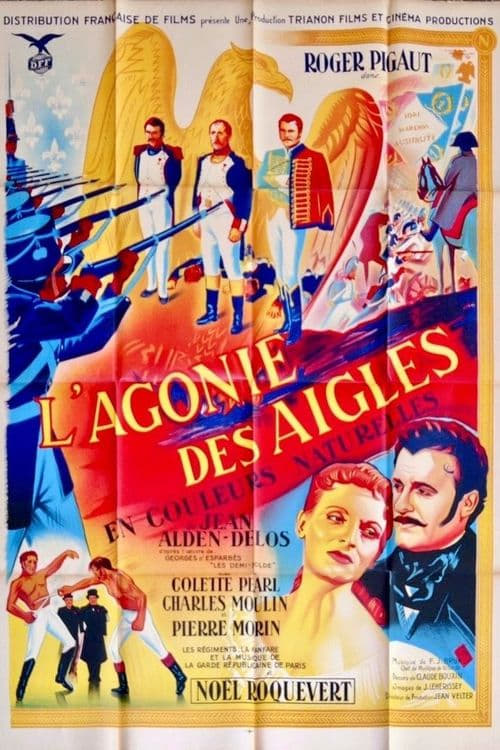
A woman avenging the death of her lover thwarts a conspiracy plotted by a group of former compatriots of Napoleon.
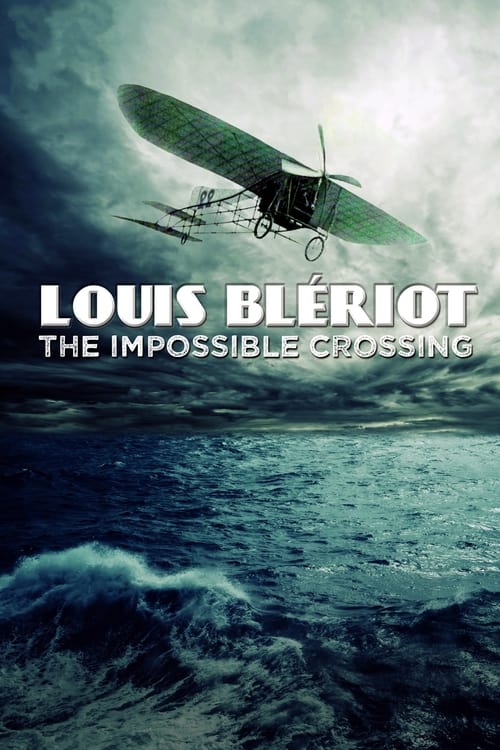
A look back at an incredible challenge that combines human adventure and historic exploit. In 1909, Louis Blériot made the first flight across the English Channel, propelling aviation into the modern era. 110 years on, a team of enthusiasts attempt a mad-cap gamble, to fly a replica Blériot XI.
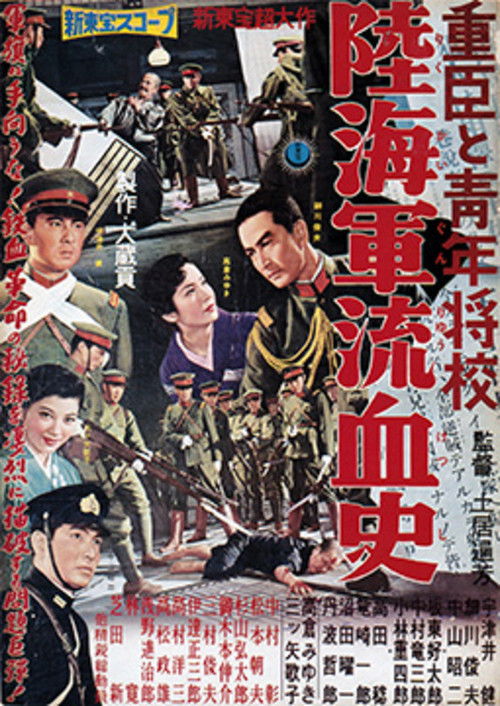
A historical film that portrays the fervent and violent actions of young Army and Navy officers, such as the February 26 and May 15 incidents, in a semi-documentary style.
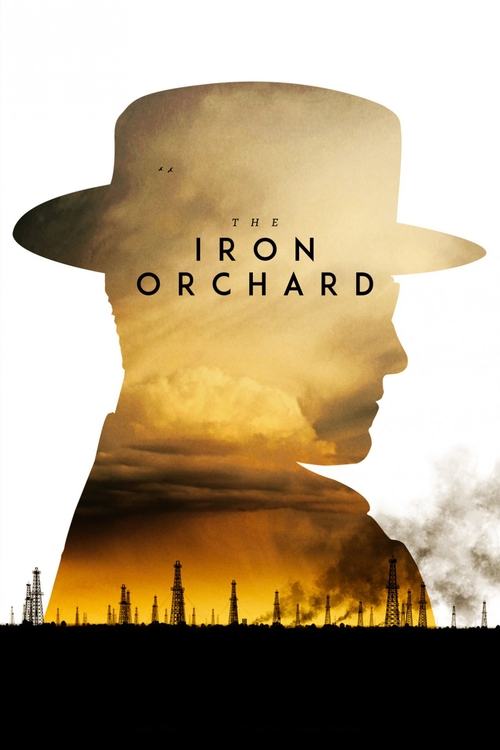
Jim McNeely thrust into the vibrant and brutal West Texas oilfields in 1939 and works his way through the ranks to ultimately become a formidable wildcatter.
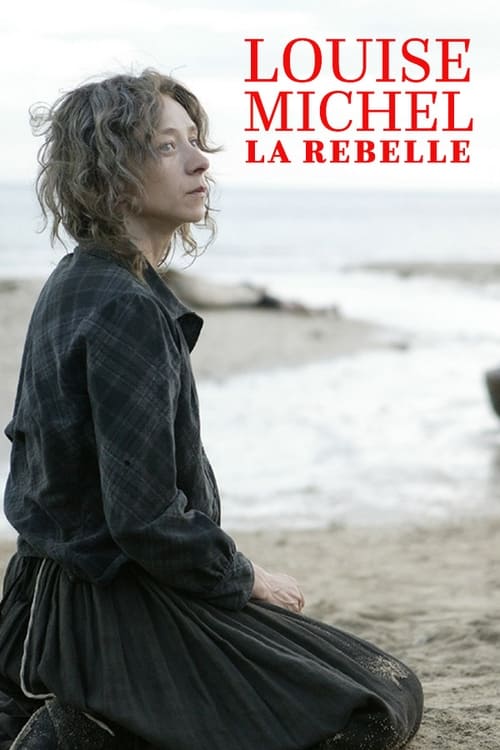
A fiercely active Communard, Louise Michel is condemned for taking arms against Bismarck. Along with thousands of other revolutionaries, she is deported to New Caledonia, whilst, back in Paris, a young parliamentarian Georges Clemenceau campaigns for a truce with the Communards. During her exile, Louise Michel becomes a teacher and wins the admiration of the other deportees, inspiring them to rise up against the colonial order…
A Rock-Opera unlike any other film ever made, depicting the stages of Judas Iscariot's decision to sell Jesus Christ to the Romans.
First of the Man And the State series, dramatizing the character of Socrates in the context of his 339 B.C. trial, posing questions about if the state has the right to silence individuals.
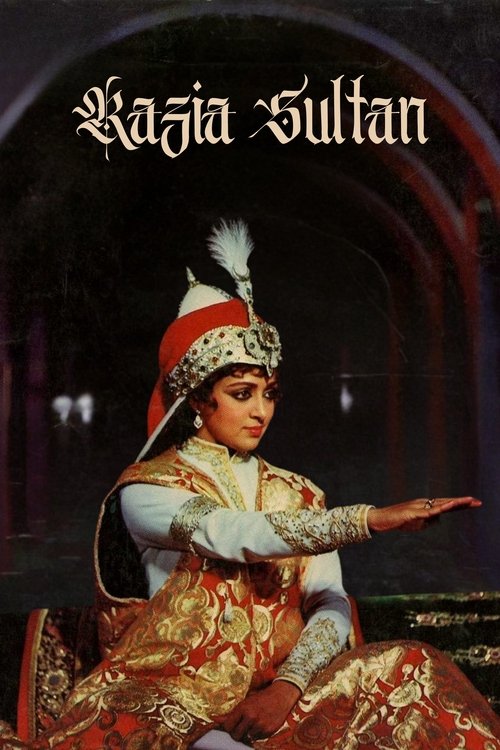
The film is based on the life of Razia Sultan (1205–1240), the only female Sultan of Delhi (1236–1240) and her speculated love affair with the Abyssinian slave, Jamal-ud-Din Yakut.
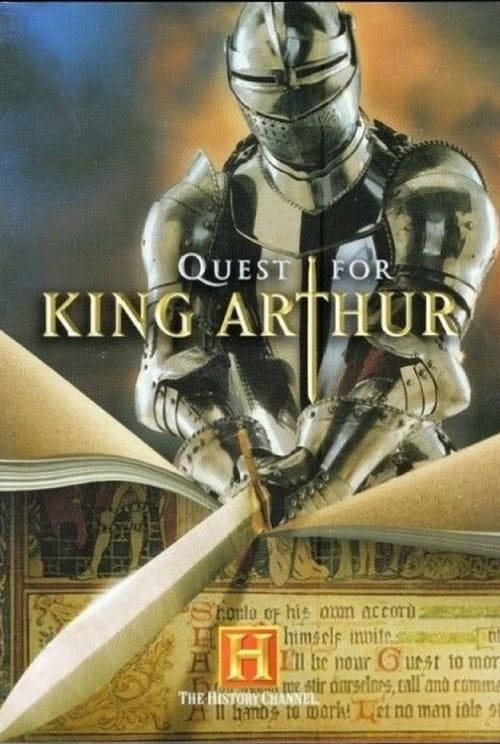
Patrick Stewart narrates the investigation into the true origin of Britain's King Arthur and his fabled heroes, and whether or not Camelot exists in some forgotten corner of England.
Set during the war between Dutch/Allied troops and the people of Cibening Cakung in 1945, the story begins when a young man captures 22 Indian soldiers and four British crew members who land on Rawa Gatel. Based on real events, the factual protagonists are KH Noer Ali, leader of Laskar Hizbullah, who is also an ulama (religious leader) who founded the Islamic boarding school; Luke Kustaryo from the Indonesian People's Army; Bang Jole, a local fighter; and Hussein Kamali, an intellectual. Among the fictional characters are H Komar and his wife, who are executed by the Dutch, in front of their children. Then there are also Mahfud and Hafid, members of Hizbullah, who are opponents but who reconcile when they are about to die.