Protocol Archives • Browse all History titles in HD
Docu-drama about political and military conflict during the Russian Civil War in 1918, from an orthodox pro-Communist viewpoint.

In honor of educator Paulo Freire , the Ministry of Education (MEC), through the Department of Distance Education (Seed), launches the documentary "Paulo Freire contemporaneous", by Toni Venturi. According to the director, the video takes up the origins of the first experiences of literacy and popular education developed by Paulo Freire and shows how his thinking and pedagogy are still present today. This is not just a memory movie. The documentary shows situations in which the Freirean teaching model is used today. People are unaware of actions that drank from that fountain. The film updates Paulo Freire and shows how he took root in many segments of society

A compilation of the most important and iconic segments to televise on screens from the 1920s all the way to the 2000s.
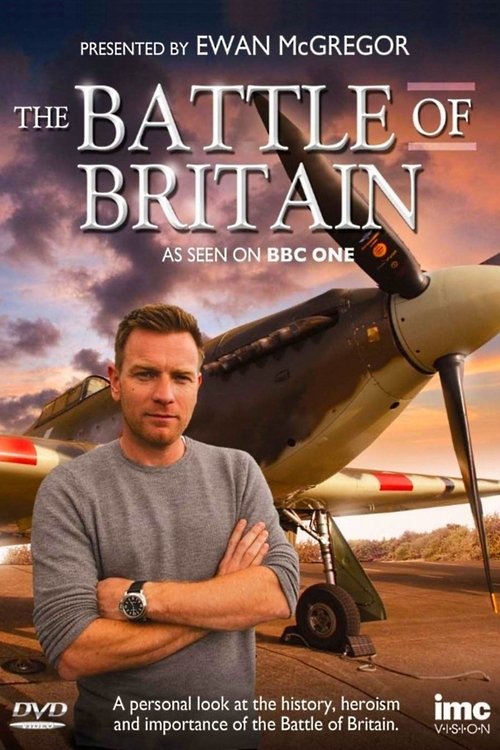
Seventy years on, brothers Colin and Ewan McGregor take viewers through the key moments of the Battle of Britain, when 'the few' of the RAF faced the might of the Nazi Luftwaffe. As they fly historic planes, meet the veterans, explore the tactics and technology, Colin and Ewan discover the importance of the Battle and the surviving legacy of the 1940's campaign for the modern RAF.
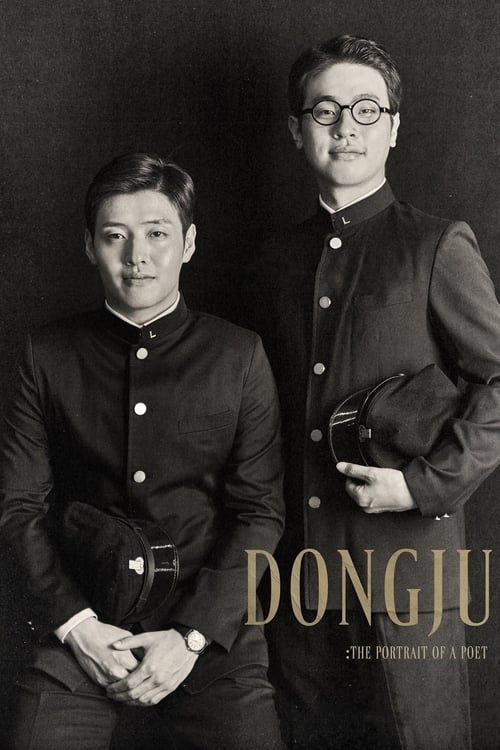
Based on a true story, renowned Korean poet, Yun Dong-ju, is detained and abused by the Japanese for participating in the Korean Independence Movement.
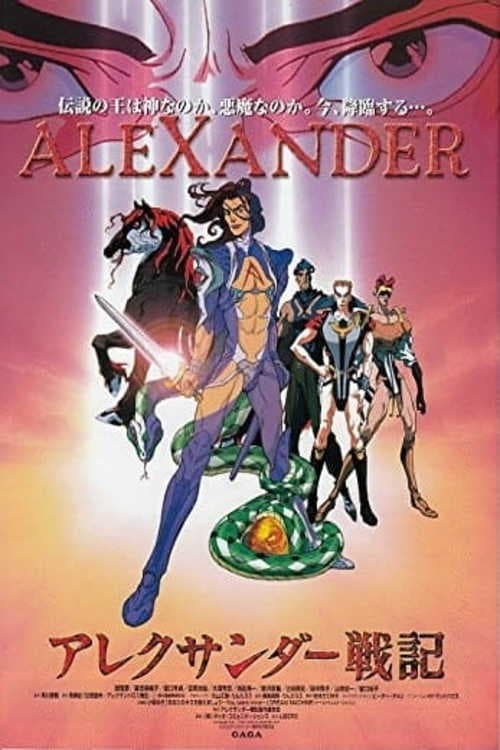
Prince Alexander, son of King Philip, and heir to the Macedonian empire, must fend off political saboteurs, assassins, and the jealousy of his own father to ascend to the position of king. Once there, he begins his quest to conquer all nations and become known as the Great King, though an ancient prophecy foretells that he will be the destroyer of the world and forever remembered as the Devil King.
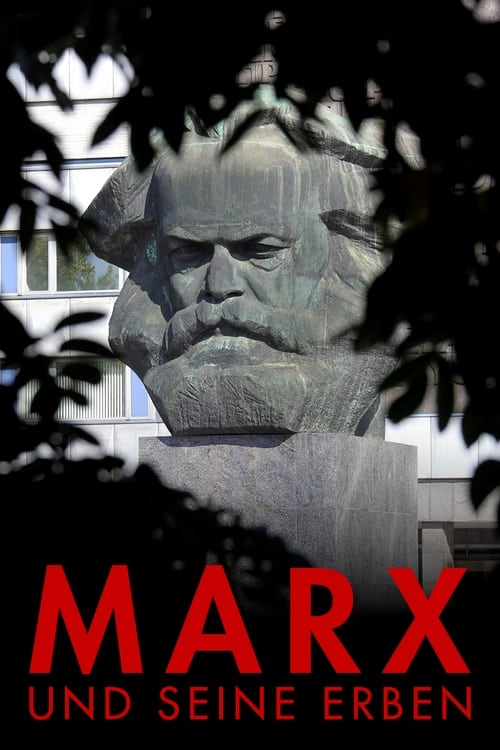
Over the past hundred years, dramatic social upheavals have taken place in the name of Karl Marx's theories. In Western Europe, the student movement of 1968 and the Eurocommunists were inspired. And in recent times, the thinker has experienced a renaissance.
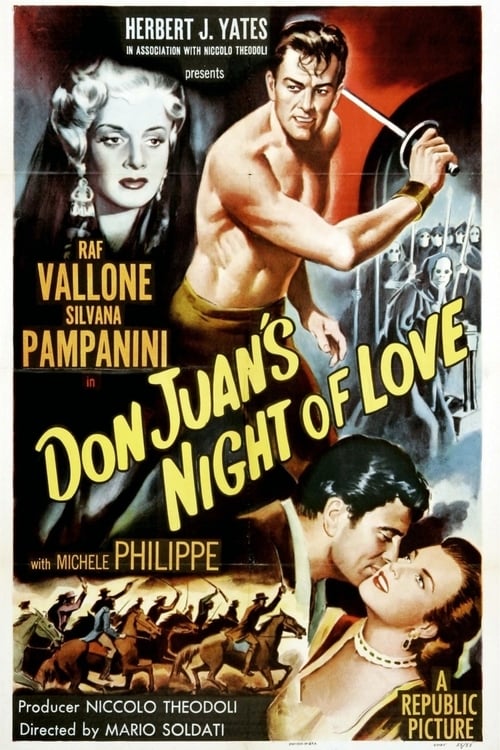
Mandrin, the French army deserter, becomes the leader of a gang of smugglers in Piedmont. He is loved by the beautiful innkeeper Rosetta but draws attention to the Marquise de Montbricourt, favorite of the king, who comes from Versailles just to see him. She will saved his life and allow him to marry Rosetta.
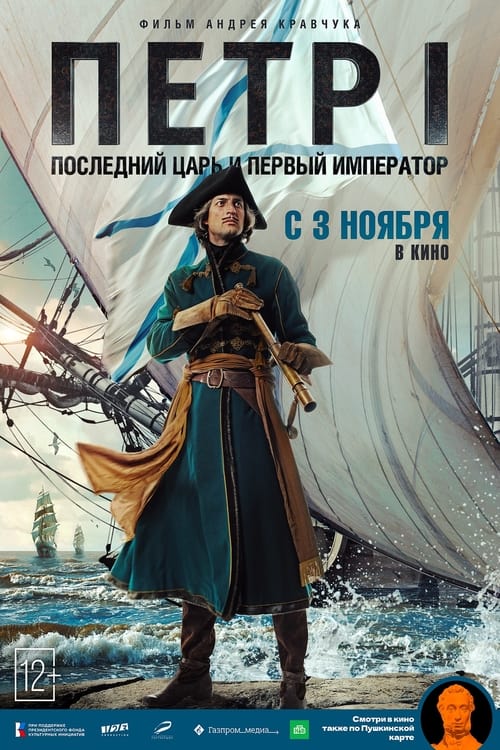
The figure of Emperor Peter the Great, as well as the era of his formation and reign, still excites the minds of people all over the world. The creators answer the questions of how to take the throne when you are the fourteenth child in the family; how to win access to the sea when there is no professional army and navy in the country; how to bring a country that no one considered before into world leaders in a few decades, and many others.
This educational documentary describes the political, social, and religious conditions of sixteenth century Europe. It also Interprets the reforms of Martin Luther as a part and/of these conditions as indications of future trends.
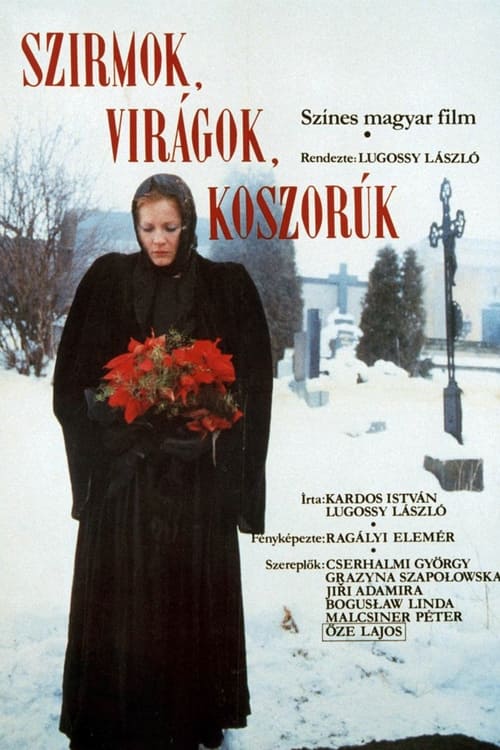
The seeming hopelessness of combatting an all-powerful government that will not tolerate political dissension is the focus of this excellent historical drama set in the mid-19th century in Hungary. In the opening scenes, Hungary has just lost its bid for independence from Austria and a Magyar officer, unable to bear the tragedy of defeat and what it means, says an affectionate good-bye to his beloved horse and then shoots the animal and himself. Two years later, Ferenc (Gyorgy Cserhalmi) is trying to eke out a living for his wife and her family -- and at the same time avoid any hint of sympathy for Hungarian independence because the Secret Police are everywhere. Just as life seems to be going well, Ferenc's former commanding officer (Lajos Oze) arrives and begins discussing revolution again -- a futile pursuit at this point in time. The next day, Ferenc is thrown into an insane asylum and everyone else is arrested as well.
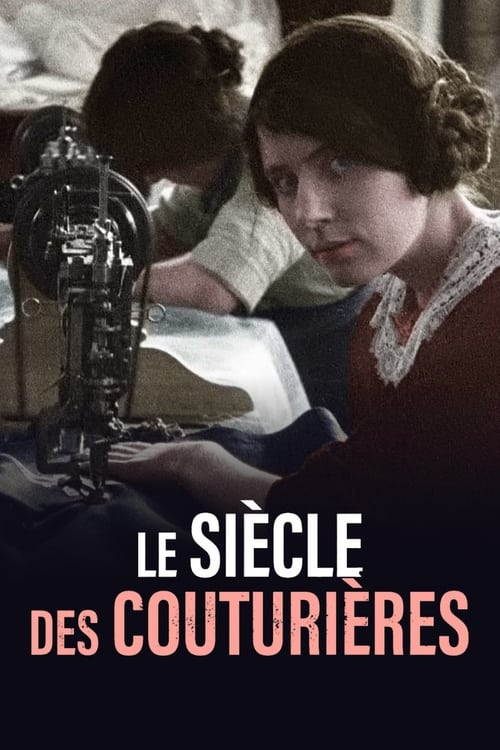

How’s the Big Everything? Garba asks Nicole. For them, the “Big Everything” encompasses family, politics, History, daily life, the stars, small things, and time passing like the wind. By delving into their memories, at the time of Niger’s independence, we come face to face with the complexity of the present.
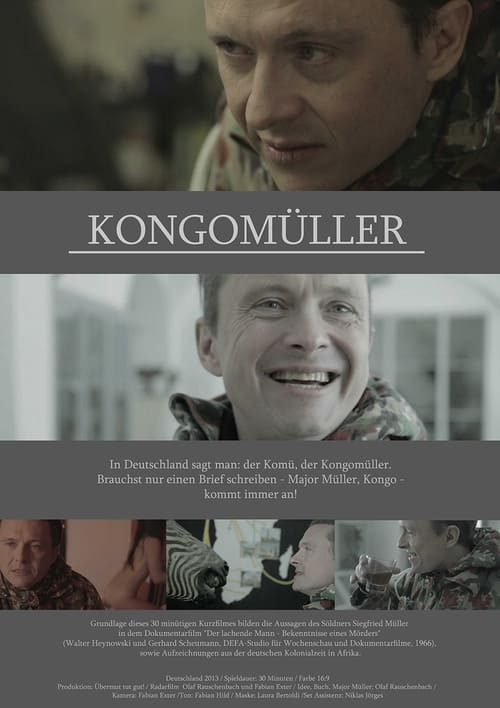
After numerous military operations, Major Müller can't find a way back into civilian life. Following his urge to communicate, the Major is looking for listeners and encouragement. He doesn't find either. Instead, the repeated monological memory of his own heroic deeds determines his present – with all the consequences. This 30-minute short film is based on the statements made by the mercenary Siegfried Müller in the documentary “The Laughing Man” (Walter Heynowski and Gerhard Scheumann, DEFA studio for newsreels and documentaries, 1966), as well as records from the German colonial period in Africa. An intensive contribution to the necessary public debate about the consequences of military operations.
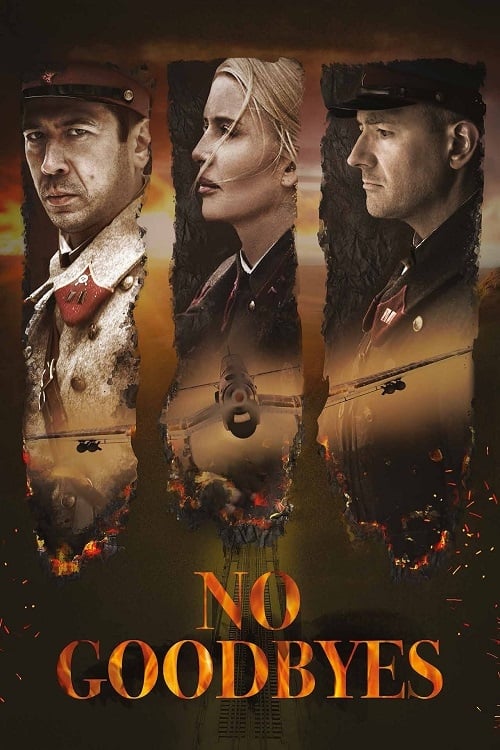
October 1941. Thousands of fascists troops are advancing on Kalinin to capture the city and therefore open a direct route to Moscow. There are two thousand people able to defend the city and they are without tanks or artillery. The only hope of holding the enemy off is in the fifth infantry division convoy, who are about to pass through Kalinin station. But saboteurs intend to do everything to keep this from happening. The head of the Kalinin garrison, Major Sysoyev, struggles to keep order and calm in the city, and himself falls under suspicion of involvement with the subversive enemy group.
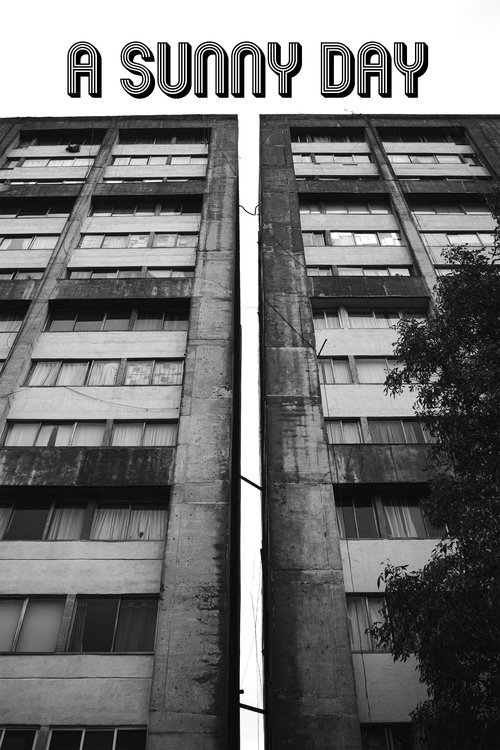
Set in 1968, two students, Marcos and Esperanza, debate whether or not they should attend the protest taking place at the Plaza de las Tres Culturas in Tlatelolco. Despite the warnings, for them, this is a fight for freedom and against oppression.
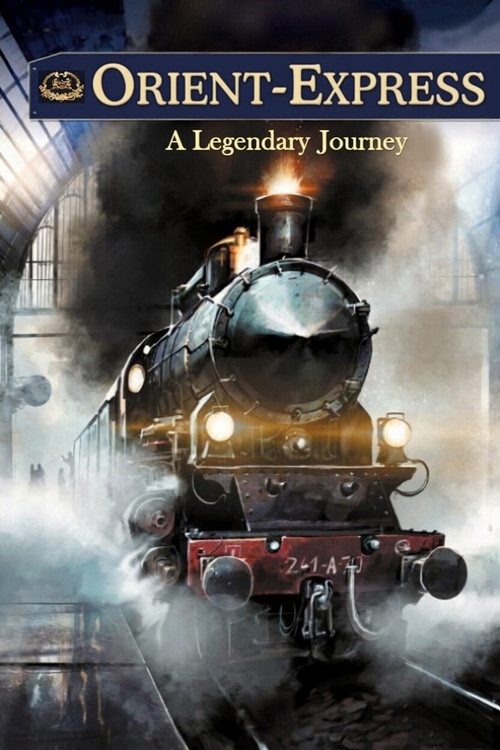
A symbol of luxury and adventure, the Orient Express opened a new path between the West and the East. Mata Hari, Josephine Baker and Agatha Christie, who dedicated a novel to it, contributed to its legend. Delve into the secrets of a legendary train.

Using testimonies by pioneers and witnesses of the times, delve into the feverish visual culture the media generated – with far-fetched examples of canine television games, seduction manuals, aerobics class while holding a baby, among others.
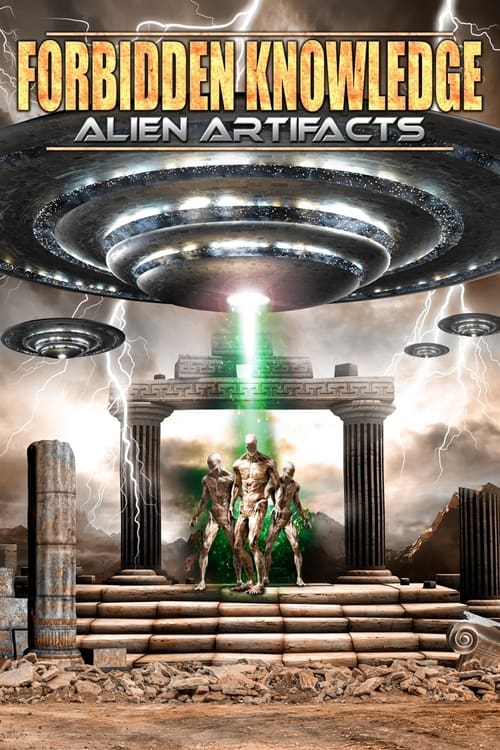
Shocking new evidence of highly advanced civilizations mounts as previously unexplored regions of the earth reveal mind boggling artifacts that defy all convention and utterly mystify today's academic and scientific factions. It's clear there are massive gaps between our current understanding of the cosmos and the origins of humanity and that of ancient civilizations that existed before "recorded history". Experience unprecedented relics and artifacts that force us to re-evaluate the mainstream dogma of who we are and where we came from.
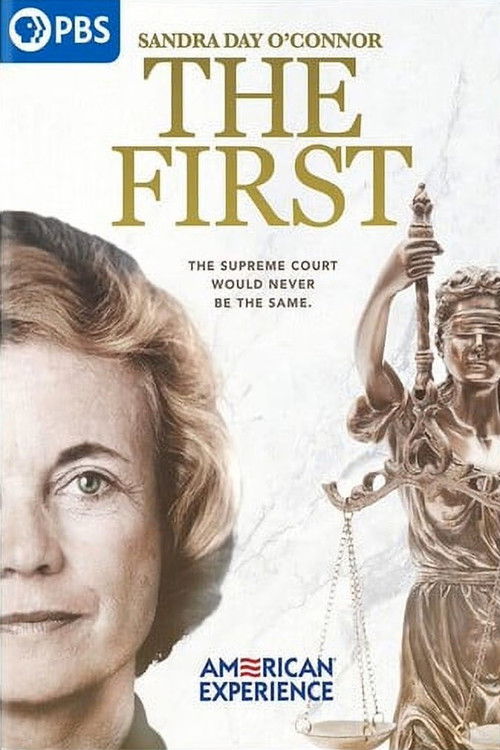
When Ronald Reagan nominated Sandra Day O’Connor as the Supreme Court’s first female justice in 1981, the announcement dominated the news. Time Magazine’s cover proclaimed “Justice At Last,” and she received unanimous Senate approval. Born in 1930 in El Paso, Texas, O’Connor grew up on a cattle ranch in Arizona in an era when women were expected to become homemakers. After graduating near the top of her class at Stanford Law School, she could not convince a single law firm to interview her, so she turned to volunteer work and public service. A Republican, she served two terms in the Arizona state senate, then became a judge on the state court of appeals. During her 25 years on the Supreme Court, O’Connor was the critical swing vote on cases involving some of the 20th century’s most controversial issues. Forty years after her confirmation, this biography recounts the life of a pioneering woman who both reflected and shaped an era.