Protocol Archives • Browse all History titles in HD
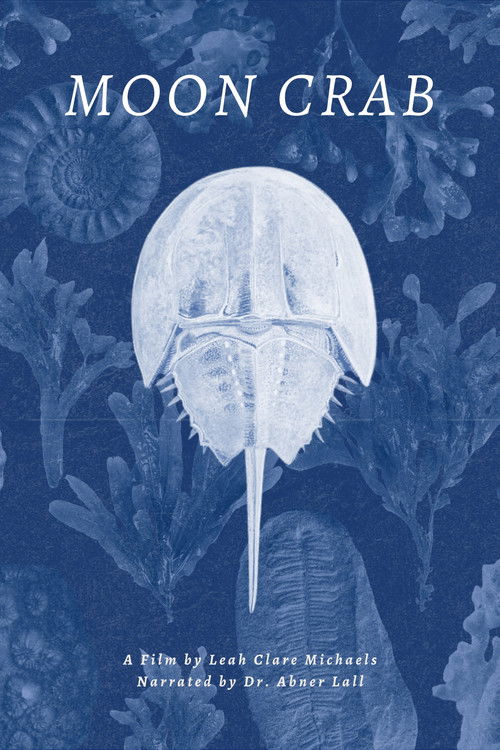
Moon Crab is a meditation on the horseshoe crab, one of Earth's oldest living species now struggling with extreme population decline. Blending reflections on nature's cycles with experimental visuals, the film employs an array of techniques, including eco-processed film developed with seaweed, to immerse the viewer in the crab's subaquatic world. Narrated with intimate depth by physiologist Dr. Abner Lall, the filmmaker’s neighbor, this documentary captures a timeless story of resilience and fragility, urging us to reconsider our connection to the natural world.
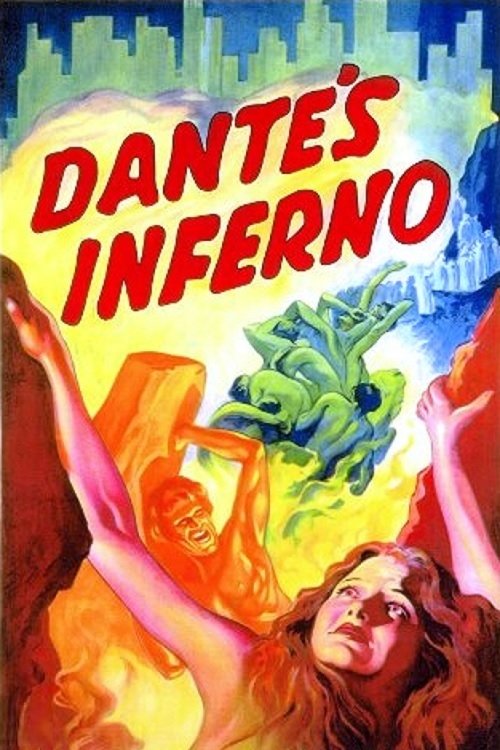
A carny builds a gambling empire at the expense of his family's wellbeing.
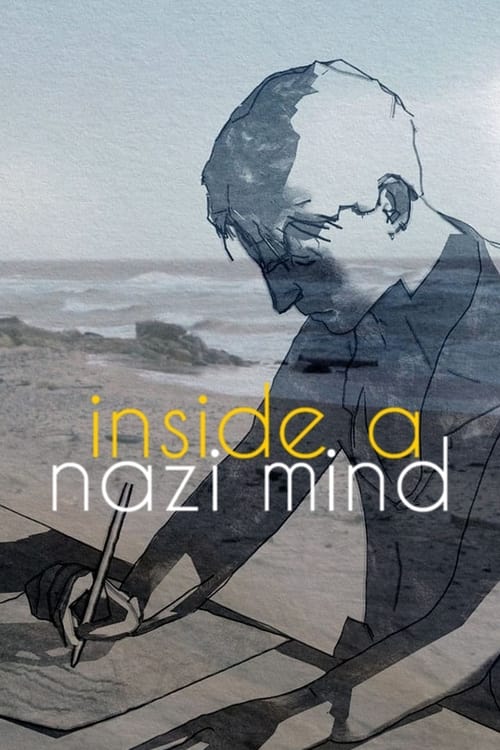
An analysis of The Kindly Ones, Jonathan Littell's controversial novel, published in 2006, which dissects the ruthless mechanisms of the Shoah from the detached point of view of Maximilian Aue, a high-ranking Nazi officer.

Two Catalonian women are travelling through Cornwall in 1611, in the company of an Englishman and find themselves forced by bad weather to take shelter in a small farmhouse. The evening promises to be a difficult one due to the lack of any common language, culture or background. However, when they discover a rare spice from their homeland being used by the Cornish woman in the preparation of buns, the conversation begins to warm up.
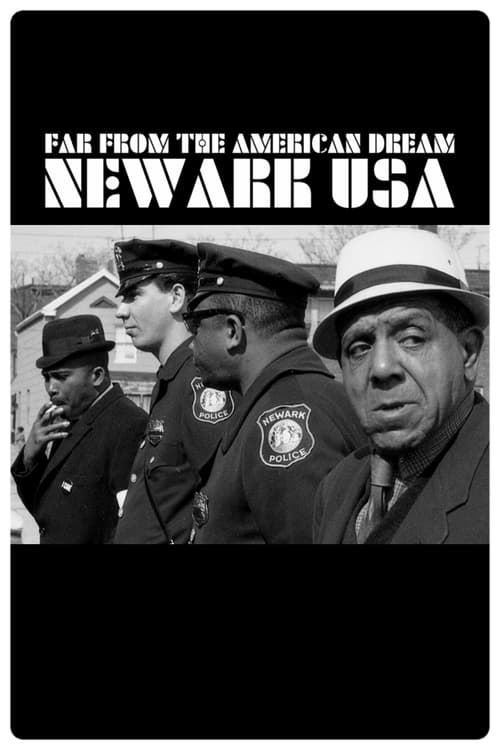
The story of the city of Newark, in the state of New Jersey, USA; unlikely capital of the struggle for civil rights in the legendary sixties of the convulsive twentieth century, told through the eyes of writers Philip Roth and Amiri Baraka, who were born and grew up there, in the ominous shadow of the immense New York.

The period after the Sultan Mehmed II (the Conqueror) conquered Constantinople, moving towards Europe in the fifteenth century , and Sultan Mehmed's determination to spread Islam in Europe by the superb morals of Muslims then.

In the midst of the Seven Years' War, a company of hardened soldiers force their young bagpipe player into battle, only to discover that their enemy is not what they expected.

1813. The Swedish army is fighting in the War of the Sixth Coalition. The popular general Von Döbeln is arrested for sending the army against the French in breach of orders by the crown prince. At the court martial he is sentenced to death but is pardoned by the king and sent to prison instead. A group of conspirators are planning to set him free and make him their leader in a coup d'etat.
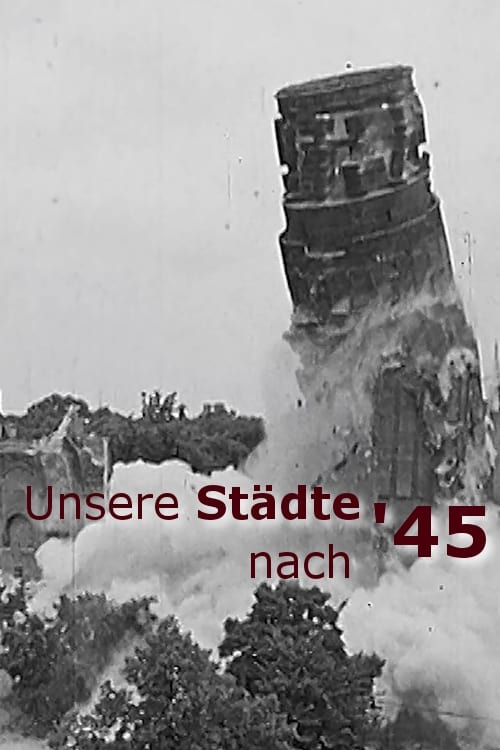
A documentation about the reconstruction and destruction of german cities after the 2nd World War.
The lives of Sun Yat-sen and his wife, Soong Ching-ling between 1913 and 1925.
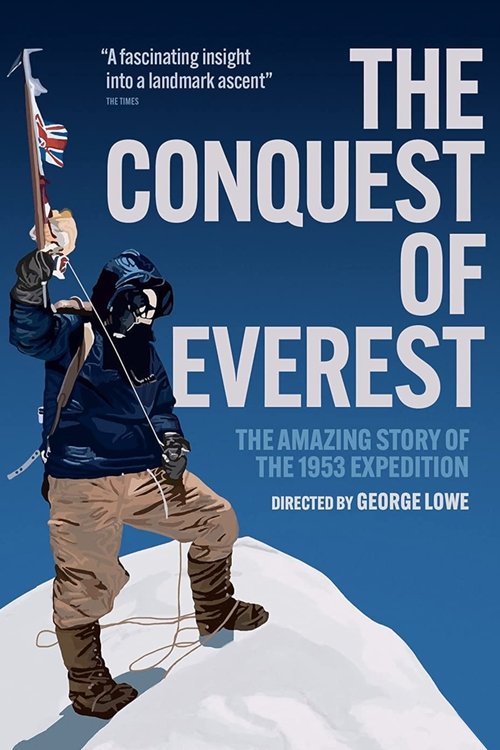
A documentary of the first successful expedition to the summit of Mount Everest. New Zealand's Edmund Hillary and Sherpa Tenzing Norgay climb Mount Everest in 1953.
A docu-fiction movie portraying the Polish Brethren religious group over the years.
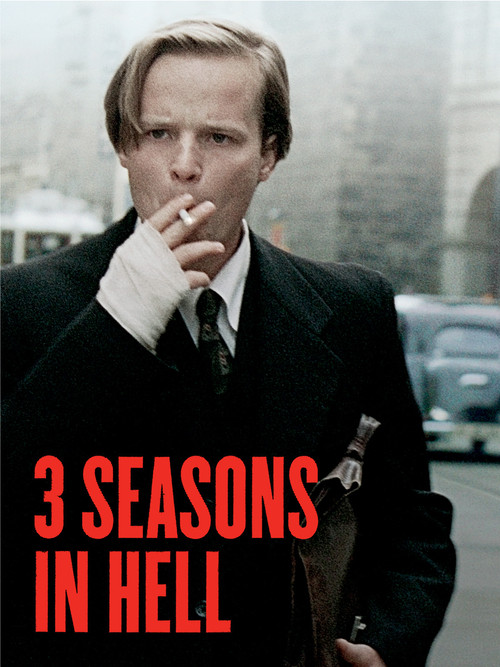
A 19 year old nonconformist poet living in 1947 Czechoslovakia is blind to the Communist behemoth looking over him, and instead lives a bohemian life with sexually liberated girls.

A young girl named Alice travels through a century of Russian history, from Tsarism, through Socialism and Glasnost. Alice's original characters embody ideological conflicts crossing politics, art and cultural movements.
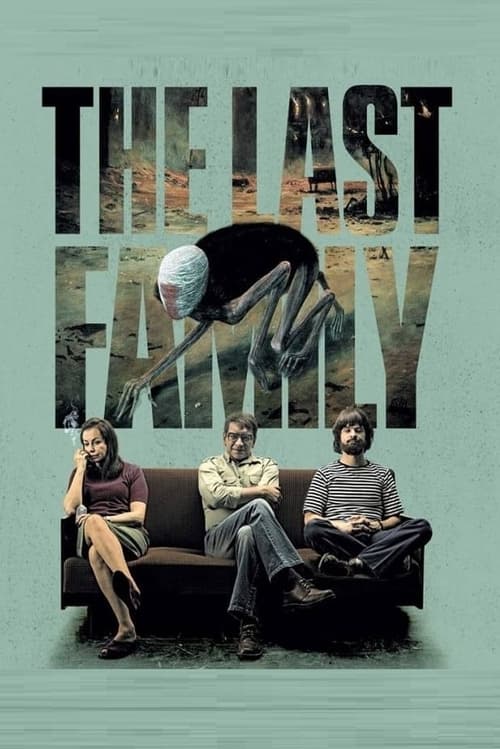
Beksiński is a gentle man with arachnophobia, despite his hardcore sexual fantasies and his fondness for painting disturbing dystopian works. Beksiński is a family man who wants only the best for his loving wife Zofia, neurotic son Tomasz and the couple's aging mothers. His daily painting to classical music eventually pays off and he makes a name for himself in contemporary art. Good Catholic woman Zofia tries to hold the family together, but troubled son Tomasz proves to be a handful with his violent outbursts and suicidal threats. Their relief is brief when he starts dating women and becomes a radio presenter and movie translator, and the concerned parents must be on constant watch to prevent their son from hurting himself. But Beksiński never believed that family life would always be sunshine and rainbows. As he tapes everything with his beloved camcorder, the 28-year Beksiński saga unfolds through paintings, near-death experiences, dance music trends and funerals...

Zarah Leander was one of the greatest film stars of the Third Reich. Adored by the Nazis, she rose to become the highest-paid female film star of National Socialism. To this day, she remains inextricably linked to our collective memory, reviled as a "Nazi siren" but also loved unconditionally. At the same time, there are files in Sweden that claim she was a Russian spy. Extremely contradictory rumors that continue to shape the myth of Zarah Leander to this day. She herself described herself as completely apolitical. "The Zarah Leander File" delves into the life of the Swedish film diva and asks: Who was the woman behind the mysterious gaze, the frivolous songs, and the pompous gestures? Who was "Leander" really?
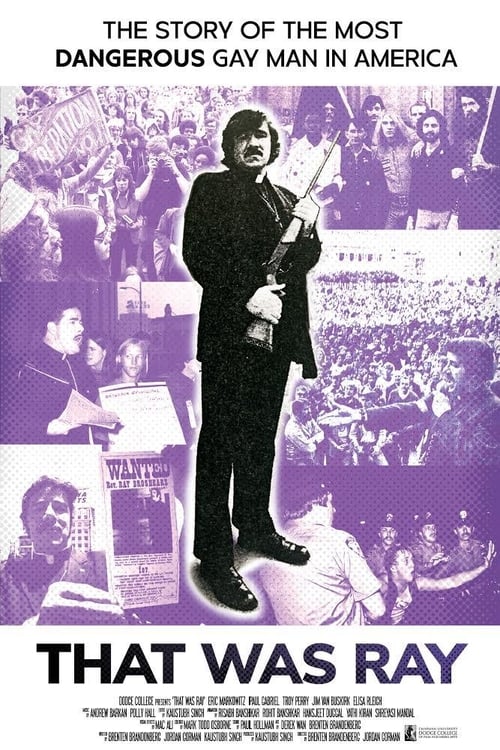
In San Francisco during the 1970s, Rev. Ray Broshears took to the streets to do the job the police wouldn't, forming the Lavender Panthers, an armed self-defense group. In interviews with Ray's friend Elisa Rleigh, and author Jim Van Buskirk, That Was Ray shows how violence was met with violence to defend the community that many fought and died for.
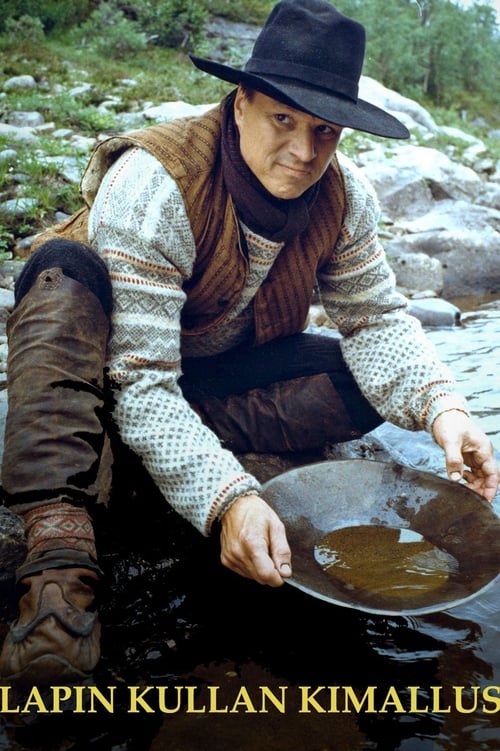
In 1860s Lapland, gold diggers Jakob Ervast and Nils Lepistö, who previously worked in California, embark on an arduous journey towards the north. The friends find gold at the first excavation site, which Kittilä's crown prince Konrad Planting and Edvard Manninen also start looking for.