Protocol Archives • Browse all History titles in HD
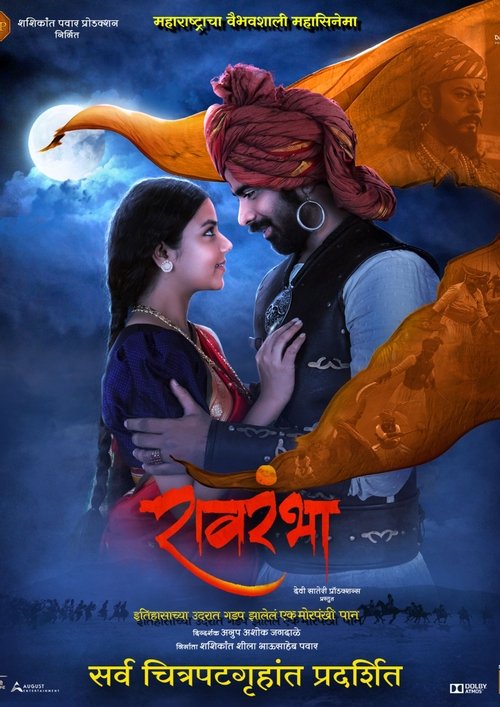
Raav is a valiant soldier who also serves as a personal bodyguard for Maratha Army Commander in Chief Prataprao Gujar. Rambha is his childhood love, and when she is kidnapped, Raav saves her with his valour.

The story of Dr. George Washington Carver (1864-1943), black educator and horticulturist. He is perhaps most well known for developing over 140 products from all parts of the peanut plant, including the shells and husks. He also developed products based on sweet potatoes and soybeans, and developed a cotton hybrid that was named after him.
A journey into the BBC archives unearthing glorious performances and candid interviews from some of Britain's greatest poets.
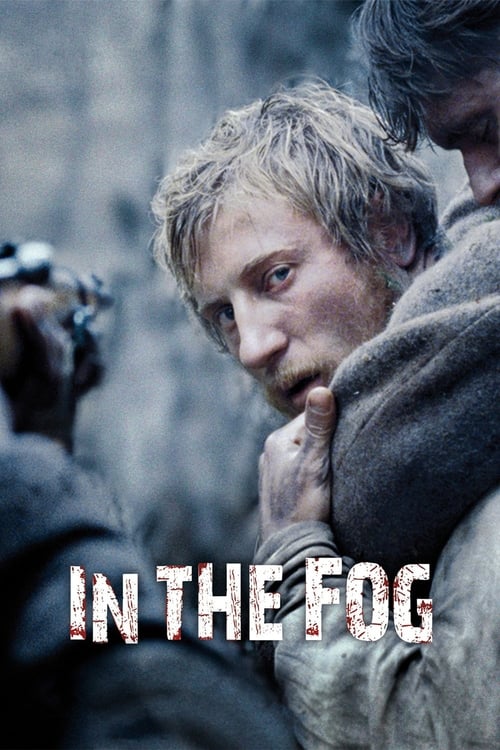
Western frontiers of the USSR, 1942. The region is under German occupation. A man is wrongly accused of collaboration. Desperate to save his dignity, he faces an impossible moral choice.

Germanus, a brave gladiator, witnesses the brutal murder of his brother, committed by another fighter. Since then, he will become his worst enemy, with whom he will fight in several fights, each more bitter. One day, Germanus discovers that his sister, also gladiator, maintains a passionate affair with the man who killed the brother of both, without her knowing anything about the crime

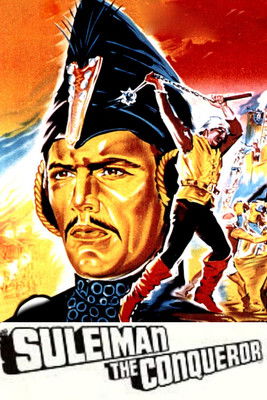
Historical film, telling the story of Turkish Sultan Suleiman's attempts to conquer Vienna. The advance of his army was checked on Yugoslav territory.
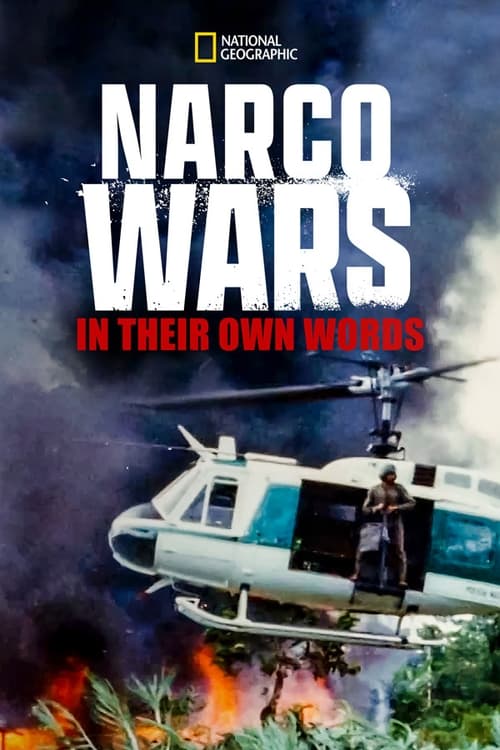
Narco Wars: In Their Own Words presents the inside story of how DEA agents and the Colombian National Police brought down the most vicious drug cartel in the world. This program combines never-before-broadcast recordings with rare archival footage, photos and interpretive re-enactments to tell the story of how Pablo Escobar’s massive billion-dollar drug empire was taken out.
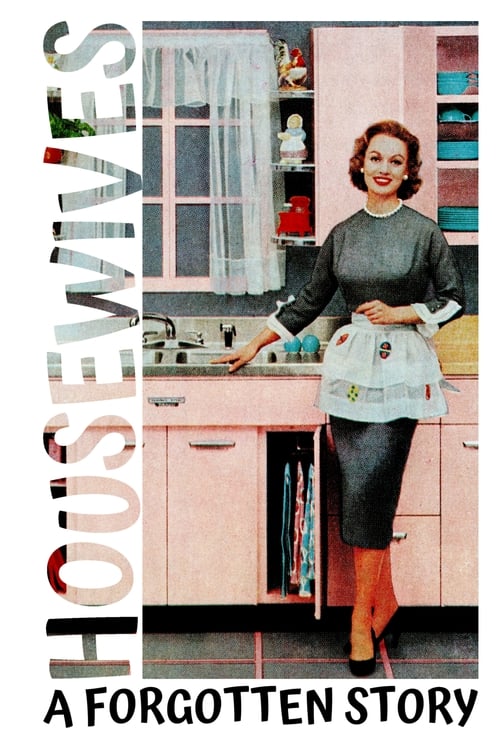
After World War II, many young French women became housewives, convinced that devoting themselves entirely to caring for their families was a noble mission and a means of personal fulfillment.
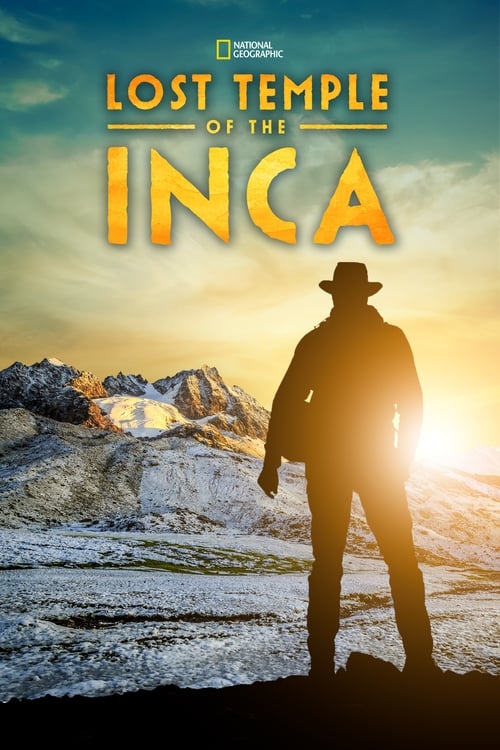
In the mountains of Peru, an environmental scientist discovers ancient artifacts submerged beneath the headwaters of the Amazon; his findings could save this sacred landscape from mining devastation.
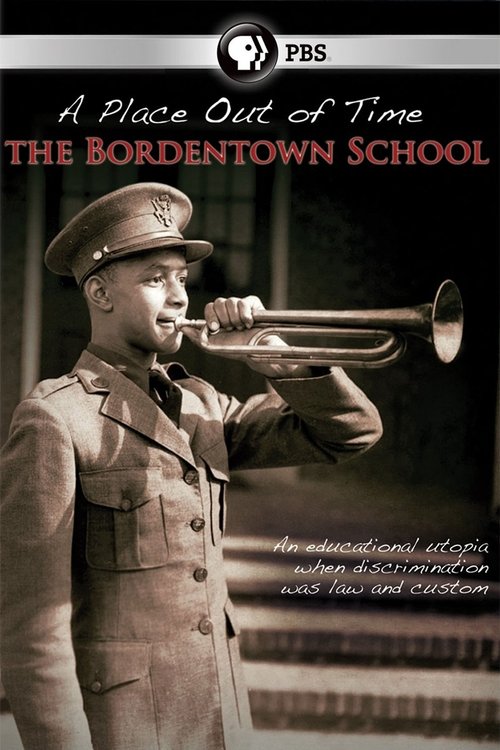
For a seventy-year period, when America cared little about the education of African-Americans, and discrimination was law and custom, The Bordentown School was an educational utopia. An incubator for black pride and intellect, it taught values, discipline, and life skills to generations of black children. This is the story of that remarkable school, as told by Bordentown alumni, historians, and remarkable archival footage. It is also the story of black education in America across three centuries, presenting a nuanced, rarely seen portrait of a separate black space; and a much-needed preface to the growing national discussion about historically black institutions and their role in nurturing identity and accomplishment. What was lost and what was gained in the march toward equality?
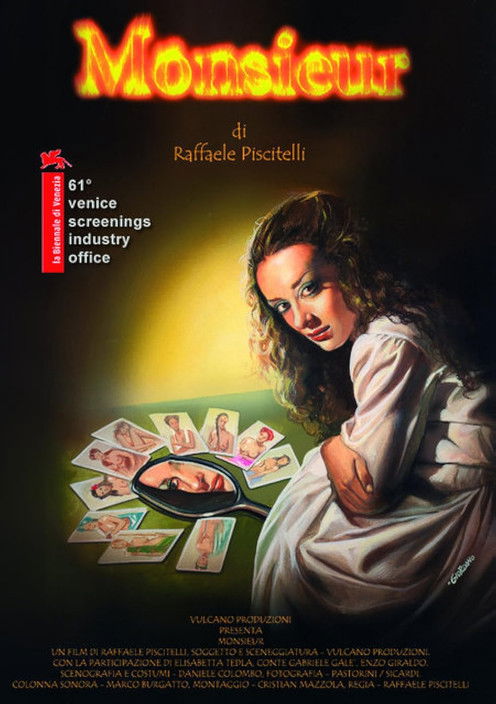
1920: Madame Blanche discovers, reading the newspaper, that one of her tenants has been arrested. The woman, with the maid Tedla, goes to the police station to try and get her money. The inquiry starts from here: Monsieur is accused of homicide. The police will find ten paintings portraying ten women: the maid begin to tell the story of those ten women that she knew. But, one by one disappeared. A sequence of women stories. Along series of homicides. And just one killer.
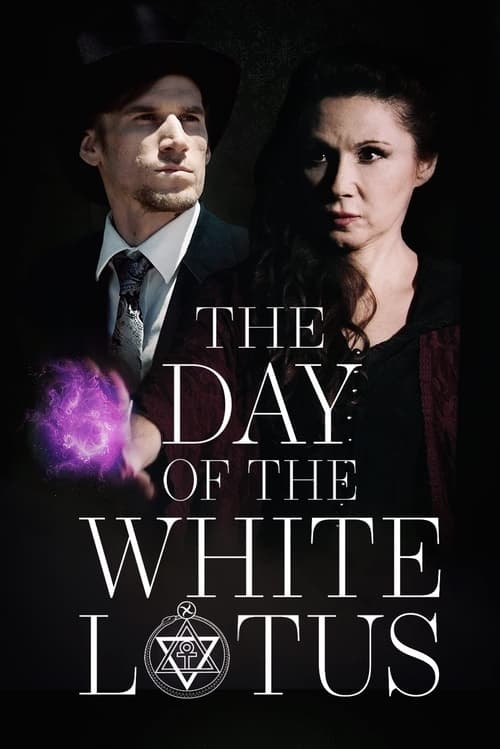
Historical drama centered around Theosophical Society, one of the most controversial organizations of the 19th century.
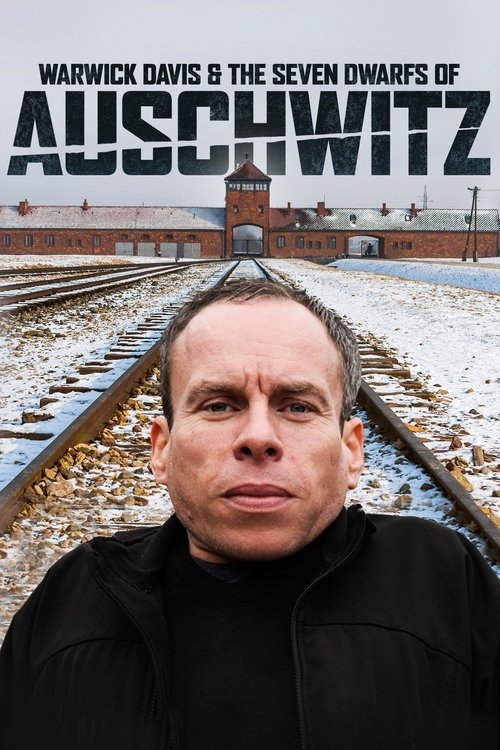
Actor Warwick Davis presents the story of the Owicz family and their ordeal during WWII. From a successful musical act to being tortuously experimented on by Josef Mengele in a concentration camp, this story might have been lost to history if it weren't for the family's diminutive size, which made them both a novelty as well as an inspiration.
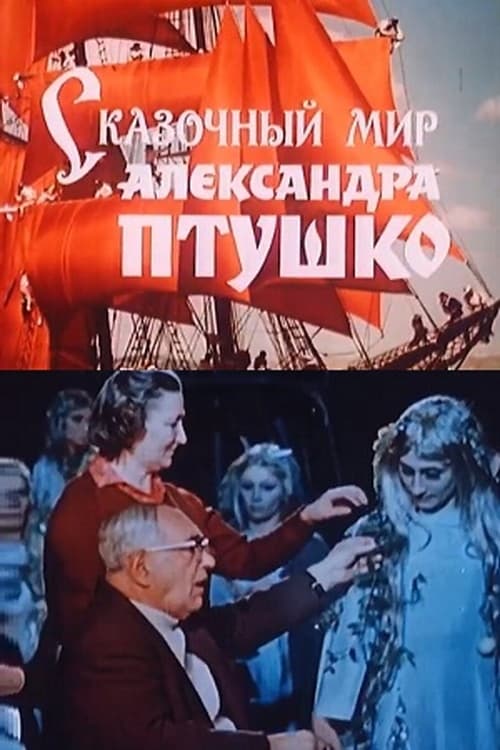
The wizard Finn sends Masha and Vanya on a journey through the fairy tale films of Aleksandr Ptushko, many dangers await them there.
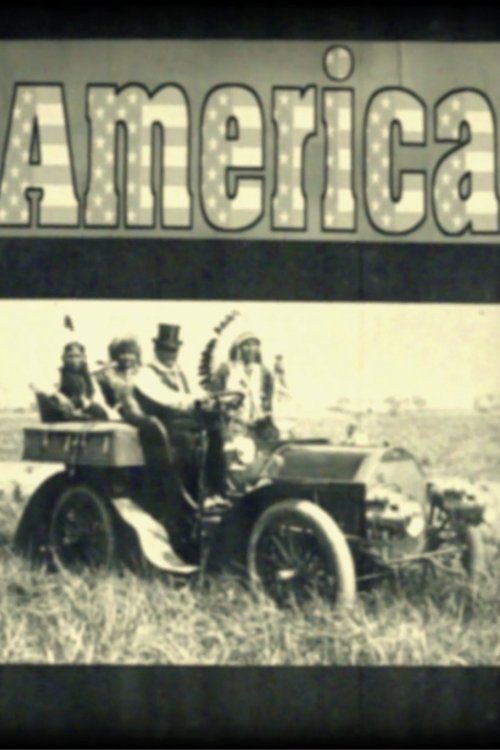
A young author goes to an art gallery to find paintings.
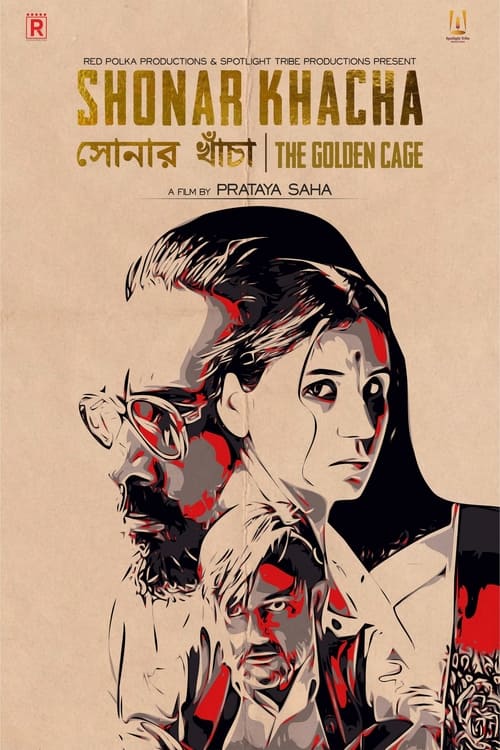
It is an early winter morning in Kolkata in 1989 and the palatial old "Roy Choudhury" house lies dilapidated, housing the last few members of a once huge affluent joint family. Rudro, the younger brother of the last generation, an under-confident, nondescript man in his mid-30s tries to convince Rajatabho, the eldest of the brothers to take up the offer of selling the house in a desperate attempt to save themselves from bankruptcy. Rajatabho, however, is unrelenting. Rudro, later tries to convince Anjali, Rajatabho's wife, to help change her husband's mind. Later in the day, a crying Anjali grinds down sleeping pills on her kitchen slab. She reminisces down memory lane through each nook and corner of the house as she does this. Finally, at dusk, as Anjali stands alone on the terrace holding a bottle of sleeping pills, Rajatabho suddenly arrives and they look eye to eye for the first time in months.
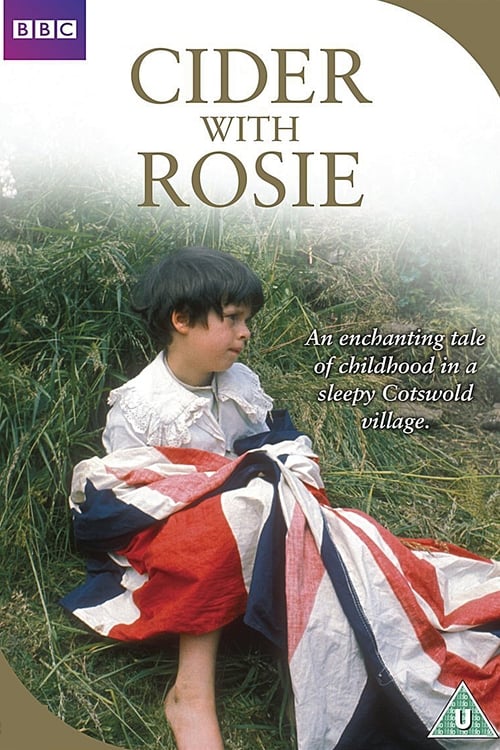
An enchanting tale of childhood in a sleepy Cotswold village during and immediately after the First World War.