Protocol Archives • Browse all History titles in HD
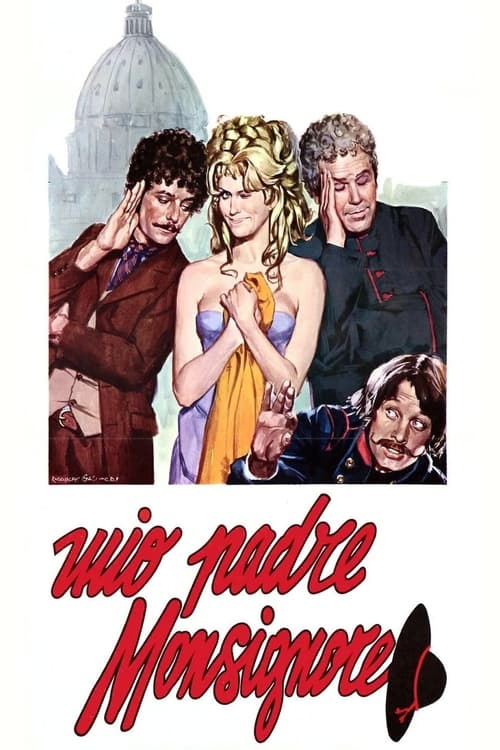
Against the backdrop of the Unification of Italy, two men have the dream of being recognized by their respective, illustrious, fathers: a bishop and the King.
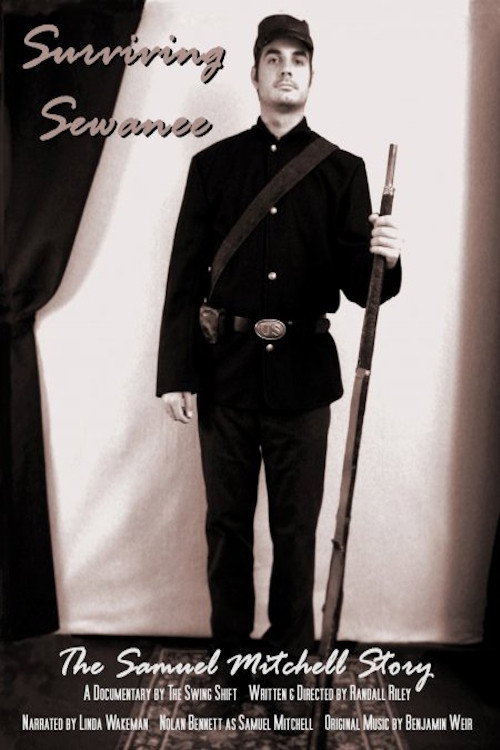
The film explores Civil War veteran Samuel Mitchell's life and survival of a horrific accidental explosion at Sewanee, Tennessee in August, 1863.

When Australia stopped the refugee boats in 2001, most Australians applauded. Ten years later, the people who were there tell us what we didn't then know.

Born at the turn of the century in a village's butcher shop, Jeanne Lavaur dreams of becoming a countess. Inspired by the fearless Céleste and guided by her love for Guillaume de Barante, Jeanne’s journey carries her from the vibrant Paris of the Golden Twenties through the turmoil of two world wars. As her life intertwines with the great upheavals of the 20th century, she rises as a fiercely free woman, determined to never let anyone else define who she is meant to be.
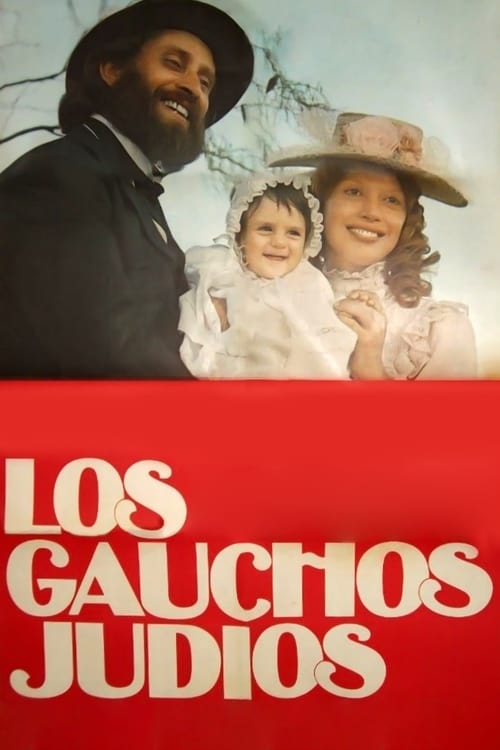
The film recreates the arrival of a group of Jewish immigrants fleeing persecution in Czarist Russia, establishing the first Hebrew colonies in the province of Entre Rios, Argentina.
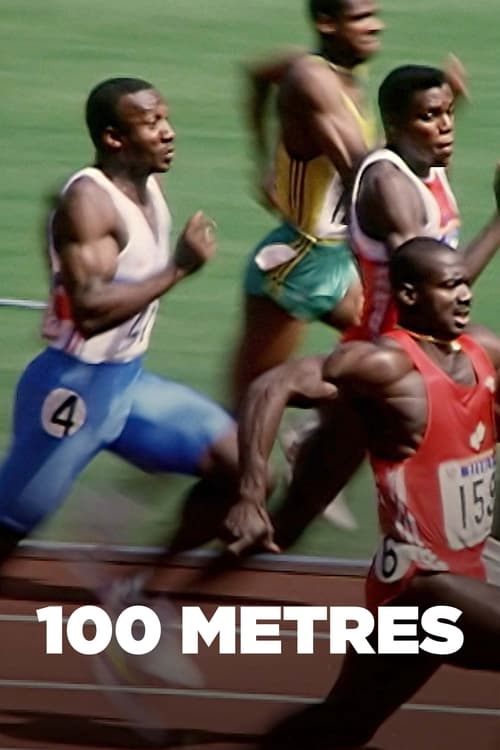
Pushing the limits of the human race: that is what runners aspire to when they take to the Olympic 100-meter track every four years. But for Usain Bolt, the record holder for the distance with his explosive 9.58 seconds, to become the fastest sprinter in history, crossing the finish line at some 44 km/h, it took more than a century of technical refinement. From the early days of sprinting to Usain Bolt's records, directors Jean-Christophe Rosé and Benoît Heimermann trace the history of the 100 meters, the flagship event of the Olympic Games, and its champions.

Based on the true story of the Azari war hero, Sattar Khan, during the time of the Constitutional Revolution. The story follows Sattar and Haydar as they join another hero Baqir Khan.

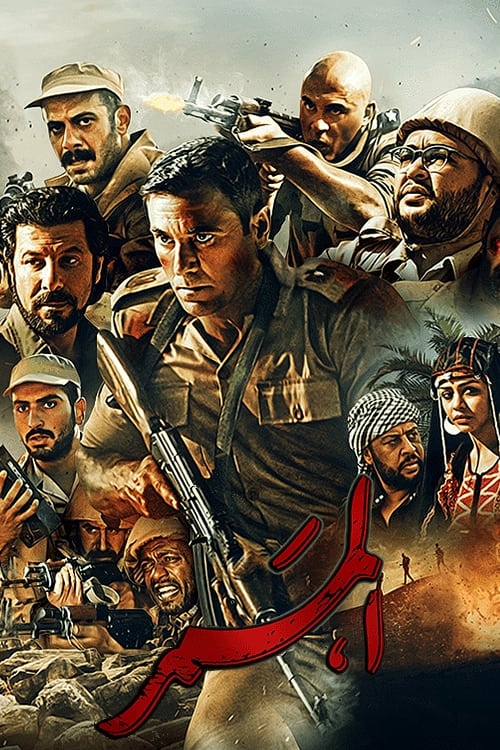
A platoon of Commandos’ soldiers, lead by a fearless commander, Nour, and their journey through heroic battles from The Six Days War to the commencement of The Attrition War.
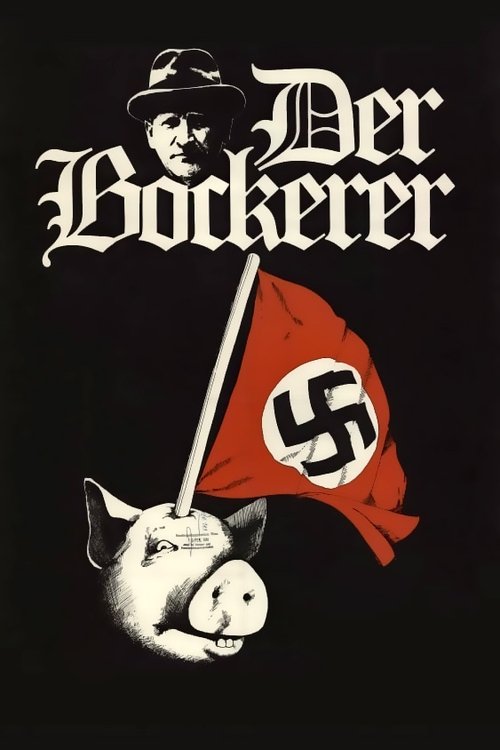
A politically naive Viennese butcher manages to survive the Nazi occupation of Austria and the second world war.
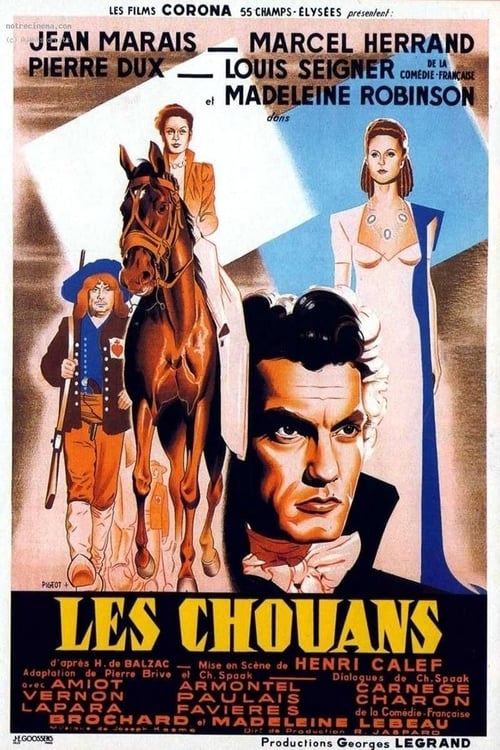
The Marquis de Montauran was appointed to command the Chouans whose first two revolts were crushed. An aristocrat, Marie-Nathalie de Verneuil, is sent by Joseph Fouché to seduce and capture him.
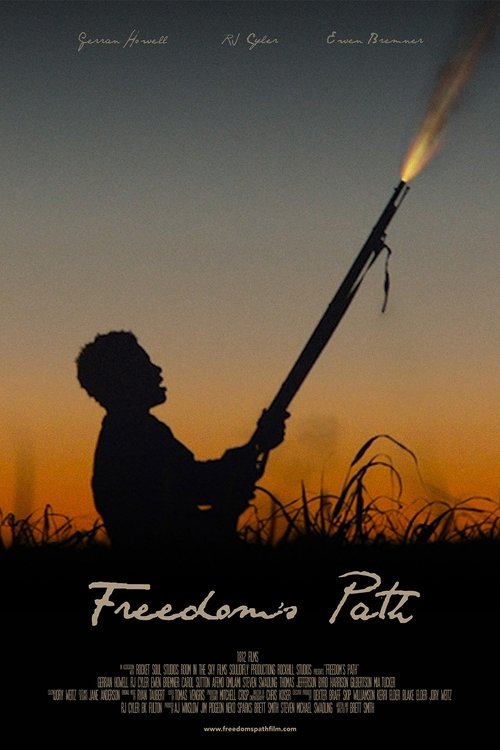
A Union soldier flees from battle and is rescued unexpectedly by free Black man Kitch and his friends. Risking everything, Kitch takes William deep into the woods to the safety of his adopted home. It's here that William discovers Kitch is a part of secret community of freed slaves, who run a portion of the Underground Railroad. When a ruthless and desperate slave catcher discovers the underground network, he conspires to bring it burning down to the ground.
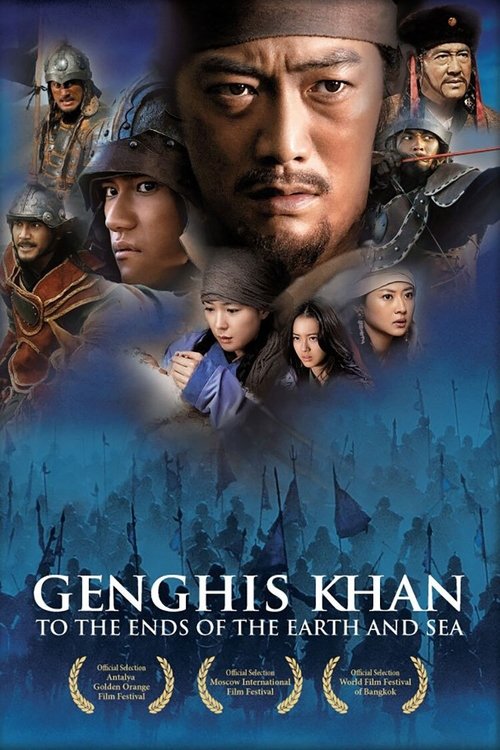
A look at Genghis Khan's life, from his birth to conquests in Asia.
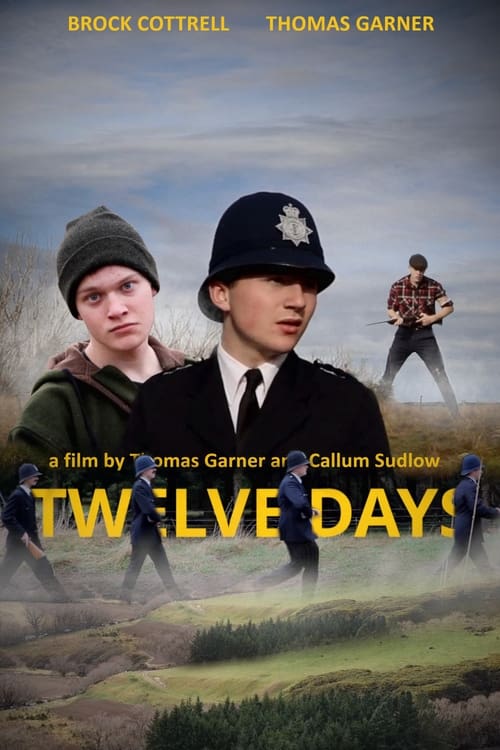
On October 14th, 1941, in the rural West Coast town of Kowhitirangi, Stanley Graham is a financially struggling recluse. He is accused of poisoning his neighbour's cattle and threatening his neighbours with a rifle. Local Police Constable, Edward Best, arrives to resolve the situation. Graham soon threatens to shoot Best and so he retreats for backup. Best returns with three other Police officers from Hokitika to confront Stanley.
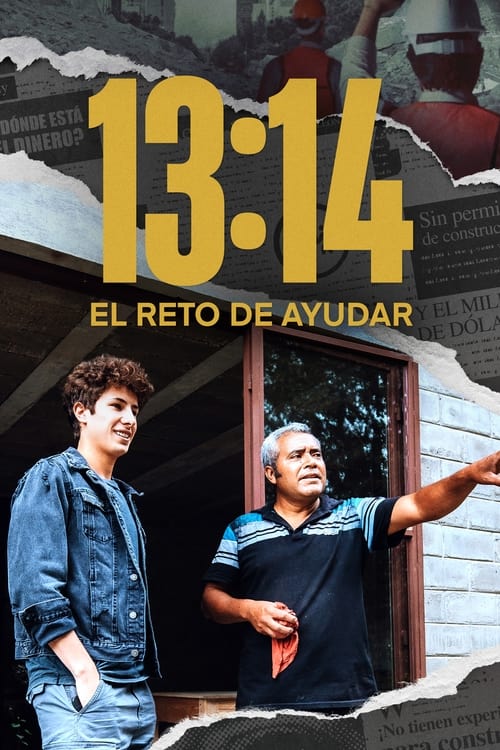
On September 19, 2017, at 1:14 p.m., an earthquake devastated Mexico City and its environs. Immediately, citizens mobilized to help, including the actor and youtuber Juanpa Zurita who quickly organized a group of friends that included singers, actors, content creators and other celebrities from the world of entertainment who helped him raise funds for the reconstruction of the city.
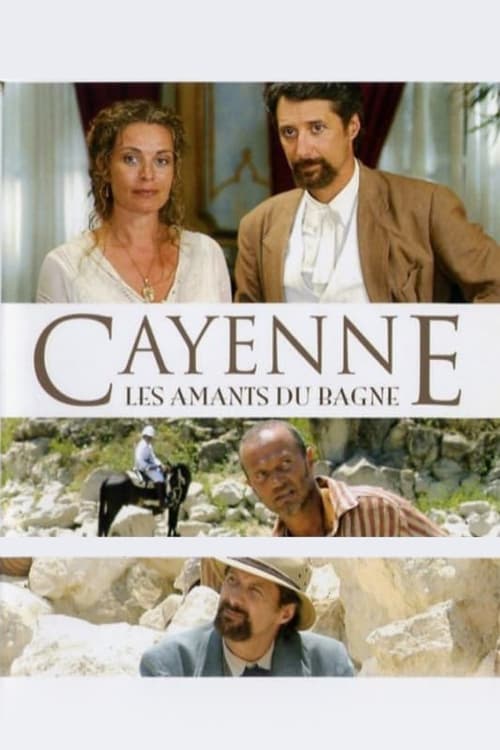
In 1923, Albert Londres, the famous reporter, travels to the French penal colony in French Guyana. First, officers try to hide the truth, but leaded by his own instinct he begins an investigation alongside the authorities. He didn't expect to find such inhuman conditions. He meets a prisoner, Camille, and his wife, Claudia, who's in French Guyana to find a way to free her husband. He decides to help her.
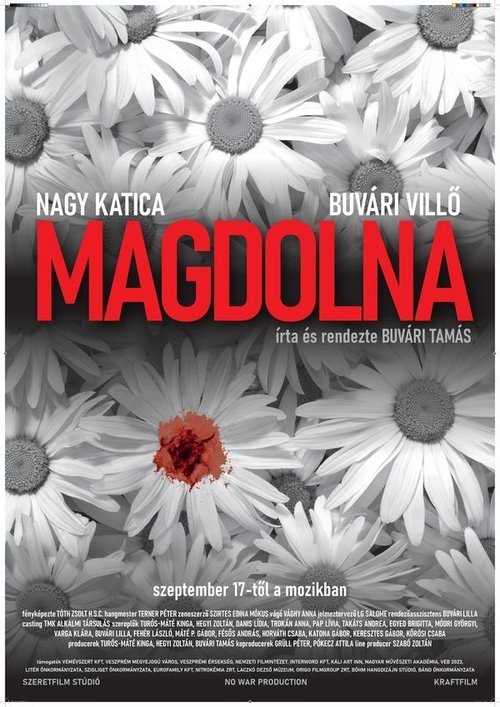
We follow Bódi Mária Magdolna through two days of her life in rural Hungary during World War II.
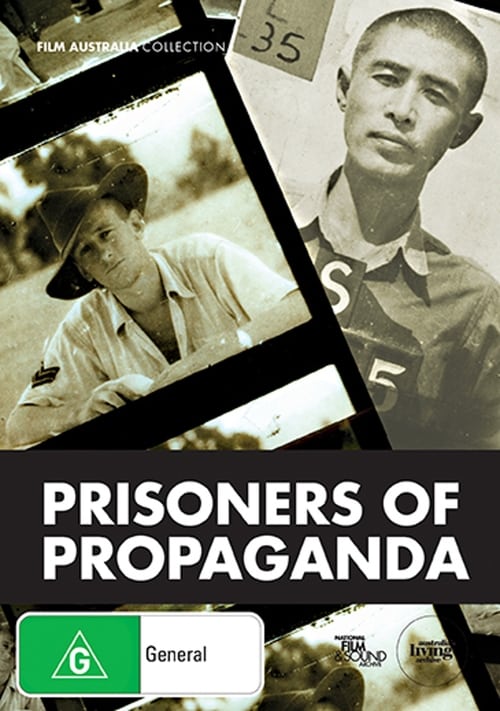
In 1943, the Imperial Japanese Secret Service made a film called Calling Australia! to show the "exemplary conditions" under which prisoners of war were kept, and to "soften up" the Australian public for the anticipated occupation of their country by Japanese forces. Prisoners of Propaganda tells why the film was made, and how it came to be forgotten.
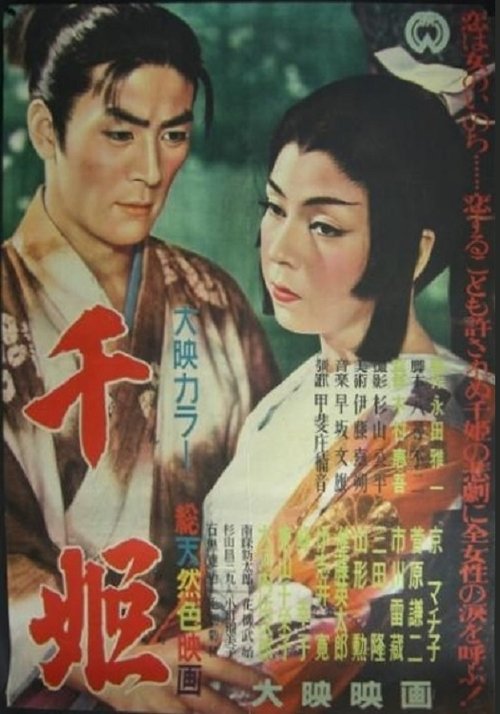
During the Warring States era of early 17th century Japan, teenage princess Sen is besieged with other members of her family in Osaka Castle, by a rival force led by her grandfather.