Protocol Archives • Browse all History titles in HD

This film focuses on the dramatic life of Waka Yamada, who rose from a prostitute in Seattle, USA to a female critic during the Taisho and Showa eras.

The 1st Cannes Film Festival was held from September 20 to October 5. 1946. In this documentary, British actress Charlotte Rampling recounts the eventful beginnings of the film festival. In addition, Frédéric Chaudier and Frédéric Zamochnikoff have compiled unpublished contemporary documents from the family archive of Jean Zay, original footage from various eras of the festival, which is now considered the most important and fascinating film festival in the world.
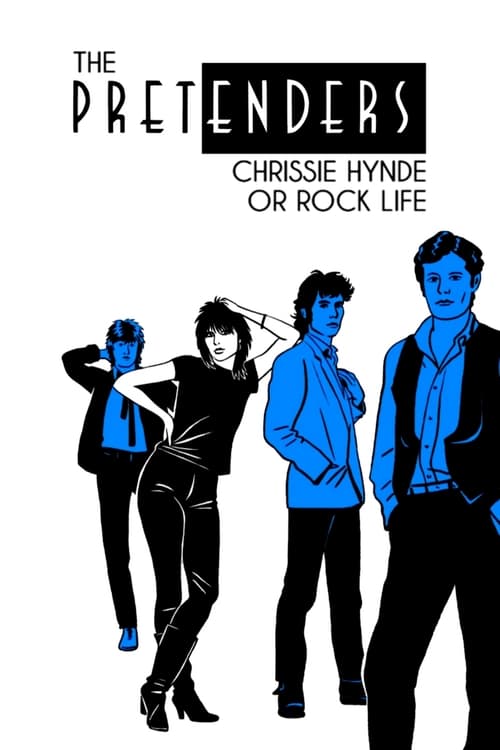
A journey through the artistic life of the British-American rock band The Pretenders, formed in 1978, and a portrait of its leader, the charismatic singer and songwriter Chrissie Hynde.

Reading Gaol, England, 1896. Prisoner C33, starving and thin, unable to wash properly, is a brilliant writer, husband and father of two, once the most beloved artist in Victorian London. His real name is Oscar Wilde.
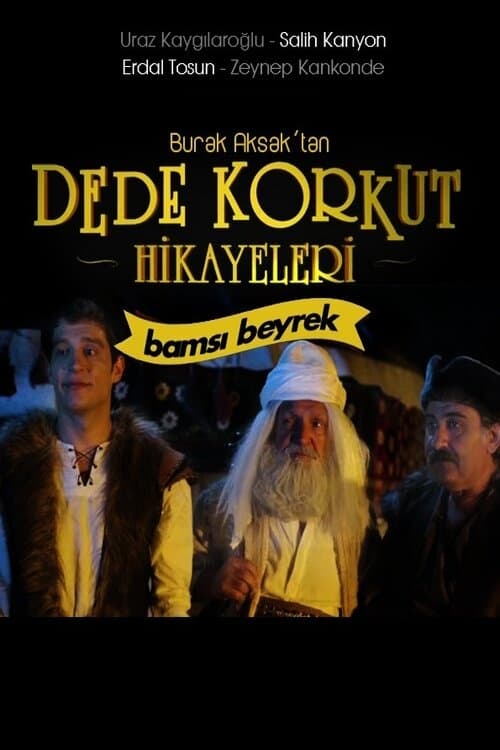
Büre Bey's son Bamsı Beyrek and Bican Bey's daughter Banuçiçek are betrothed, but they do not know each other. They meet while hunting separately and engage in a wrestling match. As a result of Bamsı Beyrek being taken prisoner, they are separated for many years.
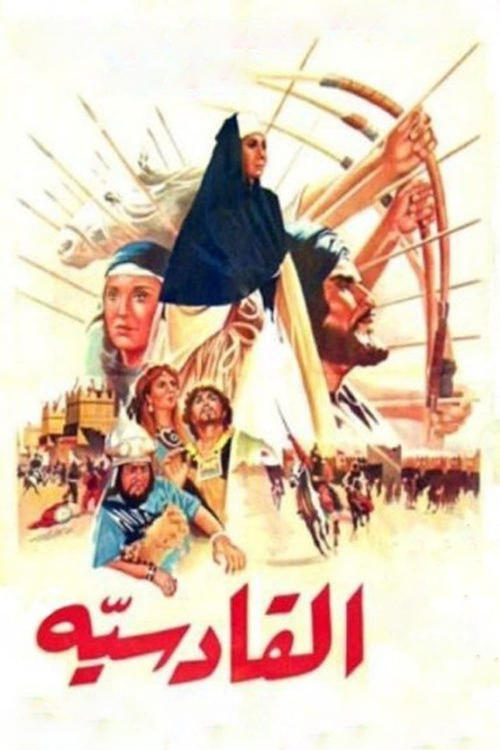
A historical epic about the battle of Qadiseya, which was helmed by the Arabian knight Saad Ibn Abi Waqas, and which enabled Muslims from conquering Persia in 636 A.D.
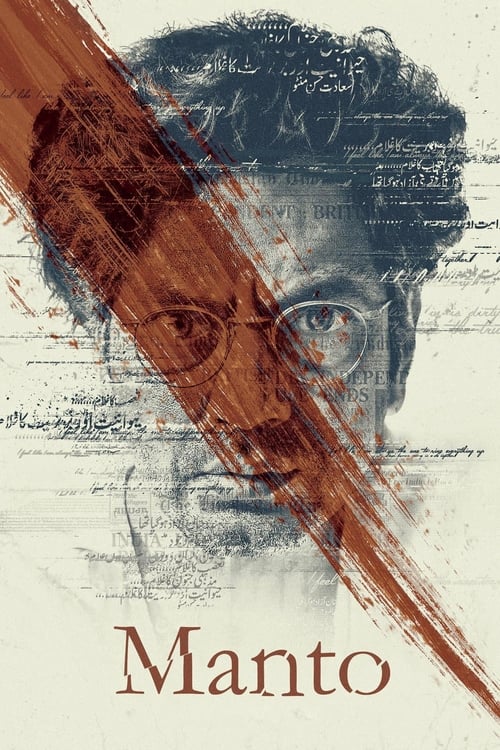
In Bombay's seedy-shiny film world, Manto and his stories are widely read and accepted. But as sectarian violence engulfs the nation, Manto makes the difficult choice of leaving his beloved Bombay. In Lahore, he finds himself bereft of friends and unable to find takers for his writings.

In 1970, ‘The Wall of Early Morning Light’ was an unthinkable climb. For larger-than-life climbing legends Warren ‘Batso’ Harding and Dean Caldwell, it represented a near impossible physical and mental challenge. For iconoclast Batso, it also offered one last chance to stick it to the naysayers who thought him too old, too out of touch, and too crazy. For novice Dean, it was a way to see beyond his 9-5 existence and unlock the awesome potential of the human spirit. What began as an almost farcical exercise became one of the great underdog stories in the history of the sport. The estimated 10-day climb stretched into a 28-day marathon of grit and determination which sparked a media sensation.
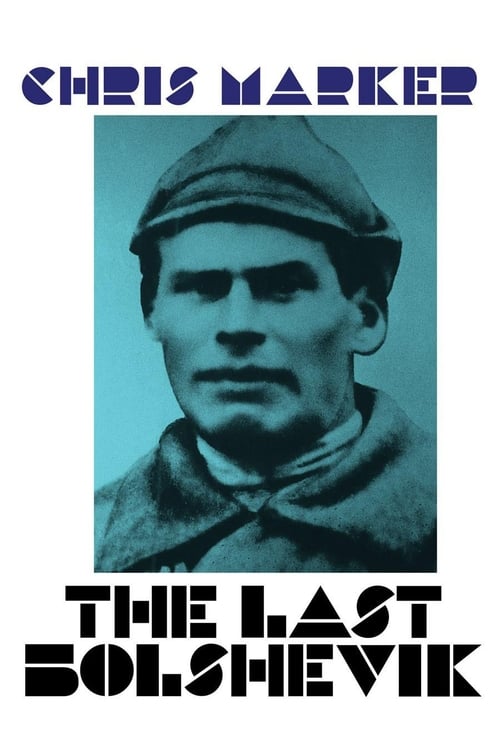
A documentary on Soviet filmmaker Aleksandr Medvedkin, examining his tumultuous career, the rediscovery of his masterpiece Happiness, and Russia's struggles over the course of the 20th Century.
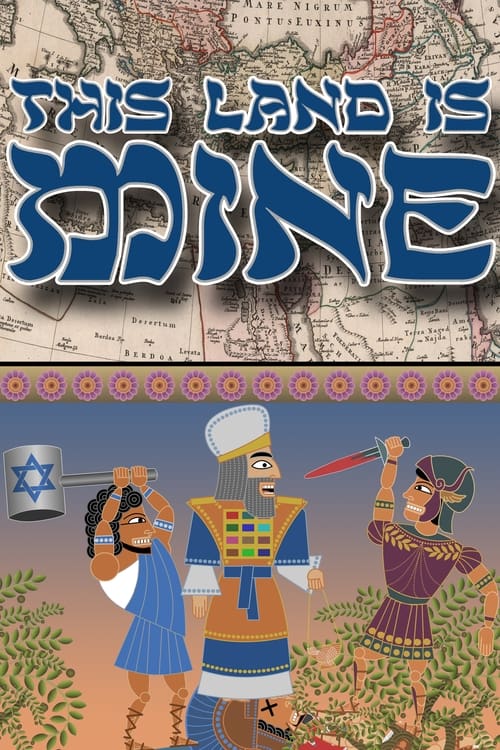
An animated short set to the tune of Pat Boone's Exodus Song satirizing the history of the land called Israel/Palestine/Canaan/the Levant.
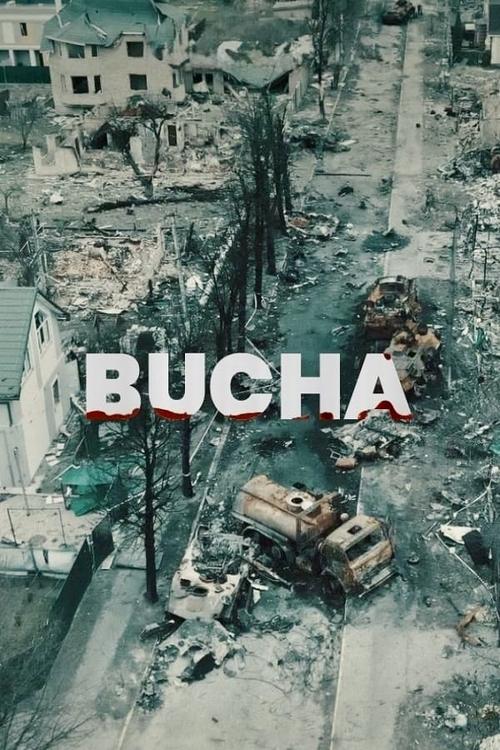
The story of a refugee from Kazakhstan who in the spring of 2022 saved hundreds of Ukrainians in Bucha and other cities and towns occupied by Russian troops.
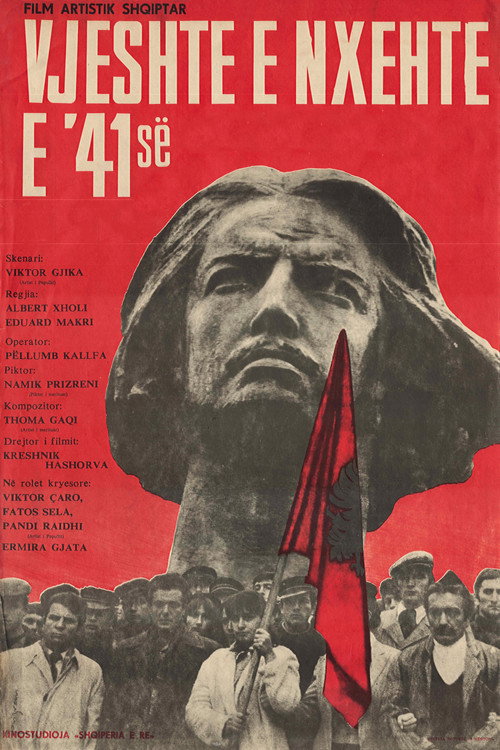
Film set on the 8th of November 1941, the day the Albanian Communist Party was founded.
Charismatic auto executive Sergio Marchionne saved Fiat from bankruptcy in 2004 and took control of failing Chrysler in 2009, merging both companies to create the world's seventh-largest vehicle manufacturer.
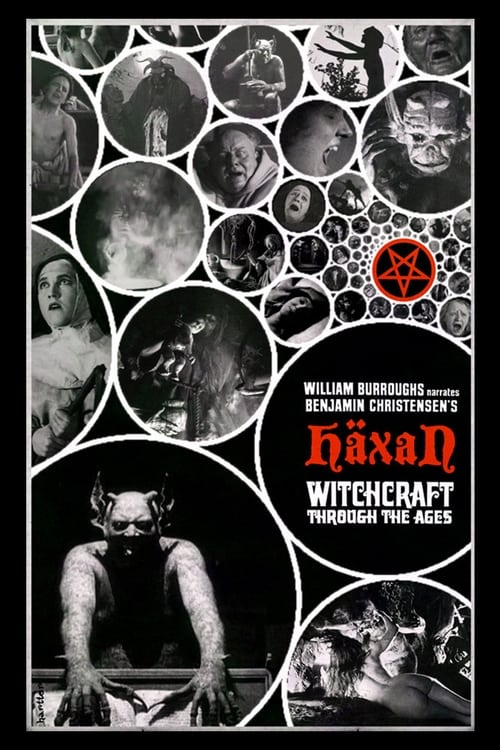
A seventy-six-minute version of Häxan, re-edited and re-released in the United States by Metro Pictures Corporation in 1968. It is narrated by author William S. Burroughs, with a jazz score and soundtrack featuring violinist Jean-Luc Ponty.
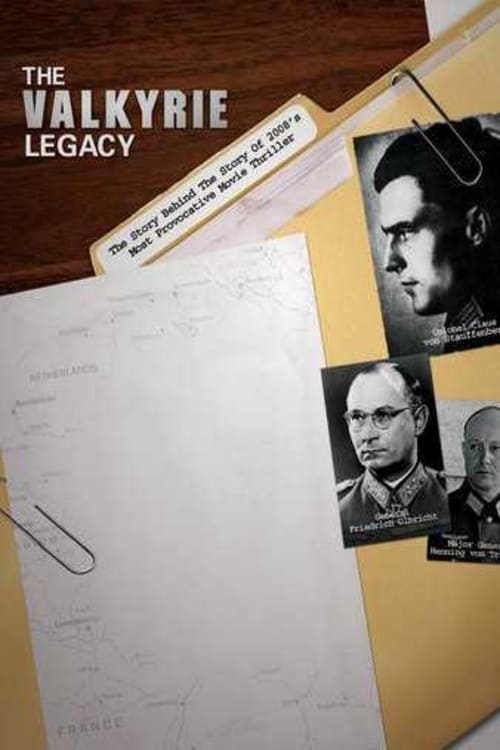
Created as a companion documentary to the film "Valkyrie," this documentary details the true story behind the plot to assassinate Adolph Hitler.
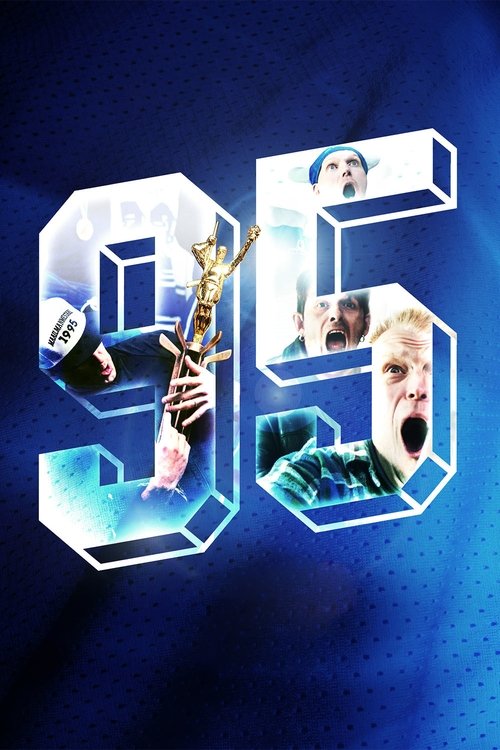
Set in the final weekend of the year 1995 Ice Hockey World Championships, 95 tells through overlapping stories why Finland became a ice hockey world champion and how it affected the whole nation.
Dramatization of the career of John Fitzgerald Kennedy.