Protocol Archives • Browse all History titles in HD
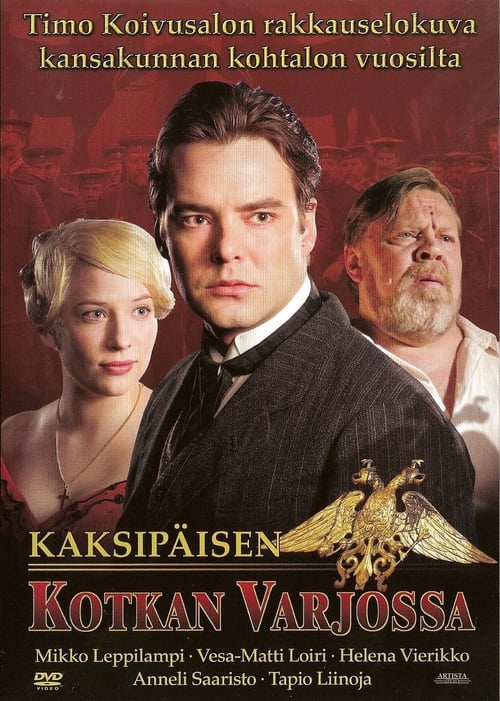
The story of a young poet who became a symbol for Finnish optimism and was subsequently forced underground during Tsar Nicholas II's oppressive dictatorship.

It's the early nineteenth century Washington. Young adult Margaret O'Neal, Peggy to most that know her, is the daughter of Major William O'Neal, who is the innkeeper of the establishment where most out-of-town politicians and military men stay when they're in Washington. Peggy is pretty and politically aware. She is courted by several of those politicians and military men who all want to marry her, except for the one with who she is truly in love.

27 Olympic and Paralympic champions, aged 20 to 100, share their stories in this Mickaël Gamrasni documentary narrated by actress Marion Cotillard. As heirs to previous generations, they trace the incredible genealogy of French Olympism. The documentary revisits over a century of French participation in the Olympics, from their inception in 1896 to the recent feats that have elevated France to the summit. It’s a human adventure, brimming with memories, acts of bravery, and epic emotions: the collective narrative of France winning.
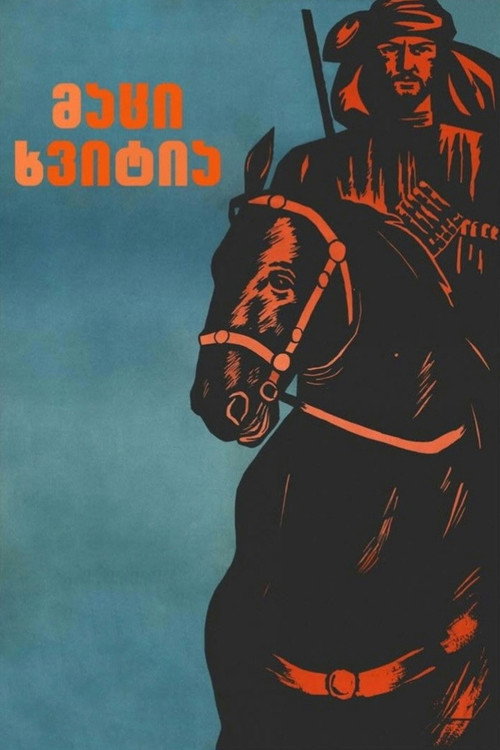
It’s about a 13th-century Georgian legendary avenger, the noble robber Matsi Khvitia, who bravely fought against the princes’ arbitrary rule.
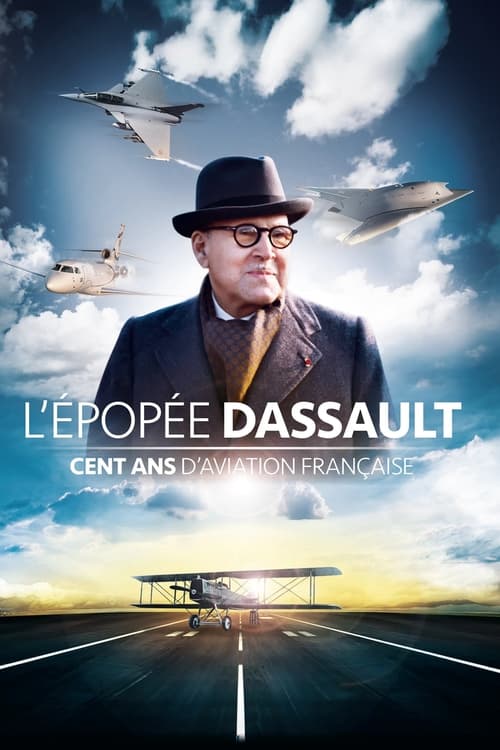
In 1916, while France was bogged down in trench wars, a young engineer named Marcel Bloch was inventing a revolutionary propeller, the Eclair propeller. It would prove very effective in air combat. Today, Dassault Aviation, named after the moniker its founder took on after the war, is among the jewels of the worldwide aeronautics industry. From astonishing growth to unexpected crises, the Dassault group's destiny is closely linked to the history of France and the saga of modern aviation. As it marks its first century of existence, the company continues to fly in civil and military aviation, still following the path of its founder's visionary spirit, Marcel Dassault.

The film is about a day in the life of Elizaveta Petrovna Glinka, also known as Doctor Liza. Moscow, 2012. The Glinka family prepares for a celebration: thirty years together. The closest friends are invited for dinner, the sons have arrived. Of course, Liza has freed up this day for her family. There’s just a trifle: to stop by the Fund and see the weekly patients at the Paveletsky Station. But the days of Doctor Liza are always full of surprises… In a hospital in a Moscow suburb a five-year-old girl is dying. The duty doctor has to discharge Eva. Due to medical formalities the child, who suffers from cancer, is left without painkillers. In utter despair, the girl’s father turns to Liza for help. When Liza cannot find a way to help the child within the system, she decides on a desperate act…


The Soviet Union teeters on the verge of collapse in 1990 and tiny Baltic nations struggle to take back their independence. A rising tide of public opinion opposes the Estonian national team's participation in the USSR's basketball championship. The team makes the unpopular choice to participate.

This film highlights moments in the long and rich African American cinema history in relation to social and political events, and how it affected Black viewers of the time.
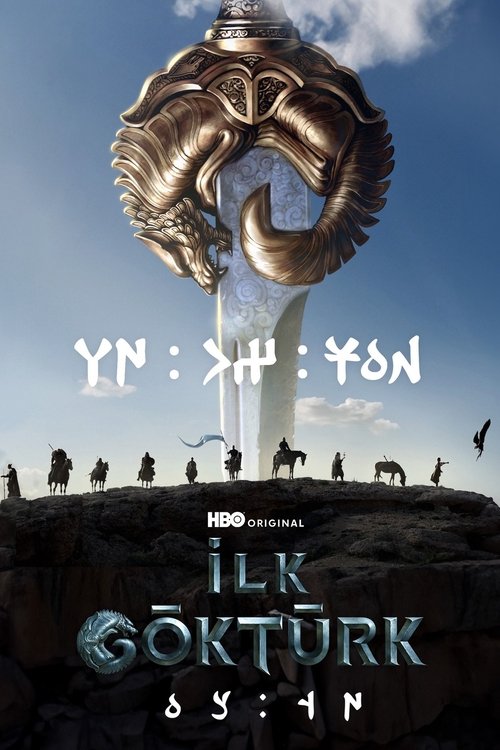
This rebellion, which began with Bumin, Istemi, and his mentor Alagar, will write the epic of a people who broke their chains and re-emerged on the stage of history.
At the height of Maoism, China was as closed off as present-day North Korea. But even at that time, some Western foreigners lived in the country and, in the summer of 1966, they witnessed firsthand the upheaval of the Cultural Revolution. In this time, young leftist activists In Western Europe idolized Mao as a harbinger of a utopian society. As China eased out of its age of isolation in the early 1970s, many Westerners outside of China had to face a harsh reality.
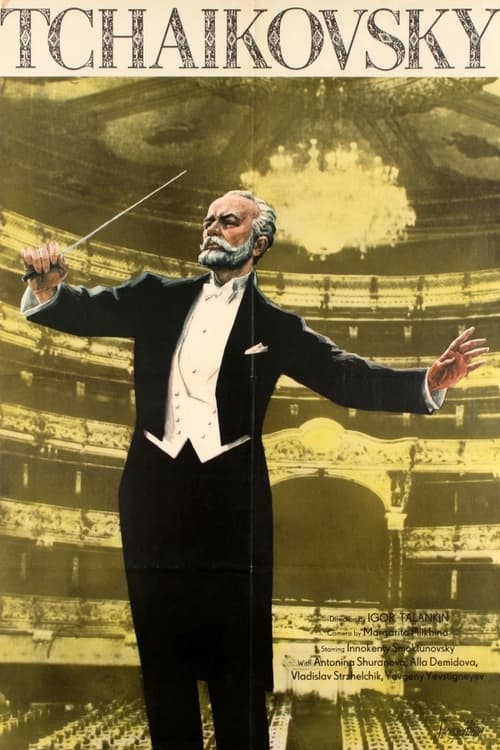
The film is dedicated to the great Russian composer Pyotr Tchaikovsky (1840-1893). It tells of the last twenty years of the great master’s life, of his friendship with Baroness von Meck, an outstanding woman of her time, who for many years was Tchaikovsky’s guardian angel. The film also includes retrospections of the composer’s childhood and adolescent years, with Tchaikovsky’s life poetically recounted against the background of fragments from his operas and ballets performed by the best Russian musicians.
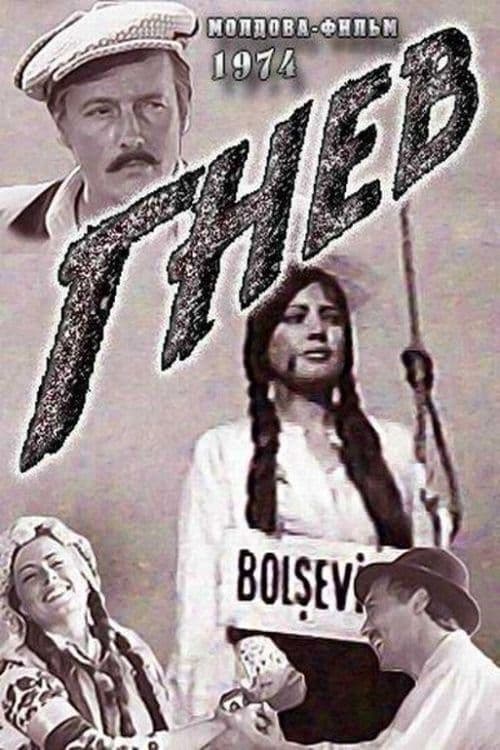
Historical drama about the Tatarbunar uprising in southern Bessarabia in September 1924. The plot is based on the complicated relationship between two brothers standing on opposite sides of the barricades. The betrayal of one of the brothers led to a spontaneous uprising of the poor, which swept the entire south of Bessarabia and was brutally suppressed by the punitive occupation forces.

A documentary that details the process of restoring 270 of the 520 lost films of pioneering director Georges Méliès, all orchestrated by a Franco-American collaboration between Lobster Films, the National Film Center, and the Library of Congress.
The Pilchuck Glass School outside Seattle has been going for 43 years. Started by Dale Chihuly, when glass in America was at its infancy. This school is responsible for making the US Studio Glass movement what it is today. It's an international institution now, bringing students from all over the world. It started in 1971, during the peace movements, Flower Power and war in Vietnam This documentary tells the story of it's beginnings, and how it's now made the Pacific NW, the largest glass art center in the world.
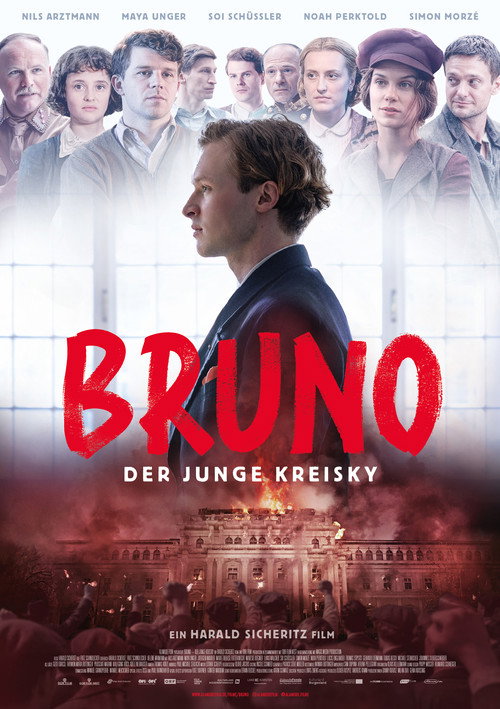

David Whitmer, Oliver Cowdery and Martin Harris face ridicule and persecution when they claim to have seen angels and hefted golden plates containing ancient inscriptions.
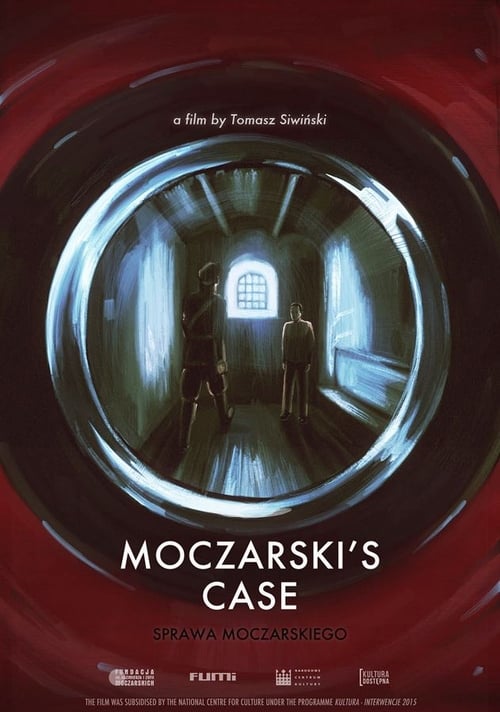
A true story. In post WW2 Poland, Kazimierz Moczarski is jailed with the SS officer he tried to assassinate – both enemies of the new state.
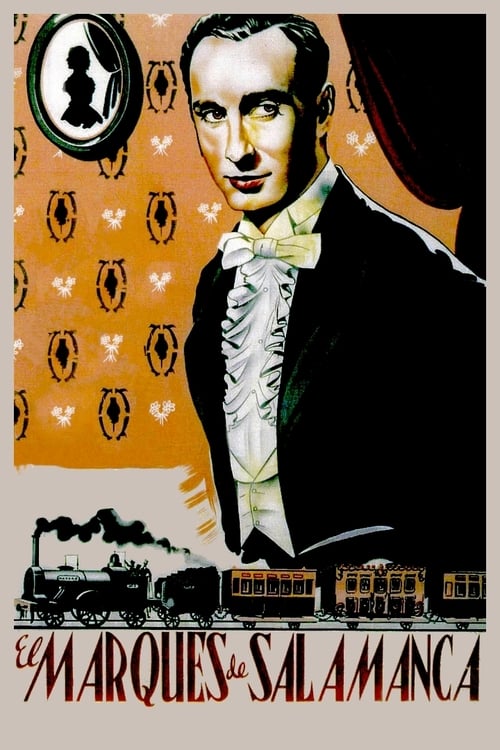
José de Salamanca was arguably one of the most influential figures of the Spanish 1800s. This films tells his story.