Protocol Archives • Browse all History titles in HD

In Hanoi, a French couple who had come to adopt a baby met Maï, an old woman who had a love affair with a French officer in 1945. She tells how, sent by de Gaulle to restore order, Leclerc negotiates with Ho Chi Minh, against the advice of d'Argenlieu, the high commissioner.
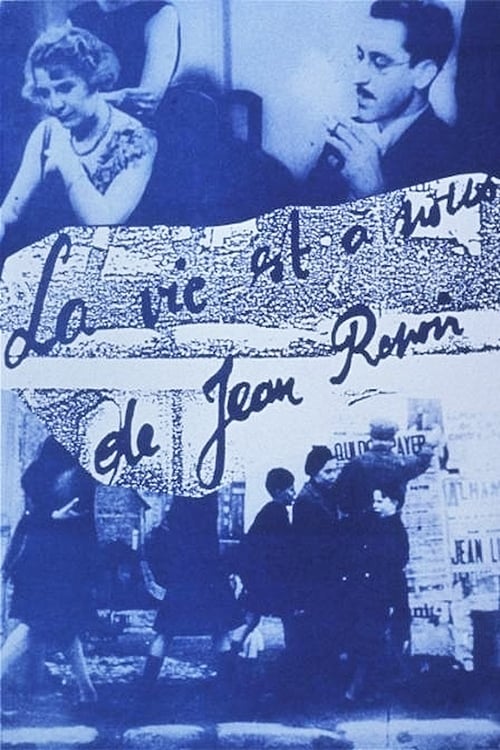
A propaganda film of the communist party of France, showing how the comrades help the proletariat against the capitalists.

The history of a Polish family and its contributions to the war effort throughout American history.
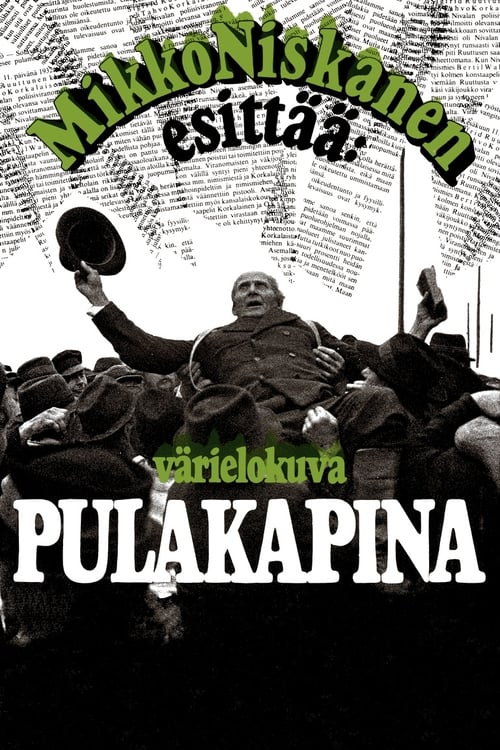
Based on a true story about the so called 1932 Horse Rebellion in Nivala, Finland. The decision to put down a sick horse owned by a poor farmer rises the farmers in open rebellion against the authorities.
Documentary revealing the inner workings of the world's most powerful intelligence organization, with unprecedented access to America's spy network, all 12 living CIA directors and top agency operatives, who talk candidly about torture, secret prisons, drone warfare, alleged assassinations and the constant threat of attack, which begs the question: how far should America go to keep us safe?
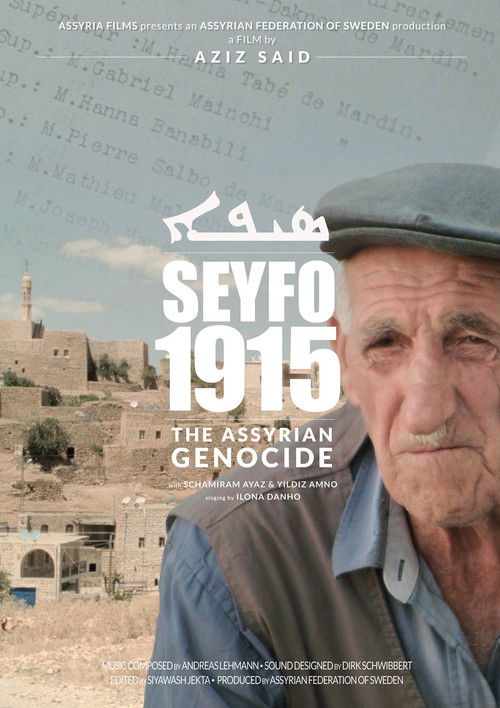
In the shadow of the First World War, the genocide of the Christian Assyrians took place almost unnoticed by the world public. This first systematic genocide of the 20th century was committed by the Young Turks (Ottoman Empire) and would not have been possible without the support of some Kurdish local rulers and their family clans. The Assyrians are the indigenous people of Mesopotamia and have lived in Mesopotamia for thousands of years. The film includes testimony from several European, Turkish and Assyrian historians, as well as genocide researchers, including Professor Taner Akcam, Dr. Gabriele Yonan and Professor David Gaunt. The film includes testimony from survivors of the genocide. Various journalists and publicists also have their say with well-researched information in this documentary. The Assyrians refer to the Genocide as "Seyfo" (ܣܝܦܐ), which translates as "sword".
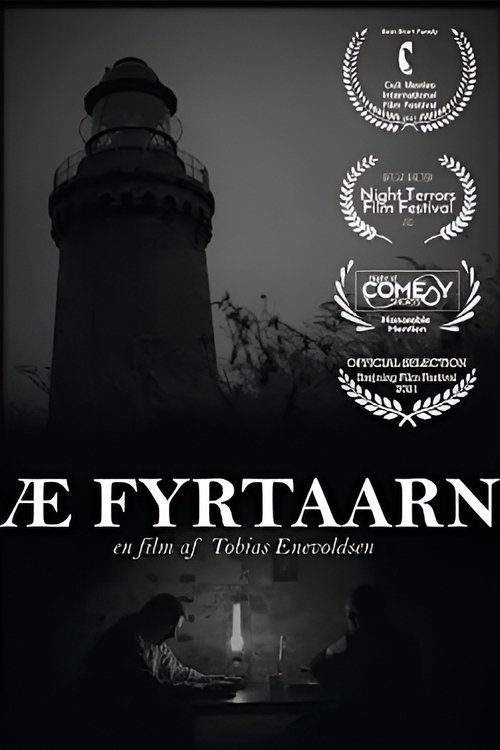
By the seashore of western Denmark, two men share a lighthouse and a bad soup.
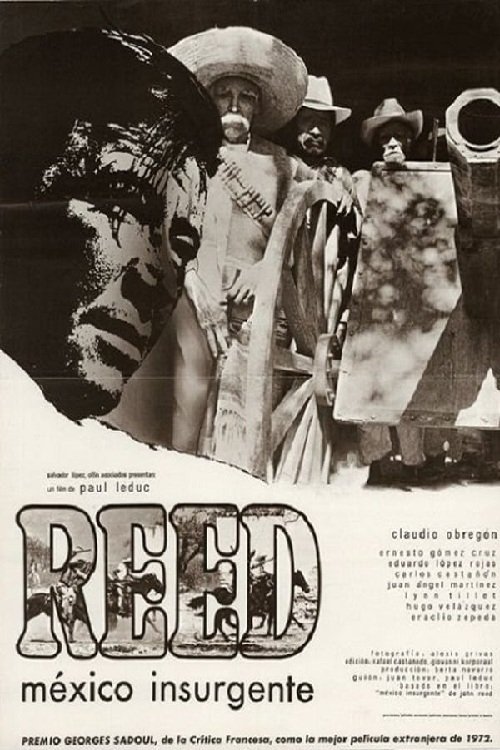
A dramatization of John Reed's newspaper accounts of the Mexican Revolution. Considered the first real film in Mexican cinema to be made on the Mexican Revolution.
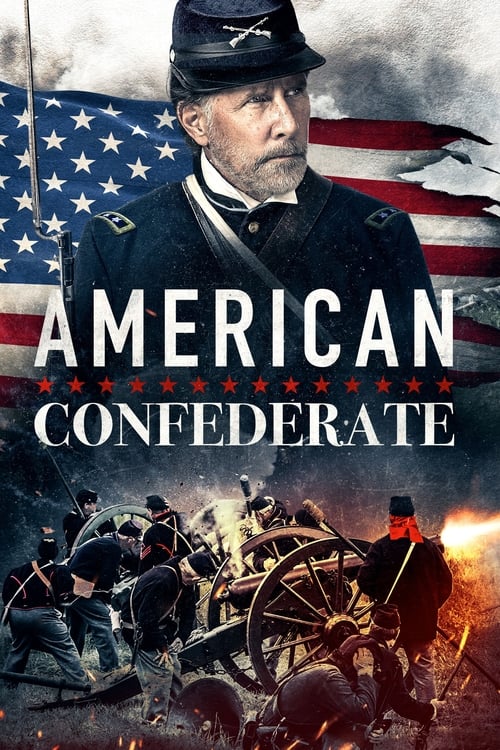
A look at a group of Union and Confederate cavalry from late 1862 until the end of the Civil War in 1865.
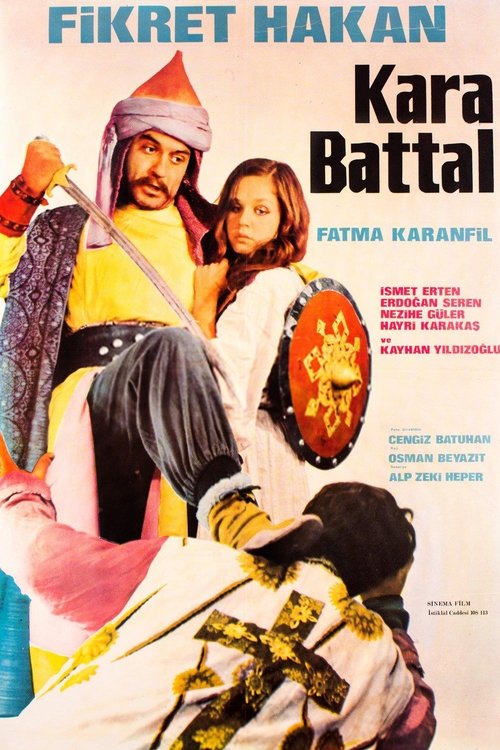
In Byzantine Empire, a man (hired to repair the caslte) is wrongly accused of killing a young girl and sentenced to death.
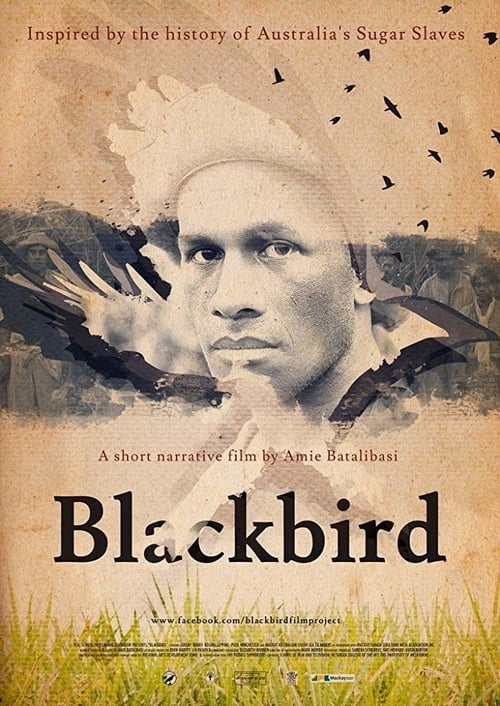
In the late 1800s, two Solomon Islander siblings, Kiko (16) and Rosa (24), were kidnapped from their Pacific island home and forced to work on a sugar cane plantation in Queensland. In a world where exploitation of Pacific Islanders for cheap labour is legislated and conditions for islanders are akin to slavery, Rosa struggles to keep an eye on her spirited young brother as he journeys into adulthood.
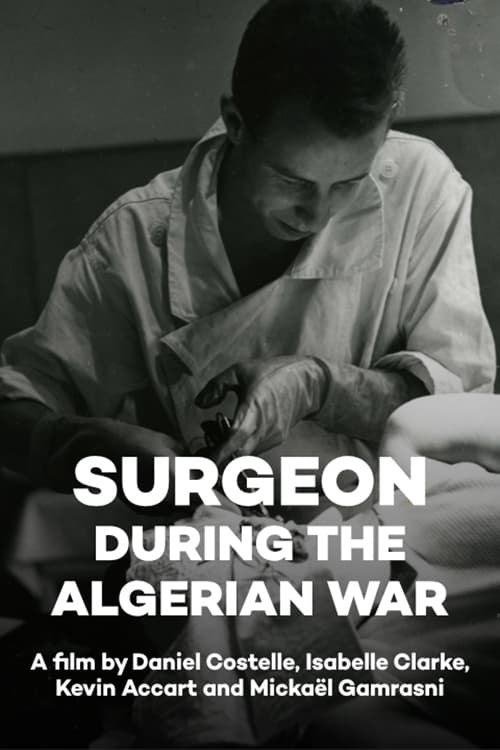
Has everything really been said about the Algerian war? Although the archives are opening up, almost fifty years after the signing of the Evian Agreements (March 18, 1962), direct witnesses are beginning to disappear. They are, however, unique bearers of history, often the only ones able to illustrate the harsh reality of a long-hidden period. Gérard Zwang, surgeon of the contingent between May 1956 and June 1958, is one of these essential witnesses who help us discover an original history of the Algerian War. During his service, in charge of treating the most atrocious wounds of his fellow soldiers, he sees the war from the side of its victims. He did not fight with a machine pistol in his hand, but behind the closed doors of an operating room where life gives way to death in a matter of seconds.
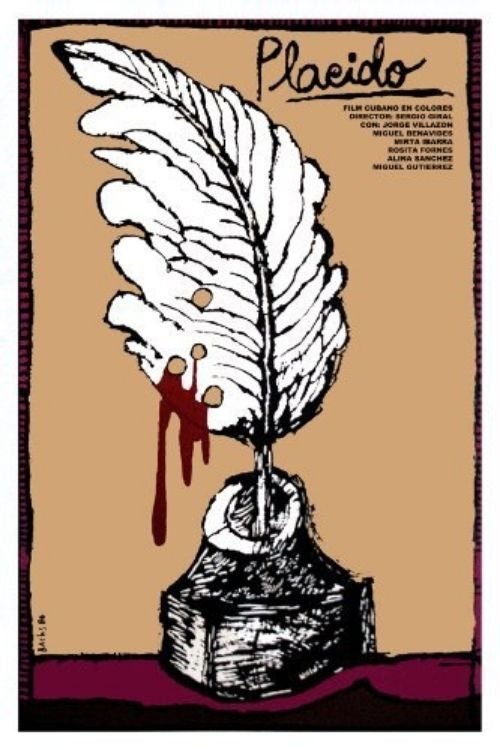
Gabriel de la Concepcion Valdes (Plácido) is accused of leading a conspiracy against the Spanish colonial government. Preoccupied by the development of Afro-Hispanic artist and craftsmen of the mid 19th century, Plácido was executed after living a short and controversial life.
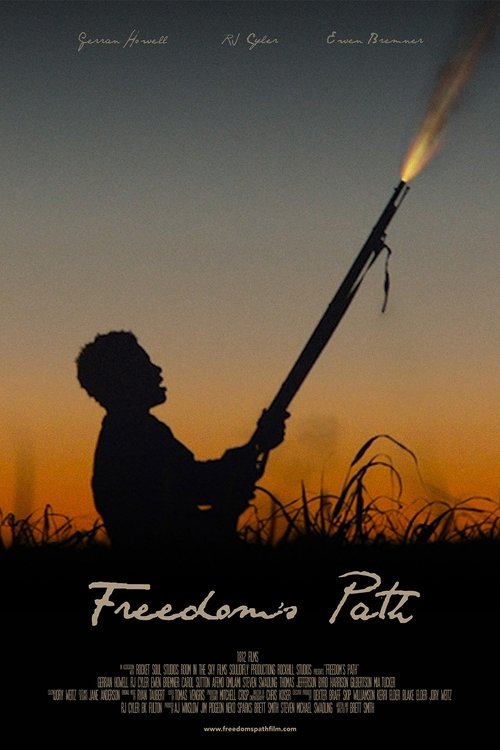
A Union soldier flees from battle and is rescued unexpectedly by free Black man Kitch and his friends. Risking everything, Kitch takes William deep into the woods to the safety of his adopted home. It's here that William discovers Kitch is a part of secret community of freed slaves, who run a portion of the Underground Railroad. When a ruthless and desperate slave catcher discovers the underground network, he conspires to bring it burning down to the ground.
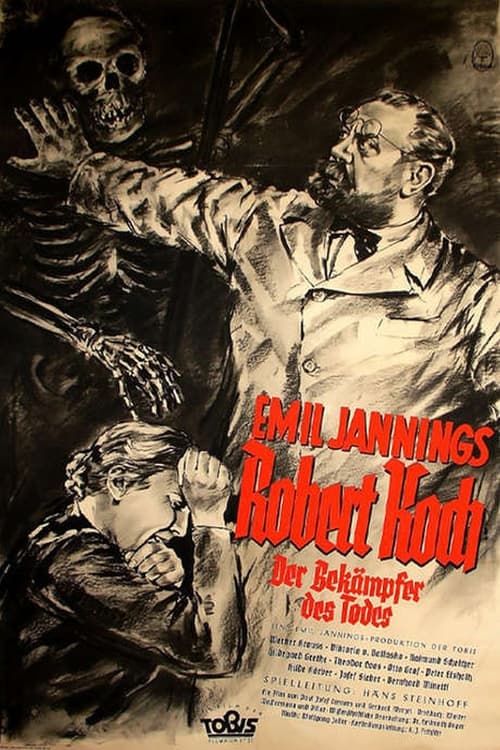
Country Dr. Robert Koch is desperate: a tuberculosis epidemic is decimating the children in his district and no one is able to do anything about it. Every fourth child is already sick and the parents must helplessly watch as their young ones die. Now Koch is undertaking to find the cause of the tuberculosis --- something he has already been working on for years --- which has been causing this plague of illness. His work is made more difficult by envy; for example, that of his teacher, who was wounded defending his honor. But his greatest obstacle is the famous Berliner scientist and Reichstag deputy, Privy Councilor Rudolf Virchow: He is extraordinarily skeptical of Koch's theory, that the cause for tuberculosis is a bacteria.
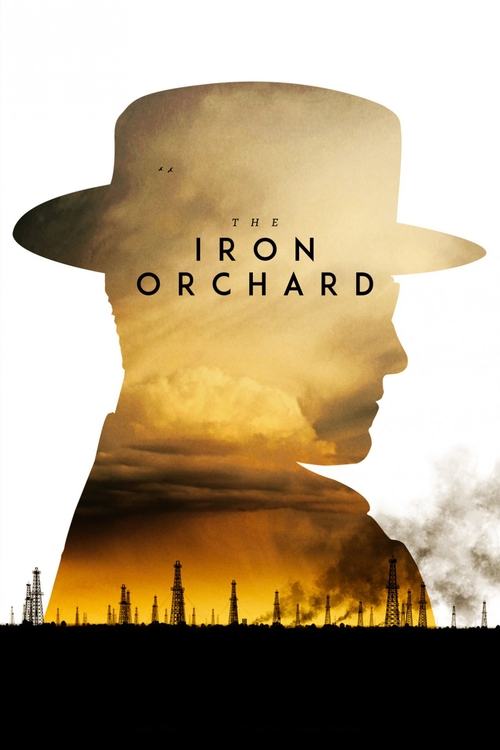
Jim McNeely thrust into the vibrant and brutal West Texas oilfields in 1939 and works his way through the ranks to ultimately become a formidable wildcatter.
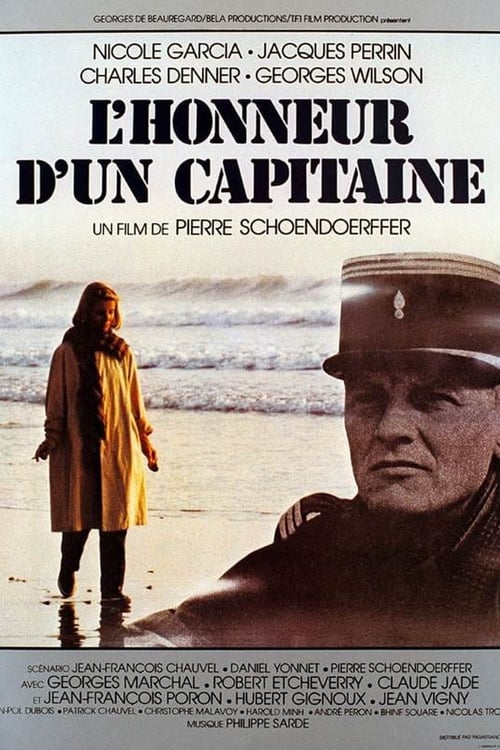
During a televised debate on the Algerian war in the early 1980s, Professor Paulet denounced the methods of Captain Caron, killed in action in 1957. The widow of the captain, Patricia, decided to file a defamation suit.
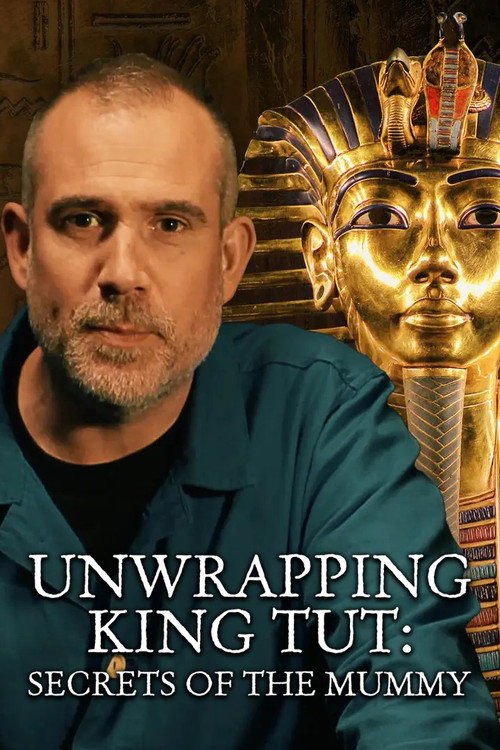
On the 100th anniversary of Howard Carter first unwrapping the mummy of Tutankhamun, Dr Xand van Tulleken sets out to reexamine the six extraordinary days it took to reveal the Boy King beneath the bandages.
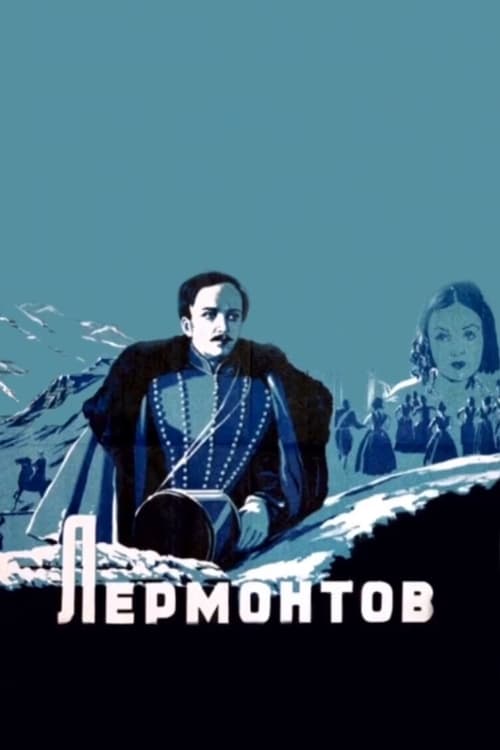
Chronicle of the life of Russian poet Michail Lermontov, from the final days of Alexandr Pushkin to the fatal destiny of the poet himself.