Protocol Archives • Browse all History titles in HD
Famed but tormented artist Vincent van Gogh spends his final years in Arles, France, painting masterworks of the natural world that surrounds him.
In 1909, two explorers fight to survive after they're left behind while on a Danish expedition in ice-covered Greenland.
The triumphant underdog story of the University of Washington men's rowing team, who stunned the world by competing at the 1936 Berlin Olympics.
A French woman arrives in Montevideo, to meet poet Juan Carlos Onetti and investigate the story of the city. She is intrigued by the photograph of the day when president Bordaz was killed and a zeppelin flew above the city at the turn of the century. She is helped by a photographer and both fall into a police intrigue.

Epic film of the legendary Spanish hero, Rodrigo Diaz ("El Cid" to his followers), who, without compromising his strict sense of honour, still succeeds in taking the initiative and driving the Moors from Spain.
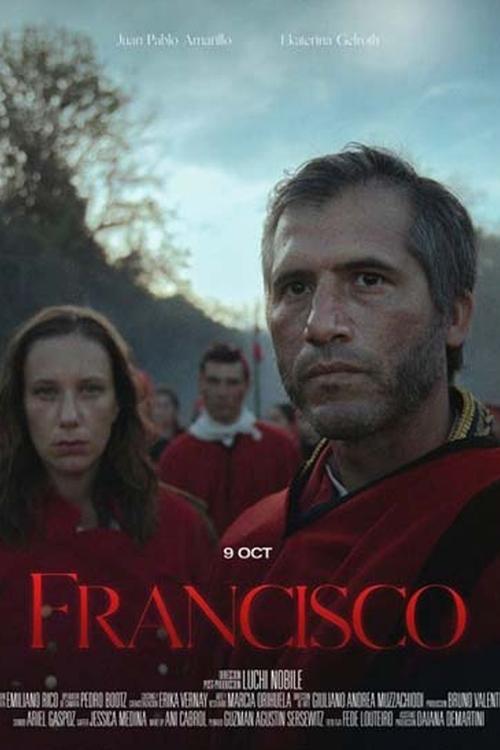
Both sought freedom, both got it. Francisco Ramírez and La Delfina star in one of the most exciting Argentine legends in a captivating historical short film.

Full length survey of highpoints in the explorer's life. Shows influencers he sought who supported his project and opposition and even indignities he suffered from enemies and those prejudiced against the idea of a New World.
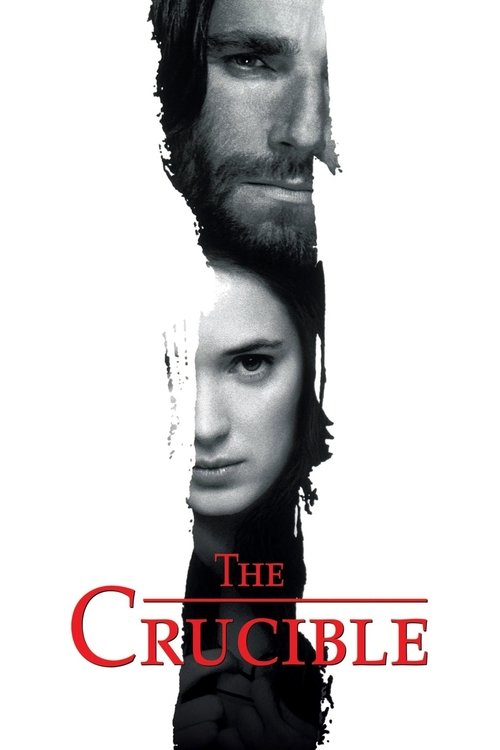
A Salem resident attempts to frame her ex-lover's wife for being a witch in the middle of the 1692 witchcraft trials.
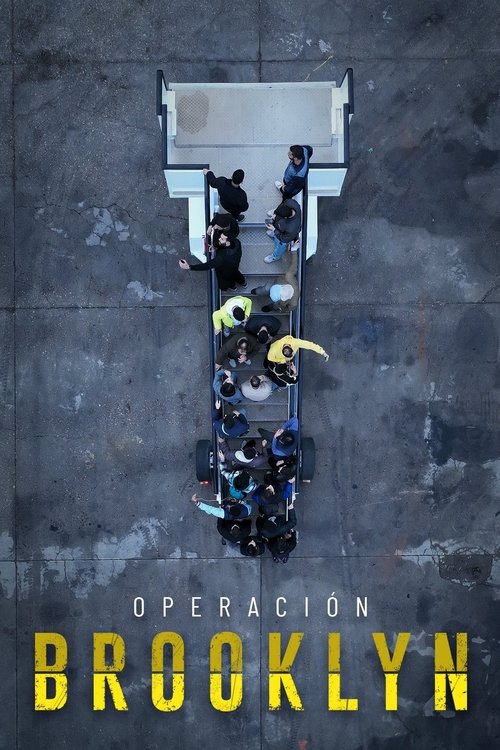
Spain, November 5, 2021. After an emergency landing, several people traveling from Casablanca (Morocco) to Istanbul (Turkey) escape from Palma de Mallorca airport.
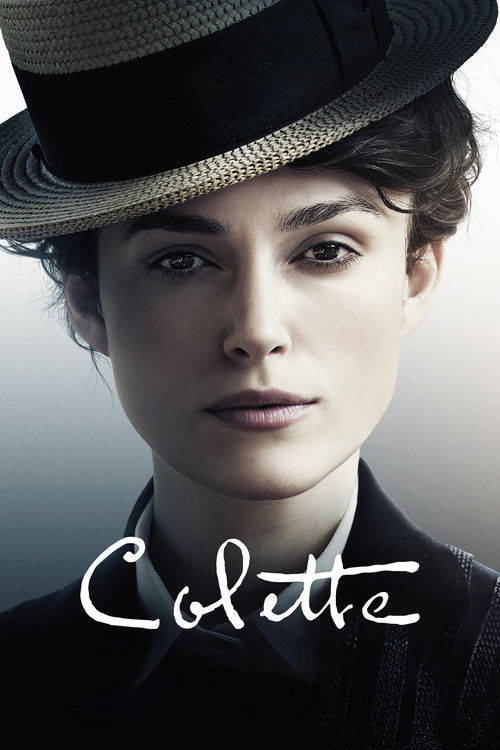
After marrying a successful Parisian writer known commonly as Willy, Sidonie-Gabrielle Colette is transplanted from her childhood home in rural France to the intellectual and artistic splendor of Paris. Soon after, Willy convinces Colette to ghostwrite for him. She pens a semi-autobiographical novel about a witty and brazen country girl named Claudine, sparking a bestseller and a cultural sensation. After its success, Colette and Willy become the talk of Paris and their adventures inspire additional Claudine novels.
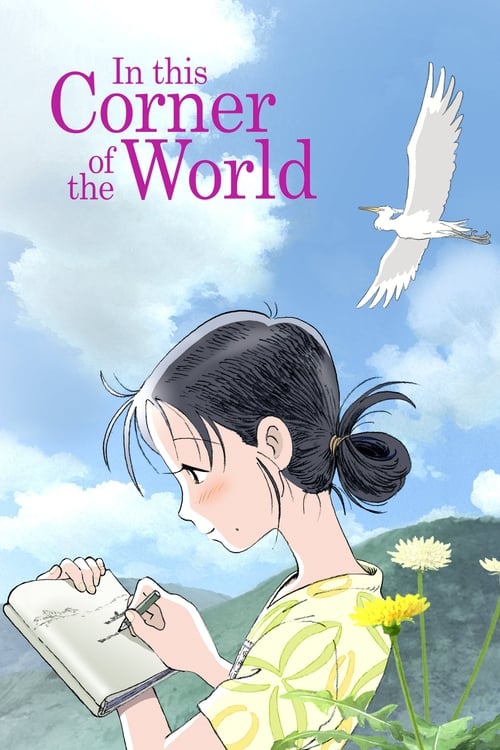
Japan, 1943, during World War II. Young Suzu leaves her village near Hiroshima to marry and live with her in-laws in Kure, a military harbor. Her creativity to overcome deprivation quickly makes her indispensable at home. Inhabited by an ancestral wisdom, Suzu impregnates the simple gestures of everyday life with poetry and beauty. The many hardships, the loss of loved ones, the frequent air raids of the enemy, nothing alters her enthusiasm…
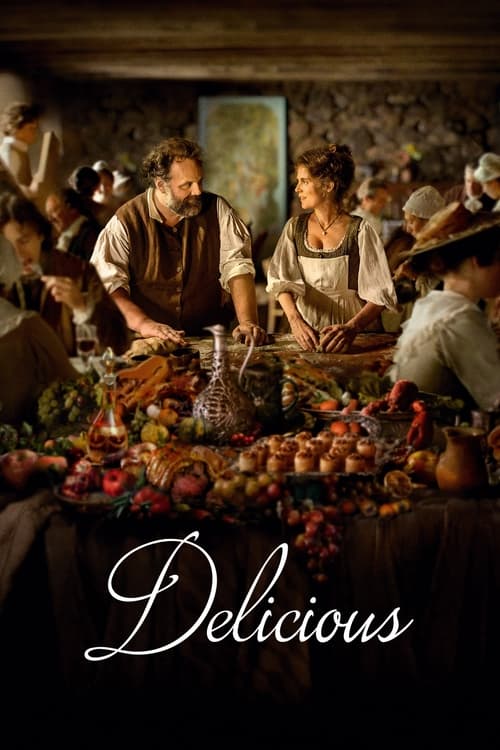
France, 1789 - just before the Revolution. When talented chef Manceron is dismissed from his prestigious position by the Duke of Chamfort, he loses the taste for cooking. But when he meets the mysterious Louise, together they decide to create the very first restaurant in France.
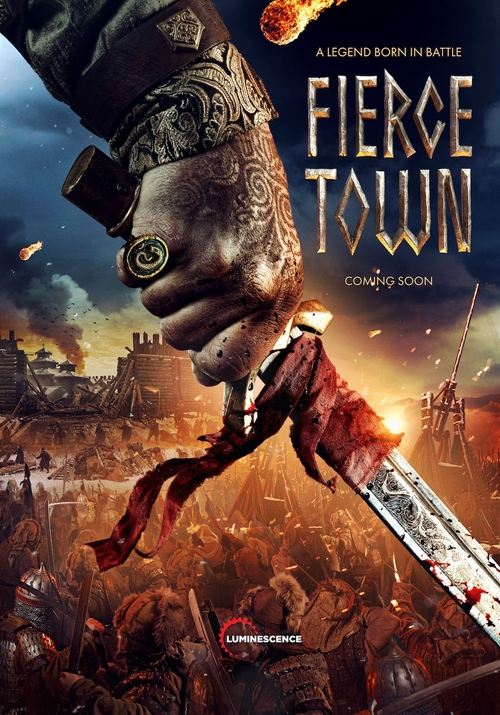
By the middle of the 12th century, the borders of the Mongolian Empire stretched from the Adriatic and Mediterranean Seas in the west to the southern lands of China in the east. The Mongolian army, under Khan Batu’s command, was known for its invisibility, destroying anyone who dared to challenge them. Yet, even within their central territories, some areas refused to bow to the Genghisids. Kozelsk was one of them. The Mongolian armies bypassed the high walls of this small town, considering that "the skin of the wolf was not worth the risk of encountering its teeth".However, one of the Khan’s commanders harbored a grudge against the town's citizens. Now, the people of Kozelsk must face a battle against the strongest army in the world, with no hope of victory. This is a story about people facing their death. Some try to escape, others are willing to do anything to survive, but most are prepared to protect their city from the relentless storms of the Mongolian hordes.
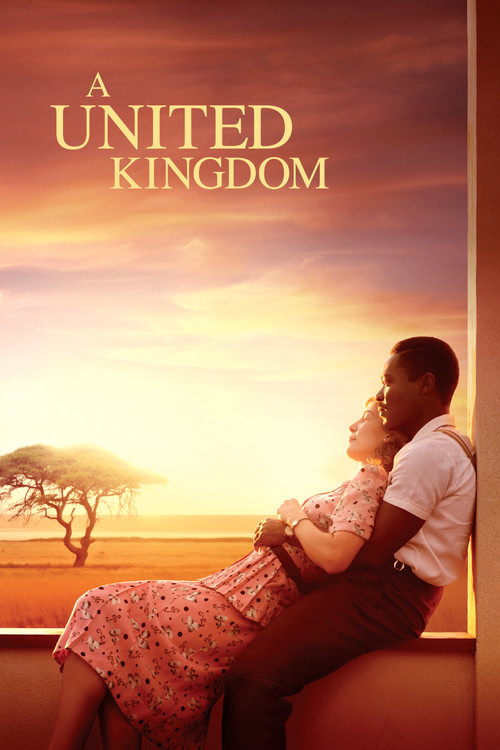
The inspiring true story of Seretse Khama, the King of Bechuanaland (modern Botswana), and Ruth Williams, the London office worker he married in 1948 in the face of fierce opposition from their families and the British and South African governments. Seretse and Ruth defied family, Apartheid and empire - their love triumphed over every obstacle flung in their path and in so doing they transformed their nation and inspired the world.
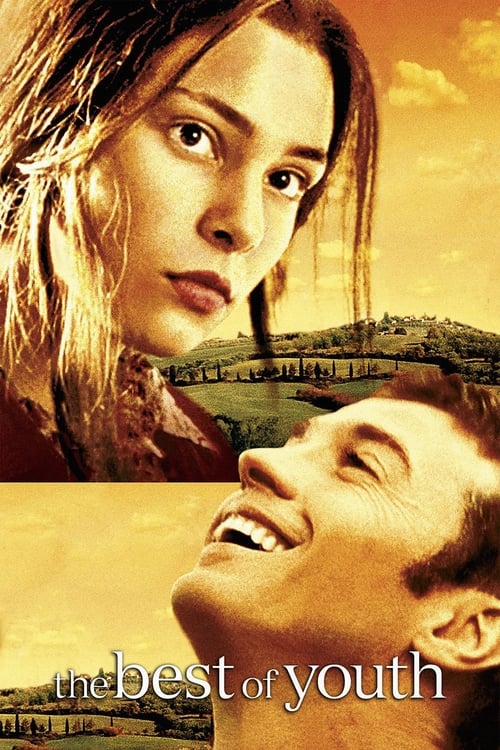
After a fateful encounter in the summer of 1966, the lifepaths of two brothers from a middle-class Roman family diverge, intersecting with some of the most significant events of postwar Italian history in the following decades.
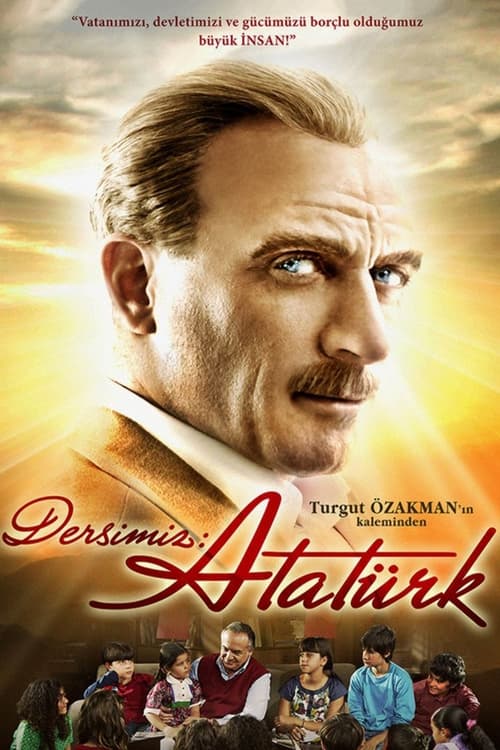
Tarihci Dede is giving information to a couple of children about Mustafa Kemal Atatürk's success and his way to shape todays Turkey.
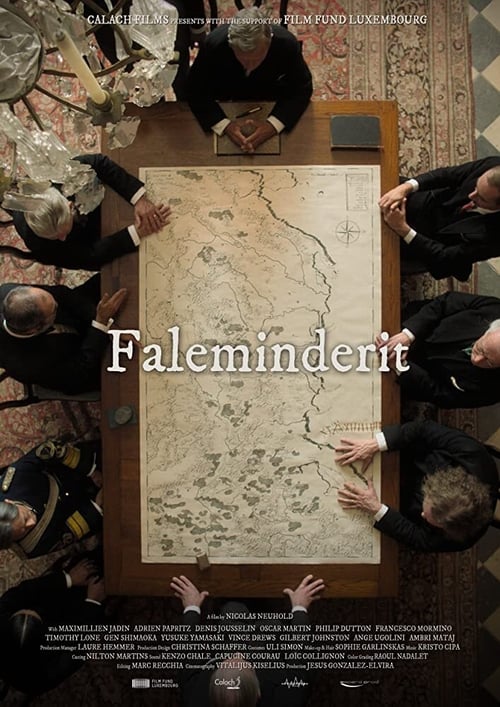
In 1921, Charles, a young Luxembourgish cartographer is sent to Albania as part of a border commission to gather information on the topography and the people of the region. The country has recently become independent, but it does not yet have clearly defined borders. Back in Paris, Charles gets to report to the Conference of Ambassadors. At first, he is overwhelmed by the impressive architecture and the intimidating grandeur of the event. However, he soon learns that the party of self-serving diplomats has little interest in the future of the people he has just met. With no representative of Albania even present, Charles feels the need to speak up for the young country. Despite breaking protocol in doing so, Charles shares an observation with the quarrelling diplomats that allows them to find a peaceful solution to the question of where to draw the urgently needed borders.
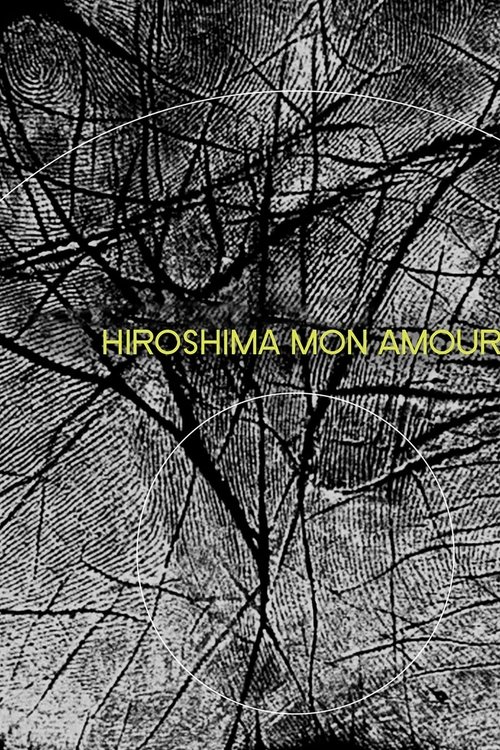
The deep conversation between a Japanese architect and a French actress forms the basis of this celebrated French film, considered one of the vanguard productions of the French New Wave. Set in Hiroshima after the end of World War II, the couple -- lovers turned friends -- recount, over many hours, previous romances and life experiences. The two intertwine their stories about the past with pondering the devastation wrought by the atomic bomb dropped on the city.

A Russian military propaganda film about the tank commander Kalashnikov, severely injured in battle in 1941. The accident leaves him incapacitated and unable to return to the front line. While recovering in the hospital, he begins creating the initial sketches of what will become one of the world’s most legendary weapons. A self-taught inventor is only 29 when he develops the now iconic assault riffle — the AK-47. Shot in occupied Crimea.