Protocol Archives • Browse all History titles in HD
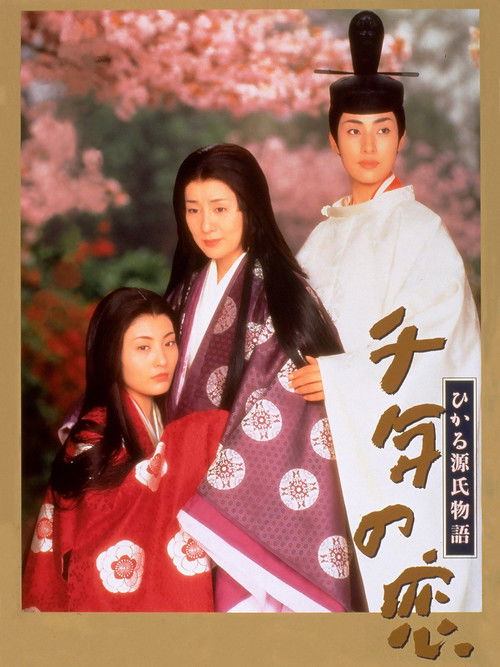
Set in 900AD and tells the story of a famous female writer of the time, Murasaki Shikibu. Her story begins from the death of her husband, a Japanese noble, then moves on to her recruitment to train the Prince's young 'wives in waiting'. It is dotted throughout and actually composed mainly of one of the fictional stories she wrote, the tale of Genji. Genji is a rich playboy who falls in love and has a son to his stepmother. He falls in love often and has many wives whom are all completely subservient to him.
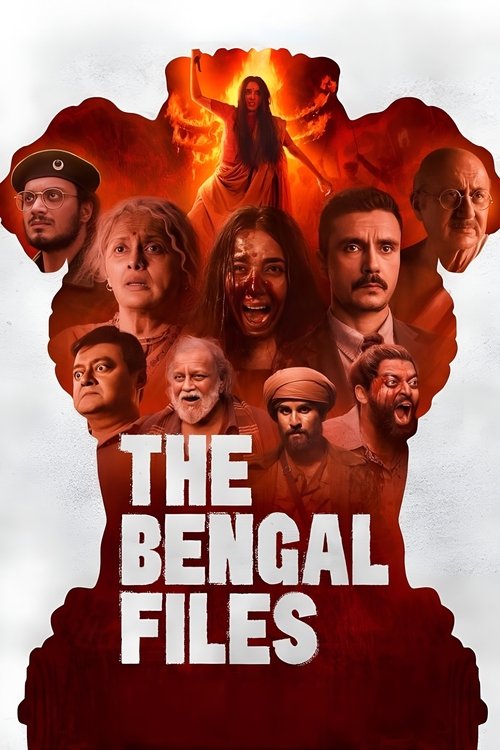
A criminal investigator uncovers a web of corruption during a missing person investigation, while a figure connected to the case reflects on the communal violence which broke out ahead of India's partition.
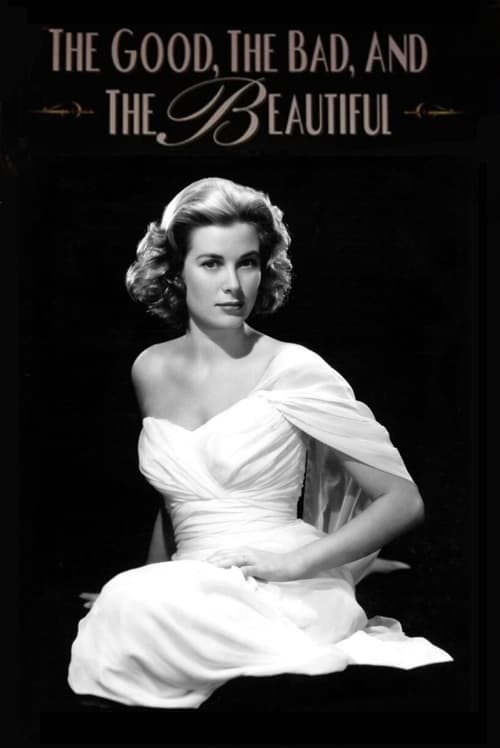
A documentary reflecting on women in film and the entertainment industry through the ages led and hosted by some of its most beloved female icons.

Because of Eowoodong the men in the neighborhood can’t sleep at night! Eowoodong escapes before she can be arrested for causing havoc. She escapes to a village where she falls and loses her memory. A bachelor in town finds her and nurses her back to health. He tells Eowoodong to stay with him until she regains her memory. But in a small village, word of Eowoodong’s beauty spreads quickly and it scintillates the instincts of the men in town.
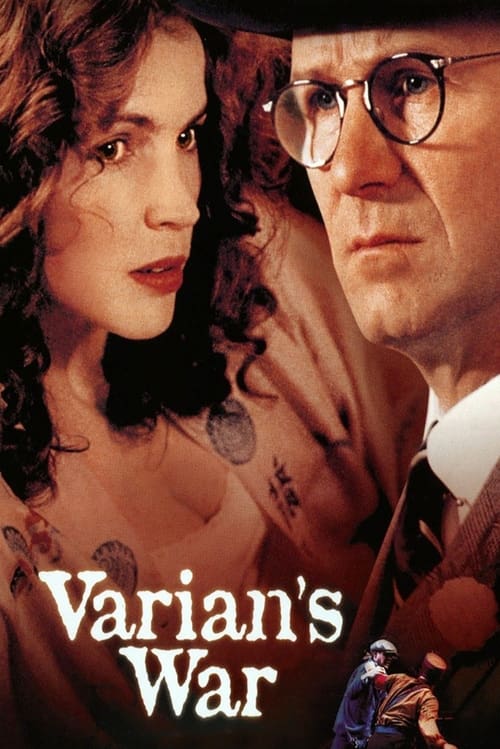
Varian Fry rescues more than 2,000 artists from Nazi persecution during World War II.
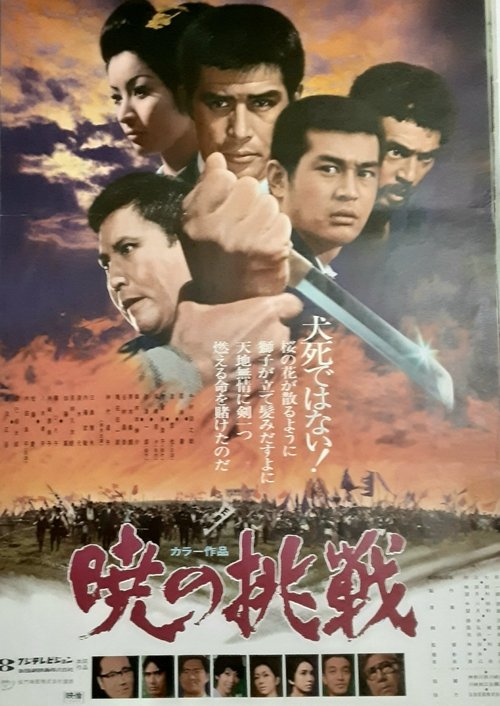
Set in Kawasaki in 1925, Challenge at Dawn is based on the Tsurumi Riot Incident, which actually ocurred in Yokohama that year and was sparked by corruption and yakuza involvement in the construction industry.

What led Arthur Conan Doyle to create, and then destroy the world famous detective, Sherlock Holmes? This compelling drama explores the dark secrets that surround the author and his creation.
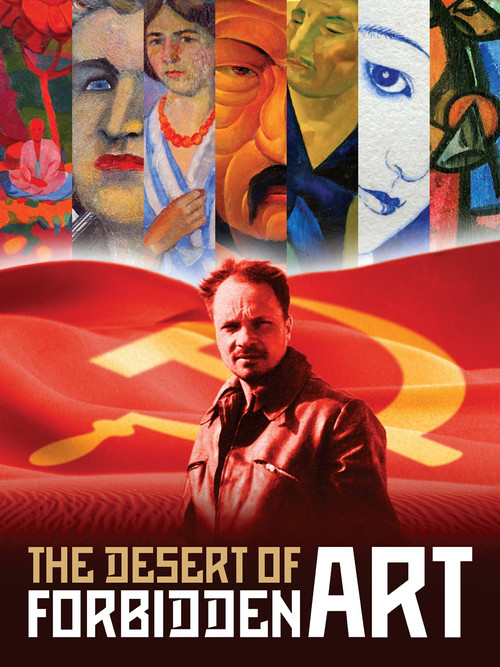
How does art survive in a time of oppression? During the Soviet rule artists who stay true to their vision are executed, sent to mental hospitals or Gulags. Their plight inspires young Igor Savitsky. He pretends to buy state-approved art but instead daringly rescues 40,000 forbidden fellow artist's works and creates a museum in the desert of Uzbekistan, far from the watchful eyes of the KGB. Though a penniless artist himself, he cajoles the cash to pay for the art from the same authorities who are banning it. Savitsky amasses an eclectic mix of Russian Avant-Garde art. But his greatest discovery is an unknown school of artists who settle in Uzbekistan after the Russian revolution of 1917, encountering a unique Islamic culture, as exotic to them as Tahiti was for Gauguin. They develop a startlingly original style, fusing European modernism with centuries-old Eastern traditions.
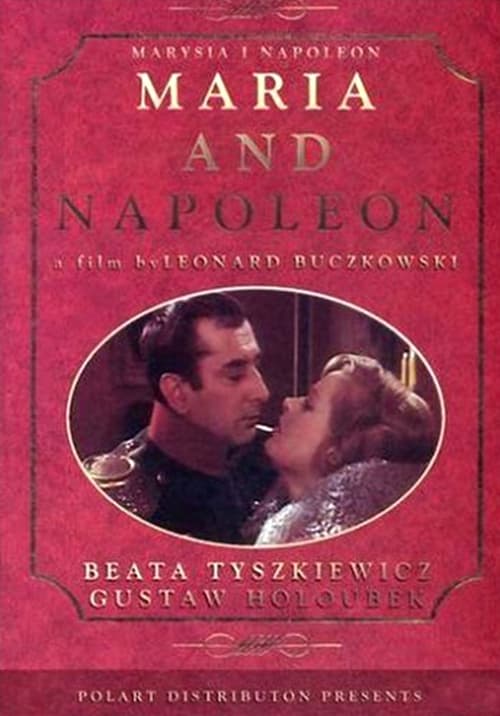
In 1807, Napoleon meets and falls in love with 22-year-old Polish countess Marie Walewska, who is unhappily married to a much older man. Enchanted by the blonde, blue-eyed countess, the emperor enters into an affair with Marie, who uses the relationship to induce Napoleon to treat Poland fairly.
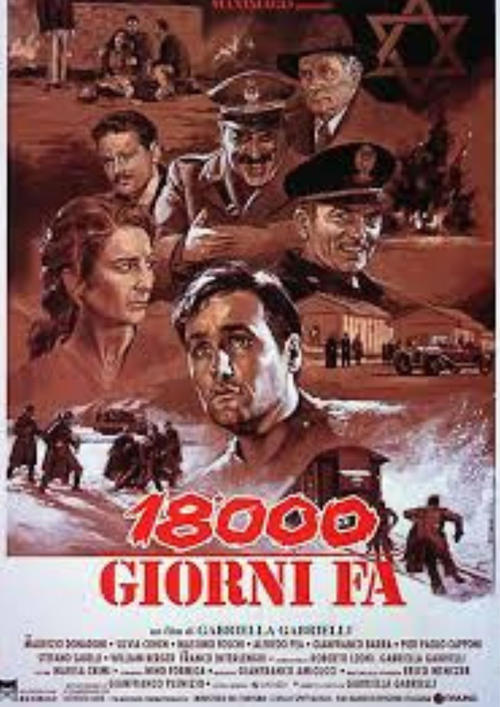
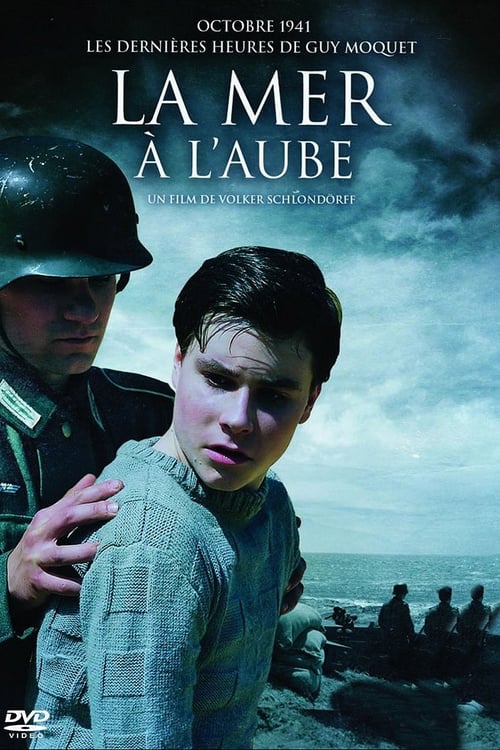
October 1941. Eighteen months into France’s occupation by German troops, young Communist members of the Resistance shoot dead an officer of the German Army. In retaliation, Hitler demands the deaths of 150 Frenchmen, as 'retribution'. The targets are to be mostly young men believed to share the assassins’ political convictions. Most of these men are taken from an internment camp for opponents of the occupation; a 35-year-old French rural administrator is ordered to select the victims. Although the parish priest appeals to their conscience and moral sensibilities, both the German military and their French helpers slavishly follow their orders.

In 1942, Red Army officer Nikolai Kiselyov receives orders to evacuate over 200 Jewish women, children, and elderly men facing brutality and death in Nazi-occupied Belarus. These exhausted, starving, terrified and bereaved people, deeply scarred by the horrors they have witnessed, must trek hundreds of kilometers along forest paths to regain hope of survival and faith in the future.

The strange and sordid tale of Eadweard Muybridge, the man who accidentally invented motion pictures. The film is told from the point of view of Muybridge's abandoned son and viewed completely through a nineteenth century early cinema contraption called a mutoscope.

“The Lion and The Unicorn” is a short film inspired by the heraldic symbols found on the Royal Coat of Arms of The United Kingdom, the lion (representing England) and the unicorn (representing Scotland). The piece uses representations of both alliance and opposition to explore national identity within the context of the 2014 referendum on Scottish independence.

A documentary telling the remarkable human story of Stephen Hawking. For the first time, the personal archives and the testimonies of his closest family reveal both the scale of Hawking's triumphs and the real cost of his disability and success.

Adolf Eichmann is finally captured and brought to Israel to stand trial. Without enough evidence to prosecute him, Police Captain Avner Less must extract a confession from the mastermind of the Holocaust.

The mysterious appearance of massive golden bracelets in int'l antiquarian circles uncovers an inside story of the looting of a 2000 yr-old Transylvanian golden-hoard. Police investigations...
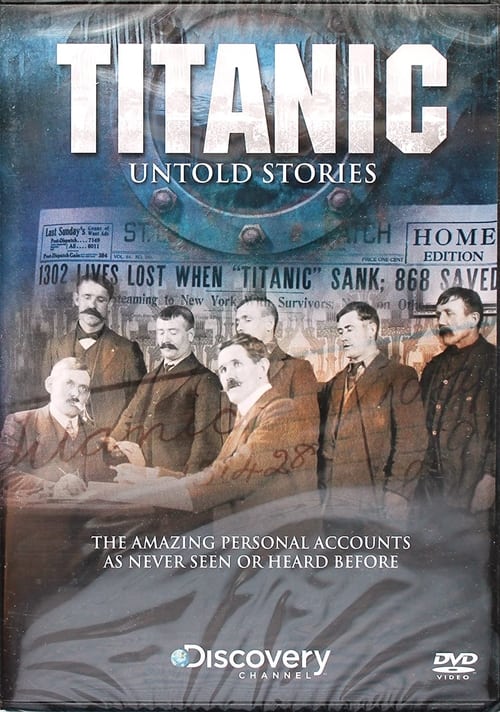
The gripping personal accounts of the people and the tragedy. In never-before-seen footage, we journey with historian Charles Haas, as he descends into the depths of the North Atlantic and guides us on a tour of the RMS Titanic. While recounting tales of triumph and struggle, we see among the many sites the doors where all passengers would have entered, peer through the porthole of a first class cabin, see the davits where the too few lifeboats hung and pause by the mail room where the postal workers heroically died. This unique footage coupled with letters, old stills, artifacts and new recreations tells the amazing human stories of this famous ship as never before.

Set against the windswept cliffs and secluded beaches of 17th-century Guernsey, 'Albert' follows the tale of Sarre, a reclusive man in possession of a forbidden grimoire: 'Le Petit Albert'.
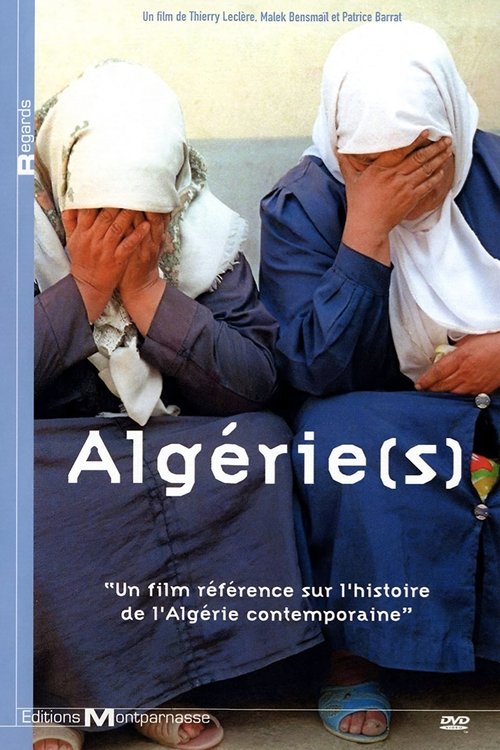
Documentary series in two parts: 1. A people without a voice (80'), 2. A land in mourning (78'). Part 1: A people without a voice: October 88, the Algerian Republic is faltering, the film goes back to the sources of this tragedy and explains how the face to face between the Islamists and those in power began. The interruption of the legislative elections of December 91, followed shortly after the assassination of President Boudiaf in June 92, plunged Algeria into chaos. Part 2: A land in mourning: the cycle of violence that leads to massacres and the economic and geopolitical underside of the war. More than 100,000 deaths, an incredible degree of barbarity, massacres, apparently incomprehensible... Behind the official window of power and its artificial political scene, hides a shadow power.