Protocol Archives • Browse all History titles in HD
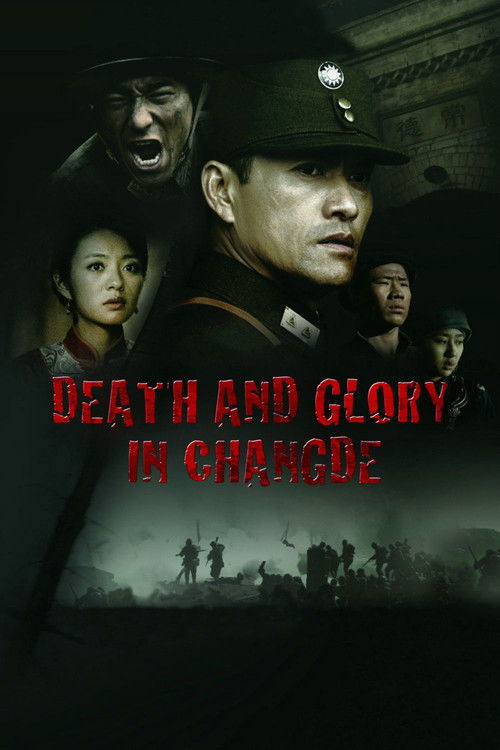
Directed by Shen Dong and starring Ray Lui, An Yixuan and Yuan Wenkang, Death and Glory in Changde recalls one of the most cruel and controversial battles during China's War of Resistance Against Japanese Aggression (1937-45), Changde Battle, in November 1943.
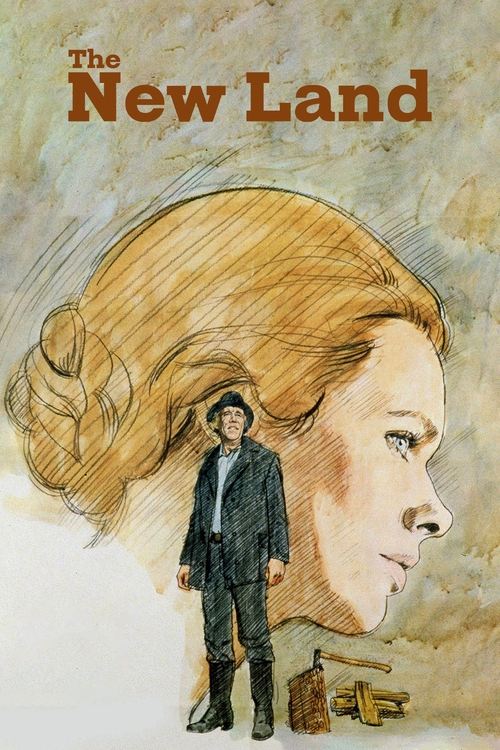
A Swedish immigrant family struggles to adapt to their new life on the American frontier during the second half of the 19th century amidst civil war, native uprising and the lure of gold in California.
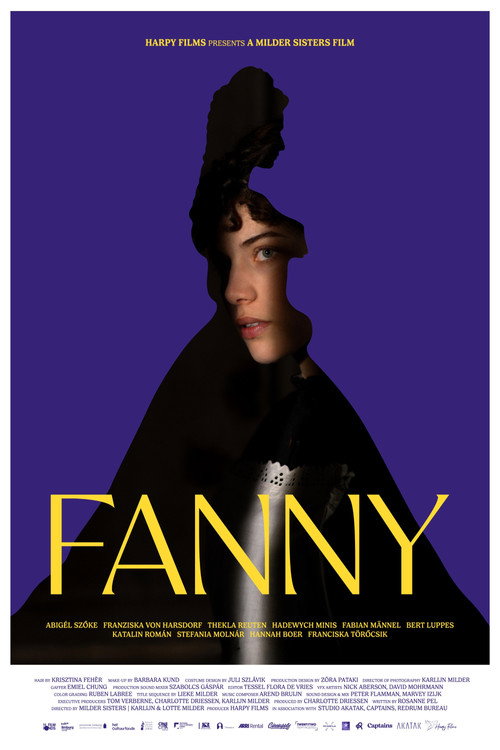
The ambitious hairdresser Fanny must survive within the demanding world of the Viennese court. When she pays no mind to the existing rules and moralities of the time, she draws the unexpected attention of the Empress, as well as a public audience.

In 1995, Quebec faced a harrowing choice: remain part of Canada or establish itself as a separate country. The future of a nation and a lifelong dream were at stake in this referendum. Through interviews and analysis, journalists Antoine Robitaille and Dave Noël delve into the secret strategies, fierce rivalries, and political maneuvering of both sides.
The film is about Azerbaijan.
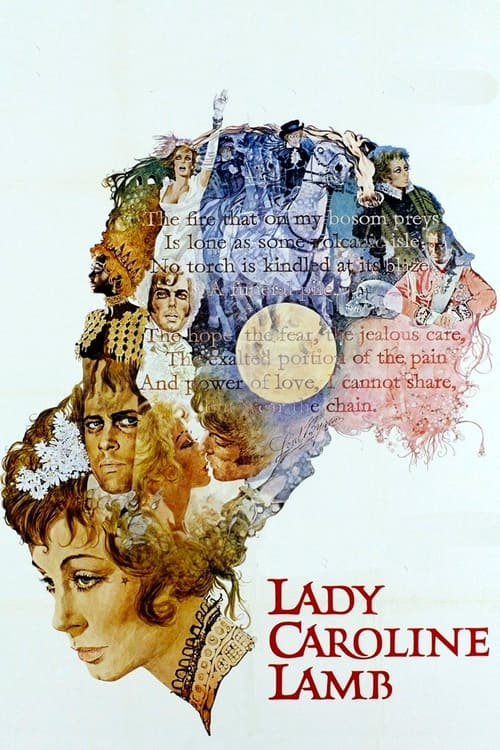
Lady Caroline Lamb, dissatisfied in her marriage, has an affair with the dashing Romantic poet Lord Byron.
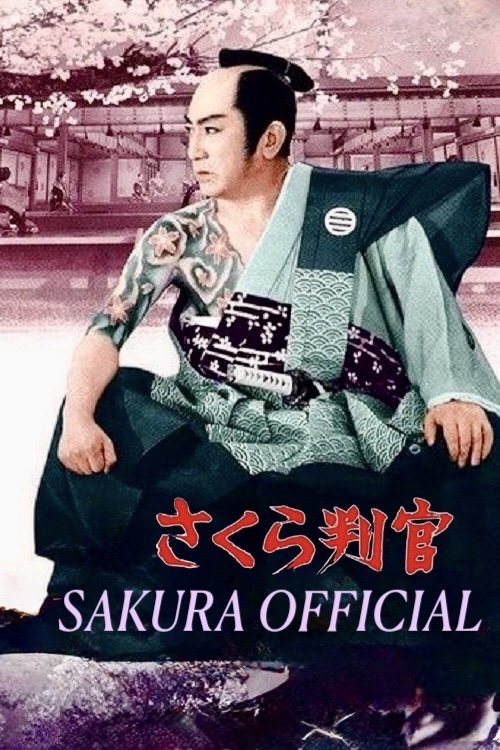
As Japan’s Tokugawa shogunate nears the end of its rule, Edo North Magistrate Toyama no Kinsan is called upon to judge the most difficult case of his career. In a masterfully woven tale, he has to face the truth about his estranged father’s possible involvement in a nefarious plot to take over rule of the Hizen Shimabara clan by assassinating the rightful lord, his son, and install one of Shogun Ienari’s offspring as daimyo.

A class of Japanese youths volunteer for the war effort during WWII, but then get stranded in Manchuria.

A tragic and epic love that transcends time and generations unites Maria and Javier forever. During important periods in Mexico (The War of Independence, the Revolution and current times) these souls play out their destiny facing political squabbles, social pressures, family hatred and historical battles, seeking to make a relationship flower which seems fated to die.
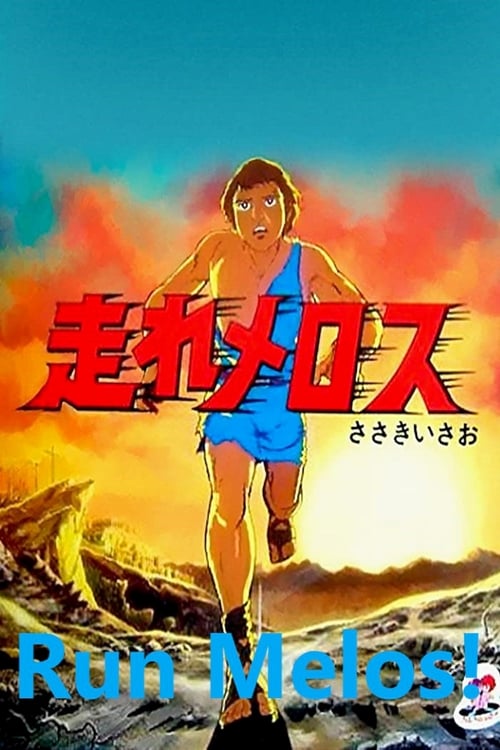
Hashire Melos! is the title of two Japanese animated films. The first was directed by Tomoharu Katsumata and released on Japanese television on February 7, 1981. It was either 68 or 87 minutes long, and its official title did not include the exclamation mark on the end. The second, with the exclamation mark, was a 107-minute remake of the first and was released on July 25, 1992. It featured direction and screenplay by Masaaki Osumi, music by Kazumasa Oda, art by Hiroyuki Okiura and Satoshi Kon, and background art by Hiroshi Ohno. Both were produced by Toei Company Ltd. Visual 80, and both were based on the original short story written by Osamu Dazai in 1940.

During the final years of the Ottoman Empire, occupying forces raided villages and oppressed the people. Nationalist fighters Süleyman Ağa and his friends organized themselves and planned to launch a resistance against the enemy. They wanted Mehmet, Süleyman Ağa's son in Istanbul, to lead the organization. For this reason, Mehmet returned to his homeland years later. However, Mehmet would not act according to the plans made by the nationalist fighters.

The film tells the story of the struggle to liberate Maraş from French occupation. Maraş is occupied by the French. The occupying forces issue a proclamation demanding that the people obey the French. The people refuse to obey the enemy and begin to organize among themselves. Two enemy soldiers attack a girl named Zeynep. Ali, who is at the head of the organization, rescues Zeynep. After this incident, the people begin to clash with the occupying soldiers. Realizing that the people have risen up, the French prepare to attack key points in the city. However, Ali and his friends, who are aware of these preparations, will devise a plan to liberate Maraş.

On the 27th of December 1973, a nightmare began for an entire family. On that night, a German businessman called Thomas Niedermayer was kidnapped from his home in Belfast. He was never seen alive again by his friends or family. He became one of the "disappeared", and it seemed that no-one knew what had happened to him.
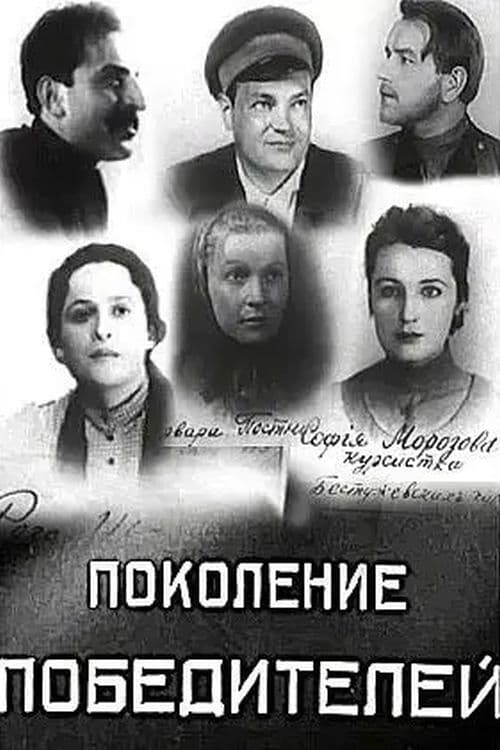
The film covers the events of 1896-1905 - from the first revolutionary gatherings to the armed Moscow uprising of workers at Krasnaya Presnya, later called Bloody Sunday. St. Petersburg students Alexander Mikhailov and Yevgeny Svetlov and a peasant girl Varvara Postnikova arrive in Moscow and follow the complicated path of underground revolutionaries.

Described as an unconventional biopic, 'akin to an autobiography', telling the story of Joni Mitchell's life from her point of view, while also offering her view on the world.


TV Movie based on the life of Antonio José de Sucre, the Gran Mariscal de Ayacucho

The film is based on true events, the battle of the Monastery of Dobra in Veroia, in March 1822. However, history repeats itself. Amidst the hostile climate of war, two families meet at a monastery to secretly perform a wedding. However, this does not go unnoticed. A betrayal will lead thousands of Turkish soldiers to the monastery. The abbot of the monastery, the monks, and the members of the two families take up arms, and the siege begins. Along with it, a struggle for survival and a series of revelations also begin. The story unfolds on the big screen through a conversation between two Greek army officers at the Roupel Fortress in March 1941, who are facing the same challenges a few days before the German attack.