Protocol Archives • Browse all History titles in HD

A portrait of American actress Uma Thurman, muse of legendary filmmaker Quentin Tarantino and courageous voice for the many victims of despotic producer Harvey Weinstein.

Melchior’s bride Keterlyn happens to witness an attack on a young man. The victim, who has lost his memory, does not know who he is and how he ended up in a Tallinn. A ring found at the scene leads Melchior to the trail of the nocturnal brotherhood, questions are also raised by the troupe of freaks who performed on fair day. Ominous signs suggest that not only is the stranger recovering from a murder attempt at risk, but Melchior and Keterlyn as well. At the same time, an inquisitor known as a ruthless witch hunter arrives in town. Melchior's ability to "speak to the dead" and to notice invisible traces of murder have raised the suspicion that he may be a dangerous heretic. And the place of the enemy of the church is at the stake…

Italian airship engineer Umberto Nobile enjoys a quiet life with his beloved dog Titina. One day, Norwegian explorer superstar Roald Amundsen contacts him and orders an airship to conquer The North Pole.
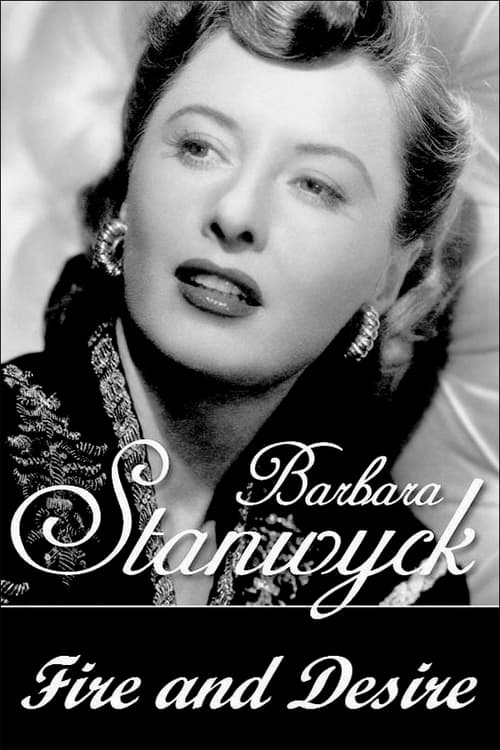
Actress Sally Field looks at the dramatic life and successful career of the superb actress Barbara Stanwyck (1907-90), a Hollywood legend.

Eager to impress the Queen of Sheeba, a young Solomon accidentally releases the devil Asmodeus from his prison. With the Kingdom of Jerusalem in peril, Solomon and Princess Naama work together to find an end to Asmodeus' evil rule.
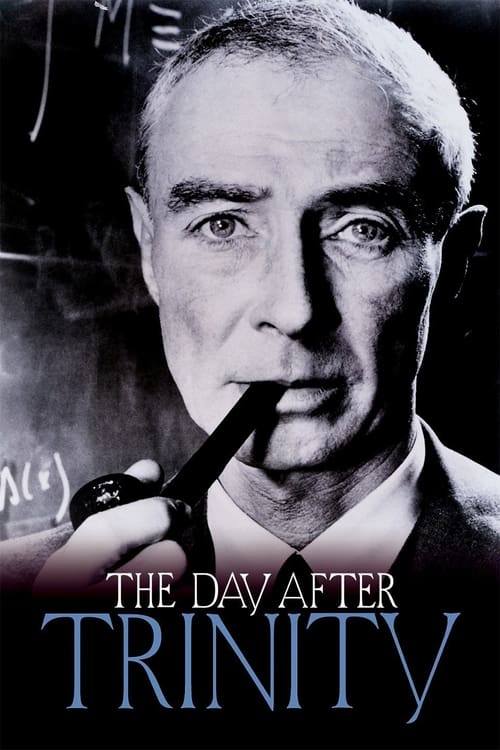
Through interviews with Manhattan Project scientists and newly declassified archival footage, this documentary examines the life of physicist J. Robert Oppenheimer and his leadership of the Manhattan Project. The film traces the development and testing of the first atomic bomb and follows Oppenheimer’s later opposition to nuclear proliferation during the early years of the Cold War.
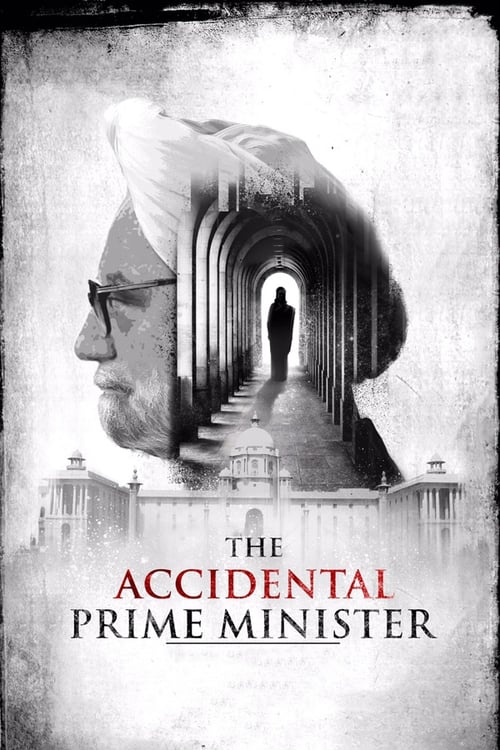
Based on the memoir by Indian policy analyst Sanjaya Baru, The Accidental Prime Minister explores Manmohan Singh's tenure as the Prime Minister of India, and the kind of control he had over his cabinet and the country.

Cree matriarch Aline Spears survives a childhood in Canada’s residential school system to continue her family’s generational fight in the face of systemic starvation, racism, and sexual abuse. She uses her uncanny ability to understand and translate codes into working for a special division of the Canadian Air Force as a Cree code talker in World War II. The story unfolds over 100 years with a cumulative force that propels us into the future.
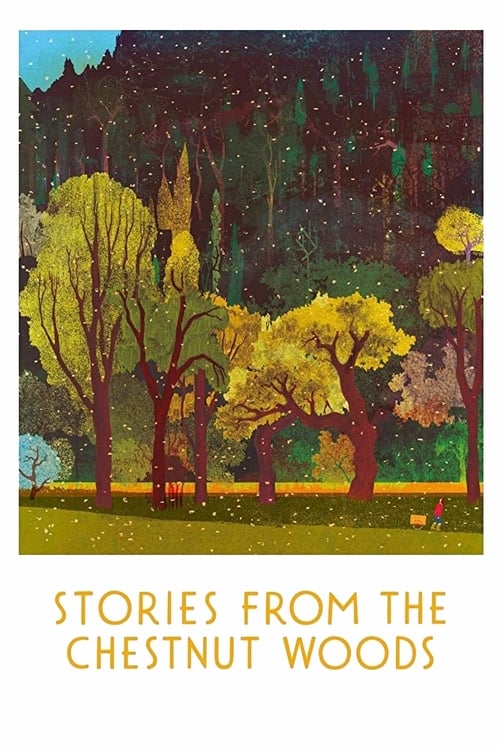
In the mid-20th century, in a forested valley between Italy and Yugoslavia, a stingy widower befriends a young woman and helps her depart across the ocean to find there a better life. A chance encounter gives rise to a dreamy parable on loss, loneliness and the power of imagination.

Artistic reconstruction of real events telling about the struggle of the Belarusian police against banditry in the first post-war years. 1946. A front-line scout, senior lieutenant Smolich arrives in the town of Porechye to strengthen the local militia: in the western regions of Belarus gangs terrorize the population. The bandits of the mysterious Freyshyutsa, a former Nazi collaborator, are especially rampant. Smolich and criminal investigation chief Krikunov have to neutralize the elusive enemy. However, the plan of the police operation is suddenly jeopardized by information leakage. It turns out that in the police station there is a traitor...
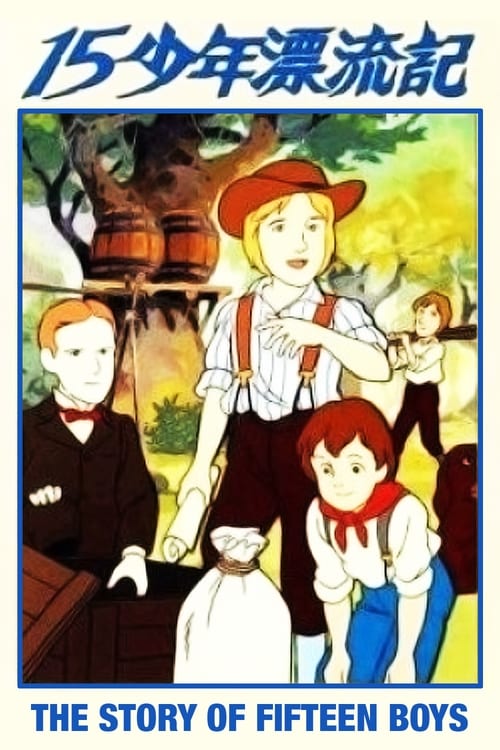
Cast ashore on a desert island after a fierce ocean storm, fifteen school boys find their lives changed forever. Who cut the lines that sent their ship to sea with no captain or crew? Why are pirates after the boys' new-found friend? Will they ever get home again? The excitement unfolds in scene after thrilling scene.

Who was Frantz Fanon, the author of Wretched of the Earth and Black Skin, White Masks, this Pan-African thinker and psychiatrist engaged in anti-colonialist struggles? Born in Martinique, Frantz Fanon was not yet 20 years old when he landed, weapons in hand, on the beaches of Provence in August 1944 with thousands of soldiers from "Free France", most of whom had come from Africa, to free the country from Nazi occupation. He became a psychiatrist and ten years later joined the Algerians in their fight for independence. Died at the age of 36, he left behind a major work on the relationships of domination between the colonized and the colonizers, on the roots of racism and the emergence of a thought of a Third World in search of freedom. 60 years after his death, the film follows in the footsteps of Frantz Fanon, alongside those who knew him, to rediscover this exceptional man.

When the Raigad fort gates get shut down before she could leave, a simple village woman climbs down the cliff in the middle of the night to get back her infant son.
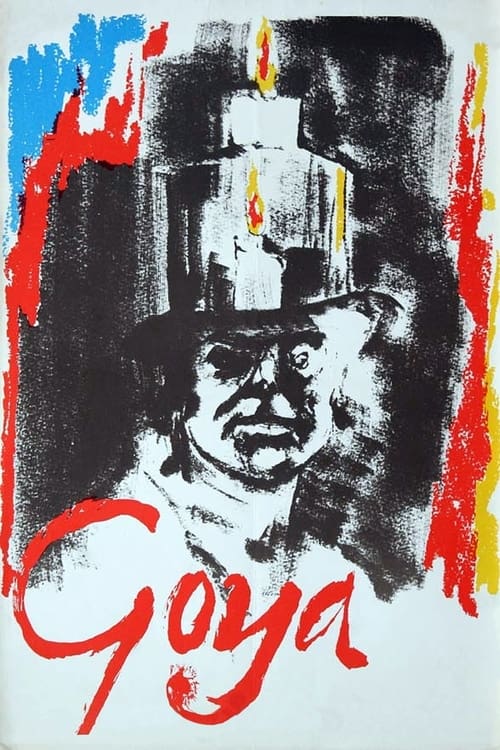
As a painter in the court of King Carlos IV, Goya has attained wealth and reputation. He believes in King and Church, yet he is also a Spaniard who dearly loves his people. This contradiction presents him with a dilemma.
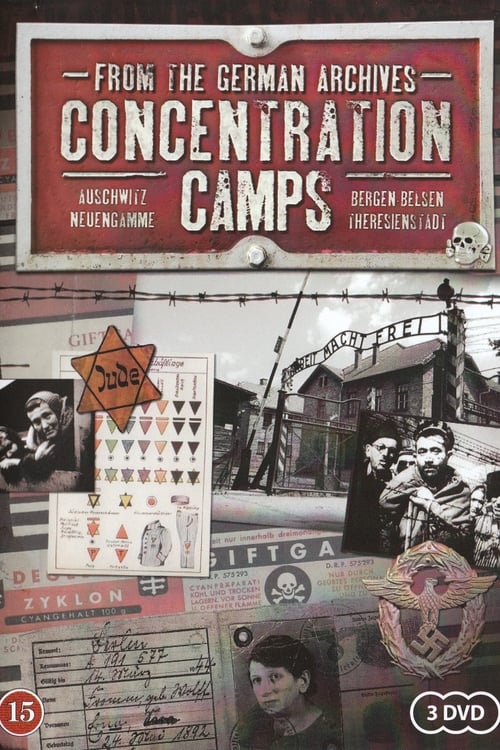
This chilling, vitally important documentary was produced to mark the 40th anniversary of the liberation of Auschwitz Concentration Camp. The film contains unedited, previously unavailable film footage of Auschwitz shot by the Soviet military forces between January 27 and February 28, 1945 and includes an interview with Alexander Voronsov, the cameraman who shot the footage. The horrifying images include: survivors; camp visit by Soviet investigation commission; criminal experiments; forced laborers; evacuation of ill and weak prisoners with the aid of Russian and Polish volunteers; aerial photos of the IG Farben Works in Monowitz; and pictures of local people cleaning up the camp under Soviet supervision. - Written by National Center for Jewish Film

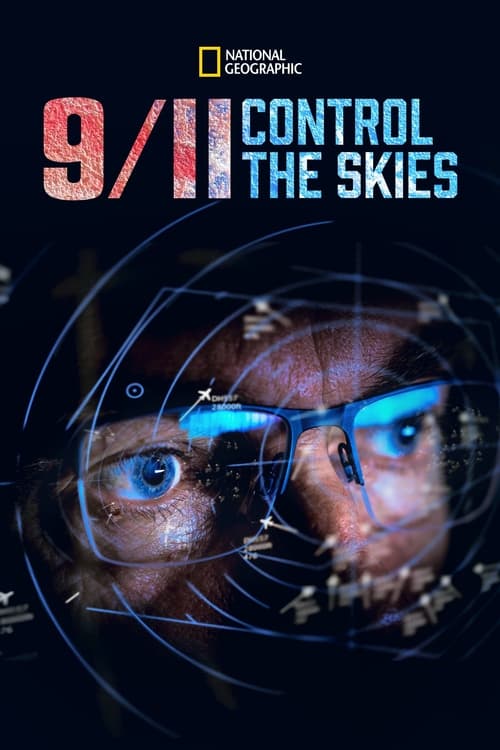
On September 11, 2001, the unimaginable transpired when devastating attacks on the World Trade Center forced the shutdown of the entire U.S. airspace. Thousands of kilometres away in Gander, Newfoundland, a group of Nav Canada air traffic controllers suddenly had the lives of 33,000 people in their hands and had to think fast to find a place for them to go. Discovery uncovers how these unsung heroes managed to safely land 224 planes in four hours, without incident.

Before his legendary proto-cinematic studies in motion, photographer Eadweard Muybridge was commissioned to document the United States Army’s war against the Modoc tribe in Northern California in a series of stereographs, many of them staged. Alternately unnerving, meditative, and explosive, Adam Piron’s Black Glass examines the entangled histories of visual technology and the genocide and expropriation of Indigenous populations by white settlers through a violent collision of image and sound.
A stunningly-crafted documentary that brings to life German-Jewish artist Charlotte Salomon in all her yearning for love and creative expression, her struggle to come to terms with her family history, and whose passion for beauty came face-to-face with the harsh reality of 1940s Europe. The title of this film comes from her remarkable 700-page painted life story in which she asks, “Where does life stop and art begin?” Director Franz Weisz masterfully weaves together interviews with people who knew her, family photographs, excerpts from a 1980 biopic, images of Charlotte’s vibrant paintings and a previously-unknown letter containing a shocking revelation.

This film is a gratitude to the Kazakh Koreans, Germans, Turks, Chechens, Kurds and other peoples of this land and the Kazakh people, who met them with due attention and sympathy, despite their incredible difficulties after the jute of the 30s. For these peoples, our country has become a real Homeland.