Protocol Archives • Browse all History titles in HD
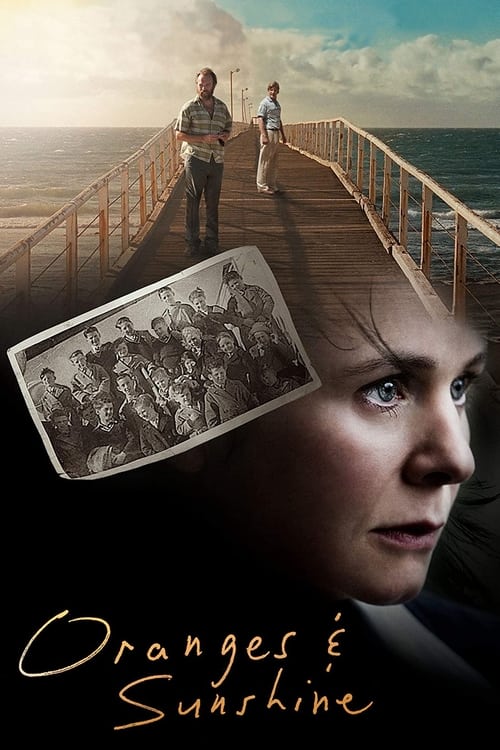
The story of Margaret Humphreys, a social worker from Nottingham, who uncovers one of the most significant social scandals in recent times – the forced migration of children from the United Kingdom to Australia and other Commonwealth countries. Almost singlehandedly, Margaret reunited thousands of families, brought authorities to account and worldwide attention to an extraordinary miscarriage of justice.

Ilda Barosky, a Jewess whose father was killed by Russian soldiers, is a violin student in love with Alexis Nazimoff, son of the Russian aristocracy. Alexis' father arranges a marriage of convenience between Alexis and Olga Karischeff, the daughter of the ambitious minister of police and attempts to shame Ilda at the betrothal celebration. Defiant, Ilda is whipped before the entire assembly. Alexis rushes in to rescue her and terminates his engagement to Olga. In retaliation, Karischeff sentences both Ilda and Alexis to ten years in Siberia as his last official act. The couple attempt to escape their Siberian captivity, are caught and face a firing squad until Count Nazimoff, who has assumed Karischeff's position as minister of police, arrives with a pardon. The couple return home, and the penitent count finally grants them his blessings.

The true story of German-Czech businessman Oskar Schindler (1908-74) as told by some of the Jews — more than a thousand people — whose lives he saved from extermination during World War II.

Asked by Francis I to tutor his son, Diane de Poitiers becomes the future King Henry II's mistress in 1500s France.
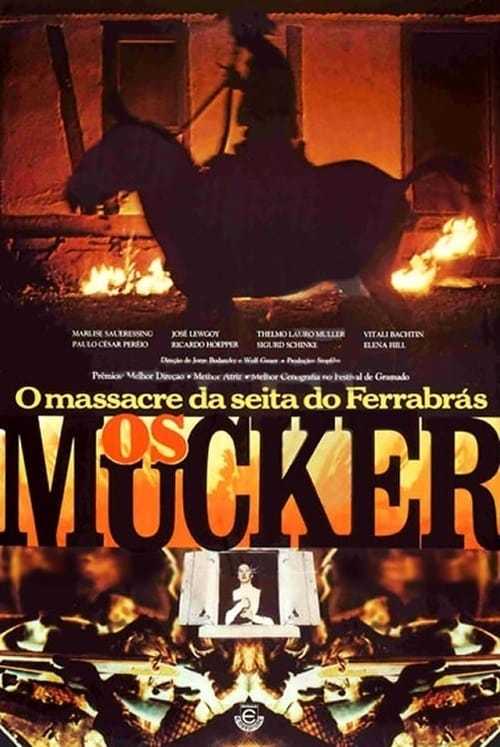
In 1873 in Rio Grande do Sul, a group of peasants come together to form a community of brothers, arousing the enmity of the rest of the population. They are immigrants from the German region and develop a communitary social model, having the Bible as a code of morals, faith and conduct. The group's economic independence ends up irritating the locals to the point of provoking successive aggressions that culminate in a bloody massacre.
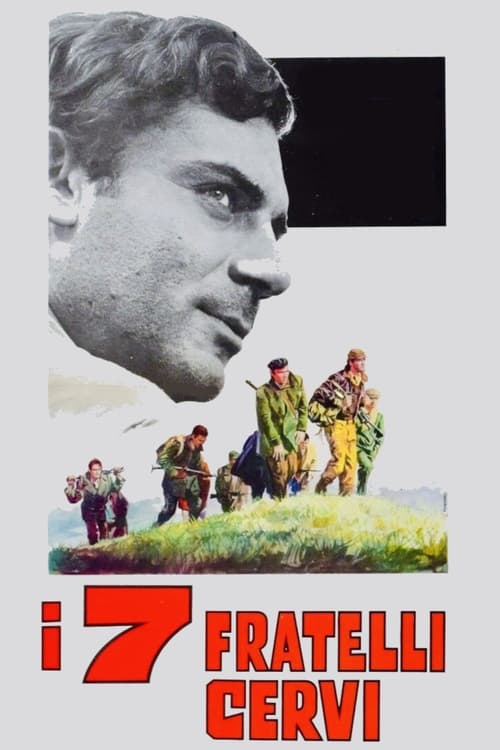
The story of the Cervi family. Rural farmers brought up to be idealogically opposed to fascism during the era of Mussolini's rule of Italy and World War 2.

Veeram is based on the ballads of North Malabar and narrates the tale of the brave and ambitious Kalarippayattu warrior, Chandu, whose story resembles that of William Shakespeare's Macbeth.

The King of Yemen, after gaining the ability to speak with animals, tragically discovers he's accidentally thrown his son into the ocean. He tells his Queen, then mysteriously becomes incapacitated. His only cure: a magic flower from the mouth of Princess Meherangez of Sistan. Heroic Prince Umar sets out to retrieve it.
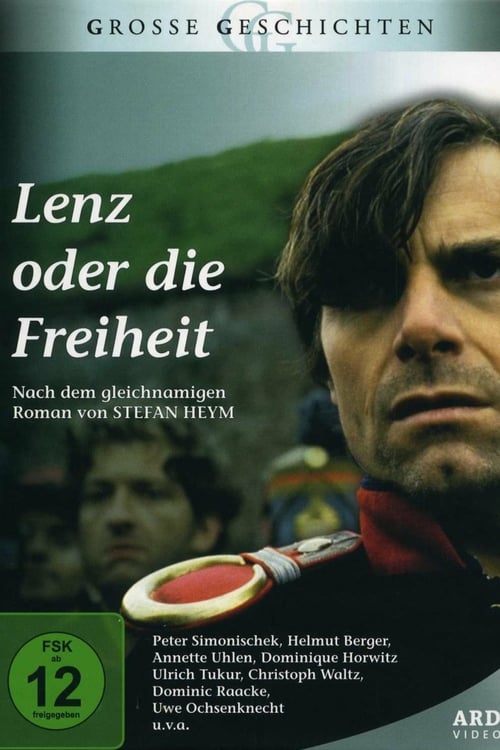
Four-part german limited serial about the baden revolution in 1848 and 1849.

The truth about who and what the " elites " true agenda, purpose, and motivations are.
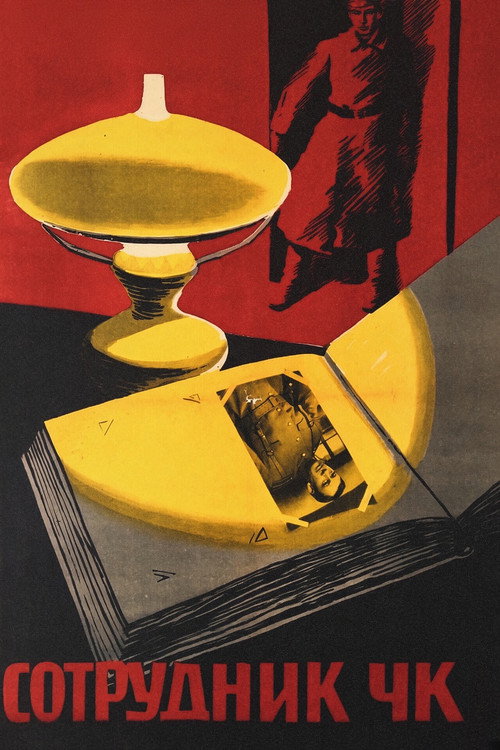
Russia, 1919. A young soldier of the First Cavalry Army, Aleksei Mikhalyov, is sent to work in the provincial Cheka. Here in the south of the country there is a large White Guard underground led by the elusive Markov. Aleksei gets into the gang, where he is mistaken for his own. The day of the operation to eliminate the white underground is appointed. But unforeseen circumstances destroy the plans of the Chekists.
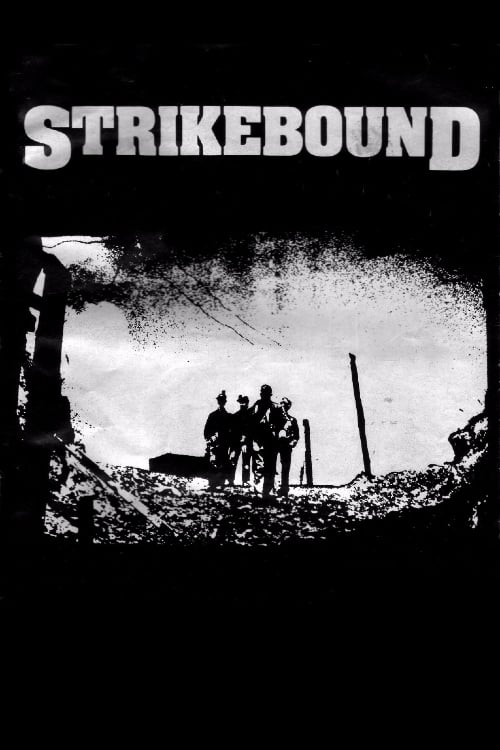
Via the New York Times: "...reconstructs the true story of a coal miners' strike in the small town of Korumburra in the mid-30's... based on the real-life story of two remarkable characters, Wattie Doig, a miner who became a militant Communist activist, and his wife, Agnes, who progressed from staunch Presbyterianism to membership in the Salvation Army and, finally, to labor organization."
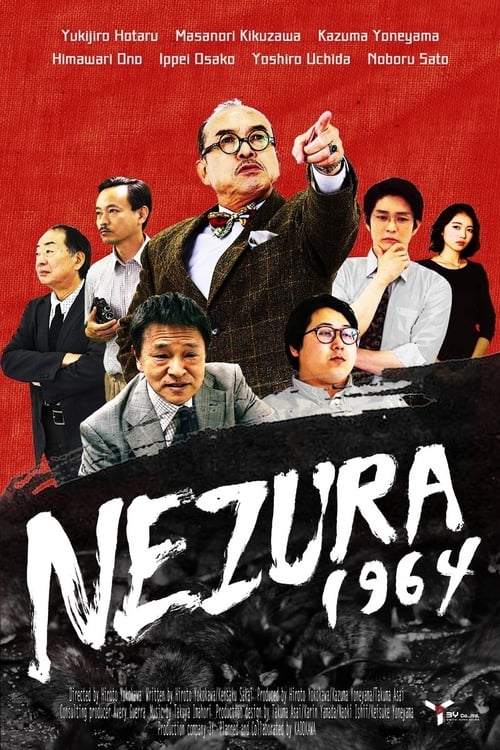
A biopic based on the production of Daiei's Giant Horde Beast Nezura, the scrapped precursor to Gamera.

A winemaker overcomes the ignorance and illiteracy of his era to become a Torah commentator who defends the right to spiritual choice and freedom in the 11th century.
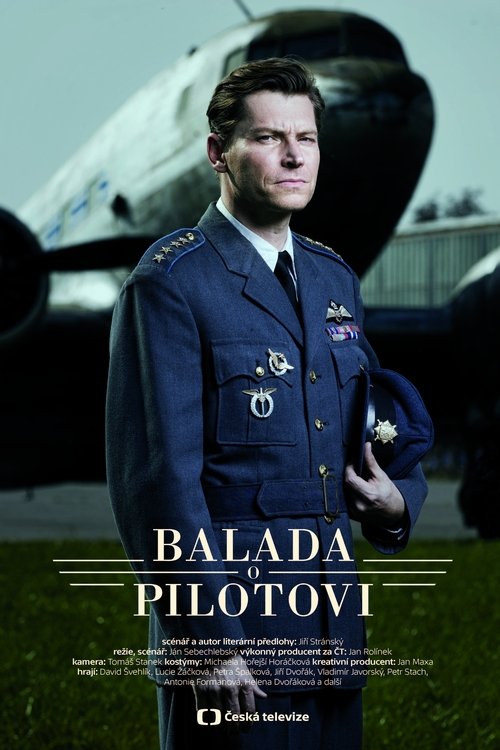
They returned home to Czechoslovakia, believing that the long-awaited peace would come. However, history decided otherwise. Over two and a half thousand pilots served in the uniforms of the British Royal Air Force. Heroes to the British, who helped decide the outcome of the war, they were tried for treason in our country after the war... The Ballad of a Pilot takes place in late summer 1945 and early 1946, a time of euphoria over the newly acquired peace, when the network of interpersonal relationships, shattered by the war, began to reform. At first, it was thought that the First Republic democracy would take over the government, but the fate of Czechoslovakia turned out differently.
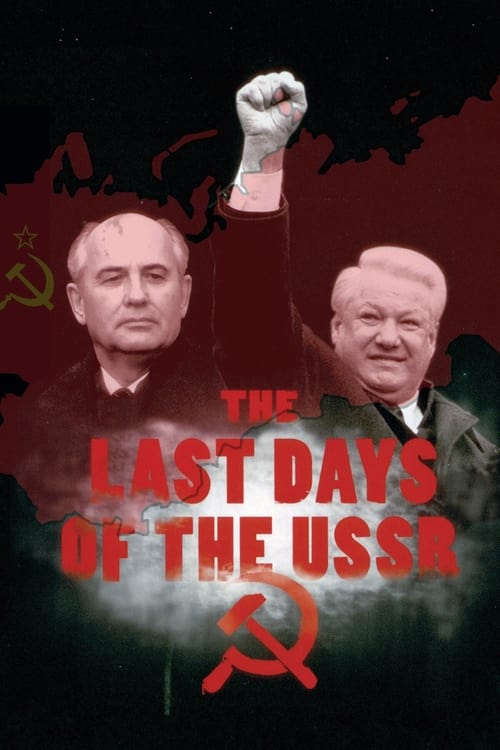
From 1989 to 1991 a string of unpredictable events happened that brought to light the rivalry between two men: Gorbachev, hindered by the economic results of his perestroika, and Yeltsin, embodying the hopes of the Russian people. Illustrated with interviews of top protagonists such as Mikhail Gobachev himself, the documentary recounts the critical last two years of the former USSR.

Since the invention of the automobile, women have distinguished themselves by their daring: the history of women in motor sport.

In the city of Guelma, which was once called Heliopolis in ancient times, the daily life of an Algerian family takes its usual course. But on May 8, 1945, the day the end of World War II was announced, demonstrations by the Algerian people against the French colonial power and for the country's independence took place, which were bloodily suppressed by the French army and French settler militias. The event went down in history as the Sétif and Guelma massacre.
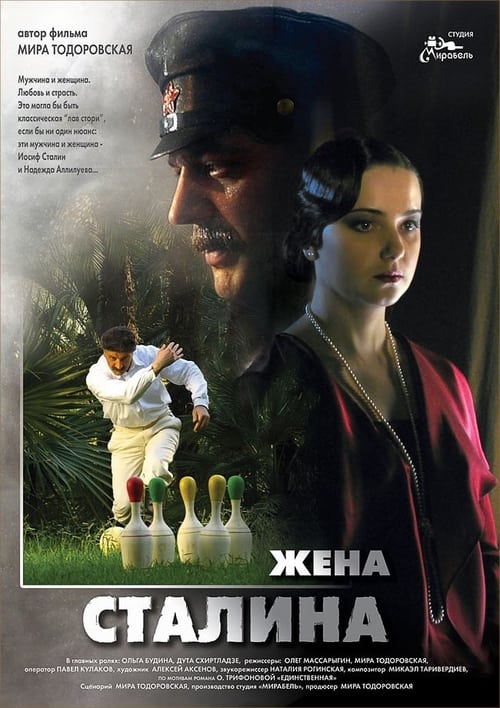
A historical drama about the tragic fate of Nadezhda Alliluyeva, a woman who remained in the shadow of her husband Joseph Stalin. In 1918, 16-year-old Nadezhda married 38-year-old Joseph Stalin, a close friend of the Alliluyev family. The love of Nadezhda and Joseph develops against the backdrop of important historical events - revolutions, wars, arrests, and every year Stalin seizes more and more power. Realizing the terrible essence of her beloved husband, Nadezhda still remains faithful to him. But how long can she withstand this struggle with herself?
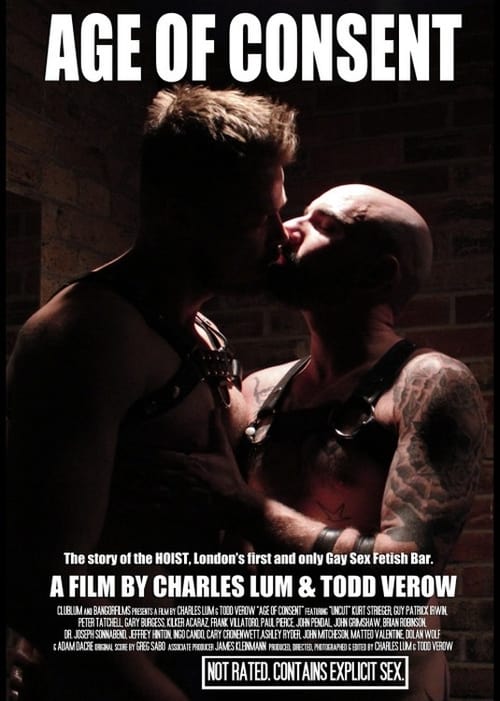
The story of the HOIST, London's first and only Gay Fetish Bar, coincides with the political struggle to decriminalize homosexual activity within the United Kingdom.