Protocol Archives • Browse all History titles in HD

The devious general Cethegus plays the Byzantine and Gothic forces against each other for his own gain.
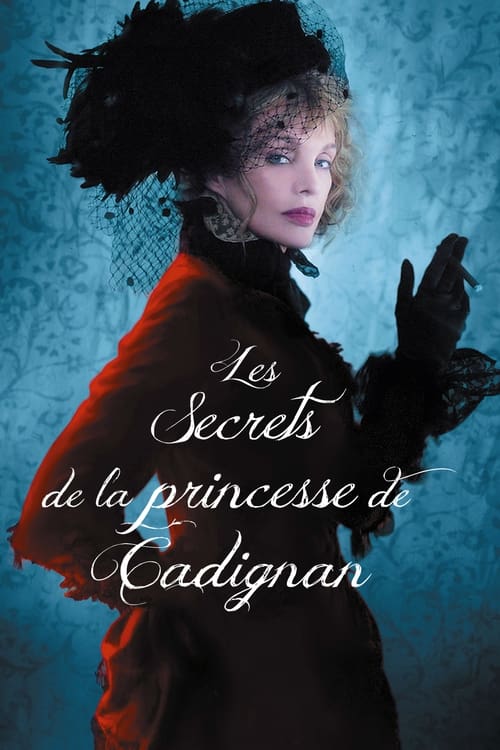
"Don Juan woman", according to the expression of Balzac. A princess, a great seductress. Of a diabolical intelligence. This woman, who has had many lovers— almost all the male characters of the "Comédie Humaine“— will finally find love. The real one. The great one.
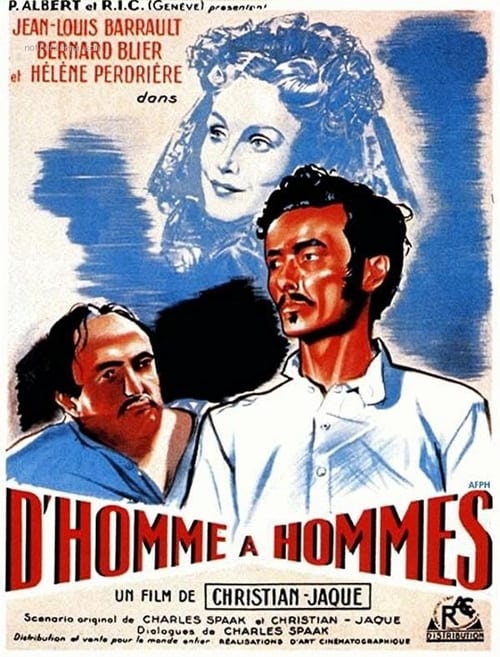
The story of the Swiss soldier, Henri Dunant, who was responsible for the founding of the Red Cross, and who was offered the first Nobel Peace Prize.

The movie follows the turbulent life of Wortel, a deeply devout yet flawed Flemish farmer at the turn of the 20th century. Wortel has an intense bond with his land, but his life is defined by a relentless series of tragic hardships.Throughout his journey, Wortel faces the loss of multiple children, the suicide of his son, and the heartbreaking deaths of his wives, Fien and Frisine. Despite these devastating misfortunes, he is constantly urged by the local village priest to accept this suffering as part of God's grand plan. Mixing heavy melodrama with moments of dark, bittersweet humor, the film portrays Wortel’s fierce survival instinct, human weaknesses, and ultimate search for solace through his faith and hard labor.
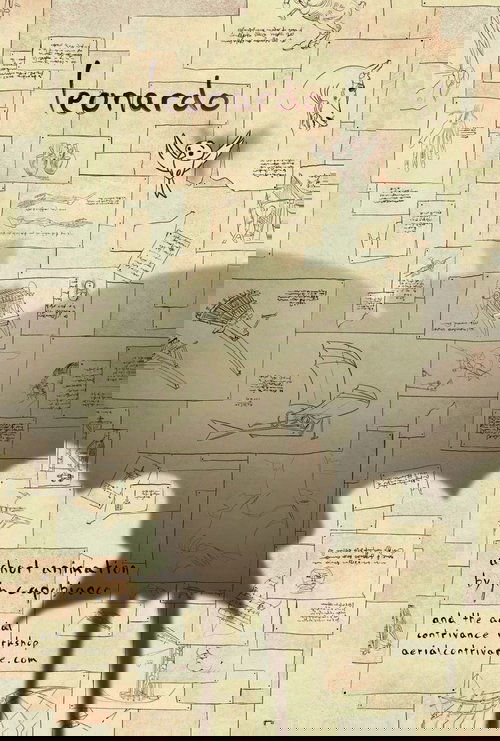
Art and science intersect in unexpected ways, as Da Vinci's experiments with flight lead him to the discovery of his most famous muse.
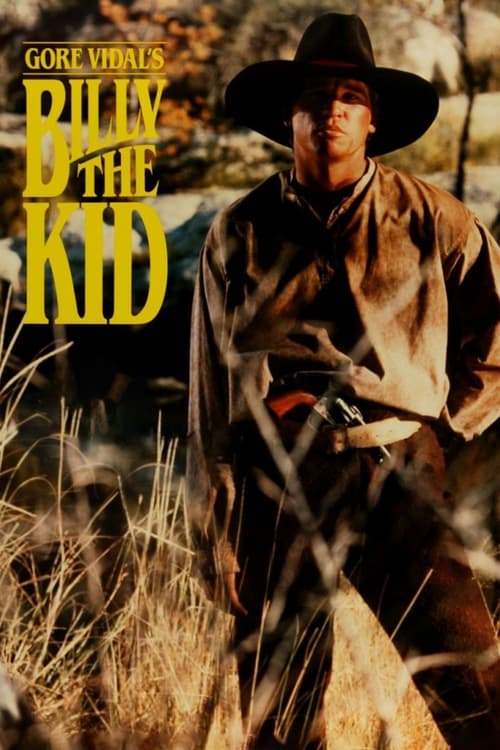
Gore Vidal's historical novel is brought to life in this television production of Turner Network Television's Billy the Kid.
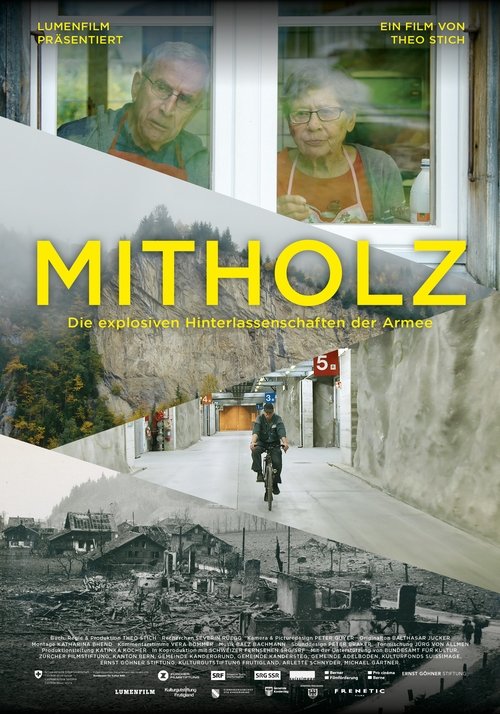
The small swiss village of Mitholz got destroyed in 1947 after an Ammunition depots of the Swiss Army exploded. After decades of secrecy, the population learned in 2018 that the danger had not been averted yet and that the residents need to leave their homes. A story about the abuse of trust and the mistakes of a government whose citizens pay the price for.
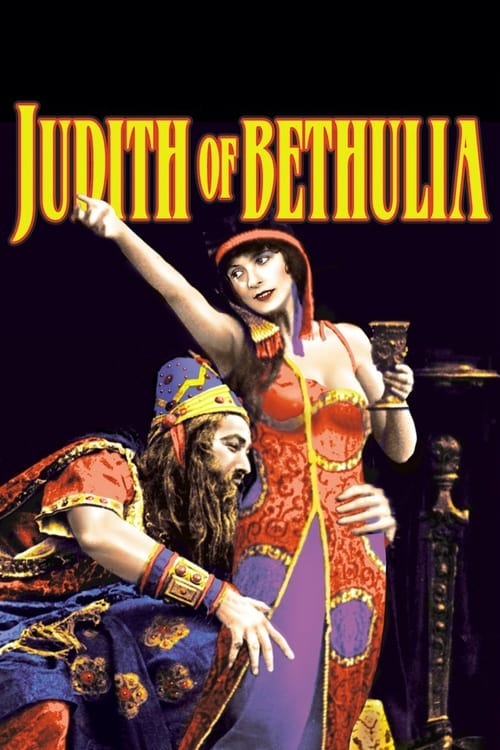
In the 7th-century B.C., the Assyrians storm the walls of the Jewish city of Bethulia, leaving its people frightened and ready to hand their homes over to the invaders. As the Assyrians close in, the citizens are cut off from the outside world, and they began to starve. Seeing her people's desperation, Jewish widow Judith poses as a harem worker, winning her entry into the Assyrian camp, where she plans to kill their general, Holofernes.

The film depicted the revolutionary events of 1917 and included some documentary footage. The film has not survived.
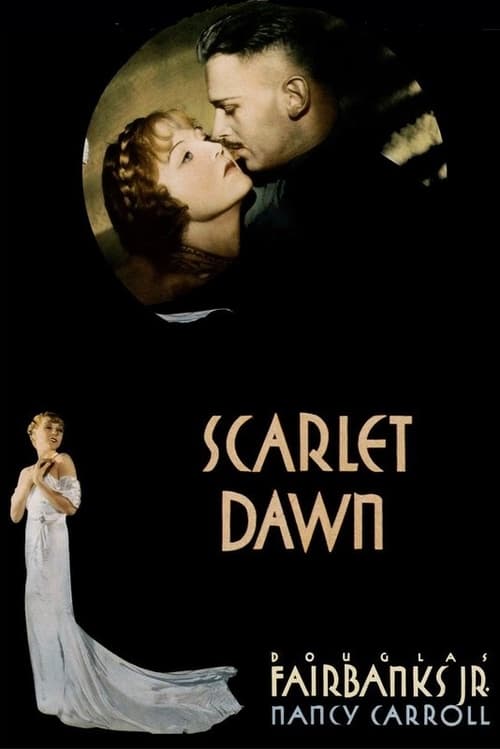
During the Russian Revolution, a young nobleman and his peasant maid flee from their homeland to Constantinople where they marry and begin a challenging new life.
The documentary First of May explores the more than a century-long evolution of the celebration and the meaning of this day. The structure is composed of memories, newspaper excerpts, testimonies found in archives, etc. - all these passages are brought to life by the actors' voices, taking on the roles of journalists, factory workers, policemen, workers and ordinary people who watch May Day, sometimes with interest and verve, sometimes with distance or irony.
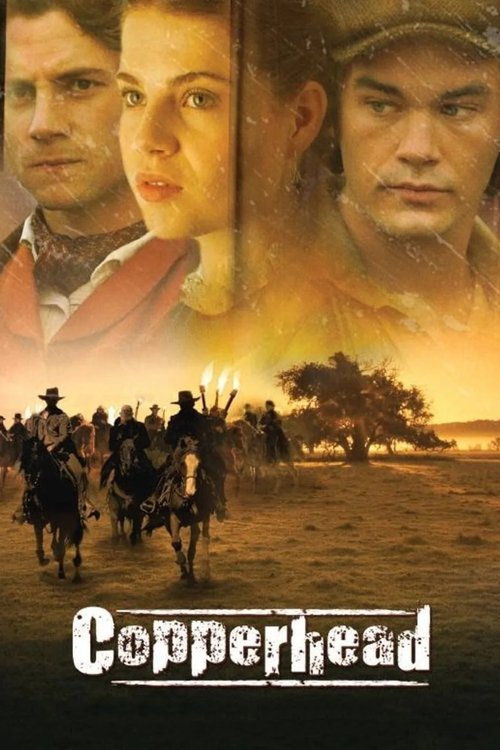
A family is torn apart during the American Civil War. Abner Beech (Billy Campbell), a righteous farmer from upstate New York, exercises his right to free speech in a time when families are divided by the Civil War.

The glorious and tragic story of American athlete and actor Johnny Weissmuller (1904-84), Olympic swimmer, water polo player and the only true Tarzan, an archetypal character and myth of cinema, that of the original Hollywood blockbusters (1932-48).

Follows two women who find that their paths are intertwined, and have a surprising connection.

Horrible Histories Prom was a free family concert showcasing the original songs from the British television series Horrible Histories, along with classical music. It was held on 30 July 2011 at the Royal Albert Hall in London, and was that year's children's entry in the BBC's annual Proms series.
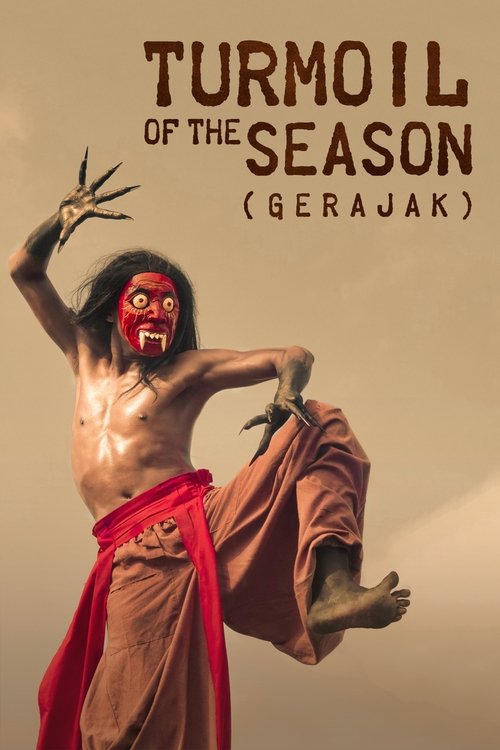
A surrealist dance film about the history of Gerajak, a committee consisting of village apparatus and farm workers. Gerajak was formed to carry out agrarian reform in the midst of famine and suffering in Gunung Kidul, 1963. This condition became a momentum for destructive behavior in the society.
Two Catalonian women are travelling through Cornwall in 1611, in the company of an Englishman and find themselves forced by bad weather to take shelter in a small farmhouse. The evening promises to be a difficult one due to the lack of any common language, culture or background. However, when they discover a rare spice from their homeland being used by the Cornish woman in the preparation of buns, the conversation begins to warm up.

A mysterious story from the madness of the Second World War: when the Red Army shot down a civilian plane over Brandenburg villages on April 20, 1945, the incident not only destroyed lives, but also left deep traces and numerous questions at the scene of the accident: who was on board the plane and who was even allowed to leave Berlin, which had been bombed by the Allies?
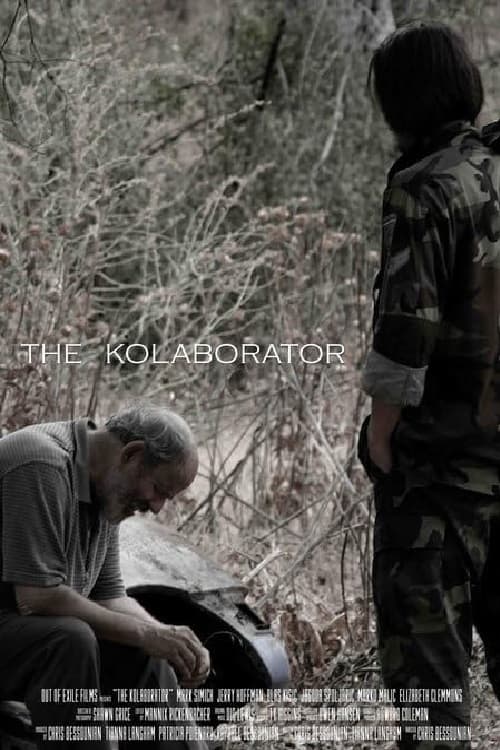
During the conflict in the former Yugoslavia many soldiers were convinced to kill fellow citizens including friends and relatives in the name of patriotism. The Kolaborator follows the story of Goran, 24, a promising young soccer player who is forced to become a soldier. Goran goes from being a talented athlete to an executioner virtually overnight. Following orders, Goran lines up civilians, shoots them and drags them into mass graves. Justifying his role as a protector of his people, Goran becomes increasingly detached from the task until his soccer coach and life-long friend, Asim, is led in front of him. As a familiar face stands defeated before him, Goran must reconsider his actions and choose between his own life and that of his dear friend.
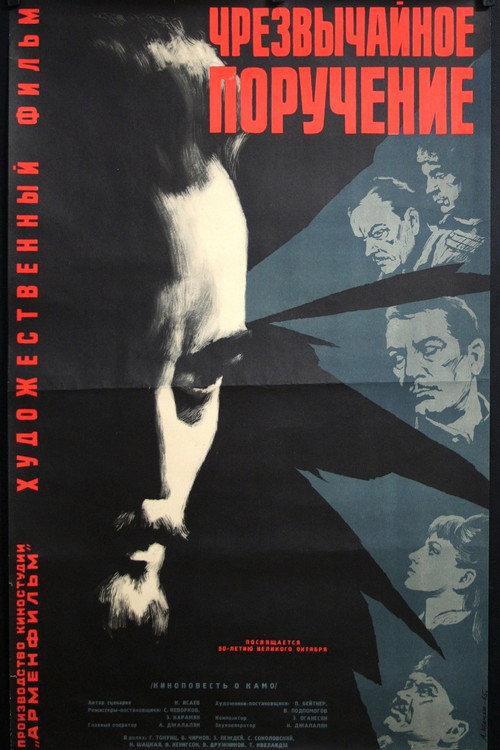
The second film of the trilogy about Armenian Bolshevik revolutionery Simon Ter-Petrosyan (1882-1922) known as Kamo.